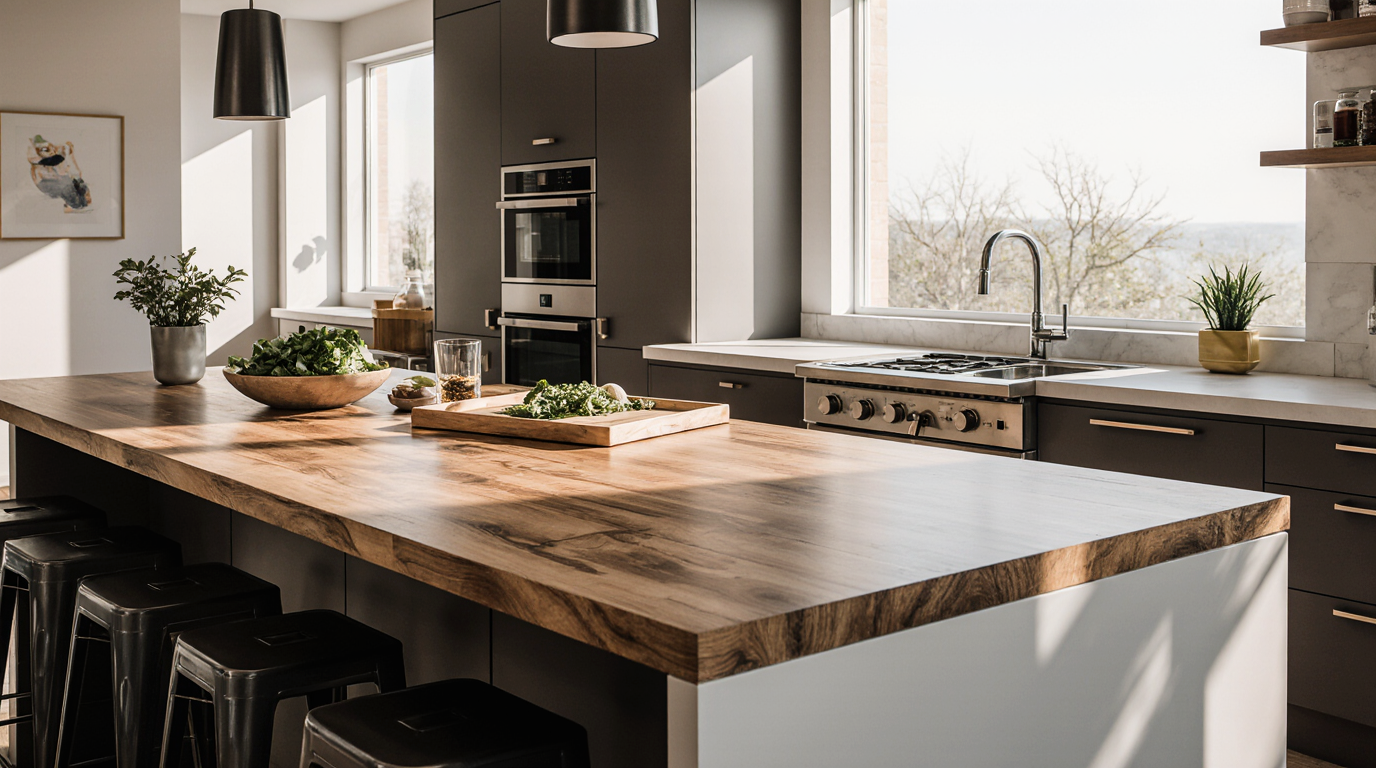
Diagnosing Kitchen Environments for Butcher Block Success
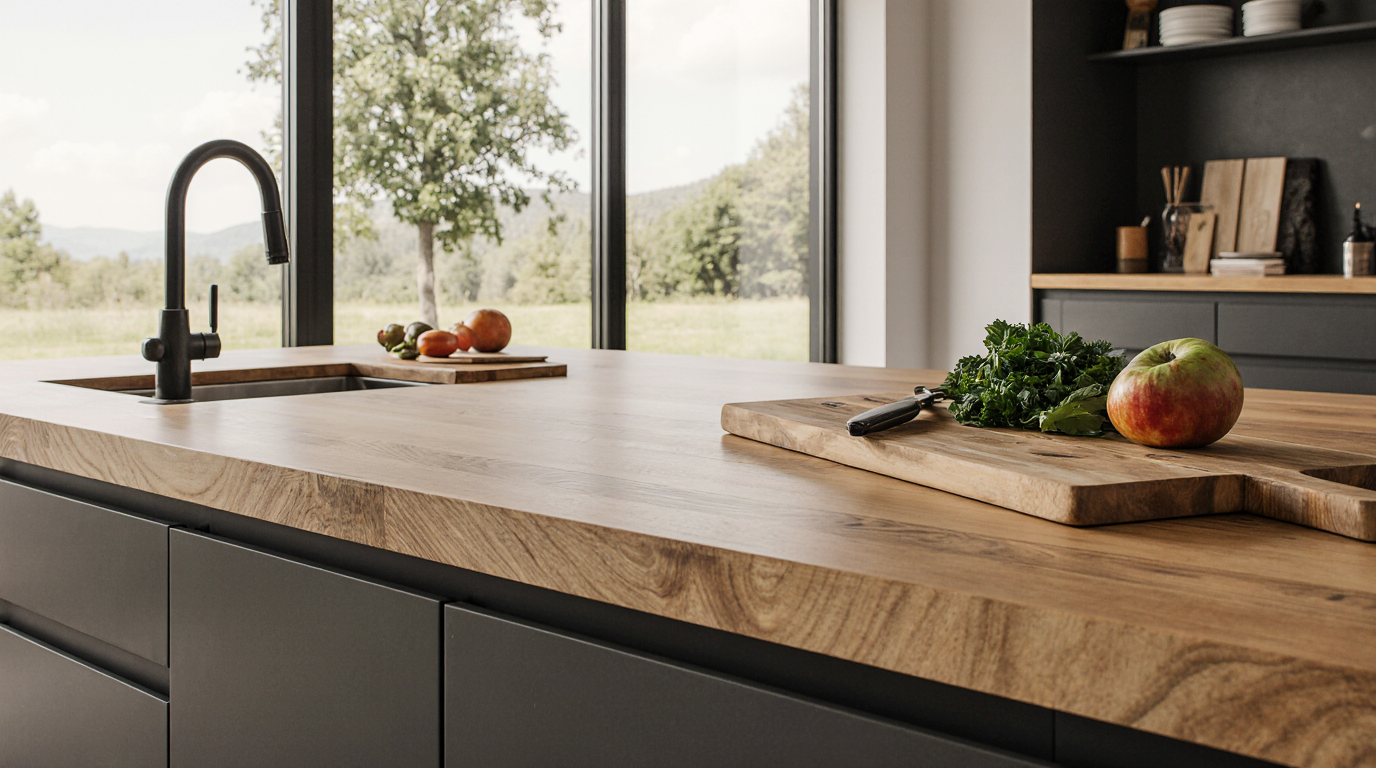
Before a single piece of wood is selected, my process begins with a comprehensive environmental assessment of the home, a step often overlooked by competitors. For a new build in Lakewood Ranch, I analyze HVAC system specifications and airflow patterns. In a Lido Key condominium with expansive glass overlooking the Gulf, I measure the potential for UV degradation and thermal expansion from direct sun exposure. Understanding these micro-climatic factors within the home is critical, as they dictate not only the wood species but the type of joinery and sealing system required. I've found that a countertop facing a western-exposure window requires a finish with enhanced UV inhibitors to prevent fading and drying, a detail that is non-negotiable in our sun-drenched region.
Technical Specifications: Wood Grain, Construction, and Sealing
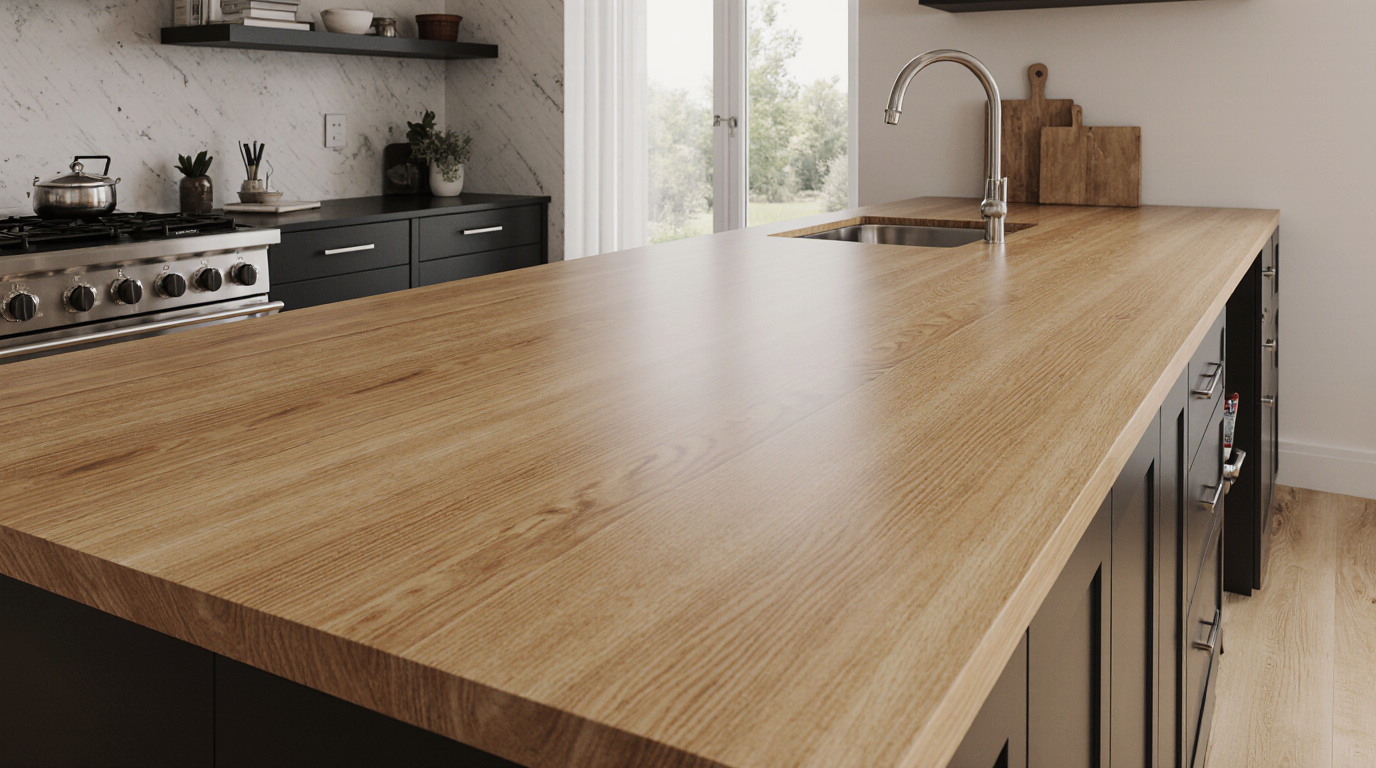
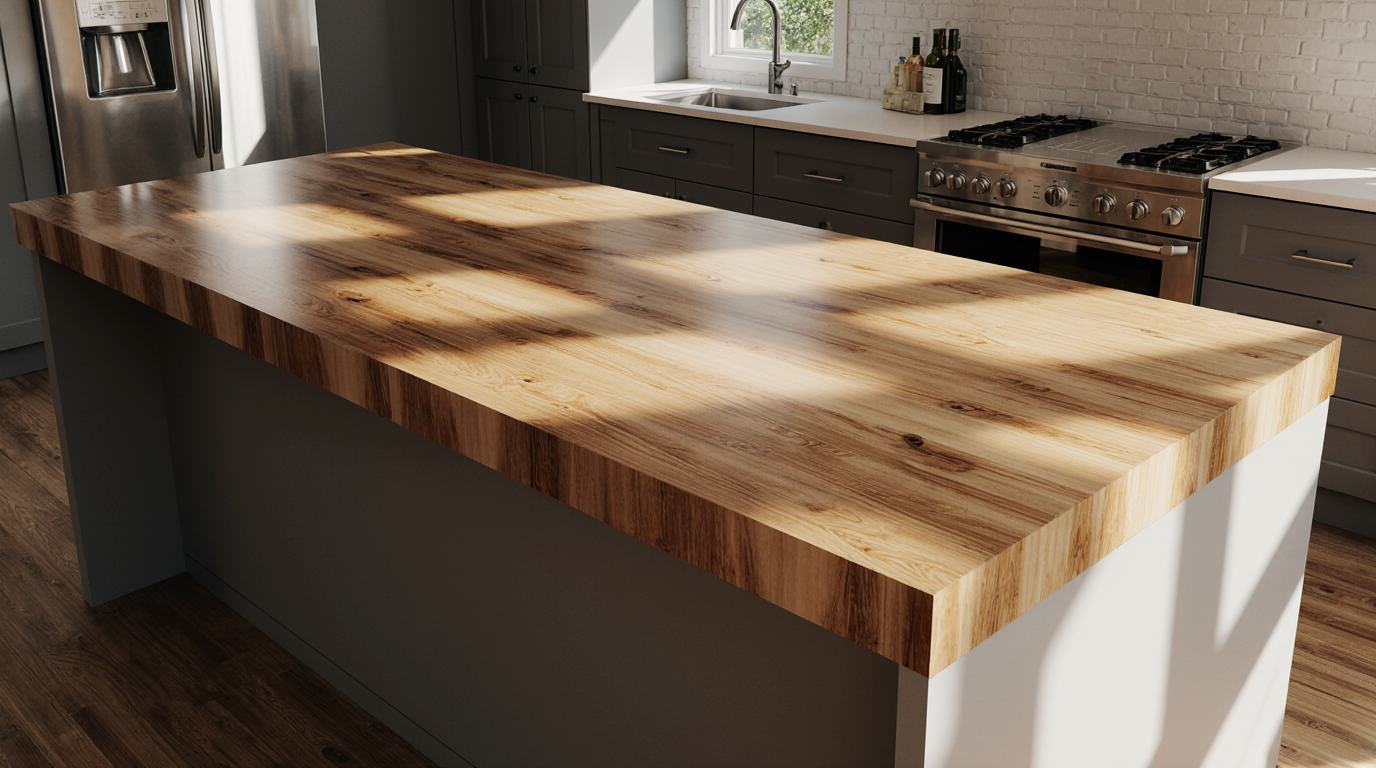
The choice of a butcher block goes far beyond color. I guide clients through the structural differences between end-grain and edge-grain construction. While end-grain is superior for direct chopping and has a 'self-healing' quality, its exposed fibers make it more susceptible to moisture if not sealed with absolute precision. For most Sarasota kitchens focused on entertainment and aesthetic appeal, a premium edge-grain construction in Black Walnut or Rift Sawn White Oak offers superior stability and a linear, modern look. My standard is to use only waterproof adhesives like Titebond III for all laminations, ensuring the block is a monolithic unit that resists delamination even with the extreme humidity shifts we experience. The sealing process itself involves a minimum of three coats of a catalyzed urethane or marine epoxy, with meticulous sanding between each application to create a flawless, non-porous surface that water simply beads on.
Fabrication and Installation Protocol for Coastal Durability
My fabrication and installation process is designed to eliminate common points of failure I've observed in other projects. This isn't just about cutting a slab to fit; it's about engineering for longevity in a challenging climate.
- Acclimatization: The raw wood slab is delivered to the installation site and left to acclimate to the home's specific humidity and temperature for a minimum of 72 hours before any cuts are made. This prevents shocking the wood and minimizes post-installation movement.
- Balanced Finishing: I ensure that the same number of sealant coats are applied to the underside of the countertop as the top. An unbalanced finish is the primary cause of cupping, as moisture is absorbed at different rates.
- Expansion-Ready Installation: I never glue a butcher block directly to the cabinet base. Instead, I use specialized z-clips or slotted fasteners. This hardware secures the top firmly but allows for the natural, microscopic expansion and contraction of the wood through the seasons, preventing stress cracks.
- Sink Integration: For undermount sinks, the cutout is sealed with an additional layer of epoxy to create a waterproof barrier. I then use a high-grade 100% silicone caulk to create the final seal between the sink flange and the wood, providing a flexible, watertight gasket.
Precision Tolerances and Quality Standards
The final stage is about precision and validating the engineering. My standard for a finished installation demands joint tolerances of less than 1/64 of an inch, creating a virtually seamless appearance. After installation, I use a digital level to ensure the surface is perfectly flat across its entire span, which is critical for preventing water pooling. This meticulous attention to detail ensures that the countertop not only looks exceptional but is structurally prepared to withstand Sarasota's demanding coastal climate for decades, offering a measurable increase in durability and value over standard installations. This is the difference between a simple countertop and an engineered piece of furniture for your kitchen.
Now, look at your current kitchen countertops. Are the seams perfectly tight and invisible, or are they beginning to show the subtle gaps that signal an ongoing battle with Florida's humidity?