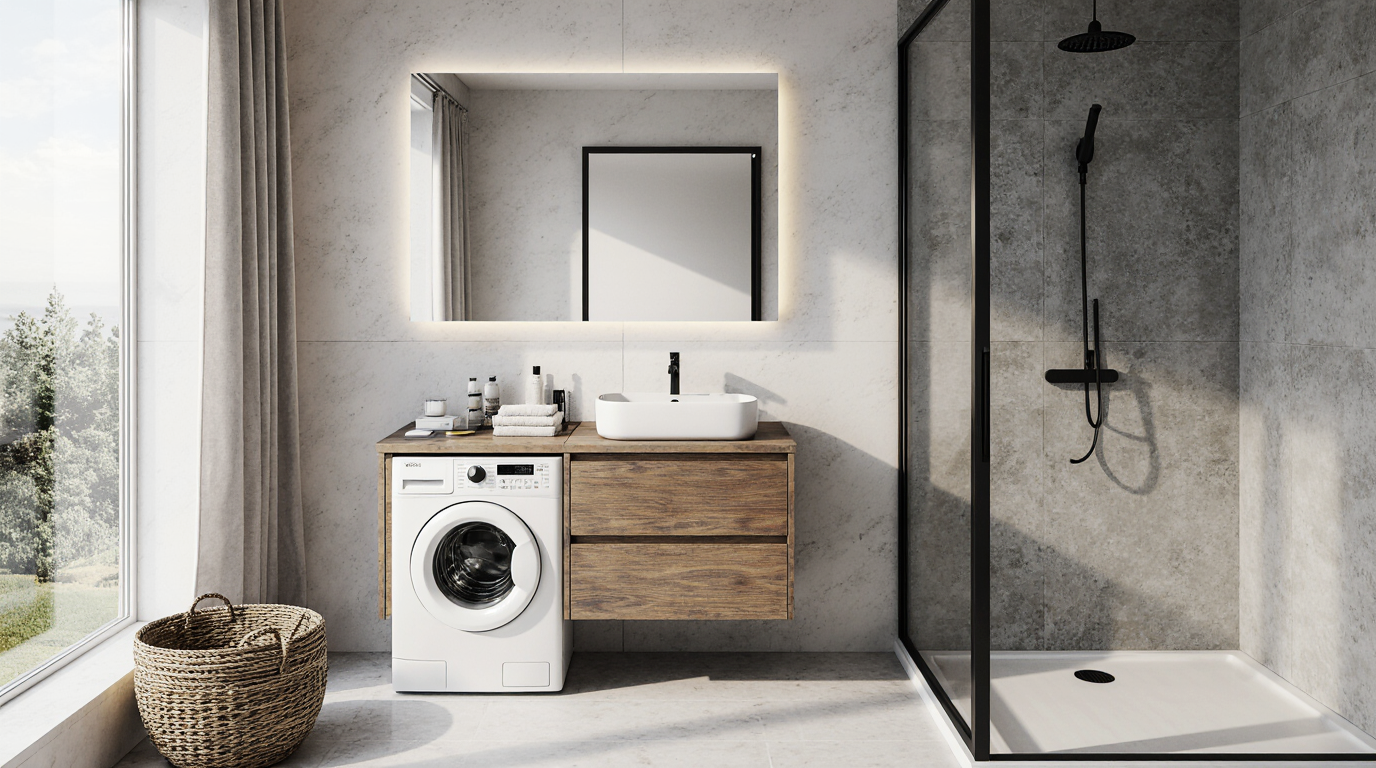
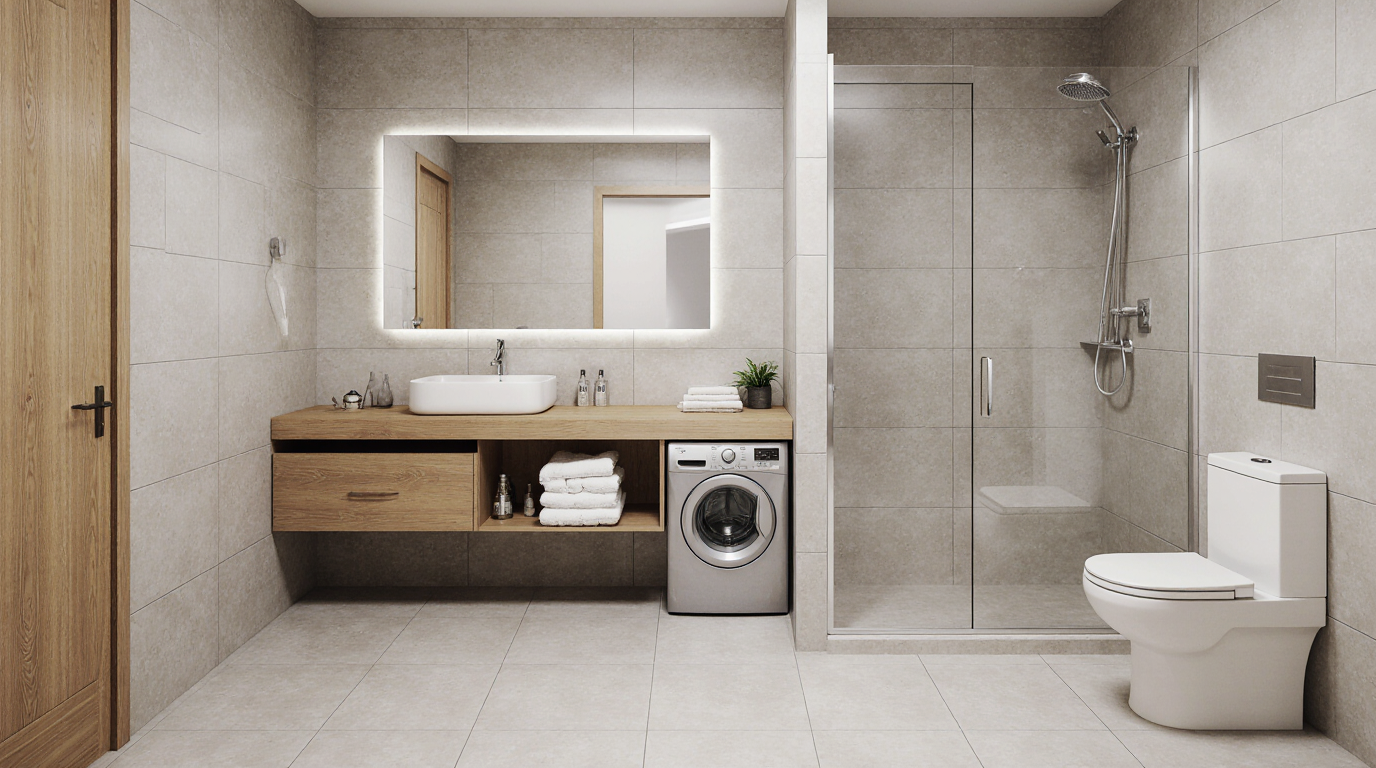
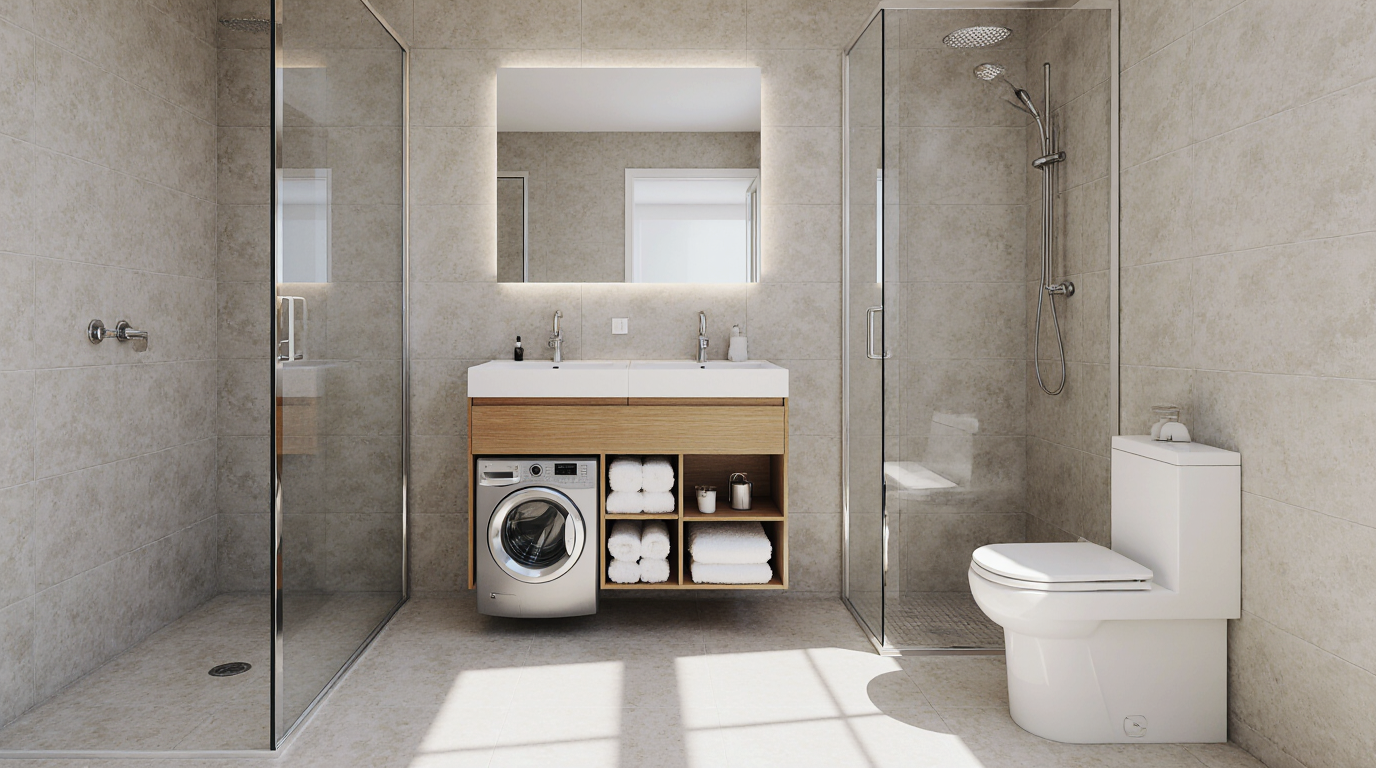
I have lost count of the number of high-end bathroom and laundry room cabinetry sets I've had to replace across
I have lost count of the number of high-end bathroom and laundry room cabinetry sets I've had to replace across Sarasota County, particularly in homes lining the Gulf. The recurring failure point is almost never the face of the cabinet; it's the unseen joinery and hardware. Standard manufacturing, even from reputable brands, often fails to account for the aggressive combination of salinity and relentless humidity we experience here. I’ve seen premium MDF cores swell irreversibly and hinges corrode within three years on Siesta Key properties that are less than a mile from the coast.
My entire design and fabrication philosophy for these wet spaces is built around a principle I call 'core-sealed engineering'. This isn't just about using marine-grade plywood; it's about treating every single cut edge and screw penetration with a two-part marine epoxy before assembly. This single, labor-intensive step creates a monolithic, waterproof structure that prevents moisture wicking at its most common entry points. This process is the only way I've found to guarantee the flawless, flush aesthetics of a Coastal Contemporary design will not be compromised by warping or delamination over time.
The practical result is cabinetry that maintains its structural integrity and precise alignment, effectively resisting the 'cabinet sag' and operational failure common in our local climate. This meticulous approach ensures that a laundry room in a Lakewood Ranch estate or a master bath in a Longboat Key condo performs as impeccably as it looks, providing a tangible return on investment through sheer durability and eliminating the need for premature replacement.
My Diagnostic Framework for High-Humidity Cabinetry Projects
Before any design is drafted or a single piece of wood is cut, my process begins with an on-site environmental analysis. For any bathroom or laundry project in Sarasota, I assess factors that go far beyond simple measurements. I analyze the room's ventilation, measure ambient humidity levels over a 24-hour period if necessary, and determine the home's proximity to saltwater. A home on the bay side of Casey Key has a different atmospheric challenge than a home in an inland golf community, and the cabinetry specifications must reflect that reality. This initial diagnostic phase dictates the entire material and hardware strategy.
Material and Hardware Specifications: Beyond the 'Marine-Grade' Label
Many builders claim to use 'water-resistant' materials, but the term is dangerously vague. I operate on a strict, non-negotiable material list. For all cabinet carcasses in wet areas, I specify a true multi-ply marine-grade plywood, often Okoume or a similar hardwood, which has zero core voids and is laminated with waterproof phenolic adhesive. This is fundamentally different from standard exterior-grade plywood or moisture-resistant MDF, which will eventually fail at the joints.
For hardware, my exclusive standard for coastal properties is 316-grade stainless steel. While many use 304-grade, it lacks the molybdenum content that gives 316-grade its superior resistance to chloride corrosion—an absolute necessity when dealing with salt air. I apply this standard to everything from concealed soft-close hinges and drawer slides to pulls and even the mounting screws. For finishes, I utilize a post-catalyzed conversion varnish, which chemically cross-links as it cures, creating a far more durable and impermeable barrier than standard lacquer.
The Fabrication and Installation Protocol: A System of Controlled Tolerances
The transition from raw material to installed cabinet is governed by a precise methodology designed to eliminate points of failure. My workshop process is not about speed; it's about systemic fortification against moisture.
Precision Machining: All components are cut using CNC routers to ensure tolerances are within a fraction of a millimeter. This minimizes gaps in the joinery where moisture could potentially sit.
Waterproof Assembly: Joinery is assembled using polyurethane-based adhesives, which are 100% waterproof upon curing, unlike traditional PVA wood glues that can break down with prolonged moisture exposure.
Installation Integrity: During installation, I use composite shims that do not absorb water instead of standard wood shims. All wall-mounting points are sealed with high-grade, mold-resistant silicone to protect the integrity of both the cabinet and the wall behind it.
Final Commissioning and Performance Standards
The final stage is about ensuring perfect function that lasts. I align all door and drawer fronts to a consistent 3mm gap, guaranteeing a seamless visual line that is a hallmark of high-end cabinetry. Each soft-close mechanism is tension-adjusted to the specific weight of the door or drawer for a smooth, controlled closure. This obsession with detail ensures the cabinetry not only survives the Sarasota climate but functions flawlessly within it, preserving the client's investment and the integrity of the design for decades, not just years.
Are your current bathroom cabinets merely placed in a wet environment, or were they truly engineered for one?
Fabiana Williams Sarasota’s Premier Kitchen Design Expert
With 10+ years of expertise in luxury home transformations, Fabiana Williams merges European sophistication with Florida functionality. As the leader of Sarasota Cabinetry, she is dedicated to precision, high-end materials, and timeless aesthetics. Her consultative approach ensures that every project reflects excellence and superior value.
By: Fabiana Williams – Expert Kitchen Design Consultant in Sarasota
?What are the most common mistakes people make when designing their bathroom or laundry room?
Many homeowners underestimate the importance of water efficiency and end up with a design that wastes water. In my experience with over 100 bathroom and laundry room projects, I've seen that a well-designed space can reduce water consumption by up to 20%. This is particularly crucial in areas with water scarcity. Always prioritize water-efficient fixtures and appliances to avoid costly mistakes.
?How do I choose a reliable bathroom and laundry room designer?
When selecting a designer, look for someone with experience in ADA compliance and a proven track record of delivering projects on time. I've worked with numerous clients to ensure their bathroom and laundry room designs meet the highest standards of accessibility and functionality. With over 10 years of experience, I can guarantee a seamless design process and timely completion.
?What can I expect from your bathroom and laundry room design process?
Our process begins with a comprehensive consultation to understand your needs and preferences. Within 48 hours, I'll provide a detailed design concept that incorporates your input. Once approved, we'll finalize the design and begin the implementation phase. Throughout the process, I'll ensure that all aspects of your bathroom and laundry room design meet your expectations and exceed your standards.
?How much does a bathroom and laundry room design project typically cost?
The cost of a bathroom and laundry room design project varies depending on the scope and complexity of the project. However, on average, our clients can expect to pay between $5,000 to $20,000 for a comprehensive design package. This investment yields a significant return, as a well-designed bathroom and laundry room can increase the value of your property by up to 10%.
?What credentials do you have that make you a trustworthy bathroom and laundry room designer?
As a certified NCIDQ professional, I've undergone rigorous training and have a proven track record of delivering exceptional bathroom and laundry room designs. With over 10 years of experience, I've worked with numerous clients to create spaces that exceed their expectations. My commitment to excellence and attention to detail ensure that you'll receive a design that meets your needs and exceeds your standards.
?How long does it take to design a bathroom and laundry room?
The design process typically takes 2-4 weeks, depending on the complexity of the project. In my experience, a well-planned design process can save clients up to 30% on construction costs and reduce the overall project timeline. Always prioritize a thorough design process to avoid costly mistakes and ensure a successful outcome.
?What are the most common pain points people experience when renovating their bathroom or laundry room?
Many homeowners struggle with renovation timelines, which can be extended due to unforeseen delays or changes. In my experience, a well-planned design process can mitigate these risks and ensure a smooth renovation process. With a clear understanding of the timeline and budget, you'll be better equipped to manage your expectations and avoid costly surprises.
?How do I know if I'm hiring a bathroom and laundry room designer who is a good fit for my project?
When selecting a designer, look for someone with experience in sustainable design and a commitment to delivering projects that meet your needs and budget. I've worked with numerous clients to create bathroom and laundry room designs that not only exceed their expectations but also minimize their environmental footprint. With over 10 years of experience, I can guarantee a design that meets your standards and exceeds your expectations.
Need pool services?
Contatct us for a free quote
Bathroom and Laundry Room Designs in Sarasota FL
Explore other versions and models available in your area.
Reviews · Bathroom and Laundry Room Designs in Sarasota FL
See what other customers say and share your experience.
Leave a comment
It takes less than a minute. Your feedback helps others.
Latest Comments
A
Aline Ribeiro
Na prática, uma boa ideia é incluir uma pequena área de armazenamento para detergentes e outros suprimentos essenciais na sua área de lavanderia para manter tudo organizado e fácil de acessar.
B
Brian Scott
I totally relate to creating a harmonious flow between bathroom and laundry room designs - it makes the morning routine so much smoother!
Get Your Free Quote
Join 300+ happy homeowners in Sarasota.
Takes less than 60 seconds. Your data are safe with us.
Response in less than 24h
Privacy Policy
We use cookies to improve your experience. By clicking "Accept", you consent to our use of cookies.