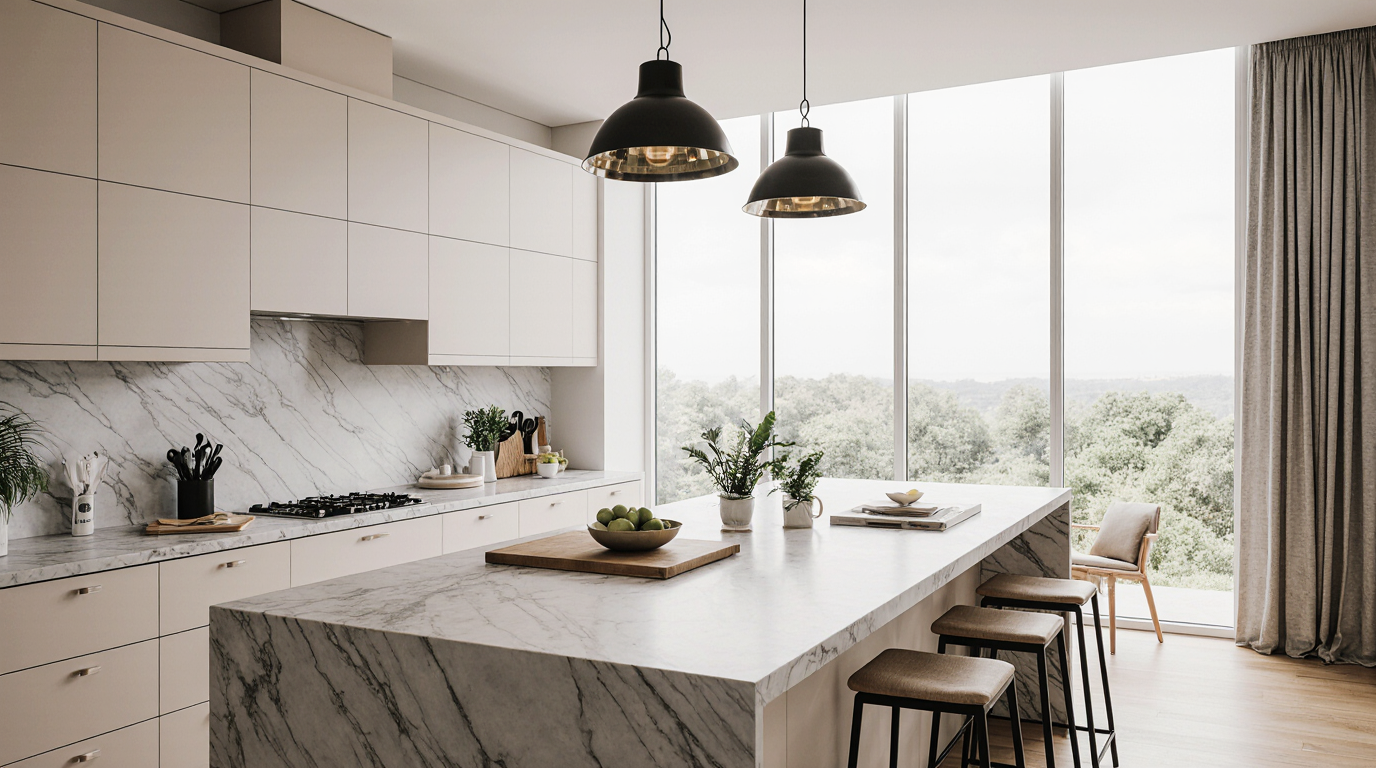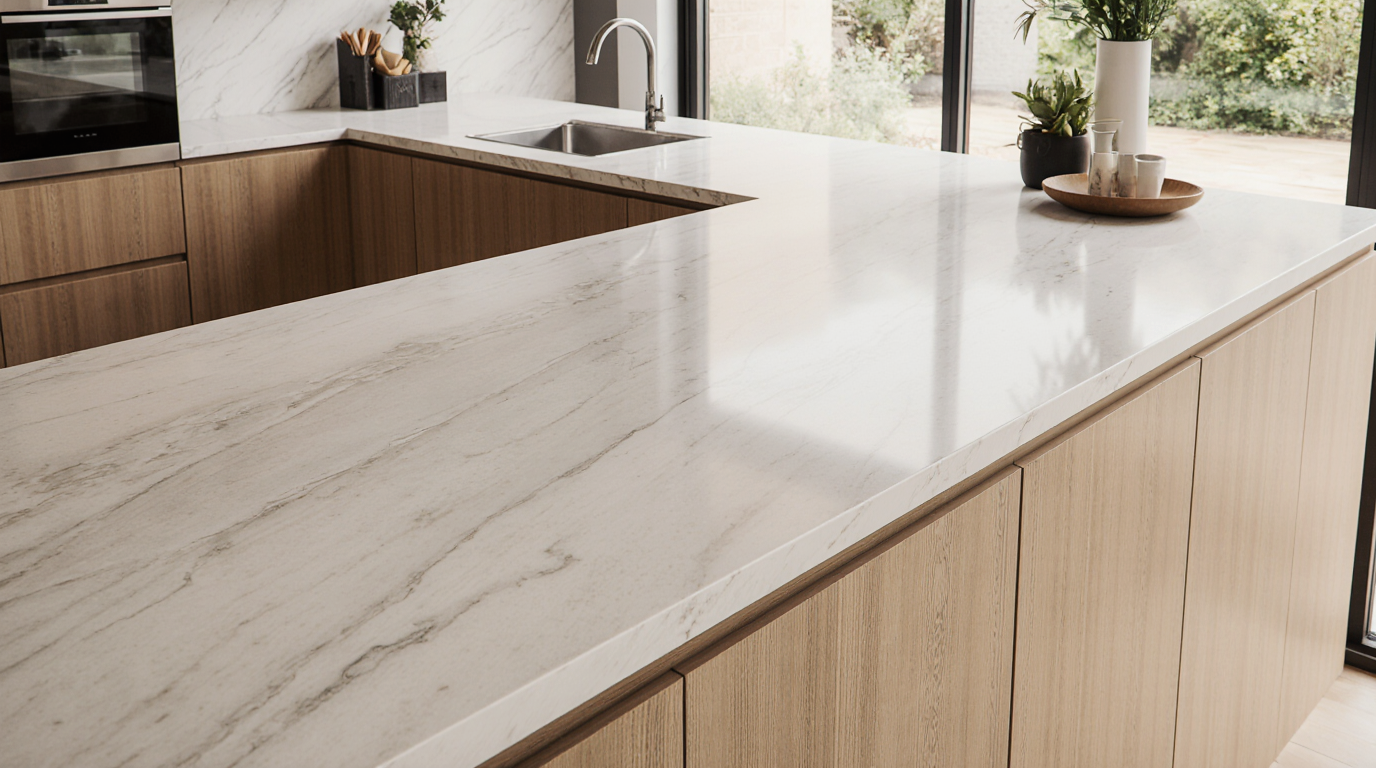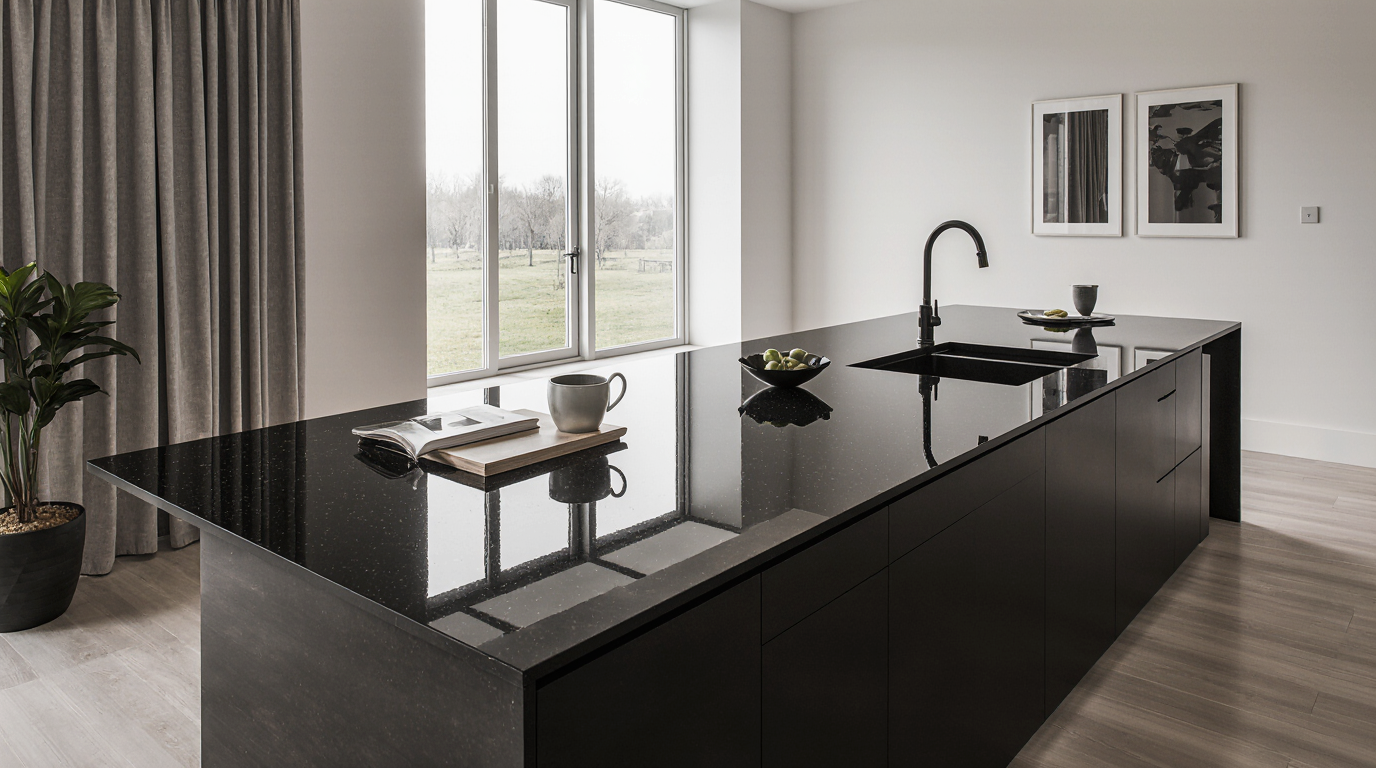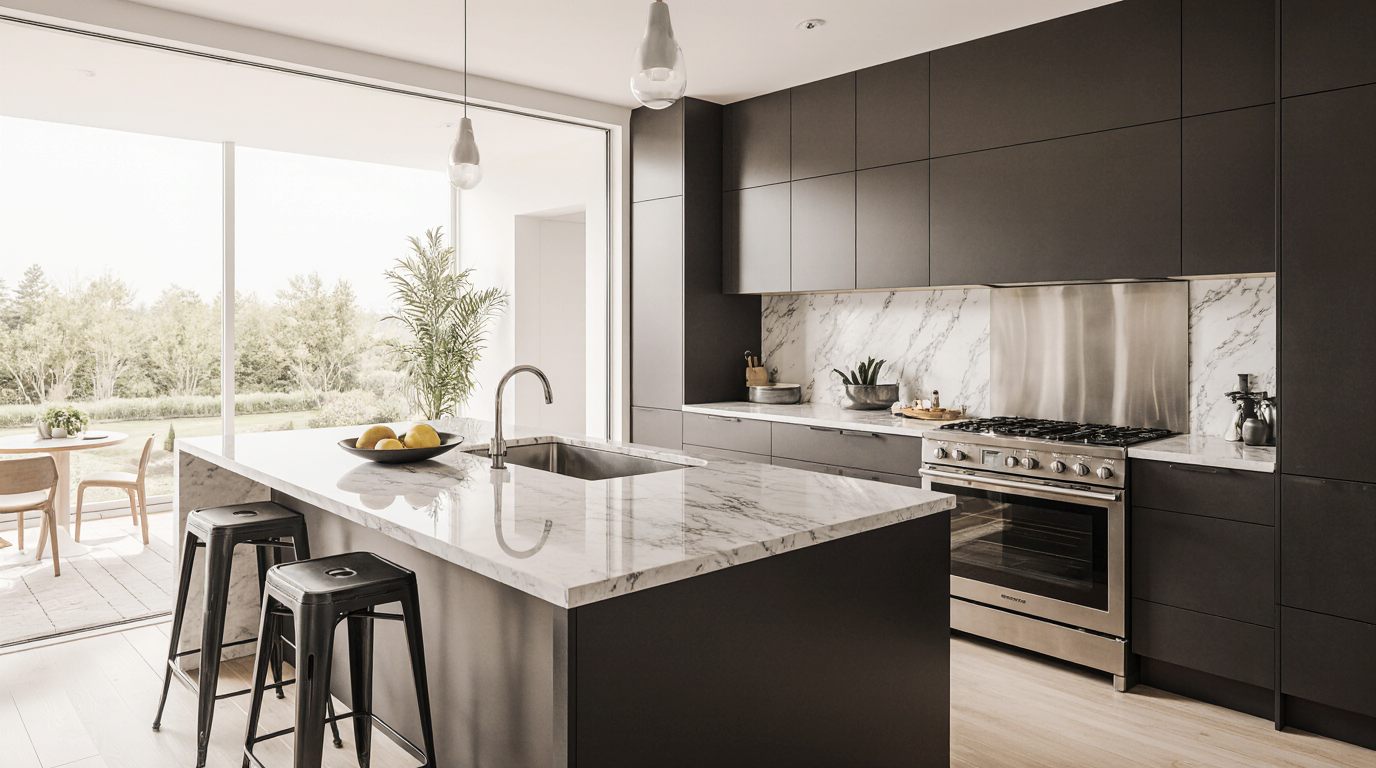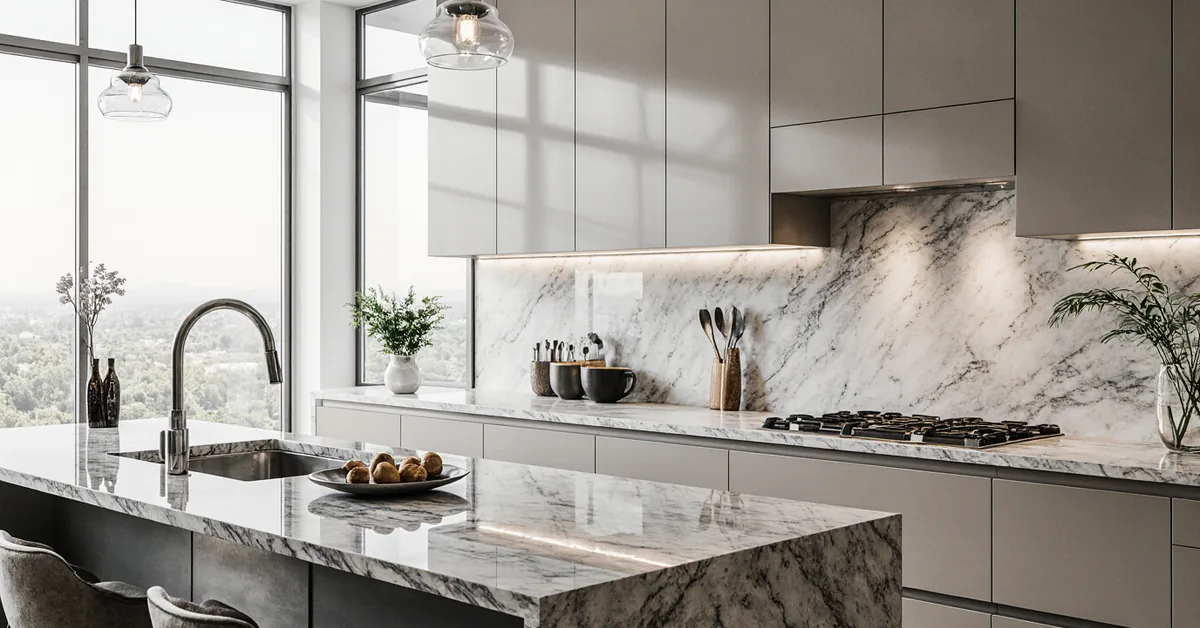
I recall standing in a stunning Lido Key home just two years after a major kitchen renovation. The owner pointed to the island worktop, a beautiful, dark-veined marble that was the star of the space. But under the intense light from the floor-to-ceiling windows facing the Gulf, the surface was already showing subtle but irreversible etching and a loss of luster. The problem wasn't a bad installation; it was a material choice completely at odds with the high-UV, salt-air environment. That scene is a common one in Sarasota, where aesthetics often override the harsh realities of our coastal climate.
Executive Summary for Sarasota Worktop Selection
From my direct experience executing projects from Palmer Ranch to the barrier islands, the single most critical factor
From my direct experience executing projects from Palmer Ranch to the barrier islands, the single most critical factor in worktop selection in Sarasota is not the price or the color, but the material's non-porosity and UV stability. The combination of intense sunlight, humidity, and salt in the air creates a uniquely aggressive environment. A worktop that performs beautifully in a northern city can fail spectacularly here, leading to staining, fading, and etching in a fraction of its expected lifespan.
- Climate Resistance is Non-Negotiable: Materials must resist moisture absorption, UV fading, and salt-air corrosion.
- HOA Pre-Approval is Common: In communities like Lakewood Ranch, exterior worktops for outdoor kitchens require design review board approval, which can add 4-6 weeks to your timeline.
- Engineered Materials Often Outperform Natural Stone: High-quality quartz and sintered stone provide superior durability in this climate compared to many porous natural stones like marble or certain granites.
- Installation Method Matters: Proper sealing of substrates and use of marine-grade adhesives are critical, especially in homes near the water, to prevent delamination and moisture damage.
The Planning Failures That Compromise Worktop Longevity
The most common mistakes I see are not in the execution but in the initial planning phase, long before a slab is ever cut. Homeowners fall in love with a look they saw online or in a magazine, not realizing the photo was taken in a completely different climate. The focus on short-term savings with seemingly cheap worktops or purely aesthetic choices leads to long-term disappointment and replacement costs.
The Most Expensive Failure: Underestimating UV Impact
The costliest mistake is choosing a worktop with low UV resistance for a kitchen bathed in natural light, a hallmark of Sarasota architecture. I worked with a client in a bayfront condo whose deep black granite worktop looked faded and almost greyish within three years near the large sliding glass doors. The resins and polymers in some darker engineered stones and even the sealers on natural stone can degrade under constant, direct sun exposure. The fix isn't a simple polish; it's a complete, disruptive, and expensive replacement. This is a five-figure mistake driven by a failure to ask one simple question: “How will this specific material hold up to 10 years of direct Florida sun?”
How Worktop Projects Unfold in Sarasota
A worktop installation here is more than just templating and cutting stone; it's a process that must account for local logistics and environmental factors. The project begins with a material consultation that should heavily focus on performance characteristics. Once a material is selected, a precise digital template is created on-site. The fabrication happens off-site, and installation is typically completed in a single day, but the preparation and material choice are what dictate the project's success.
Selection Criteria for Sarasota Homeowners
When I consult with clients, I steer them away from generic advice and toward a checklist tailored for our specific environment. Your selection process should be guided by performance metrics, not just samples under showroom lights.
- Verify UV Stability Ratings: Ask the supplier for documentation on the material's UV resistance, especially for dark colors like a popular black worktop or any surface near a large window.
- Check Porosity Levels: For natural stone, insist on understanding its porosity. A simple water test on a sample—seeing how quickly a drop of water absorbs—can be revealing. For Sarasota, lower porosity is always better.
- Consider Outdoor Kitchen Use: If the worktop is for an outdoor kitchen, it must be rated for exterior use. Sintered stone (like Dekton) or specific granites are often the only viable options that won't fail from thermal shock or UV degradation.
- Factor in Salt-Air Resistance: For homes on the keys (Siesta, Lido, Longboat), confirm the material and any integrated metal components (like sinks) are resistant to salt-air corrosion. 316-grade stainless steel is the standard.
Comparing Worktop Materials for the Coastal Environment
The choice of material has direct implications for maintenance, lifespan, and resale value in the Sarasota market. A beautiful but high-maintenance worktop can be a liability to potential buyers who understand the local climate. The following table compares common choices based on criteria that matter here.
| Material | UV & Fade Resistance | Stain & Acid Resistance | Maintenance Level in Sarasota |
|---|---|---|---|
| Quartz (Engineered Stone) | Good to Excellent (Varies by brand/color) | Excellent (Non-porous) | Low (No sealing required) |
| Granite (Natural Stone) | Excellent | Good (Requires sealing) | Medium (Annual sealing is a must) |
| Sintered Stone (e.g., Dekton) | Excellent (Highest rating) | Excellent (Virtually non-porous) | Very Low (Resists thermal shock) |
| Marble (Natural Stone) | Good | Poor (Etches easily) | High (Frequent sealing, very careful use) |
When a Natural Stone Worktop Is a Mistake
A natural stone like marble is simply not the right choice for a high-use family kitchen in Sarasota, especially for a large island worktop that will see daily use. I had a client who insisted on Carrara marble despite the warnings. They loved the look but grew to resent the constant vigilance required to prevent stains from citrus, wine, or coffee. Within a year, the surface was covered in faint etches, or “ghost rings.” For homeowners who prioritize low-maintenance living—a major draw for retiring to Florida—the daily stress of protecting a delicate surface outweighs its aesthetic appeal.
A Safe Hiring and Installation Checklist
Choosing the right installer is as important as choosing the right material. A great slab can be ruined by poor fabrication or installation that doesn't account for our humid environment. Before signing a contract, verify the following points to protect your investment.
- Confirm Their Insurance and Licensing: Verify they hold a current license with Sarasota County and carry adequate general liability and workers' compensation insurance.
- Ask About Seam Strategy: For large kitchens or island worktops, ask to see a digital layout of how the slabs will be seamed. A good fabricator uses software to match veining and minimize seam visibility.
- Inquire About Substrate Sealing: In our humid climate, the plywood or MDF sub-top must be sealed against moisture. Ask what product they use; a marine-grade sealant is best practice.
- Review Their Warranty on Installation: The warranty should cover not just the material (which is from the manufacturer) but the installation itself, specifically addressing issues like seam separation. A one-year installation warranty is standard.
- Check Florida Building Code Compliance: For outdoor kitchens or structural elements, ensure the installer is familiar with the wind-load and anchoring requirements of the Florida Building Code, which are strictly enforced in coastal areas.
- Request Local References: Ask for references from projects completed in Sarasota within the last two years, preferably in a neighborhood with similar environmental exposure to yours.
Decisions That Determine a Successful Outcome
The difference between a worktop that looks great on day one and one that looks great in year ten comes down to a few critical decisions made at the very beginning. My experience has shown that clients who prioritize long-term performance over short-term trends are always happier with the result. A worktop is a functional, long-term part of your home's infrastructure, not a decorative item to be swapped out easily.
The Exact Moment the Majority Gets It Wrong
The critical mistake happens in the showroom. Clients are presented with a small, 4x4 inch sample under artificial lighting. They make a multi-thousand-dollar decision based on this tiny, unrepresentative piece. You must view the full slab, outdoors, in natural sunlight. This is the only way to see the true color, the full pattern of the veining, and any potential fissures or imperfections. I insist that my clients visit the slab yard personally. It's an extra step, but it has prevented countless cases of post-installation regret when the final island worktop looks nothing like the small sample they approved.
Practical Answers About Worktop Projects in Sarasota
Navigating a worktop project involves more than design choices. It means dealing with local logistics, building codes, and community regulations that can impact your timeline and budget. Here are the answers to common operational hurdles I help clients overcome.
How Do HOA Rules in Lakewood Ranch Impact My Project?
For any exterior work, such as an outdoor kitchen worktop, the Lakewood Ranch Design Review Committee (or a similar body in other master-planned communities) requires a formal submission and approval. This process typically takes 30 days but can extend longer. Your application must include material samples, color specifications, and a site plan. Starting work without this approval can result in a stop-work order and fines. I always build this approval period into the project timeline from day one.
What Are the Permit Requirements for a Kitchen Remodel?
A simple worktop replacement typically does not require a permit from the Sarasota County Building Department. However, if your project involves moving plumbing (like a sink in an island), electrical outlets, or gas lines, a permit is absolutely required. Pulling the correct permit ensures the work is inspected and compliant with the Florida Building Code, which is crucial for safety and for your homeowner's insurance policy. A reputable contractor will handle this process for you.
Why is a Templating Appointment So Critical?
The templating is the final measurement before the expensive material is cut. Your cabinets must be fully and permanently installed before this happens. All appliances, including the sink, faucet, and cooktop, must be on-site. The templator will confirm overhangs, corner radii, and support requirements for large spans, like on an island. Any changes made after the template is created will likely result in significant costs and delays. It is the point of no return in the fabrication process.