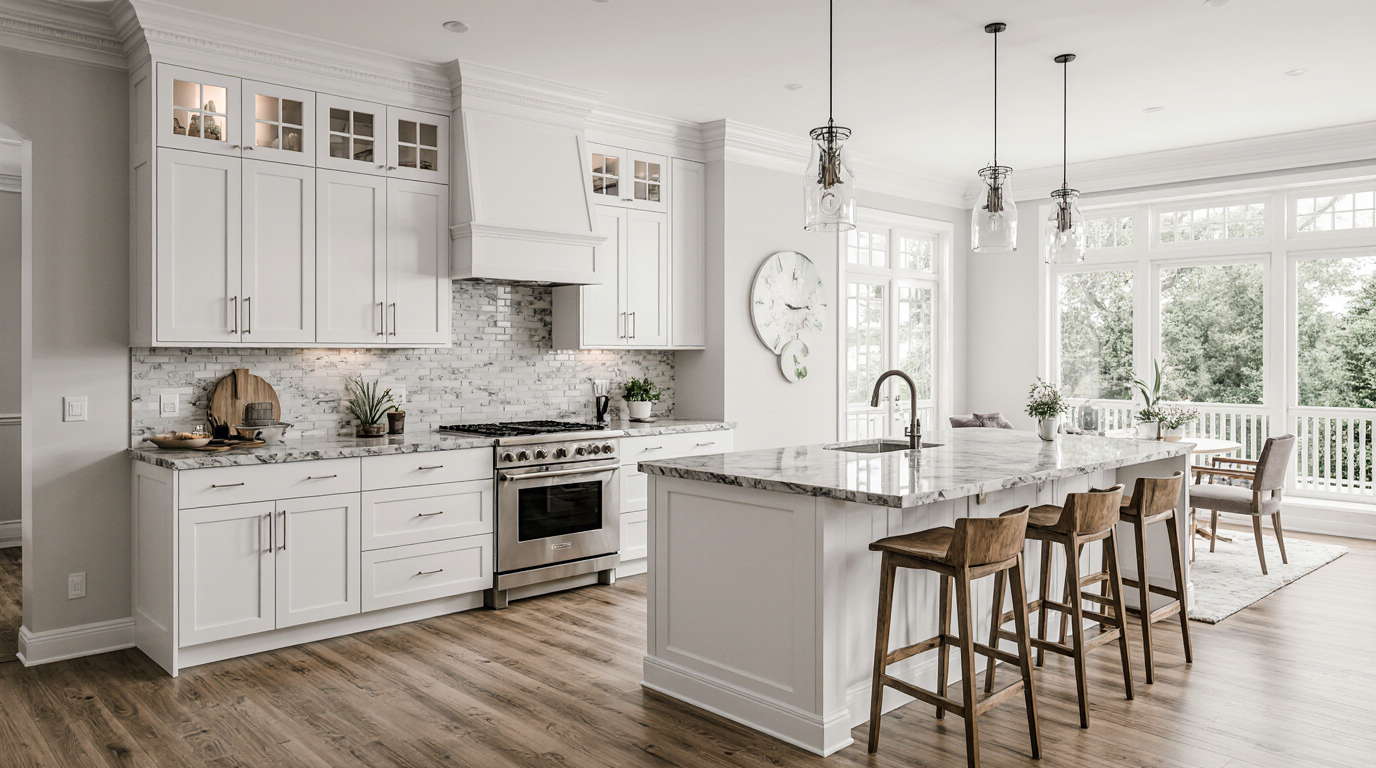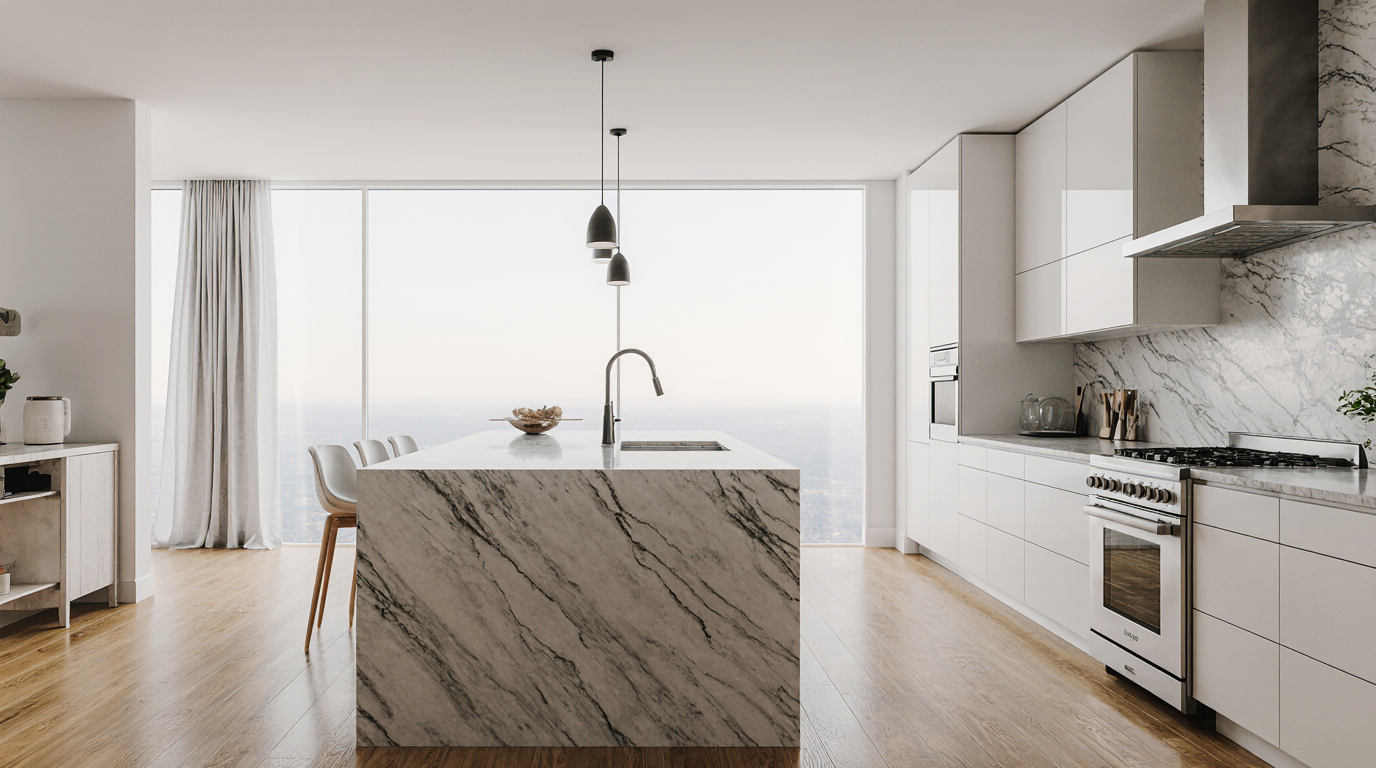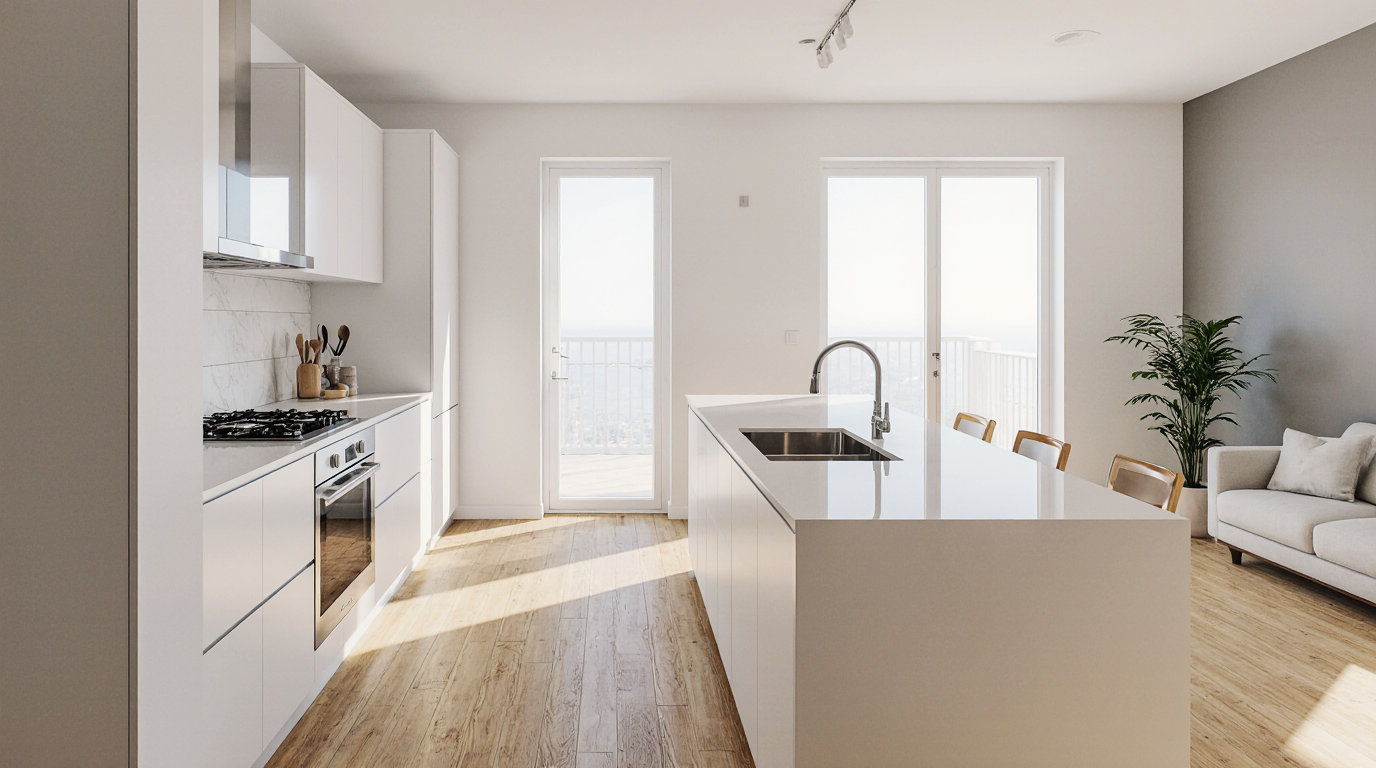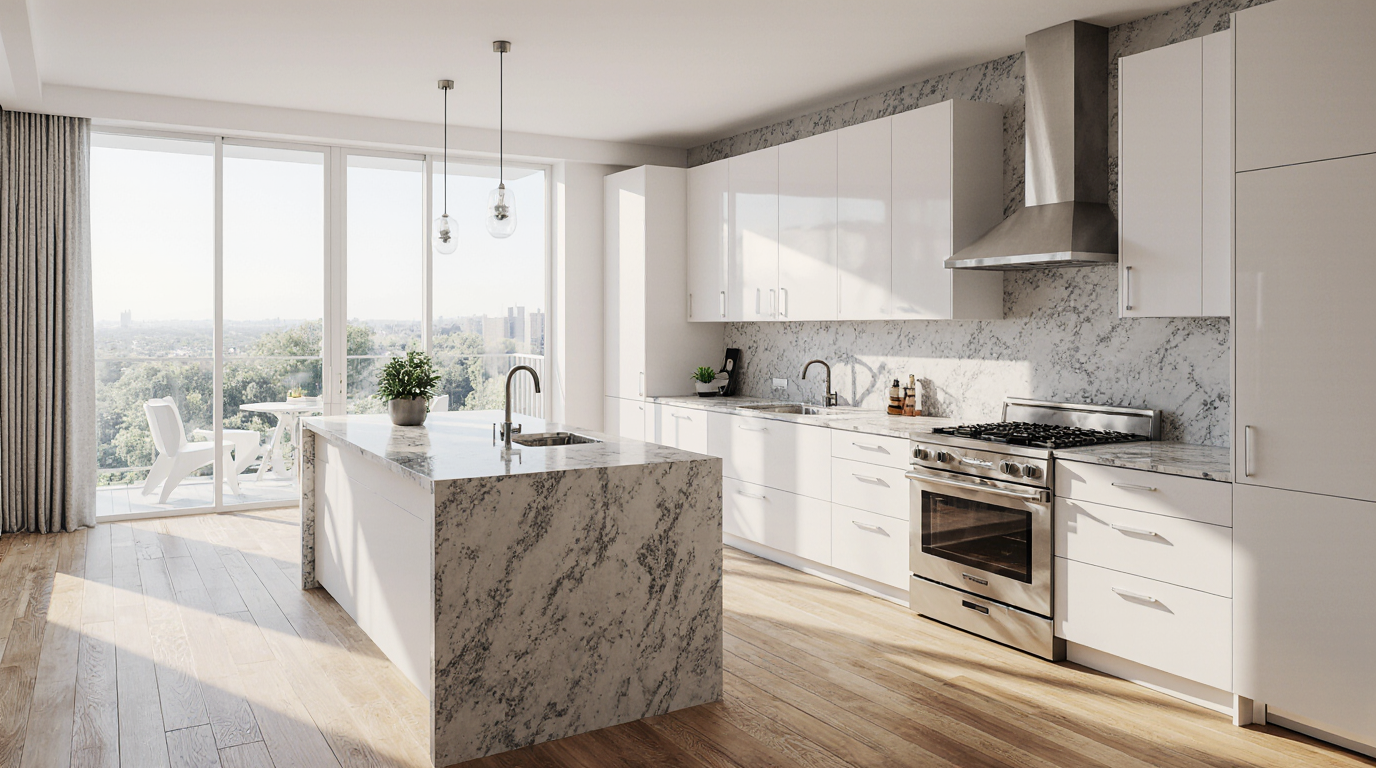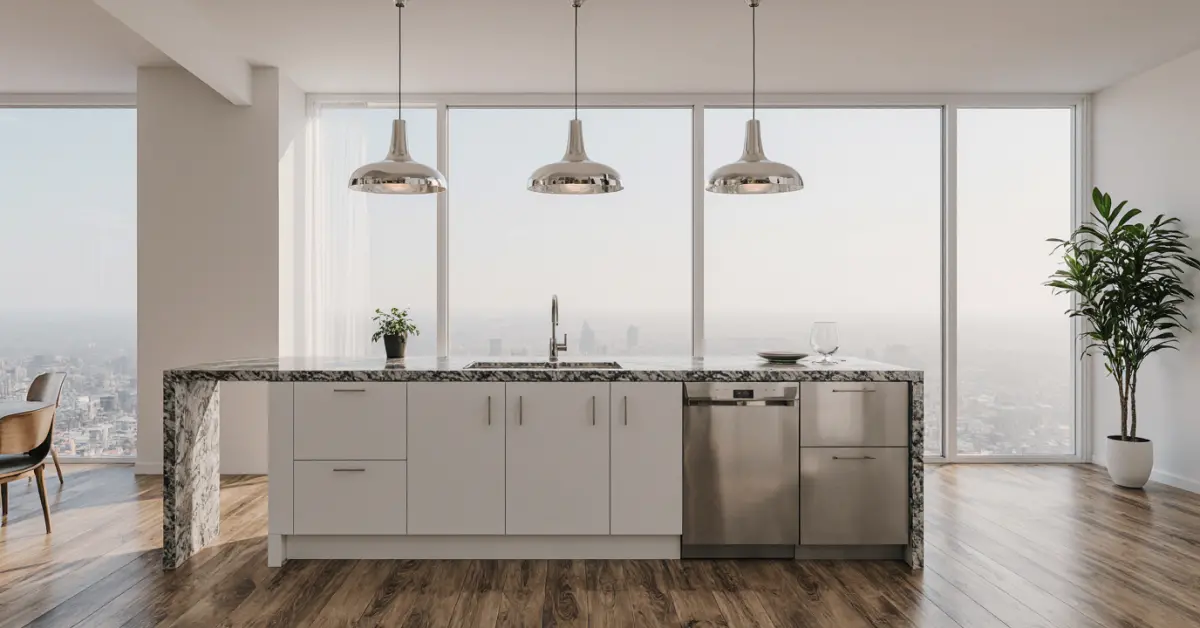
Why do some of the most striking white modern kitchens in Sarasota begin to look dated within five years, despite a significant investment? It’s rarely the design. More often, it's a failure to account for one insidious factor: the relentless, moisture-laden Gulf Coast air. The sleek, seamless look that defines modernism is the first thing to fail when materials are chosen for aesthetics over resilience to our specific climate.
Executive Summary: The Sarasota Approach to Modern White Kitchens
From my direct experience executing high-end kitchen projects in Sarasota, achieving a lasting modern white kitchen is
From my direct experience executing high-end kitchen projects in Sarasota, achieving a lasting modern white kitchen is less about the shade of white and more about the technical specification of the materials. The humidity, intense UV light, and salt air are not minor considerations; they are the primary factors that should dictate your choices from the cabinet box to the hardware. A successful project hinges on anticipating how these environmental pressures will interact with your chosen finishes over time.
- Material Core is Non-Negotiable: Standard medium-density fiberboard (MDF) is inadequate. Marine-grade plywood or high-density furniture board is the baseline for cabinet boxes to prevent swelling and delamination.
- Finish Technology Matters: Not all white finishes are equal. The critical differentiator is a factory-applied, UV-cured finish, which provides superior resistance to yellowing compared to site-sprayed lacquers.
- Hardware Specification: Stainless steel, specifically 316 grade, or specially coated hardware is essential for homes on or near the barrier islands like Siesta Key or Longboat Key to prevent pitting and corrosion.
- Ventilation and Integration: The most beautiful modern kitchen will fail if not supported by adequate mechanical ventilation. Integrating this into the design from day one is crucial for managing interior humidity levels.
The Planning Failures That Compromise a Modern Aesthetic
The biggest missteps happen long before the first cabinet is ordered. In the pursuit of a clean, minimalist look, homeowners often prioritize the visible elements—the door style and sheen level—while under-specifying the foundational components. This oversight is where future problems are born, especially in a place like Sarasota where the environment is unforgiving.
The Most Expensive Failure: Ignoring Humidity's Impact on Finishes
The pattern I’ve observed is that clients fall in love with a specific high-gloss or matte white finish they saw in a national magazine or showroom in a different climate. The most costly mistake is assuming a finish will perform the same in a Sarasota home as it does in a dry climate. I’ve been called in to assess kitchens where high-gloss acrylic doors, improperly sealed at the edges, have begun to delaminate within three years because moisture penetrated the substrate. The fix is not a repair; it’s a full replacement of all door and drawer fronts, a devastating and entirely avoidable expense.
How a Resilient Modern Kitchen Comes Together in Practice
Executing a modern white kitchen in Sarasota is a multi-stage process that must align design intent with robust technical requirements. It begins with a deep analysis of the home's specific location and environmental exposure and ends with an installation that accounts for local building codes, particularly those related to wind loads in coastal construction.
Selection Criteria for Sarasota Homeowners
When evaluating cabinet suppliers or custom builders, the conversation must quickly move beyond aesthetics. The right questions will reveal if they truly understand the local challenges.
- Substrate Guarantees: Ask for specific details on the cabinet box and door core materials. Vague terms like “engineered wood” are a red flag. Insist on specifications like “NAUF marine-grade plywood” or a specific brand of high-performance composite panel.
- Finish Warranty Against Yellowing: A reputable manufacturer offering products suitable for our climate will provide a specific warranty against color shifting from UV exposure. A 5-year warranty is a reasonable minimum to expect.
- HOA Submission Experience: In communities like The Founders Club or Lakewood Ranch, the design review board process can be meticulous. An experienced partner will have a portfolio of approved projects and know how to prepare submission packages, a process that can add 30-60 days to the project timeline if not handled correctly.
- Coastal Installation Protocols: For homes in a High-Velocity Hurricane Zone (HVHZ), which includes much of Sarasota's coastal area, cabinets (especially tall pantries and upper units) require specific anchoring to meet Florida Building Code. The installer must be familiar with these enhanced fastening schedules.
Comparison with Alternative Kitchen Styles
A modern white kitchen is a specific choice with distinct advantages and disadvantages in our environment. While it offers a bright, open feel perfect for Florida living, it demands a higher level of material specification compared to other styles where material imperfections might be more forgiving.
| Feature | Modern White Kitchen | Natural Wood Shaker Kitchen | Painted Traditional Kitchen |
|---|---|---|---|
| Humidity Resistance | High (if using high-end laminates/thermofoil/UV-cured finishes on stable substrate) | Moderate (wood expands/contracts; requires expert finishing) | Low to Moderate (prone to hairline cracks at joints) |
| UV/Sunlight Fading | High risk of yellowing with inferior finishes; low risk with quality UV-cured products | High risk of fading/darkening depending on wood species and stain | Moderate risk of fading; high-quality pigments are essential |
| Maintenance | Easy to clean surfaces, but shows every smudge. Scratches on high-gloss are difficult to repair. | Hides dirt better, but cleaning wood grain can be more involved. Easier to touch up. | Requires regular cleaning; chips and cracks at joints are common and require touch-ups. |
When a Modern White Kitchen Is Not the Right Choice
I advise against a high-gloss white modern kitchen for families with young children or in a home that functions as a high-traffic vacation rental. The pristine, monolithic surfaces are unforgiving—they highlight every fingerprint, scratch, and ding. In these scenarios, a satin or matte white finish is more practical, or even a textured white laminate that offers greater durability and hides minor imperfections more effectively. The style is achievable, but the specific finish needs to match the reality of its use.
Safe Hiring and Specification Checklist
Ensuring your investment is protected involves a detailed verification process. The visual appeal of a showroom or portfolio is only the starting point. Due diligence must focus on the technical and logistical capabilities of your chosen partner.
- Verify the cabinet manufacturer’s written warranty, specifically clauses related to finish stability and delamination in high-humidity zones.
- Request a sample door and leave it in your non-air-conditioned garage for a week during the summer. This is a crude but effective test of its stability.
- Confirm their familiarity with the Sarasota County permitting process for kitchen remodels, which can involve electrical and plumbing permits even if walls are not moved. A typical permit review can take 2-4 weeks.
- Ask for references from at least two projects completed on a barrier island (e.g., Lido Key, Siesta Key) and inquire specifically about hardware performance over time.
- Ensure the contract specifies the exact materials: brand and grade of plywood, finish type (e.g., “UV-cured acrylic”), and hardware material (e.g., “316 stainless steel”).
- Check their Certificate of Insurance to ensure it meets the minimum liability requirements of your condominium or homeowners association, which can often be $1 million or more.
Decisions That Determine the Final Outcome
Two clients can start with the same budget and the same vision for a modern white kitchen, yet end up with vastly different results. The divergence happens at key decision points where one prioritizes long-term performance and the other focuses on short-term aesthetics or cost savings. The outcome is almost always predictable.
The Exact Moment the Majority Gets It Wrong
The critical error occurs during the material selection phase. After settling on a budget, most people are shown a range of white door styles and they choose based on look and feel. The correct approach is to first establish your non-negotiable technical standard based on your home's location, and only then look at styles that meet it. For instance, a client with a condo on Golden Gate Point should begin by saying, “Show me only the options with a marine-grade substrate and a UV-cured, warrantied finish.” This immediately filters out 70% of the standard options but guarantees the final selection will survive the environment. It feels restrictive, but it's the only way to ensure longevity.
Practical Answers About Kitchen Projects in Sarasota
Navigating a kitchen renovation here involves more than design and material choices. It requires an understanding of local regulations, building practices, and the unique challenges posed by our community structures and coastal environment.
Condo Association vs. City Permitting: Who Has Final Say?
In a high-rise on Longboat Key or downtown Sarasota, your Condo Association's Design Review Committee is often a tougher gatekeeper than the city's building department. They have specific rules about working hours, debris removal, contractor parking, and even the types of underlayment for flooring. Their approval is required before you can even apply for a city permit, and their review can add weeks to your project timeline. Always secure the association's guidelines first.
Impact of Florida's Wind Mitigation Codes on Cabinet Installation
The Florida Building Code has stringent requirements for how elements are secured to the structure, especially in coastal areas. While it primarily applies to windows and doors, the principle extends to heavy, built-in elements. Upper cabinets and tall pantry units must be secured directly to wall studs with appropriate fasteners, not just drywall anchors. This can influence your kitchen layout, as a long, uninterrupted bank of upper cabinets needs adequate structural support behind it.
The Hidden Cost of 'Value Engineering' White Finishes
When a quote comes in high, a common suggestion is to “value engineer” the finishes. For a modern white kitchen, this often means swapping a German or Italian high-gloss laminate for a domestic thermofoil or a site-painted finish. While this might save 15-20% on the cabinet cost upfront, I’ve seen these lower-cost alternatives peel or yellow in the Sarasota sun within a few years. The long-term cost of replacement far outweighs the initial savings, making it a poor economic decision for a permanent residence.