Washer Dryer Closet Ideas: Maximizing Space and Style in Your Laundry Area
Transforming your laundry space into a functional and visually appealing area starts with clever washer dryer closet ideas. By carefully integrating the washer and dryer into a purpose-built closet, homeowners gain both practical organization and a polished, stylish look. A strategically planned closet accommodates laundry appliances while keeping clutter out of sight, combining utility and elegance. Effective washer dryer closets harmonize design, usability, and organization, giving homeowners both beauty and efficiency.
One of the most popular trends in laundry room design involves custom cabinetry that surrounds the washer and dryer. The cabinets cleverly conceal soaps, sprays, and laundry bins while contributing to a cohesive, minimalist aesthetic. By choosing cabinetry that complements the rest of your home décor, you transform what might otherwise be a utilitarian space into a sophisticated focal point. Neutral palettes offer flexibility and timelessness, while statement hardware injects character and flair.
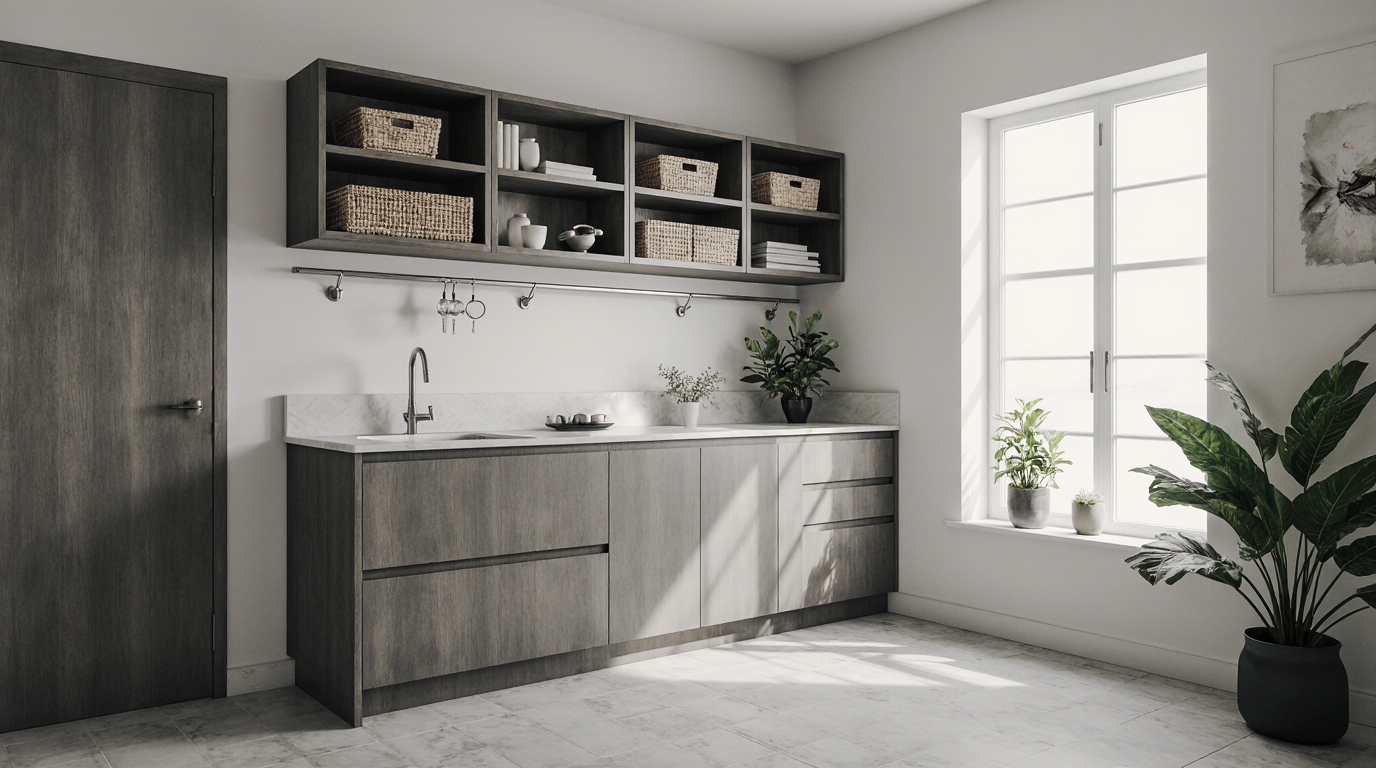
Vertical organization strategies play a crucial role in creating practical and visually appealing laundry closets. Overhead storage accommodates seasonal or bulk items, keeping them accessible yet out of the way. Adjustable shelves allow flexibility to accommodate items of different sizes, while open shelving can display decorative baskets or labeled containers for a cohesive, stylish appearance. This approach maximizes storage potential while keeping the laundry closet functional and visually uncluttered, a hallmark of smart interior design.
In smaller living spaces, sliding closet doors offer an efficient alternative to swinging doors. Unlike swinging doors that require clearance, sliding closet doors provide easy access to your washer and dryer without intruding into the surrounding area. Frosted glass panels or louvered doors can add a decorative element while maintaining privacy and hiding the appliances when not in use. Aligning the door finishes with surrounding spaces guarantees continuity and elevates the overall interior harmony.
Thoughtfully planned lighting enhances usability and aesthetics in any laundry area. Adequate illumination ensures that laundry tasks can be completed efficiently while also enhancing the ambiance of the space. Layering ceiling and under-shelf lighting emphasizes design features, enhances visibility, and enlarges the perceived space. Focused lighting over counters or folding stations ensures precision and convenience in handling laundry chores.
Installing a surface over laundry machines transforms the area into a multifunctional workspace without compromising style. The countertop doubles as a functional platform for folding, organizing, or sorting clothes. Using high-quality, durable surfaces protects against wear while complementing the design aesthetic. Continuous countertops visually unify elements, producing a harmonious and stylish laundry environment.
Adding versatile storage components transforms the laundry area into a highly organized and multi-purpose space. Integrating hidden hampers, fold-away ironing stations, and adjustable rods ensures the closet meets diverse laundry needs. These innovations allow you to perform multiple tasks within a single area, reducing clutter and streamlining the laundry process. A thoughtfully designed closet can even include specialized compartments for shoes, cleaning tools, or pet accessories, making it a versatile addition to the home.
Designer-inspired materials and accents transform a simple laundry area into a refined, elegant space. Matte black knobs, brushed brass pulls, or sleek stainless steel accents can elevate a simple laundry closet into a designer-inspired feature. Similarly, incorporating decorative backsplash tiles or wallpaper behind the appliances adds personality while protecting surfaces from water and detergent splashes. These details, though subtle, reflect a deliberate approach to high-end bathroom and laundry design, emphasizing both beauty and practicality.
Minimizing sound elevates comfort and usability in laundry spaces. Soundproofing measures like padded panels or acoustic doors reduce vibration noise. Rubberized mats under the appliances minimize vibration and reduce noise transfer, an important factor in multi-story homes or apartments. Thoughtful sound and vibration solutions transform laundry closets into comfortable, stress-free zones.
Proper airflow and humidity management are critical to maintain appliance longevity and interior integrity. Adequate airflow prevents mold and mildew, ensuring longevity for both the appliances and the surrounding cabinetry. A combination of fans, ventilation gaps, and waterproof materials ensures long-term durability and hygiene. Addressing technical needs ensures the laundry closet remains robust, efficient, and high-performing.
Color and texture choices significantly impact the perception of space in a laundry closet. Neutral backgrounds increase perceived space, while striking details add character and contrast. Matte finishes reduce glare and fingerprints, maintaining a polished look even with heavy daily use. Combining diverse materials creates tactile richness and design intrigue, elevating even compact spaces.
A well-planned laundry closet aligns harmoniously with the home’s architectural and interior style. Strategic placement ensures the closet feels like a natural extension of the home’s layout. Cohesive materials, matching trim, and thoughtful placement of appliances ensure the closet complements its surroundings while meeting all practical needs. With intentional planning and execution, even small laundry closets can combine style, comfort, and practicality seamlessly.
Following these design approaches transforms laundry closets into efficient, beautiful, and user-friendly spaces. Attention to every component, including materials, layout, and visual accents, elevates even the most modest laundry area. With attention to design, organization, and material quality, even a modest laundry area can become a sophisticated, efficient, and enjoyable part of your home, demonstrating that practical spaces can also reflect thoughtful interior design.