Laundry Closet Makeover: Advanced Strategies for Style and Practicality
Turning a laundry room closet into a highly functional yet visually appealing area is a meticulous process involving inventive storage ideas and thoughtful design principles. Careful planning of your laundry closet amplifies both usability and the satisfaction of maintaining household linens. Whether your space is compact or generous, the goal is to seamlessly integrate storage, appliances, and utility without compromising on style or accessibility. Smart utilization of vertical space is a cornerstone strategy in designing efficient and visually pleasing laundry closets. Installing full-height cabinets provides room for open shelving, concealed storage, and hanging racks, keeping essentials organized and within reach. The use of adjustable shelving adds flexibility, allowing the closet to adapt to changing needs, whether it’s accommodating bulkier items or seasonal linens.
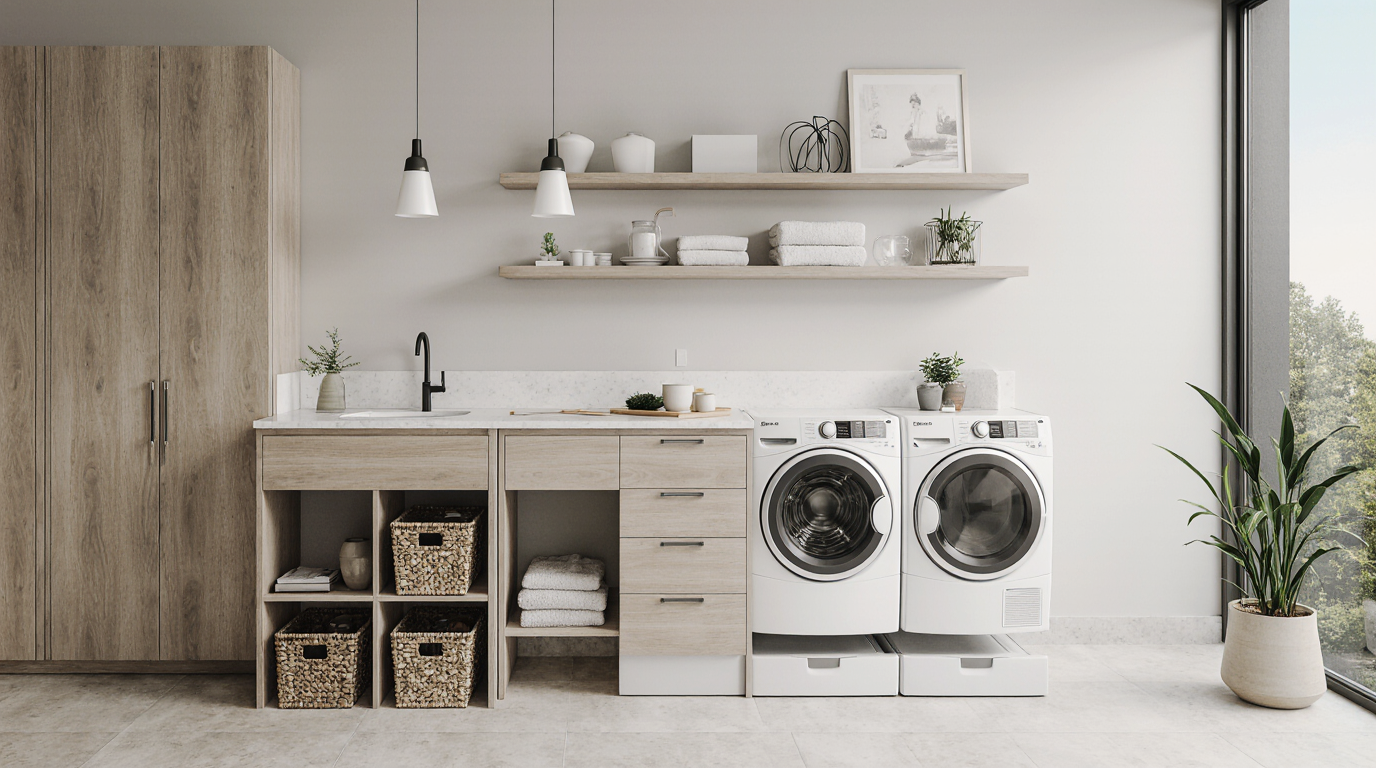
Strategically arranging a laundry closet can dramatically enhance its functionality. For instance, positioning the washer and dryer side by side creates a continuous work surface, ideal for folding clothes immediately after washing. On the other hand, stacking appliances is a smart solution for tight spaces, freeing up room for additional cabinetry or a built-in ironing station. Pull-out hampers and concealed bins are often suggested by professionals to maintain a tidy, efficient closet. Concealed hampers ensure dirty laundry stays out of sight, enhancing both tidiness and visual appeal. Tailored cabinets allow for precise use of available space, accommodating appliances while maintaining a seamless aesthetic.
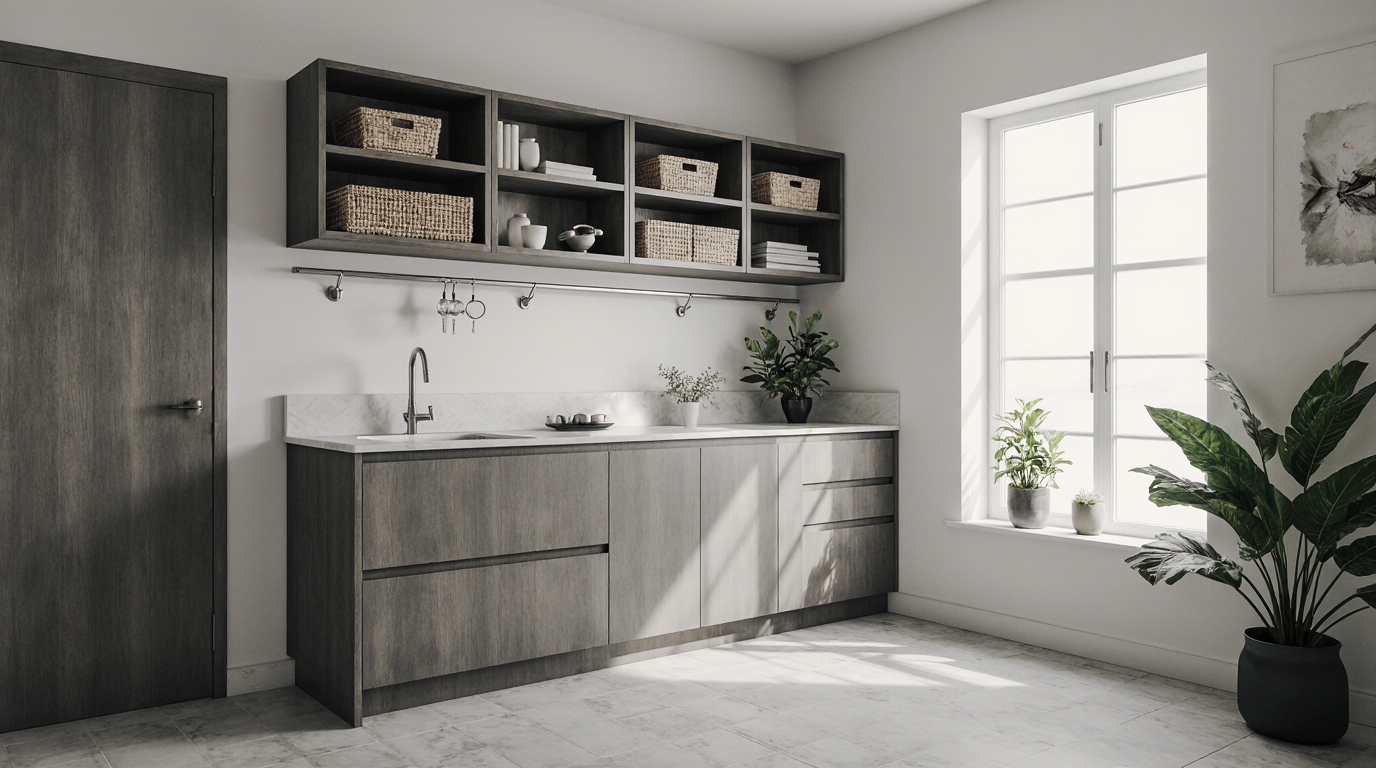
Adding a multi-use surface above appliances provides practical workspace and design cohesion. High-quality surfaces allow for multiple tasks including folding, pre-treating laundry, and categorizing clothing efficiently. Materials like quartz or laminate are particularly recommended for their resistance to moisture and stains, ensuring longevity even in a high-use environment. Countertop sinks enhance functionality, providing convenient washing and pre-treatment zones for a variety of fabrics. Illumination plays a crucial role in ensuring the space is usable, welcoming, and visually appealing. LED strip lighting under shelves or above counters ensures visibility in every corner, reducing errors like missing socks or misplaced detergent, while also highlighting the design elements of the cabinetry.
Implementing inventive storage strategies enhances usability and elevates design. Adjustable rods facilitate immediate hanging, preserving the shape of delicate fabrics post-wash. Wire baskets or clear bins offer visibility of contents, making it easy to access cleaning supplies or seasonal linens. Sliding or folding panels hide mess without disrupting the aesthetic flow. Utilizing discreet compartments, magnetic racks, and hanging systems makes the most of limited space. Mixing exposed and concealed storage achieves both functionality and elegance.
Choosing colors and materials strategically enhances both style and practicality. Light-colored cabinetry and walls can make the space feel larger and more welcoming, while darker tones add a sense of luxury and sophistication. Many designers recommend moisture-resistant finishes to prevent warping or damage due to high humidity levels common in laundry areas. Natural finishes provide depth, elegance, and visual interest in the design. Tiles, patterned floors, or accent walls contribute style without compromising workspace usability. Hardware choices tie together visual themes and add subtle sophistication.
Efficient laundry room closet design also considers the workflow and ergonomics of the space. Smart placement of drawers and shelves reduces strain and increases convenience. Close-proximity folding areas streamline tasks and workflow. Concealed ironing boards optimize space and keep the closet sleek. Proper airflow preserves materials, prevents odor, and maintains comfort. Ventilation systems such as fans or louvers promote circulation while remaining unobtrusive.
Another element that elevates the functionality of a laundry closet is the integration of smart appliances and technology. Connected appliances enable remote operation, cycle optimization, and progress alerts. Sensor-activated systems enhance sustainability and user-friendliness. Some homeowners incorporate smart storage solutions, such as labeled bins or automated dispensers for detergent and softeners, ensuring every item has its designated place and simplifying daily routines. Integrating smart devices with design customization creates a highly functional, stylish, and future-ready space.
Designing a laundry room closet that blends seamlessly with the aesthetic of your home requires attention to detail and a clear understanding of both practical needs and visual impact. Coordinating cabinetry with adjacent bathroom or hallway finishes maintains continuity and cohesion throughout the living space. Shelving showcases attractive items, while concealed storage hides clutter. Reflective surfaces enhance brightness and expand perceived dimensions. Waterproof, durable flooring materials support daily use and maintain aesthetic consistency.
Strategic design converts laundry chores into an orderly, enjoyable, and practical experience. Integrated design elements ensure the closet is efficient, user-friendly, and stylish. Optimizing vertical storage, flexible counters, hidden features, and ergonomic solutions harmonizes practicality with elegance. Incorporating technology and modern appliances adds convenience and efficiency, while careful attention to color, materials, and finishes elevates the design to a professional standard. Ultimately, this methodology produces an organized, elegant, and user-friendly laundry closet that enhances the daily routine.