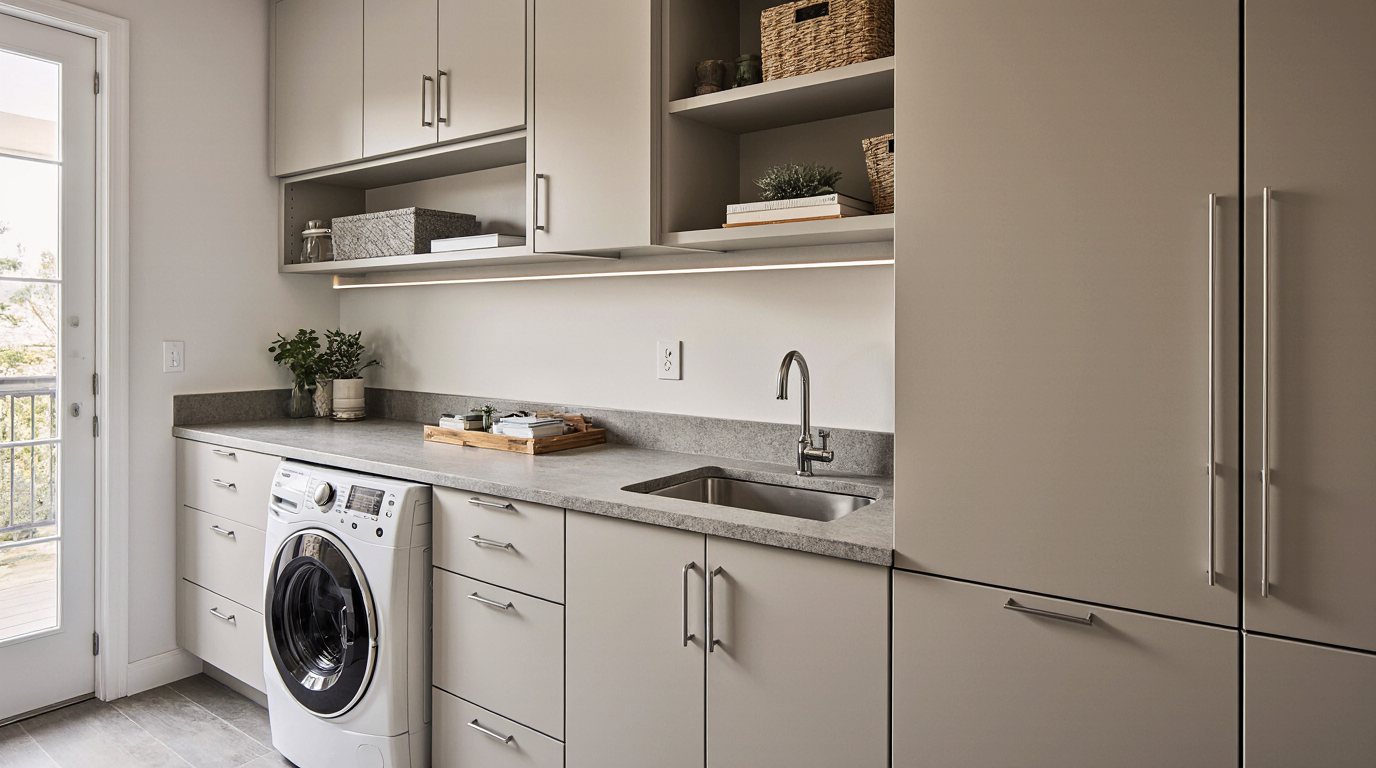
The contemporary home demands increased utility from every square inch, and the utility room, or laundry room, is no exception. Gone are the days when this space was shoved into a forgotten alcove. Today's utility room decor is about merging aesthetic functionality with uncompromising efficiency. This area should be a zone of immaculate organization, a place where the process of clothing maintenance becomes an incredibly smooth process, supported by clever tech and well-considered elements that reflect the overall architectural narrative of your home. True design authority in this space comes from seeing it as something more than just a utility spot, but as an extension of your living area, a hub for household management that deserves the attention usually reserved for main rooms.
One of the most important evolutions in contemporary design centers on elements that feel inviting yet last long. Moving past standard functional choices, consider the use of genuine wood floors or superior porcelain tiles that replicate organic textures. This decision instantly elevates the room’s overall atmosphere of luxury and relaxation. For surfaces, the focus is strongly concentrated on superior hardware. Think past basic silver finishes; incorporating metallic highlights like satin bronze or oil-rubbed finishes injects a layer of bespoke sophistication. The countertop selection is crucial. Materials like solid surfaces that resist marks and feel premium provide the ideal space for the careful process of organizing or creasing linens. A generous utility sink, possibly adopting a classic style is perfect for hand-washing delicate items or pre-soaking stained garments without splashback or concern for the surrounding cabinetry.
The structure you impose governs the room's performance. Stylish storage solutions are not merely helpful; they are the foundation of a clutter-free workflow. Floor-to-ceiling units make the most of vertical dimensions, especially important in compact settings. These integrated storage needs to include sections for everything, such as concealed bins that hide the look of used clothes until needed. For things you don't reach for daily, such as niche cleaners or off-season textiles, upper cabinets with soft internal lighting provide both mood and reach. The typically awkward job of ironing becomes simpler with ironing boards that slide out from drawers, saving valuable floor area when folded away. When a bit more room permits it, a separate surface, maybe wood or an extended ledge, creates an optimal area dedicated only to folding.
Color palettes are currently drawing heavily from Scandinavian and Japanese design philosophies, emphasizing minimalism and natural materials. This means using muted, restful greens, peaceful blues that suggest freshness, or rich, natural tones that harmonize well with exposed timber. The key is to avoid sterility. Where you have the opportunity, exposed shelving in substantial, naturally shaped wood can feature selected objects—such as uniformly stacked white cloths or boutique cleaning product containers—to contribute texture and individual flair. Even the the arrangement of washers and dryers can itself be a style choice; identical models in current shades like pale white or charcoal add to the room's harmony. Advanced appliance features are the norm, featuring automatic sensing and remote access, pointing toward a cleaning cycle that requires less active involvement.
The idea of a room serving multiple purposes is becoming very popular, particularly in homes with limited square footage. Designing a hybrid laundry-mudroom consolidates transitional activities. Incorporating elements like a built-in bench seating area with integrated storage underneath—perfect for dropping bags or removing shoes—alongside sturdy coat hooks creates a practical entry-point management system. This combination necessitates hard-wearing, moisture-proof flooring that can cope with soil and wetness carried in from outside. Alternatively, for those who work from home, incorporating a slim-profile, pull-out desk or a dedicated, well-lit corner transforms the space into a temporary secondary workspace, allowing multitasking without sacrificing the primary function of the room.
The way you add personal touches is what really sets a great utility room apart. This room should have a genuine human touch, not a sterile, purely industrial vibe. Don't be afraid to use decorative items that are slightly out of the norm. A thoughtfully chosen small rug can mark off an area and provide appealing texture beneath your feet. Look into using a striking tile design behind the sink or appliances—a complex shape or a deep, saturated color can become the visual anchor. Small elements, including framed antique laundry-themed art or up-to-date prints of rich foliage, inject necessary life into the area. Plants suited to humid indoor conditions, such as the Peace Lily or Snake Plant, thrive here and contribute to air quality while visually softening the hard lines of the machinery and cabinetry. A thoughtfully conceived laundry space proves meticulous planning went into the whole house, successfully combining peak functionality with superior looks to make daily life noticeably better.