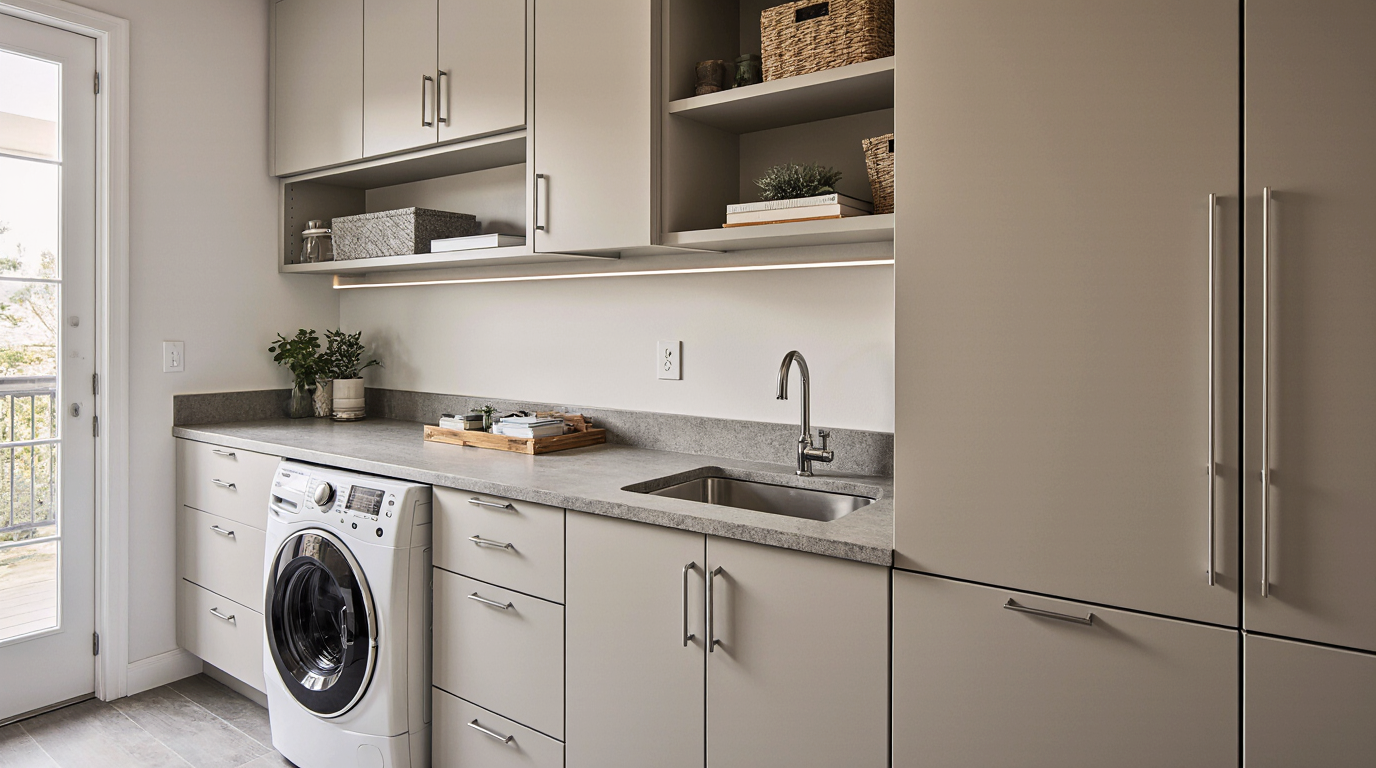
The contemporary home demands increased utility from all square inch, and the utility room, or laundry room, is a key area. We have moved beyond when this space was confined as a dark, dusty corner. Today's utility room design is about blending visual appeal and peak performance. This area should be a sanctuary of order, a place where the process of clothing maintenance becomes an incredibly smooth process, supported by smart technology integration and thoughtful design choices that reflect the existing style of the residence. True design excellence in this space comes from seeing it beyond just a place for work, but as an integral component of your house, a hub for domestic organization that deserves the same consideration as the kitchen or bath.
One of the most important evolutions in contemporary design centers on surfaces offering both beauty and longevity. Moving past simple practicality, consider the use of genuine wood floors or superior porcelain tiles that replicate organic textures. This choice immediately boosts the room’s sense of quality and ease. For surfaces, the focus is heavily leaning toward premium fittings and fixtures. Think beyond standard chrome; incorporating metallic highlights like satin bronze or oil-rubbed finishes injects a layer of customized elegance. The countertop selection is crucial. Materials like engineered quartz or honed granite offer stain resistance and a luxurious tactile quality provide the best backdrop for organizing or pressing garments. A deep basin sink, often inspired by farmhouse aesthetics, becomes indispensable is perfect for hand-washing delicate items or pre-soaking stained garments without splashback or concern for the surrounding cabinetry.
The way you manage the layout determines effectiveness. Well-designed containment is the backbone of a neat and productive area. Custom-built cabinetry that reaches the ceiling maximizes vertical space, crucial in smaller footprints. These custom enclosures ought to have specific, marked sections—maybe premium slide-out bins or hidden receptacles to mask laundry until the wash cycle. For lesser-used items, like specialized cleaning agents or seasonal linens, overhead cabinets equipped with subtle underlighting create both ambiance and accessibility. Smoothing out wrinkles is made easier by hidden, drawer-mounted boards that disappear neatly when the task is done. When space allows, an adjacent folding station—perhaps a dedicated butcher block surface or a deep counter extension—provides an ergonomic zone dedicated solely to finishing the laundry cycle.
Color palettes are largely influenced by clean, nature-inspired aesthetics from both the North and East, prioritizing uncluttered looks. This translates to soft, soothing green tones, serene blues that evoke purity, or warm, earthy shades that pair beautifully with raw wood accents. The main goal is to prevent a cold, clinical feel. Where possible, open shelving made of thick, live-edge wood can display carefully chosen items—perhaps stacks of perfectly folded white towels or artisanal detergent bottles—adding texture and personality. Even the placement of the appliances can be a design statement; matching sets in a contemporary finish, such as matte white or slate gray, contribute to a cohesive look. Advanced appliance features are the norm, featuring automatic sensing and remote access, pointing toward a cleaning cycle that requires less active involvement.
The idea of a room serving multiple purposes is becoming very popular, particularly in homes with limited square footage. Designing a combination laundry and entryway space merges coming-and-going tasks. Incorporating features such as built-in seating with hidden storage beneath—ideal for setting down bags or taking off footwear—plus robust hooks for coats establish an efficient system for the doorway area. This fusion demands durable, waterproof flooring to handle tracked-in dirt and moisture. Should you need it, integrating a slender, retractable work surface or a designated, brightly lit spot converts the area into a backup office, permitting other activities while keeping the laundry focus intact.
The way you add personal touches is what really sets a great utility room apart. This room should feel lived-in and inspiring, not institutional. Introducing unexpected decor is essential. A thoughtfully chosen small rug can mark off an area and provide appealing texture beneath your feet. A strong tile design along the wall behind the washer/dryer or sink—perhaps using geometric shapes or vibrant colors—can serve as the main attraction. Small elements, including framed antique laundry-themed art or up-to-date prints of rich foliage, inject necessary life into the area. Humidity-loving indoor plants, like the Spathiphyllum or Sansevieria, flourish in this environment, boosting air quality and gently contrasting with the strict lines of the equipment and storage. A superior utility room showcases comprehensive home design principles, a spot where top-tier function marries elevated fashion, ultimately creating an area that significantly improves everyday routines.