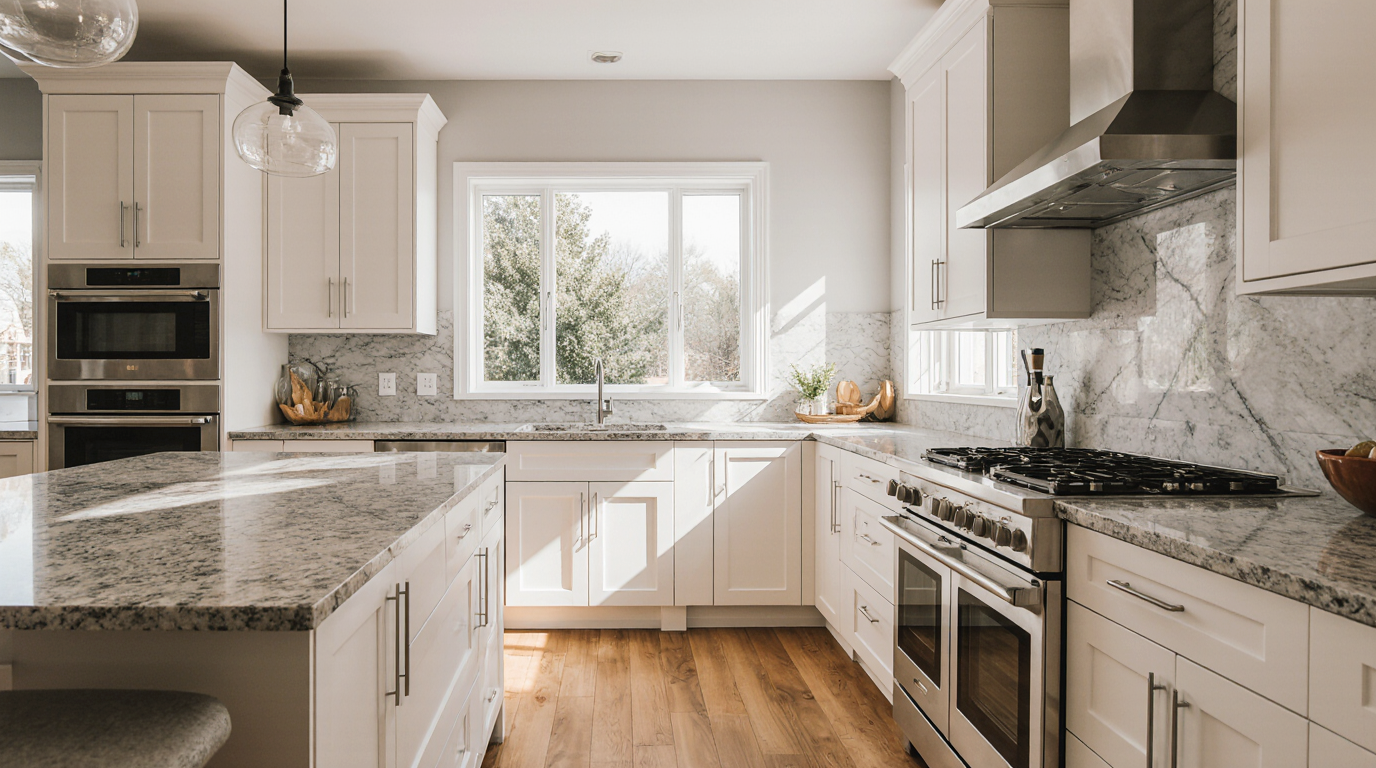
In many Sarasota master-planned communities, the architectural review board can take up to 45 days to approve an exterior-facing kitchen window modification tied to a countertop replacement. For a seasonal resident, that delay isn't just an inconvenience; it can consume over half of their time in town. This highlights a critical reality: upgrading countertops here is as much about navigating local regulations as it is about choosing materials. The project's success hinges on understanding these specific timelines and environmental demands from day one.
Executive Summary: The Sarasota Countertop Upgrade Framework
From my direct experience managing countertop projects from Siesta Key to Lakewood Ranch, a successful upgrade in
From my direct experience managing countertop projects from Siesta Key to Lakewood Ranch, a successful upgrade in Sarasota is less about chasing trends and more about strategic material science. The humid, salty air is unforgiving to porous stones and improperly sealed surfaces. I've seen beautiful but impractical materials fail in under three years. The key is to balance the high-end aesthetic our market demands with pragmatic durability against coastal conditions, all while respecting the often-rigid HOA and condo association guidelines.
- Climate Resilience is Non-Negotiable: Materials must resist humidity, UV exposure (for kitchens with large windows), and potential salt air exposure.
- HOA/Condo Board Pre-Approval: Many communities have strict palettes and material requirements; secure written approval before purchasing slabs.
- Fabricator's Local Experience: A fabricator who understands how to seal and install for our climate is more critical than one with the lowest price.
- Long-Term Cost vs. Initial Price: A slightly more expensive, non-porous option like high-grade quartz often provides a better return than a cheaper natural stone requiring constant resealing.
The Most Common Planning Failures I See in Sarasota
The biggest mistakes in countertop upgrades happen long before a single tool is on-site. They are failures of context—applying general advice to a very specific environment. Homeowners often fall for a material they saw online or in a magazine, not realizing it's completely unsuitable for a home on a barrier island or a condo with intense afternoon sun exposure. They underestimate the logistical complexities and regulatory hurdles unique to our area.
The Most Expensive Failure: Ignoring the Humidity and Salt Air Factor
The costliest error I consistently witness is choosing a porous or high-maintenance natural stone, like certain marbles or lower-grade granites, for a home west of the Trail or on the Keys. A client in Lido Shores insisted on a beautiful Carrara marble. Despite warnings and the best sealants, within two years, the area near the large sliding doors facing the Gulf showed subtle but irreversible etching and discoloration. The constant, invisible salt in the air had compromised the surface. The cost to hone and reseal it professionally became an annual expense they hadn't budgeted for, effectively erasing any initial savings.
How a Countertop Upgrade Project Unfolds in Sarasota
A countertop replacement project here involves more than just picking a slab and scheduling installation. It's a multi-step process that must account for local logistics and building codes. It starts with an in-home consultation to measure and assess existing conditions, including plumbing and electrical, followed by material selection. Once a material is chosen, the fabricator creates a precise template of your cabinets. The slab is then cut, edged, and polished at their facility before being transported for the on-site installation, which can take a full day and includes sink mounting and faucet hole drilling.
Key Selection Criteria for a Sarasota Fabricator
- Experience with Waterfront Installations: Ask for references from homes on Siesta Key, Longboat Key, or Bird Key. They will understand the unique challenges of logistics and material handling in these areas.
- In-House Digital Templating: This technology ensures a precise fit, minimizing gaps and the need for excessive caulk, which can mildew in our humid climate.
- Knowledge of the Florida Building Code: Especially regarding structural support for heavy stone islands in elevated coastal homes, ensuring compliance with wind load and structural integrity requirements.
- Transparent Quoting: The quote must break down costs for the slab, fabrication, tear-out of old tops, plumbing disconnect/reconnect, and sales tax. A vague, single-number quote is a red flag.
Comparing Popular Countertop Options for a Sarasota Kitchen
Choosing the right material is a trade-off between aesthetics, durability, maintenance, and budget. What works for a primary residence in a gated community like The Founders Club might be a poor choice for a rental condo on Siesta Key. The decision must be informed by the home's specific use and location within Sarasota County.
| Material | Pros for Sarasota | Cons for Sarasota | Best For |
|---|---|---|---|
| Engineered Quartz | Non-porous, resists staining and humidity. Consistent patterns. Low maintenance. | Can be damaged by high heat. Some lower-quality brands may yellow with direct, intense UV exposure. | High-use family kitchens, rental properties, modern aesthetics. |
| Granite | Heat resistant, durable. Unique natural patterns. | Porous and requires sealing (typically annually) to prevent staining and microbial growth in humidity. | Traditional kitchens where the owner is committed to regular maintenance. |
| Quartzite | Durable like granite but often with the look of marble. More resistant to etching than marble. | Can be brittle and prone to chipping during fabrication if not handled by an expert. Requires proper sealing. | Luxury homes wanting a natural stone look with better durability than marble. |
When a Full Replacement Isn't the Right Choice
A full slab replacement is not always the best path, especially when updating countertops on a budget. If your existing laminate or tile countertops are structurally sound and you're looking for a short-term refresh before a larger remodel, a full tear-out is overkill. In these cases, professional resurfacing or even high-quality epoxy coating systems can provide a significant aesthetic upgrade for a fraction of the cost and disruption, making them a practical choice for a quick home sale preparation or a temporary design solution.
Safe Hiring Checklist for Sarasota Countertop Installers
Hiring the right team is paramount. A botched installation can damage new cabinets, cause plumbing leaks, or result in an uneven surface. Verifying credentials is not just about compliance; it's about risk management for one of your home's most significant assets.
- Verify they hold a current, active license with Sarasota County and the State of Florida. Check their status on the Florida Department of Business and Professional Regulation (DBPR) website.
- Confirm they carry both General Liability and Workers' Compensation insurance. Ask for the Certificate of Insurance (COI) and call the provider to ensure the policy is active.
- Request a list of at least three local projects completed in the last year, preferably in a neighborhood similar to yours.
- Get a written contract that specifies the exact material (brand, color, thickness), scope of work, payment schedule, and estimated start and completion dates.
- Ask how they handle remnants. Will you get to keep the leftover pieces from your slab, which can be useful for small future projects?
- Clarify their warranty on both the material and the installation workmanship. A one-year labor warranty is a minimum standard.
Decisions That Determine the Final Outcome
The difference between a satisfactory project and a stunning one comes down to a few key decisions made early in the process. I've seen clients with modest budgets achieve incredible results by being strategic, while others with large budgets end up disappointed because they overlooked critical details. The single most important factor is the synergy between the material choice and the fabrication quality.
The Exact Moment the Majority Gets It Wrong
The mistake happens in the slab yard. Most people fall in love with a stone's pattern under ideal showroom lighting. They make an emotional decision on the spot. The right approach is to choose your top two or three options and then request to see the full, specific slabs that would be used for your project. Take a sample of your cabinet door and backsplash tile with you to view the slabs outdoors in natural Florida sunlight. This is the only way to see the stone’s true colors, fissures, and imperfections and avoid a costly surprise on installation day.
Practical Answers About Operations in Sarasota
Navigating the local specifics of a countertop project can be frustrating if you don't know what to expect. From permitting to dealing with multi-story building logistics, Sarasota has its own set of rules and challenges that impact project timelines and costs.
Do I Need a Permit to Replace My Countertops in Sarasota?
Generally, a permit from the Sarasota County Building Department is not required for a simple, direct countertop replacement if no plumbing or electrical fixtures are being relocated. However, the moment you move a sink, add an outlet to an island, or alter a load-bearing wall, you trigger the need for a permit. A licensed contractor will know precisely when a permit is required and can manage that process, which typically adds 2-4 weeks to the project timeline.
How Do Condo Rules in Downtown Sarasota Affect Installation?
High-rise condos in areas like Downtown Sarasota or Golden Gate Point have strict rules. Installers are often restricted to using service elevators and can only work during specific hours (e.g., 9 AM to 4 PM, Monday-Friday). They must provide proof of insurance to the building management. Transporting a 10-foot slab of stone up an elevator requires specialized equipment and expertise; this logistical complexity often adds a surcharge to the installation cost, which should be clearly itemized in your quote.
What Are the Material Considerations for a Home in a Flood Zone?
For homes in designated flood zones, particularly on the barrier islands, material choice has insurance and resilience implications. While countertops themselves aren't typically rated for flood resistance, the cabinetry and substructure they sit on are critical. Using marine-grade plywood for cabinet boxes and ensuring countertops are installed with waterproof adhesives and sealants can significantly improve the kitchen's ability to withstand moisture intrusion after a storm event. This is a conversation to have with your contractor and can be a selling point for future buyers.