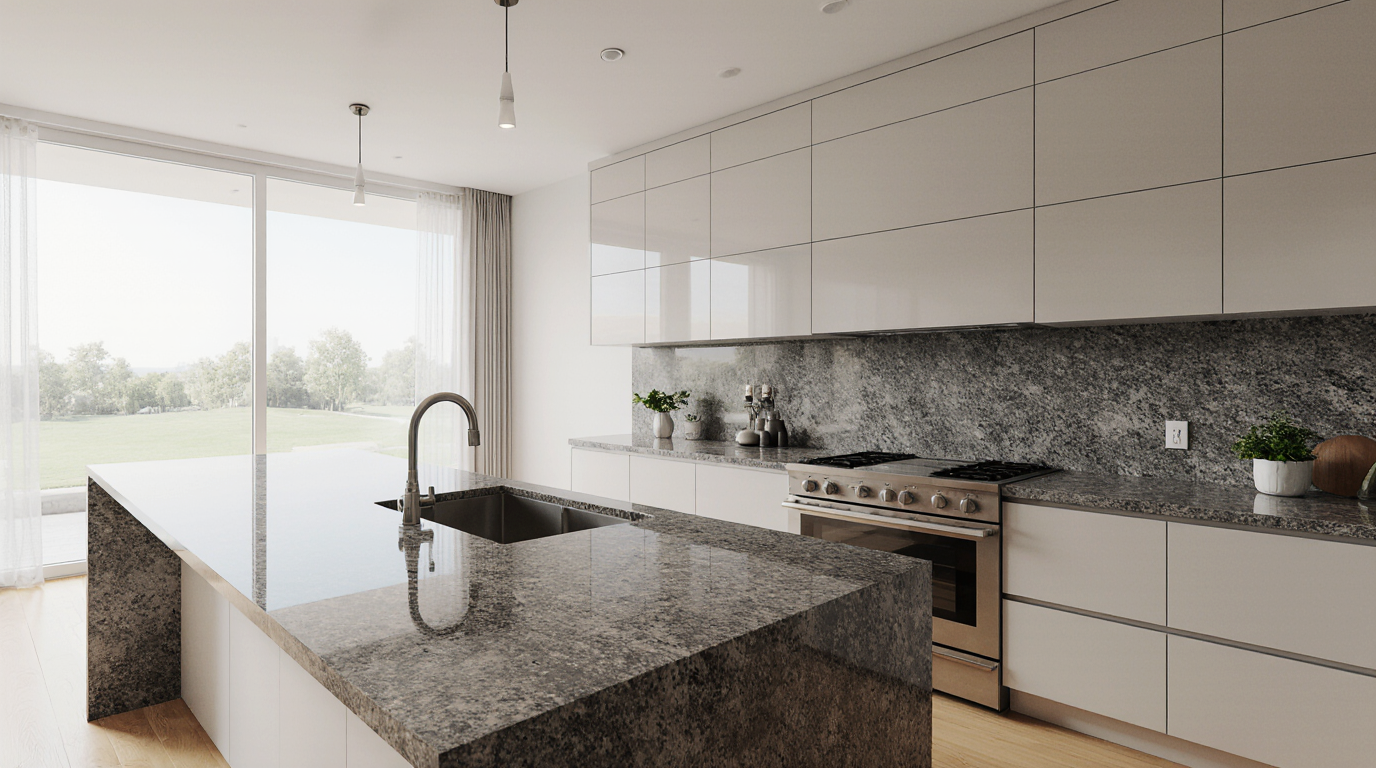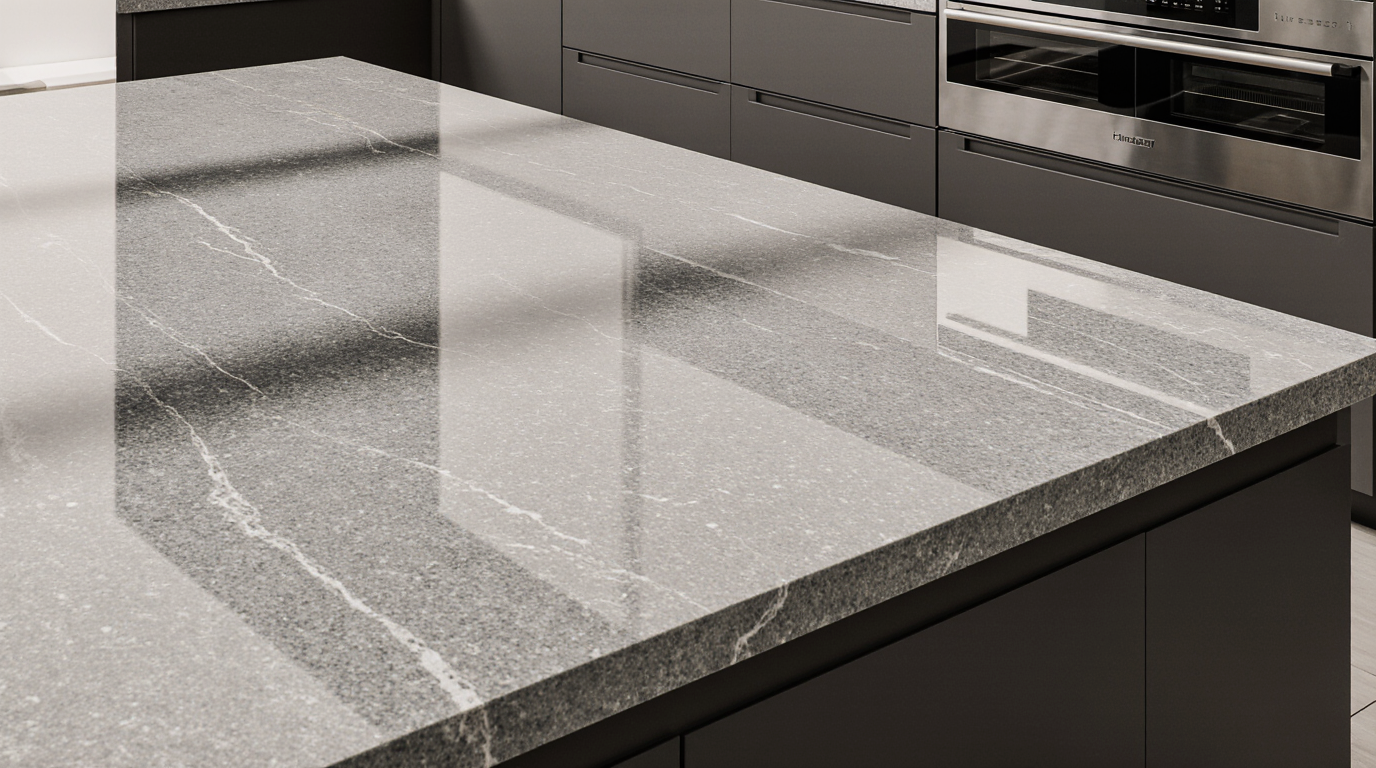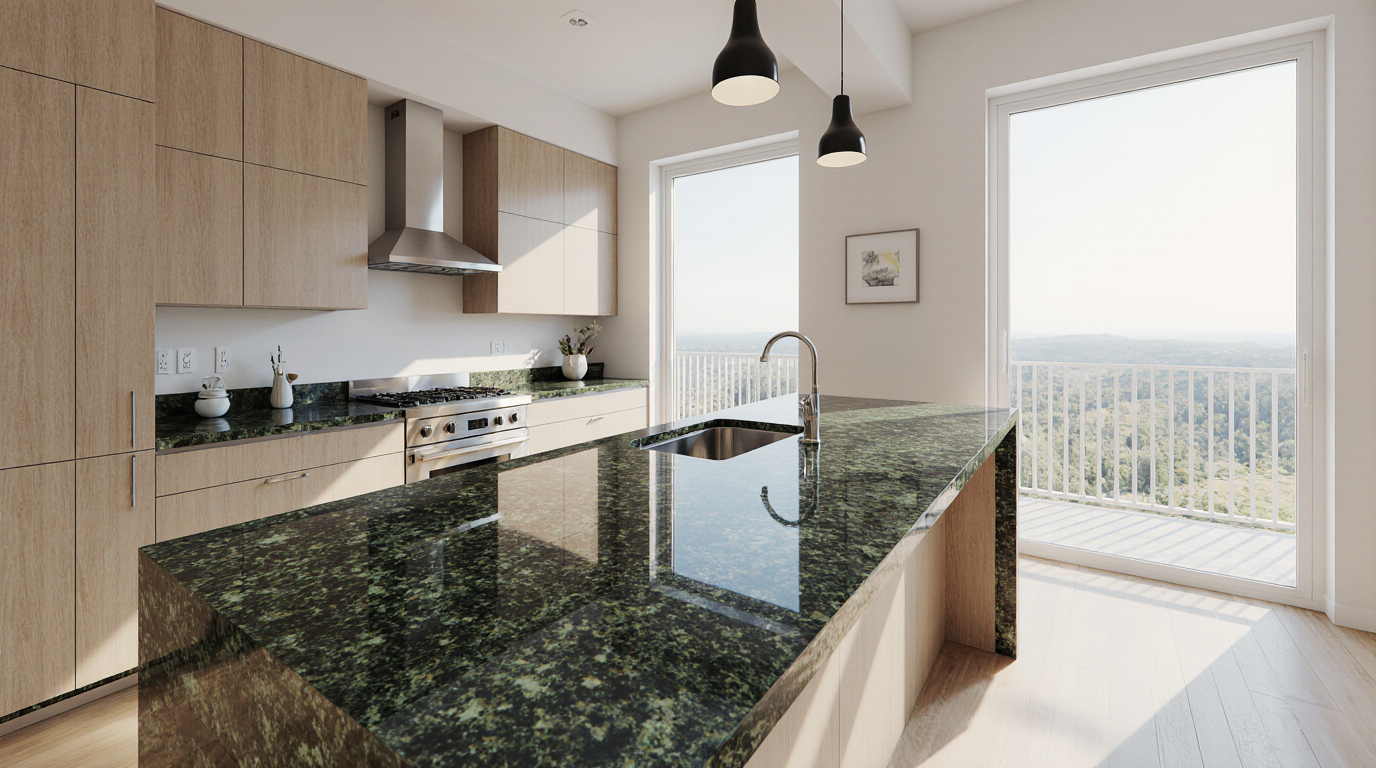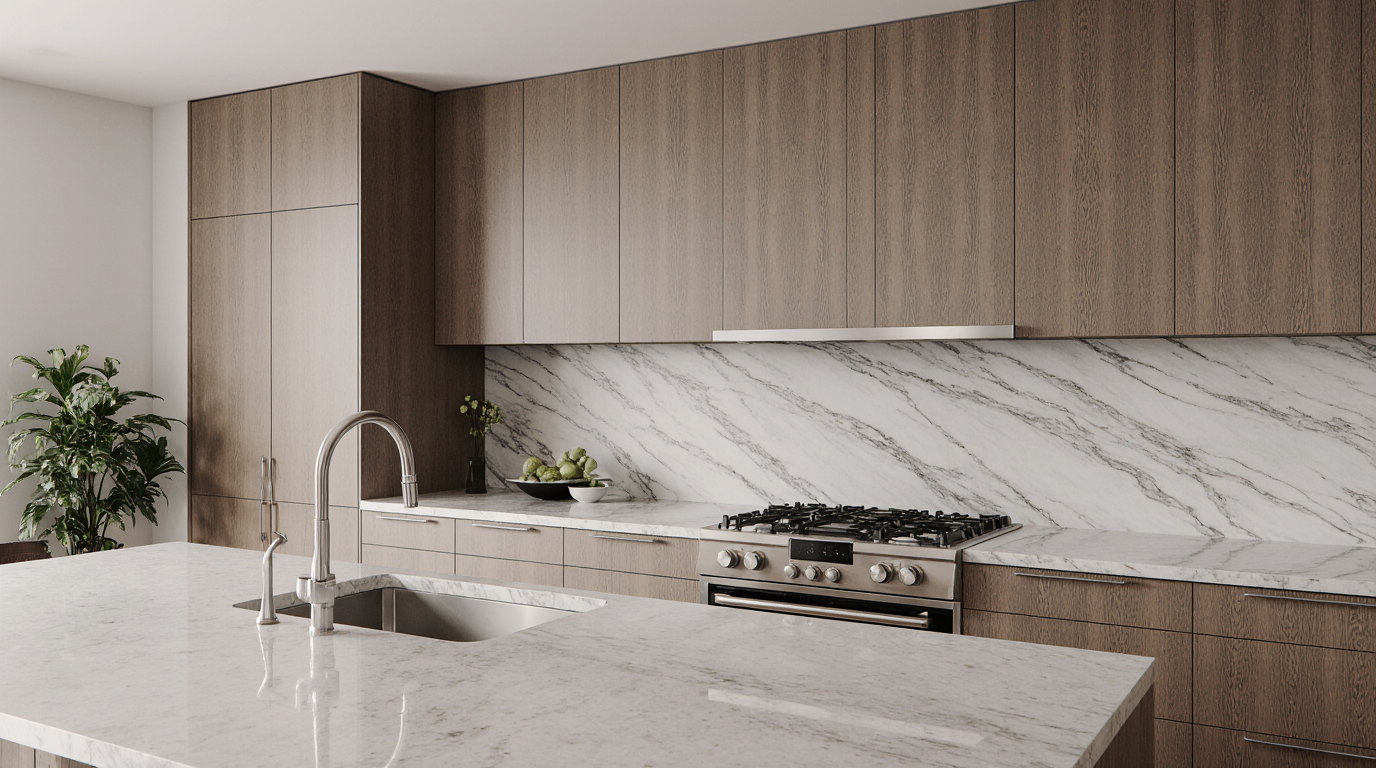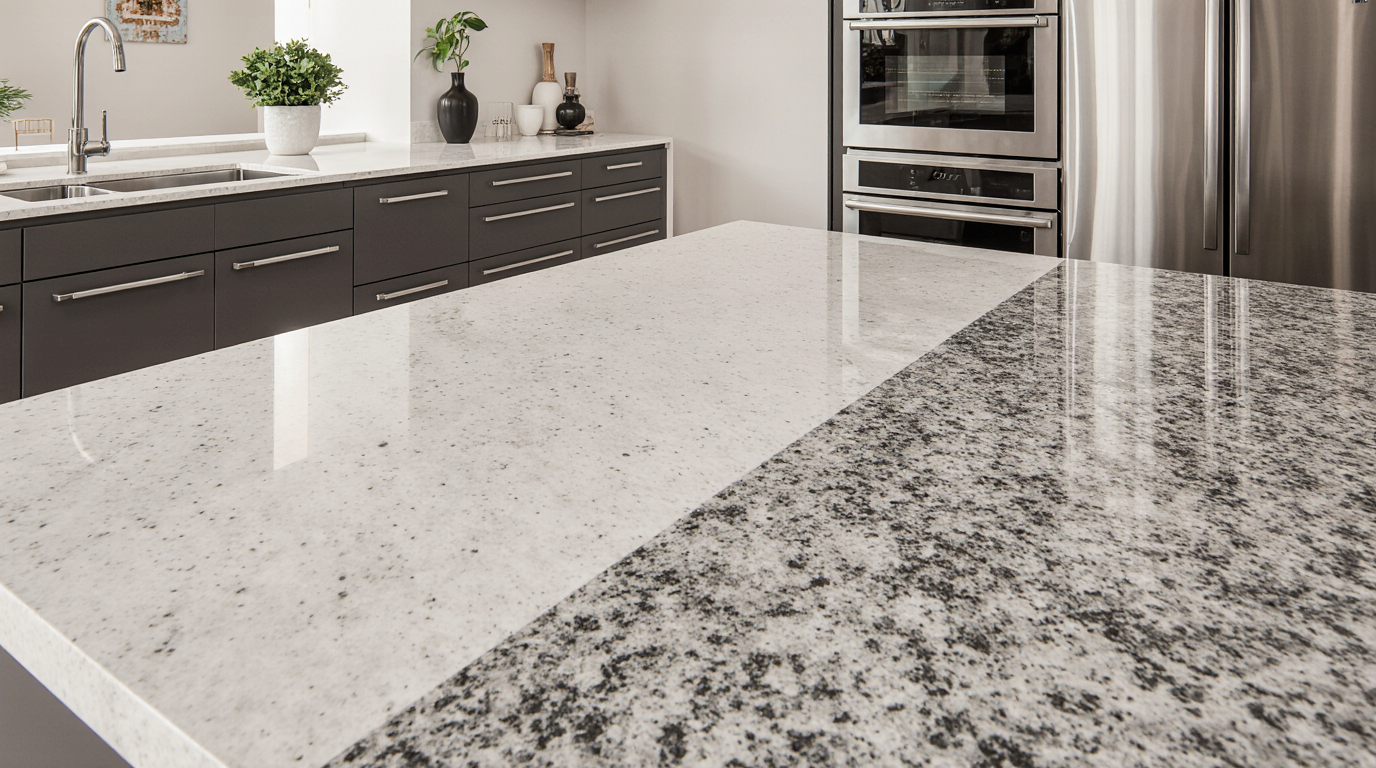
Why do some 'stain-resistant' quartz countertops in Sarasota homes start to show faint yellowing near large windows within a few years, while others look pristine a decade later? The difference isn't luck; it's the resin composition, a detail rarely discussed in showrooms but one that has major consequences under the relentless Florida sun. The type of quartz you choose here is less about the brand and more about its specific engineering for a high-UV, high-humidity environment.
Executive Summary: Navigating Quartz Selection in Sarasota
In my 15 years specializing in countertop installations for coastal Florida projects, I've seen firsthand that the
In my 15 years specializing in countertop installations for coastal Florida projects, I've seen firsthand that the primary challenge in Sarasota isn't finding a beautiful quartz slab, but selecting one engineered to withstand our specific climate. The intense UV radiation, humidity, and salt air are the true tests of a countertop's longevity. The most critical factor is the quality of the polymer resin binder, as lower-grade resins are more susceptible to yellowing from sun exposure, a common issue in homes with expansive lanais and large windows in neighborhoods from Palmer Ranch to Lido Key. The focus must shift from pure aesthetics to material science.
- UV-Resistant Resins: Prioritize quartz brands that explicitly market enhanced UV-inhibiting resins, especially for light-colored or pure white slabs.
- Finish and Maintenance: Honed or matte finishes are better at concealing fine salt or dust residue than high-polish finishes in coastal homes.
- Heat Tolerance Near Windows: Dark quartz countertops, especially black or dark grey, can become extremely hot when direct sunlight hits them, which can stress the material over time.
- HOA Design Constraints: In communities like Lakewood Ranch, many Homeowners Associations have pre-approved color palettes, making it crucial to verify design guidelines before finalizing your quartz selection.
Planning Failures That Compromise Quartz Countertops
The most common misstep is selecting a quartz countertop based solely on a small sample viewed under artificial showroom lighting. This fails to account for how the material will react to the intense, direct natural light in a Sarasota home. A slab with subtle veining can look washed out in a bright, sun-filled room, while a pure white can reveal the slightest yellowing from UV exposure over time.
Another frequent oversight is ignoring the slab's heat absorption properties. I've consulted on projects where clients chose a stunning dark quartz for a kitchen island directly under a skylight. In the summer, the surface became too hot to comfortably touch, an entirely preventable issue. This isn't about the quartz being defective; it's about a failure to match the material's physical properties to the home's specific environmental conditions.
The Most Expensive Failure: Underestimating UV Impact on Binders
The costliest mistake I consistently see is choosing a standard, budget-friendly quartz for a high-exposure area. A client with a beautiful condo on Siesta Key wanted a brilliant white countertop for their kitchen, which featured floor-to-ceiling windows. To save on the budget, they opted for a generic, lower-priced white quartz. Within three years, the area constantly hit by the afternoon sun developed a distinct, faint yellowish tint compared to the shaded areas. The cost to replace the countertop far exceeded the initial savings, a direct result of the lower-quality polyester resins in the cheaper slab degrading under UV light.
The Practical Process of Selecting and Installing Quartz in Sarasota
The process begins not at the slab yard, but with an analysis of your home's light exposure and lifestyle. We map out where natural light is most intense throughout the day. Only then do we move to selecting slabs, prioritizing those with higher-quality, UV-stable acrylic or enhanced polyester resins. Once a type is chosen, we template the cabinetry on-site to ensure a perfect fit, a crucial step in older homes where walls may not be perfectly square.
Fabrication is done off-site, and installation typically takes one full day. In Sarasota County, countertop installations themselves don't usually require a separate permit if they are part of a larger, permitted kitchen remodel. However, any associated plumbing or electrical work for sinks and outlets absolutely requires licensed professionals and inspections, a detail managed by the general contractor. Timelines can be affected by the availability of specific slabs, which sometimes must be shipped from distributors in Tampa or Orlando.
Selection Criteria for Sarasota Homeowners
- Resin Quality: Ask the fabricator specifically about the UV stability of the resin in your chosen slab. Reputable brands often provide technical data sheets.
- Warranty Against Fading/Discoloration: Scrutinize the manufacturer's warranty. Many warranties exclude damage from UV exposure, making your initial selection even more critical.
- Salt Air Resistance: For homes on the barrier islands (Lido, Siesta, Longboat Key), choose a quartz with a low-porosity, polished finish to make wiping away corrosive salt residue easier.
- HOA Compliance: Before paying for a slab, get written approval of your quartz choice from your HOA design review committee, especially in master-planned communities. The average review period in some Sarasota HOAs can be 30 days.
Comparing Quartz with Other Popular Countertop Materials
In Sarasota, the choice often comes down to quartz, granite, and marble. While all are viable, their performance in our coastal climate differs significantly, especially concerning maintenance and durability against sun and humidity. The idea of a 'discount' material often ignores the long-term cost of maintenance and repair in this environment.
| Feature | Engineered Quartz | Granite | Marble |
|---|---|---|---|
| UV Resistance | Varies by resin quality; high-end options are excellent, budget options can yellow. | Excellent; colors are generally stable, though the sealer may degrade. | Poor; prone to color change and surface etching from sun and acid rain. |
| Humidity & Salt Air | Excellent; non-porous surface resists moisture and is easy to clean. | Good, but requires consistent sealing (annually in coastal areas) to prevent pitting. | Poor; porous nature makes it susceptible to moisture damage and staining. |
| Maintenance Level | Very Low; no sealing required. | Moderate; requires regular sealing to maintain stain resistance. | High; requires frequent sealing and is easily stained or etched. |
When Quartz Isn't the Right Choice
Despite its benefits, quartz is not the ideal choice for outdoor kitchens, which are incredibly popular in Sarasota. Even UV-resistant quartz can be damaged by the combination of direct, intense sunlight, high heat from grills, and thermal shock from rain. For an outdoor application, a high-quality, dense granite or even porcelain slab materials are far superior choices. I always advise clients against using standard interior quartz for their lanai bar or grilling station; the risk of failure is simply too high.
Safe Hiring Checklist for Your Quartz Project
Choosing the right installer is as important as choosing the right material. A beautiful slab can be ruined by poor templating, shoddy seaming, or improper installation. Verifying your fabricator and installer is a non-negotiable step to protect your investment.
- Verify the fabricator holds a current business license in Sarasota County.
- Ask for proof of liability and workers' compensation insurance. An uninsured worker injured in your home can become your financial responsibility.
- Request at least three recent local references, preferably for projects in an environment similar to yours (e.g., a waterfront condo).
- Confirm they perform digital or laser templating for maximum accuracy.
- Review their seam placement policy. A good fabricator will discuss seam locations with you to minimize their visibility.
- Ensure their quote is all-inclusive, covering the slab, fabrication, cutout costs (sink, cooktop), delivery, and installation. Hidden fees are common.
- For condo buildings, confirm the installer is familiar with the building's rules for deliveries, elevator use, and working hours.
Decisions That Determine the Final Outcome
The success of a quartz countertop installation hinges on early, informed decisions. The most crucial one is allocating a realistic budget not just for a 'quartz counter top price' but for a high-performance quartz engineered for coastal conditions. Resisting the temptation of heavily discounted quartz from unknown manufacturers is the single most important choice you can make. These products often use lower-grade resins that will not perform well over time in Sarasota.
Another key decision is finalizing your sink and faucet selection *before* the countertop templating. Changes made after the template is created can lead to costly re-fabrication fees and significant project delays. I've seen projects delayed by weeks because a sink was backordered, and the client had to re-select one with different dimensions after the quartz was already cut.
The Exact Moment the Majority Gets It Wrong
The critical mistake happens at the very beginning: when homeowners fall in love with a look online and then search for the cheapest way to replicate it. They'll find a 'discount quartz countertops near me' that looks similar and assume it's the same. The right approach is to start with your environment, define the performance needs (UV resistance, low maintenance), and then find a style that fits within that technically sound category. You are buying a piece of chemical engineering for your home, not just a pretty surface.
Practical Answers About Quartz Operations in Sarasota
Navigating the local specifics of a countertop project can be confusing. The process involves more than just picking a slab; it intersects with building codes, HOA rules, and the logistics of working in a busy, high-value real estate market.
HOA Design Review Boards and Quartz Selection
In communities like Palmer Ranch or The Founders Club, the HOA's Architectural Review Committee (ARC) often has final say on exterior-facing elements, which can include kitchens visible through large windows or glass doors. Submitting your quartz sample along with cabinet and paint colors early is critical. A rejection can force you to forfeit a deposit on a slab you've already reserved. Plan for a 30- to 45-day approval window in your project timeline.
Do I Need a Permit for Just Countertops in Sarasota?
Generally, no. A direct countertop replacement in Sarasota County is considered a cosmetic upgrade and does not typically require a building permit. However, the moment the project involves altering plumbing (moving a sink), electrical (adding outlets to an island), or changing the footprint of the cabinets, you cross the threshold into a remodel that requires a permit from the Sarasota County Building Department. Trying to save money by not pulling a required permit is a major risk.
The Challenge of Quartz Overlay Countertops
Quartz overlay countertops, which are thin slabs installed over existing counters, are often marketed as a faster, more affordable option. In my experience, they are a poor fit for the Sarasota market. Humidity can get trapped between the layers, and they often look and feel less substantial. For the high-end homes common in this area, an overlay system can actually detract from the property's value. The minimal cost savings rarely justify the compromise in quality and long-term durability.