Diagnosing the Architectural and Lifestyle Demands
Before I even consider a slab of marble, my first step is a functional diagnosis of the space. A kitchen in a sprawling Lakewood Ranch estate designed for frequent catering has vastly different performance requirements than a galley kitchen in a downtown Sarasota luxury condominium. I analyze traffic flow, natural light exposure from large lanai doors, and the client's cooking habits. Is the primary user an avid home chef who uses a lot of citrus and wine, or is the kitchen more of a social hub for light entertaining? This assessment directly informs which type of marble and, more importantly, which finish is structurally sound for the application.
Technical Breakdown of Viable Marble Slabs for Coastal Florida
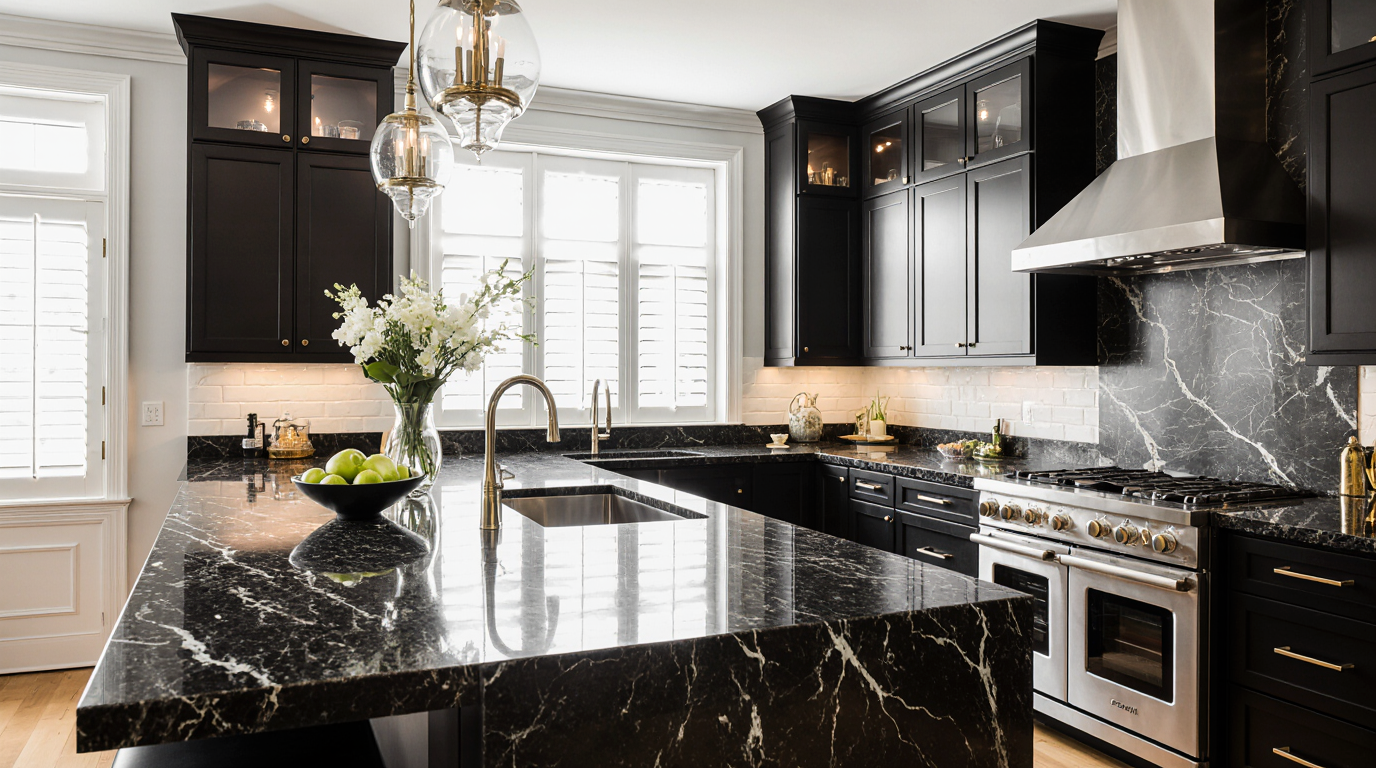
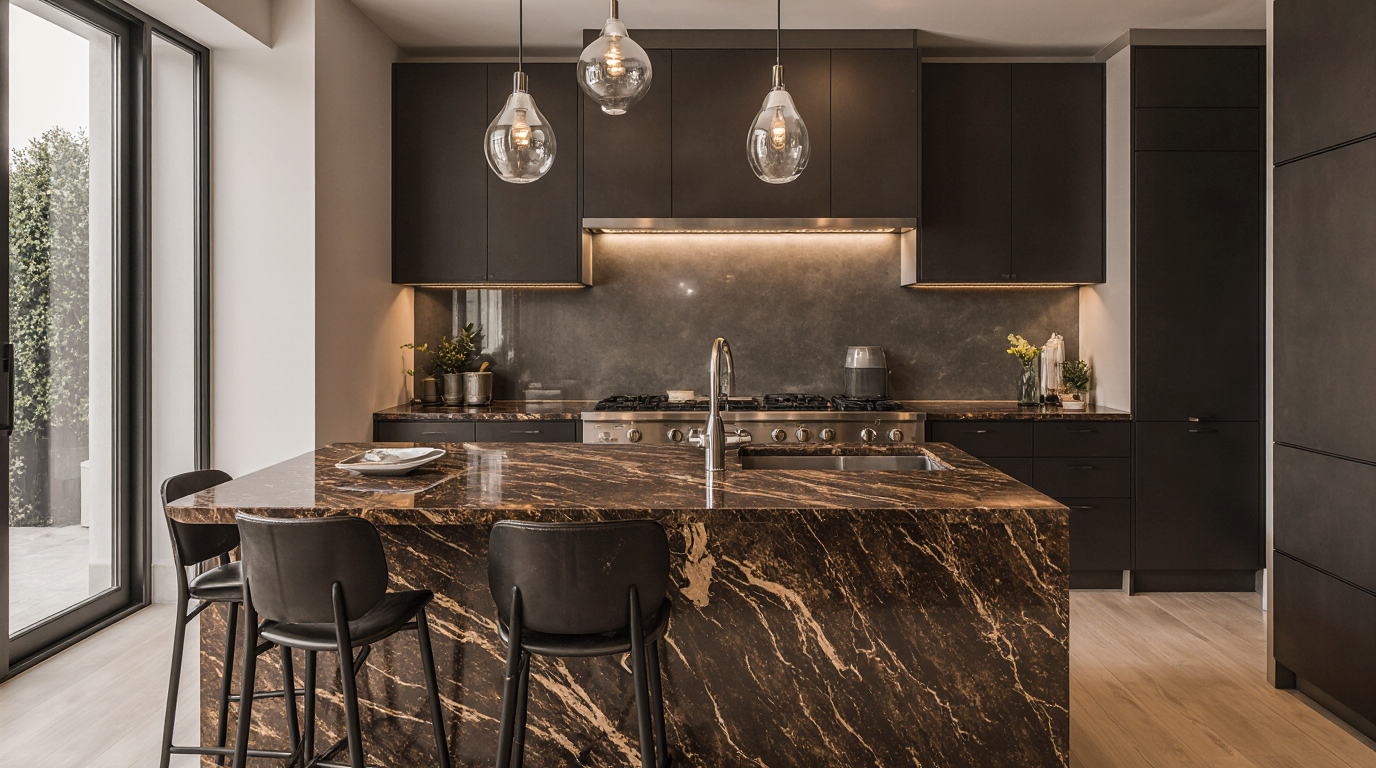
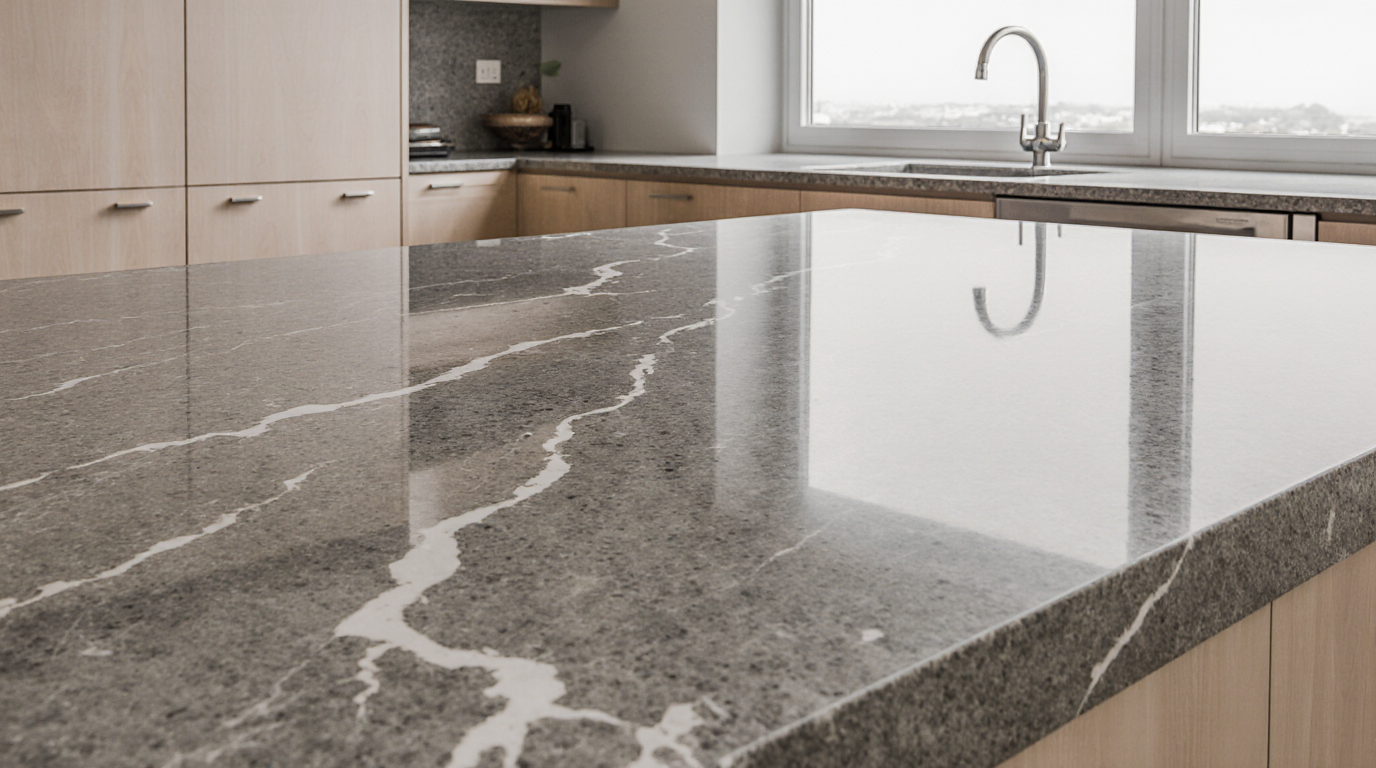
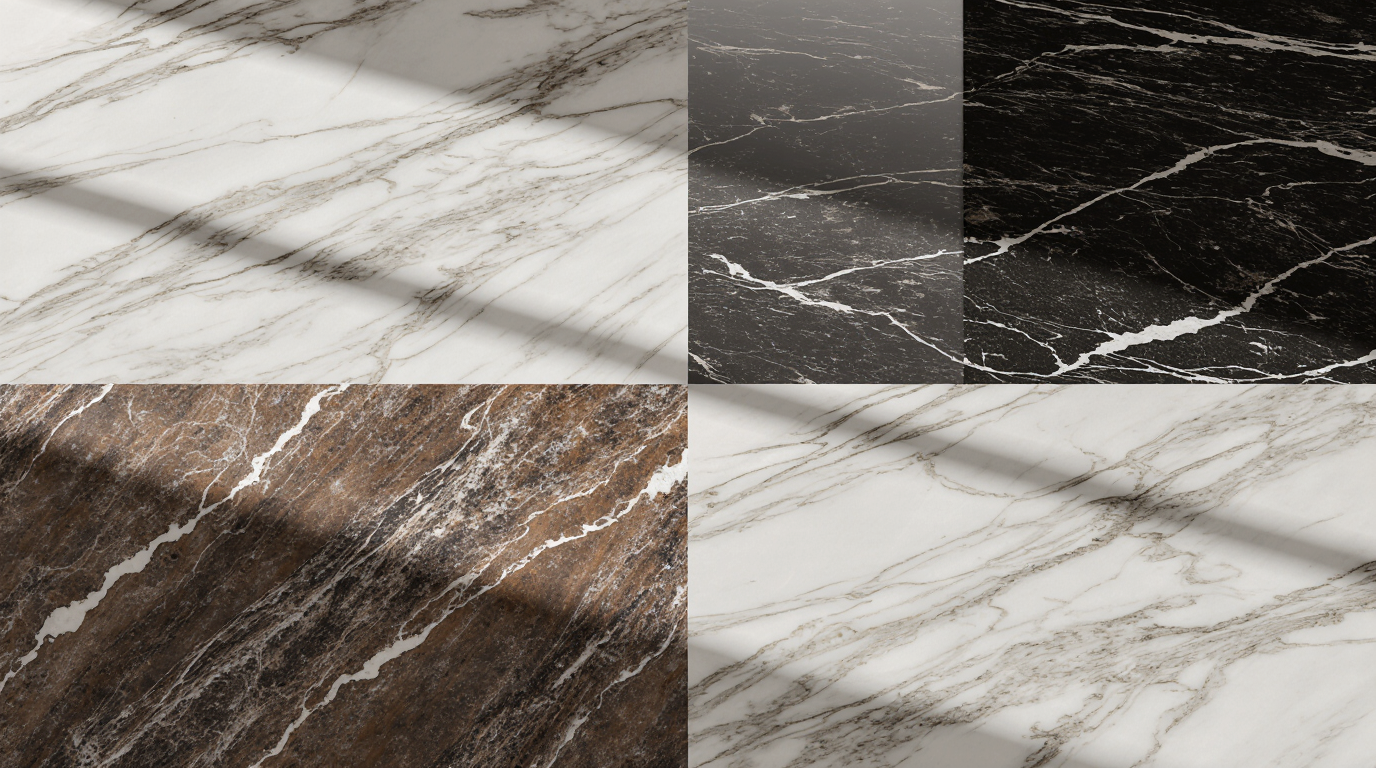
While many are drawn to the dramatic veining of Calacatta Gold or the soft grey tones of Carrara, I often steer clients towards more robust options. For instance, Danby marble, quarried in the U.S., has a naturally lower absorption rate and a denser crystalline structure, making it inherently more resistant to staining. For clients set on Italian marble, I specify a honed finish over a polished one. A honed surface is less likely to show minor etching from acidic substances, a common occurrence in our lifestyle. I also meticulously inspect slabs for resin-filled fissures, ensuring these reinforcements are minimal and won't yellow over time from the intense Florida sun exposure common in open-concept living areas.
Fabrication and Reinforcement Protocol
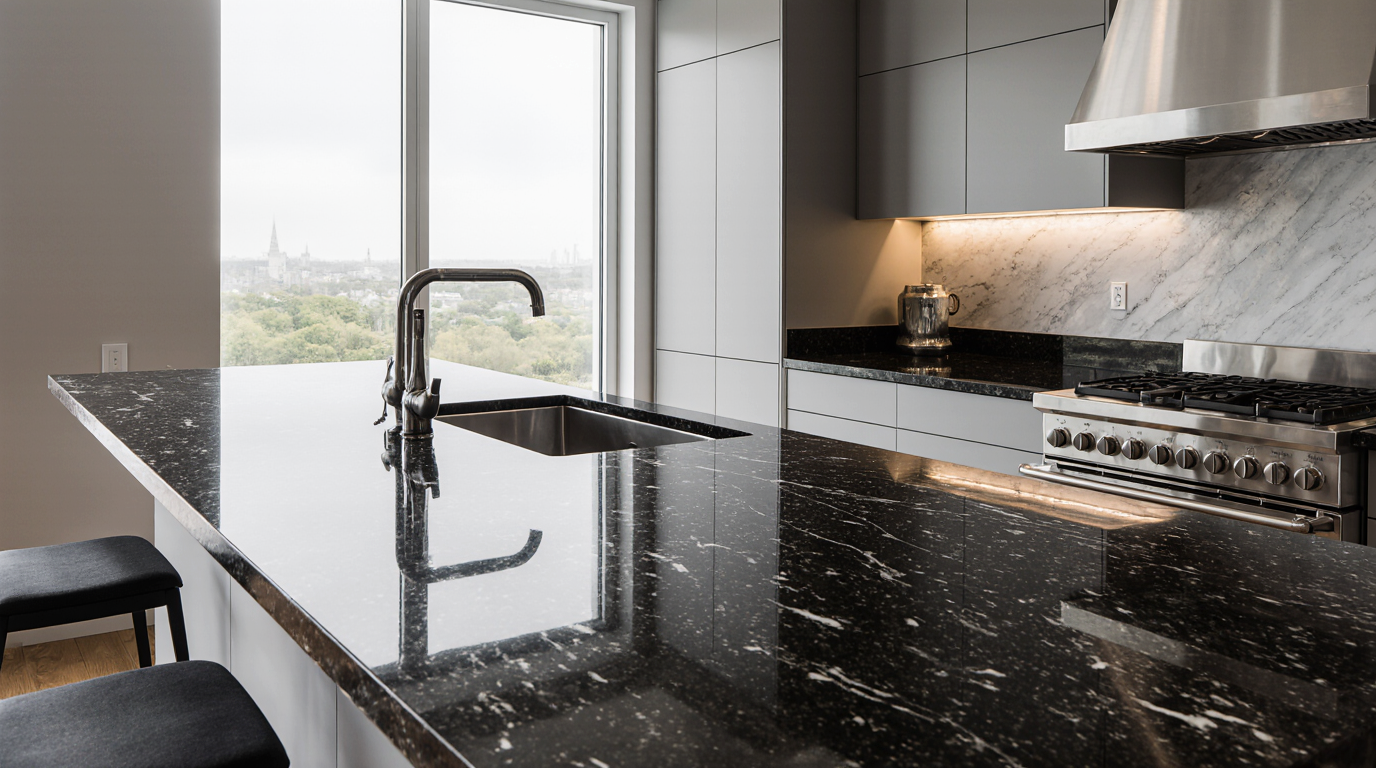
My fabrication process is engineered to mitigate the inherent fragility of marble, a step many overlook. The most vulnerable points of any countertop are the cutouts for sinks and cooktops. To prevent stress fractures that can develop over time due to thermal expansion and humidity, I embed a system of fiberglass mesh and steel rods into the underside of the stone using a specialized marine-grade epoxy. This creates a rigid, unified structure that provides a 40% increase in tensile strength at these critical points. My process includes:
- Digital templating for precision cuts with a tolerance of less than 1/16th of an inch.
- Water-jet cutting to minimize micro-fractures along the edges that can be caused by traditional saws.
- A multi-step edge lamination process using color-matched epoxy for a seamless, monolithic appearance.
- Testing each slab's porosity post-fabrication to customize the final sealing application.
Precision Installation and Seam Integration
The final installation is where true craftsmanship becomes evident. In many Sarasota homes, especially older properties along the coast, settling can lead to cabinets that are not perfectly level. I use a laser leveling system and precision shims to create a perfectly flat and stable foundation, preventing stress on the stone. When a seam is unavoidable, my technique involves creating a small channel along the seam edges, filling it with a custom-tinted, UV-stable epoxy, and then razor-leveling it until it is virtually imperceptible to the touch. This method of bookmatching veins at the seam creates an artistic continuity that makes the joint a feature, not a flaw. This meticulous alignment is the final guarantee of a countertop engineered for both beauty and longevity.
Does your current countertop design account for the subtle structural stresses of a high-humidity, coastal environment, or is it simply resting on its visual appeal?