Your Sarasota Countertop Decision: An Executive Summary
From my experience installing countertops across Sarasota County, the central challenge isn't just aesthetics; it's
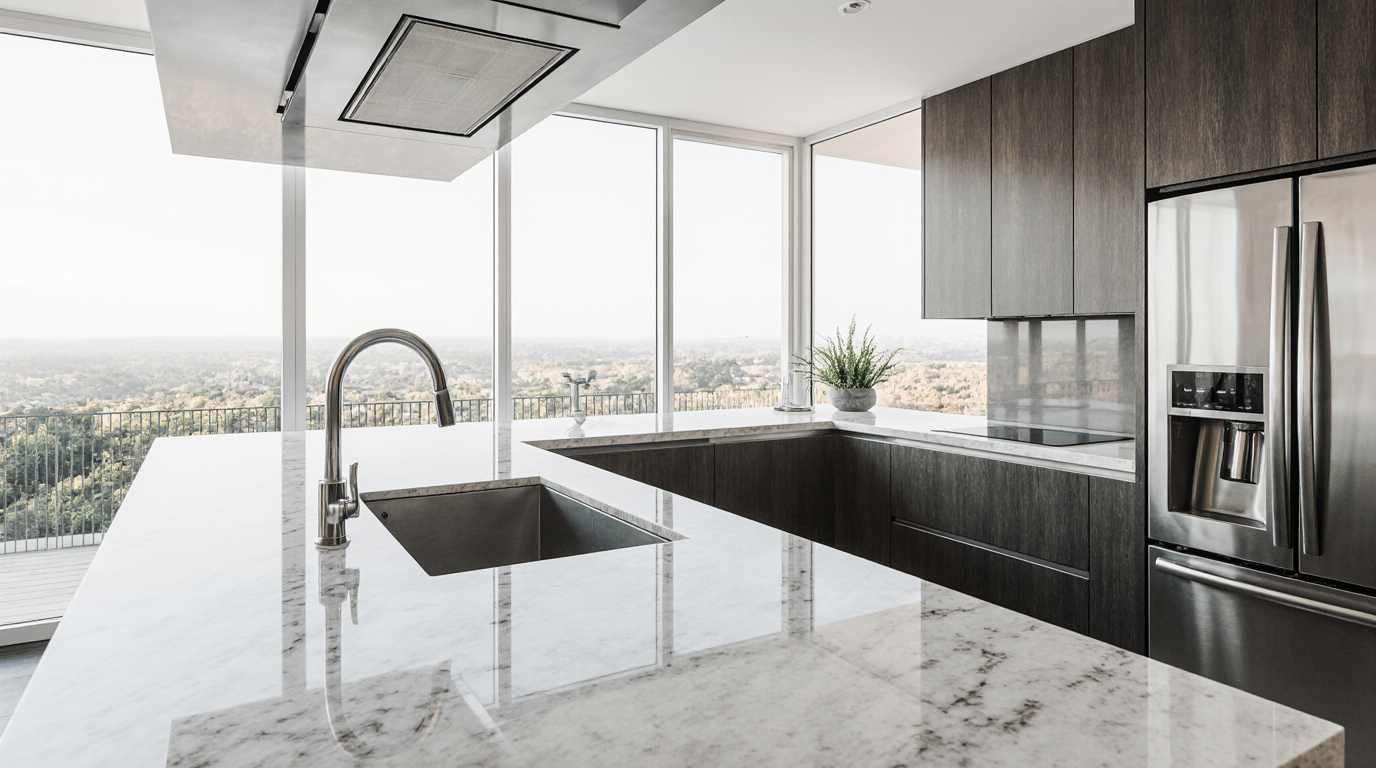
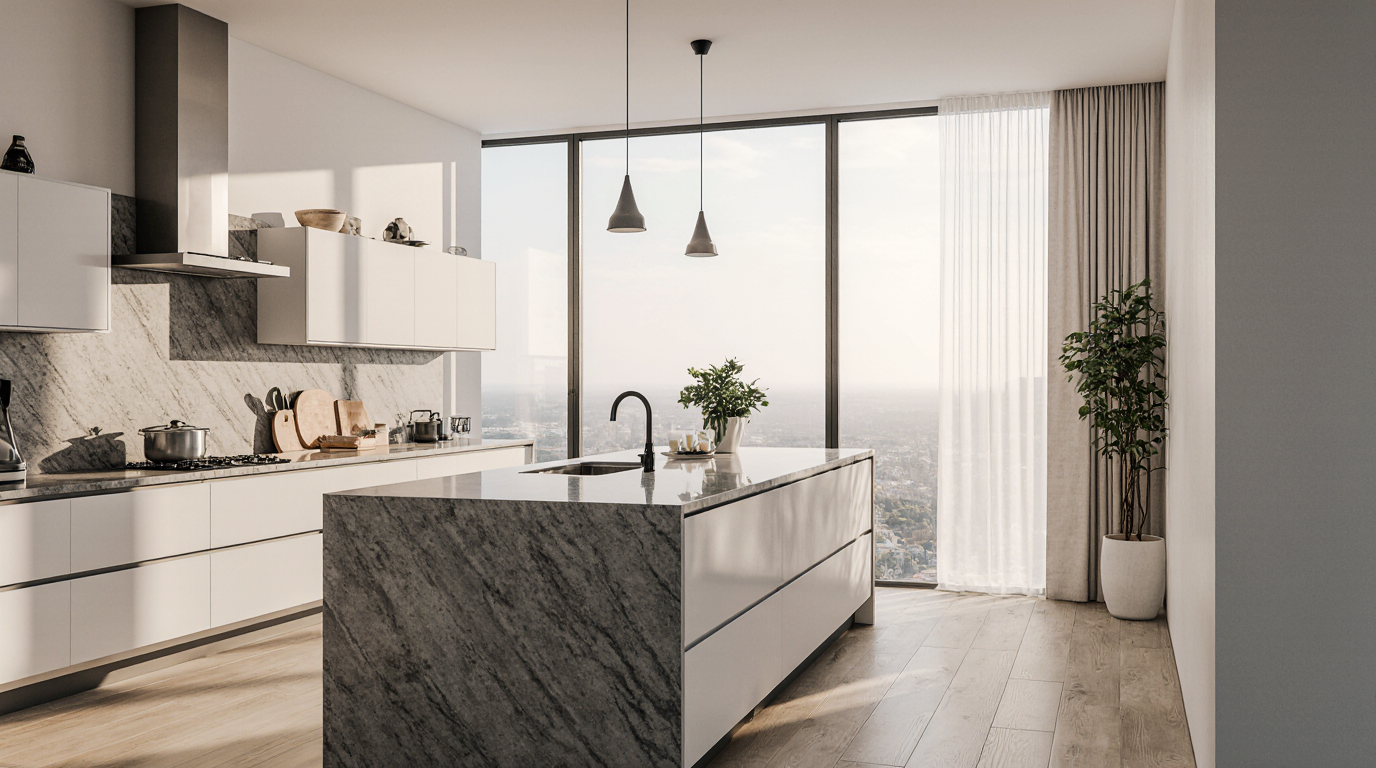
From my experience installing countertops across Sarasota County, the central challenge isn't just aesthetics; it's selecting a material that resists the triple threat of our environment: high humidity, intense UV light, and salt air. A countertop that looks pristine in a northern climate can show wear, staining, or fading within a few years here, especially in homes on Siesta Key or Lido Key. The right choice balances visual appeal with long-term resilience against our specific coastal pressures.
Here are the critical factors for Sarasota homeowners:
- Porosity and Sealing: High humidity can promote mold and mildew in porous stones. A material’s absorption rate is a non-negotiable data point here.
- UV Stability: Many resins used in engineered stones can yellow over time with direct, prolonged sun exposure, a common issue in our sun-drenched kitchens.
- Salt Air Resistance: While less of an issue for the stone itself, salt can affect sealants and adjacent fixtures, making non-porous surfaces a safer long-term bet.
- HOA Compliance: For communities like Lakewood Ranch or Palmer Ranch, exterior kitchen countertops (for lanais) must meet strict design and material guidelines, a process that can add weeks to a project timeline.
Planning Failures I See Every Season in Sarasota
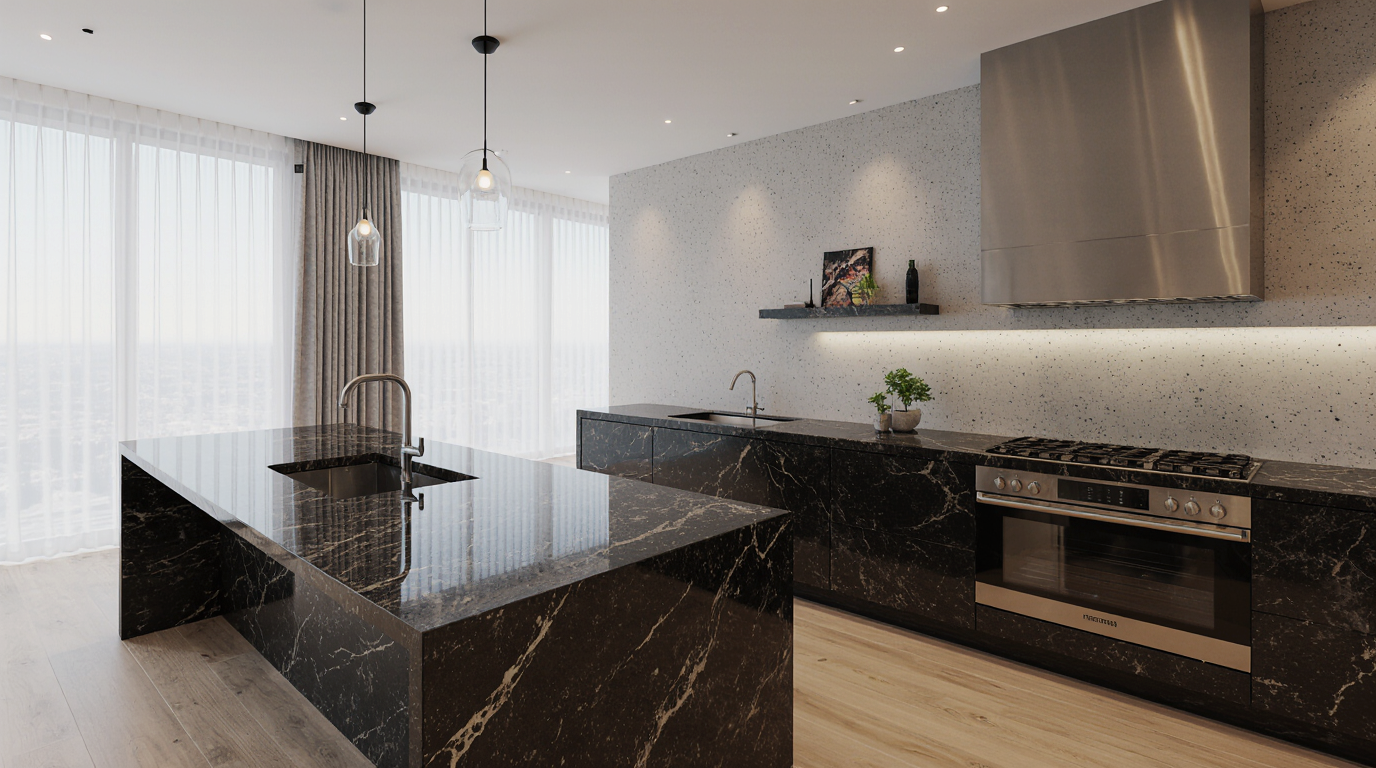
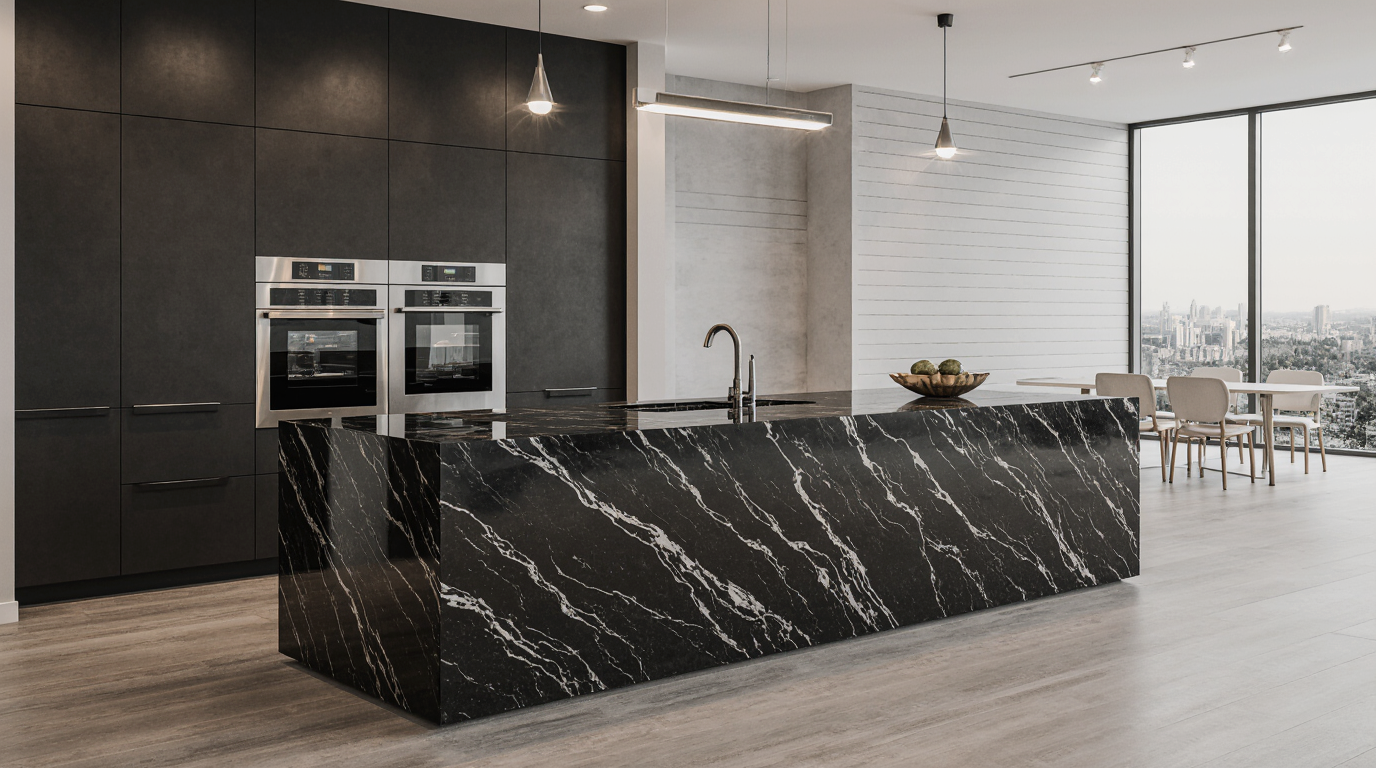
The most common missteps happen long before a slab is ever cut. They stem from prioritizing a national design trend over local environmental reality. A beautiful, veiny marble popular on social media can become a maintenance nightmare when faced with the humidity and lifestyle of a coastal Florida home.
The Most Expensive Failure: Underestimating Porosity
The pattern I’ve observed is clients falling in love with the natural, unique look of certain quartzites and marbles without fully grasping their porosity. They approve the material based on a small, perfectly sealed showroom sample. A few months after installation, especially near a sink or a lanai door, they notice water spots that don’t disappear or a stain from a spilled glass of red wine that has penetrated the stone. The cost isn't just the initial price; it's the recurring professional sealing and the permanent anxiety over every spill. In one project in a bayfront home on Longboat Key, a client insisted on a stunning but highly porous quartzite. Within a year, the area around the faucet had developed a permanent shadow from water absorption, a flaw that could only be mitigated, not removed.
The Countertop Selection and Installation Process in Practice
Choosing and installing a countertop in Sarasota involves more than just picking a color. It's a multi-stage process that must account for our local logistics and building environment. The process begins with material selection and templating, but quickly moves into fabrication and finally, installation, which must be coordinated with plumbing and electrical trades.
Material Selection Criteria for Sarasota Homes
Your choice should be filtered through a lens of local performance. I guide my clients to evaluate options based on a specific hierarchy of needs for our area.
- Non-Porous is the Default: Start with engineered quartz or ultra-compact surfaces like Dekton. Their near-zero porosity makes them impervious to moisture, staining, and bacteria growth—a major advantage in our humid climate.
- Verify UV Resistance for Sunlit Kitchens: If your kitchen is bathed in sunlight, as many in Sarasota are, ask the manufacturer for UV stability data. Some quartz brands offer lines with enhanced UV inhibitors. For outdoor kitchens, this is non-negotiable.
- Consider the “Honed” vs. “Polished” Finish Carefully: A honed (matte) finish can be beautiful but may show fingerprints and oil marks more readily than a polished surface. In a high-use family kitchen, a polished finish is often more practical for daily cleanup.
- Demand a Full Slab Viewing: Never select a natural stone from a small sample. Variations in veining and color can be dramatic across a single slab of granite or quartzite. Insist on viewing and approving the exact slab at the fabricator's yard in Sarasota or a nearby supplier.
Comparing Top Countertop Materials for Coastal Living
The debate between natural stone and engineered surfaces is nuanced. In Sarasota, the functional differences are magnified by the climate. What works perfectly in a dry, northern city might be a liability here. The best choice depends on your tolerance for maintenance and your home's specific location.
| Material | Humidity & Stain Resistance | UV Stability (Direct Sun) | Maintenance Level |
|---|---|---|---|
| Engineered Quartz | Excellent (Non-porous) | Fair to Good (Varies by brand; can yellow over time) | Very Low |
| Granite | Good (Requires sealing every 1-2 years) | Excellent | Moderate |
| Quartzite | Fair to Good (Porosity varies; sealing is critical) | Excellent | High |
| Ultra-Compact (e.g., Dekton) | Excellent (Non-porous) | Excellent | Very Low |
When Natural Stone Is Not the Right Choice
I advise against certain natural stones, like most marbles and porous light-colored quartzites, for clients who are seasonal residents or use their property as a rental. These stones require consistent, careful maintenance. If the home is vacant for months or used by renters who aren't diligent about wiping up spills, the risk of permanent staining or etching is simply too high. In these scenarios, the controlled, predictable performance of a high-quality quartz is the safer, more logical investment.
A Safe Hiring Checklist for Sarasota Countertop Installers
Vetting a fabricator and installer here goes beyond checking their gallery. You need to confirm they understand the specific demands of our coastal environment and have the proper credentials to work in our jurisdiction.
- Confirm They Are Licensed and Insured in Florida: Ask for their state license number and proof of liability and workers' compensation insurance. This is non-negotiable.
- Verify Experience with Your Chosen Material: Fabricating quartzite is vastly different from fabricating quartz. Ask for references from recent projects using the exact type of stone you are considering.
- Review Their Seaming Plan: Ask where they plan to place seams. A skilled fabricator will minimize seams and strategically place them to be inconspicuous, often using digital templating for precision.
- Inquire About Outdoor/Lanai Installation Experience: If you're planning an outdoor kitchen, ensure they understand the specific requirements for exterior-grade materials, adhesives, and compliance with Sarasota County wind load codes.
- Discuss Their Warranty Policy: Understand what the fabricator’s warranty covers (workmanship, installation) versus what the material manufacturer’s warranty covers (defects in the slab). Get it in writing.
Decisions That Determine the Final Outcome
The success of your countertop project hinges on a few key decisions made early in the process. It's rarely the color that causes long-term regret; it's almost always a mismatch between the material’s properties and the homeowner’s lifestyle and environment.
The Exact Moment the Majority Gets It Wrong
The critical mistake happens when the design process is separated from the material education process. A client works with a designer, falls in love with a look on a mood board, and then tries to find a material to match that picture. The right approach is the reverse. First, you must define the performance requirements for your Sarasota home (e.g., non-porous, UV-stable), and only then explore the aesthetic options within that qualified group. By starting with function, you prevent the disappointment of discovering your “dream” countertop is fundamentally unsuited for your life here. This single shift in perspective is the most important advice I can offer.
Practical Answers About Countertop Projects in Sarasota
Navigating a countertop installation involves practical, local considerations that are often overlooked. From dealing with community associations to understanding the logistics of slab delivery on our barrier islands, these details matter.
How Do HOAs in Communities like Palmer Ranch Affect My Choice?
Homeowner Associations, particularly in master-planned communities, often have strict design review boards. For outdoor kitchens on the lanai, the HOA may have pre-approved color palettes and material types to maintain community uniformity. It's imperative to submit your material sample and plans for approval before placing a deposit on a slab. The approval process can take anywhere from two to six weeks, a timeline that must be factored into your project schedule.
What Are the Logistical Challenges for Island Installations?
Installing heavy stone slabs on Siesta, Lido, or Longboat Key presents logistical hurdles. Many condominiums have specific service elevator hours, loading dock restrictions, and insurance requirements for contractors. Access can be limited, and transport requires careful planning. These factors can add a small but real premium to the installation cost compared to a project in an inland subdivision with easy access.
Is a Special Sealant Needed for Sarasota’s Climate?
Yes, for any porous natural stone, using a high-quality, impregnating sealer with UV-stable properties is critical. Standard-grade sealers can break down more quickly under our intense sun and humid conditions. I recommend a professional application of a premium sealer upon installation and a discussion with your installer about the appropriate re-sealing schedule, which is typically more frequent here—often annually—than in less demanding climates.