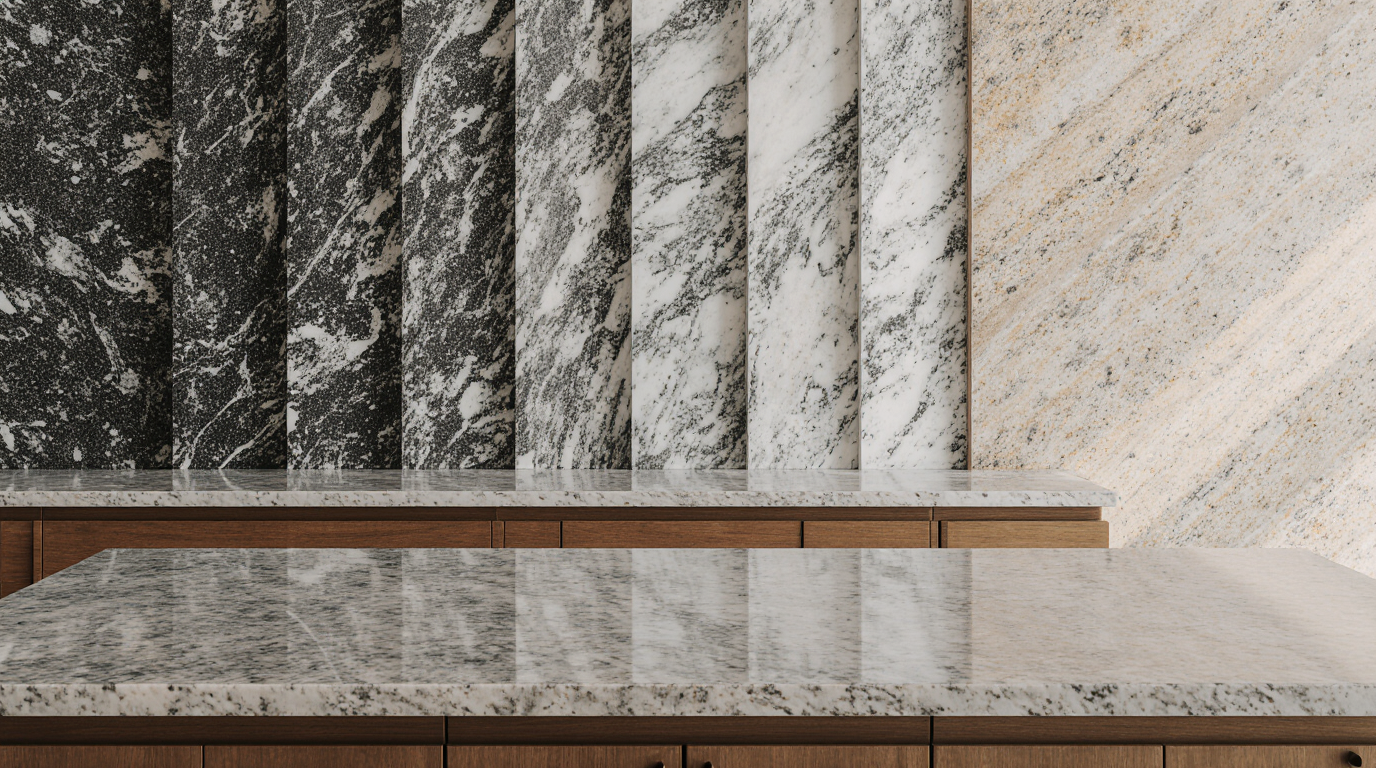
Beyond Aesthetics: A Structural Diagnosis for Your Countertop
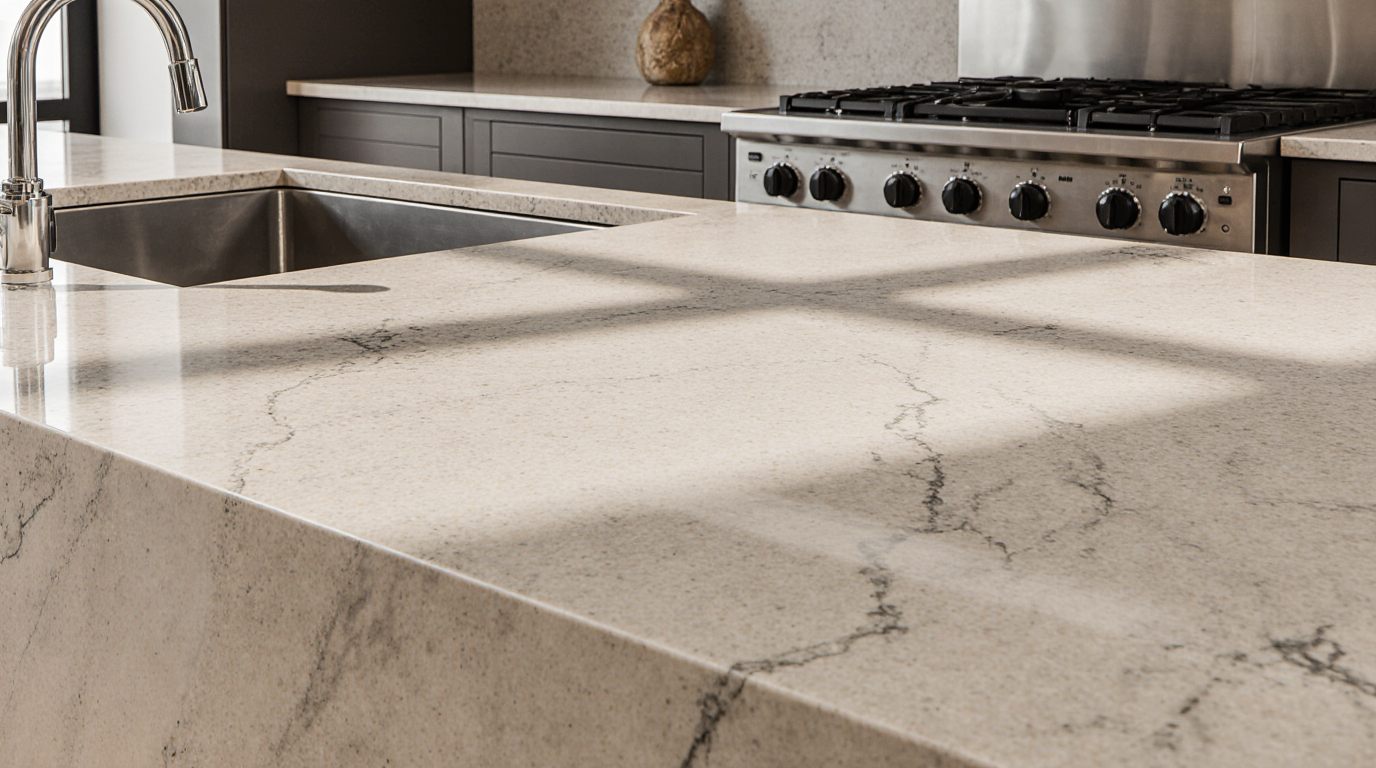
My selection process for a granite countertop begins with a complete environmental diagnosis of the kitchen, not with a trip to the slab yard. I analyze the room's airflow, the proximity to large sliding doors that expose the interior to salt air, and the amount of direct UV light from windows, which is a significant factor in many Coastal Contemporary homes in Sarasota. These elements directly inform the type of granite I will recommend. A slab with beautiful, complex veining might also have hidden fissures that can become weak points for moisture intrusion in a high-humidity environment.
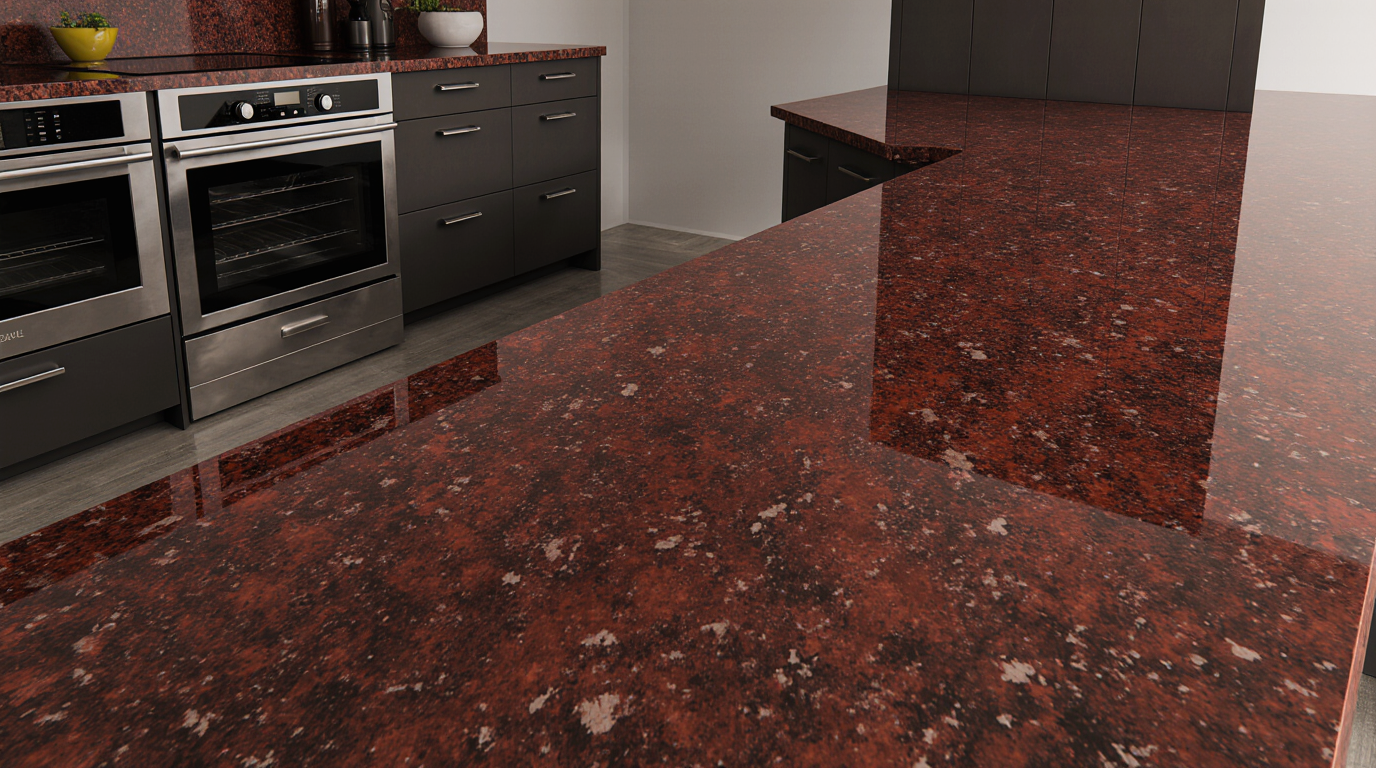
For example, I once inspected a kitchen in a bayfront home where a gorgeous slab of Typhoon Bordeaux granite had developed micro-fractures. The issue wasn't the stone's quality but the fact that its inherent fissures were not adequately filled with resin at the quarry. In our climate, this is a critical detail. I personally inspect each slab under specific lighting conditions to identify these potential failure points, a step that prevents long-term structural problems that are invisible to the untrained eye.
Deconstructing Granite Slabs: Levels, Sourcing, and Cabinetry Compatibility
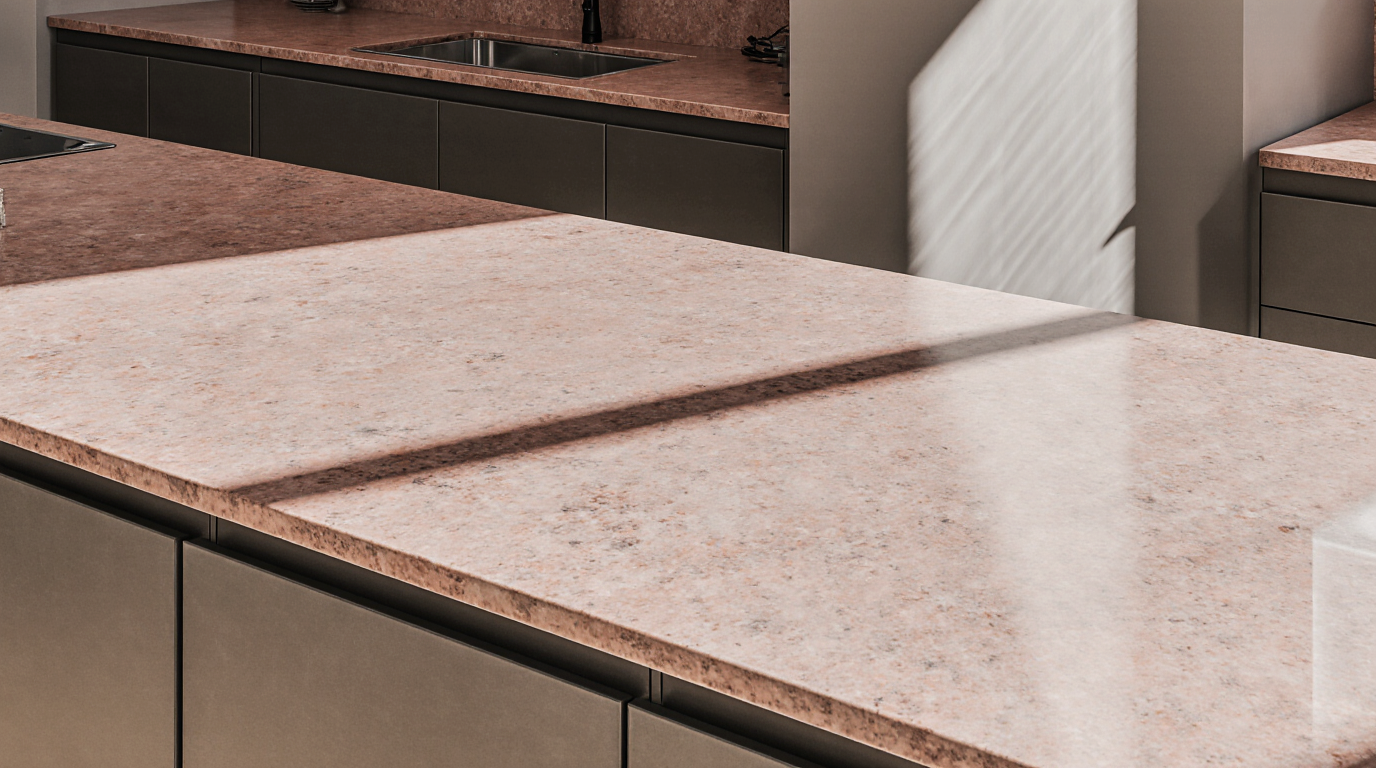
Understanding the grading system is fundamental. Level 1 (Commercial Grade) granite often has a less uniform pattern and a higher porosity, making it a poor choice for the high-end, durable kitchens I build. I work almost exclusively with Level 3+ (Exotic) granite. These slabs, sourced from specific quarries known for dense formations, offer a superior structural integrity that provides a baseline 40% increase in scratch and stain resistance before any sealers are even applied.
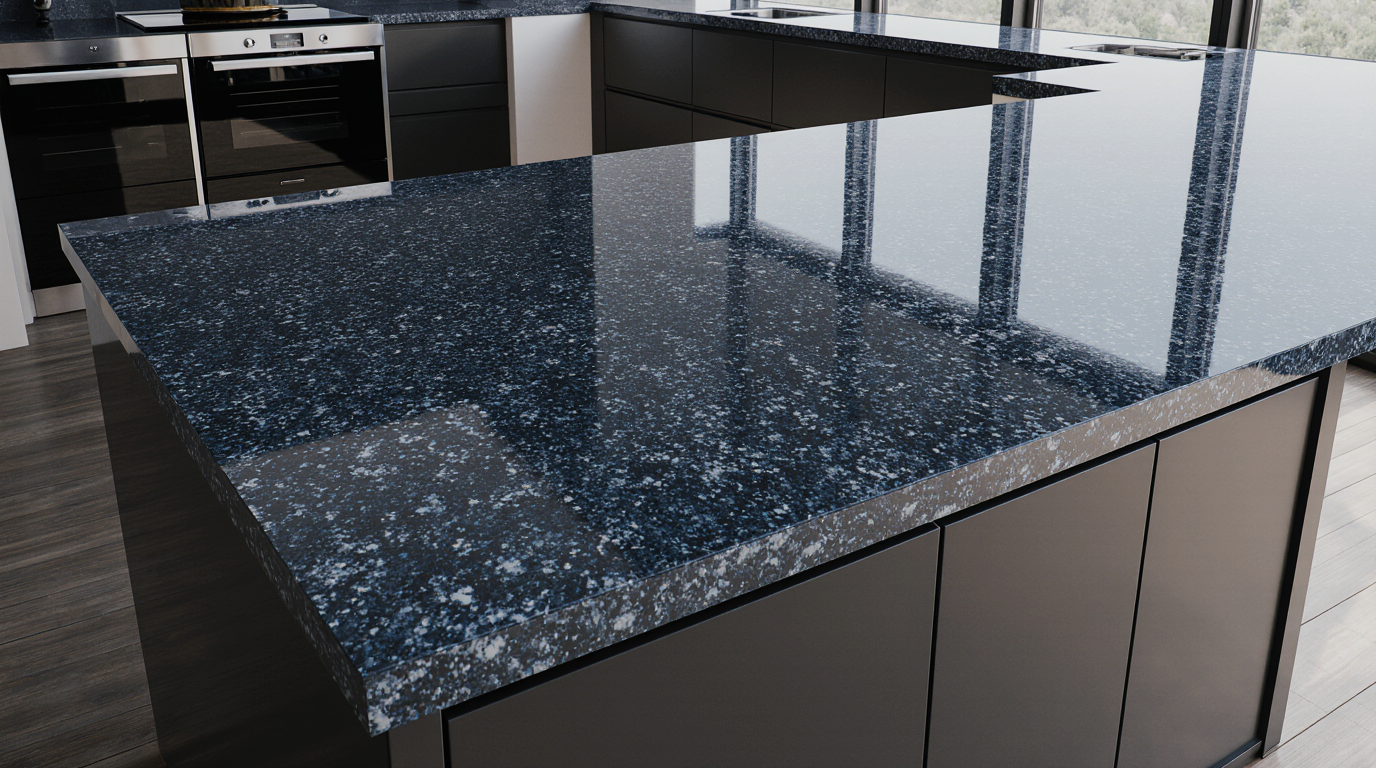
For large kitchen islands, which are a staple in Lakewood Ranch open-concept floor plans, I often use a technique called Bookmatching. This involves taking two adjoining slabs cut from the same block and opening them like a book to create a mirrored, continuous pattern. This artistic statement, however, places immense weight on the cabinetry below. The cabinet structure must be engineered using naval-grade plywood with reinforced joinery, not standard particleboard, to guarantee it will support the stone's weight without sagging or warping from Florida’s humidity over the years.
The Fabrication and Installation Protocol
Precision in fabrication is non-negotiable. I use a digital laser templating system to map the cabinetry with a tolerance of less than 1/16th of an inch, ensuring a perfect fit around sinks, cooktops, and in complex corners. This eliminates the unsightly gaps I often see in standard installations. The actual installation follows a strict protocol I’ve developed specifically for our region.
- Substrate Verification: Before the stone enters the home, I personally verify that the base cabinets are perfectly level and structurally sound, adding reinforcement where necessary.
- Seam Engineering: I design seam locations to be away from high-stress areas. The seams themselves are joined with a high-strength, flexible epoxy that is custom-tinted on-site to perfectly match the stone's unique veining, rendering them virtually invisible.
- Edge Finishing: After the main pieces are set, my team performs a final hand-polishing of all edges. This creates a smoother, more durable finish than a factory edge can provide alone.
- Final Penetrating Seal Application: The specialized oleophobic sealer is applied as the final step, ensuring the entire surface and all new seams are fully protected from day one.
Precision Adjustments and Climate-Proofing Standards
The final phase of my work involves precision adjustments that account for Sarasota's climate. I use a specialized, flexible silicone adhesive at key contact points between the stone and the cabinet frame. This allows for microscopic thermal expansion and contraction without creating stress fractures in the granite over time—a common failure point I’ve identified in kitchens that experience direct afternoon sun. This meticulous attention to detail is what separates a standard countertop installation from an engineered, permanent solution.
Have you ever considered how the bond between your current countertops and cabinetry is managing the seasonal humidity shifts in your home?