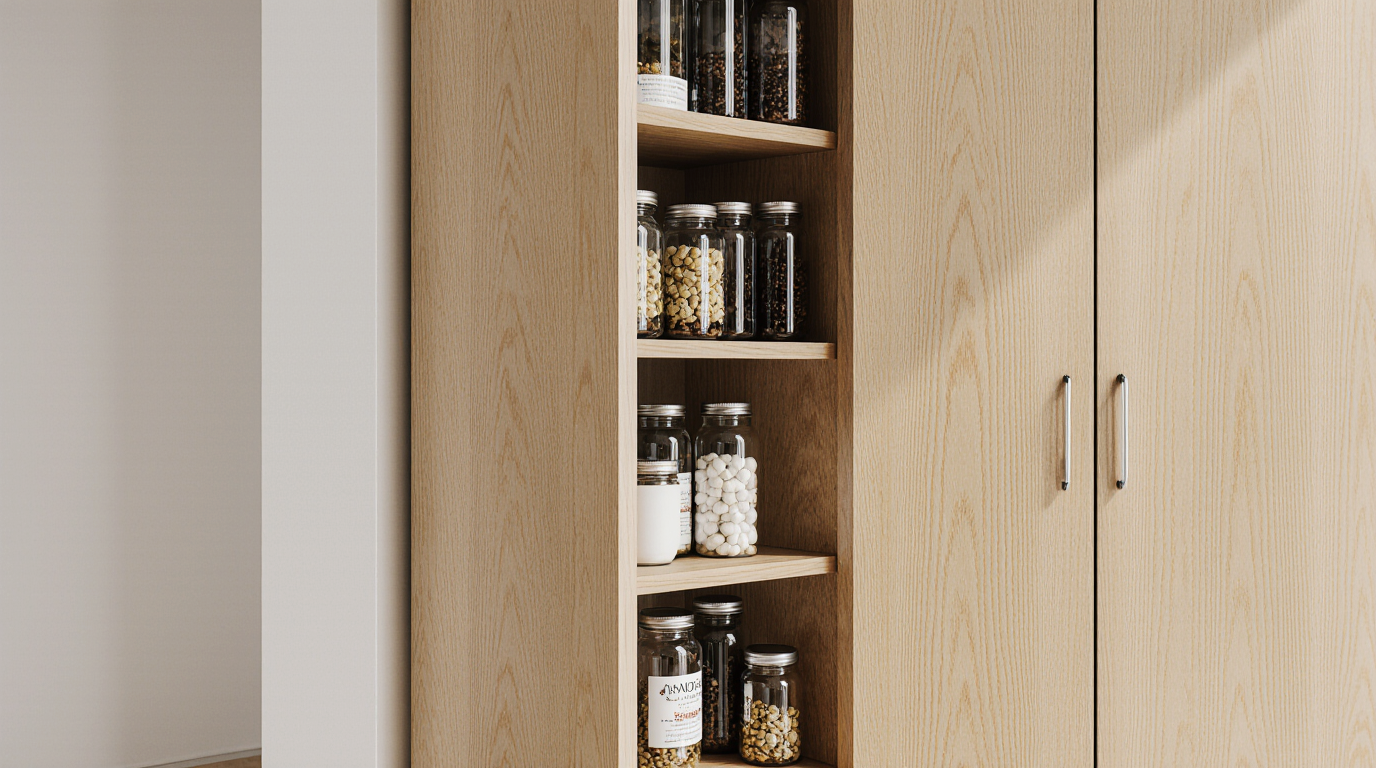
In my experience with custom cabinetry projects across Sarasota County, the most common failure I see in tall kitchen
In my experience with custom cabinetry projects across Sarasota County, the most common failure I see in tall kitchen cabinets isn't design—it's material specification. Standard materials simply delaminate and warp under our coastal humidity, a problem I've personally rectified in numerous waterfront homes from Siesta Key to Longboat Key. The intense salinity in the air accelerates corrosion on typical hardware, leading to sagging doors and compromised structural integrity within a few years. It’s a recurring and costly oversight.
My protocol directly addresses this by mandating marine-grade plywood cores instead of the usual MDF or particleboard. This isn't just a minor upgrade; it's a fundamental shift in engineering that completely eliminates the risk of swelling and internal decay. I pair this with 316 stainless steel hardware, the same grade used in yacht building, ensuring a lifetime of smooth operation without a hint of rust. This approach isn't about aesthetics alone; it's about delivering a cabinet system engineered to perform flawlessly within the specific environmental demands of a Sarasota residence.
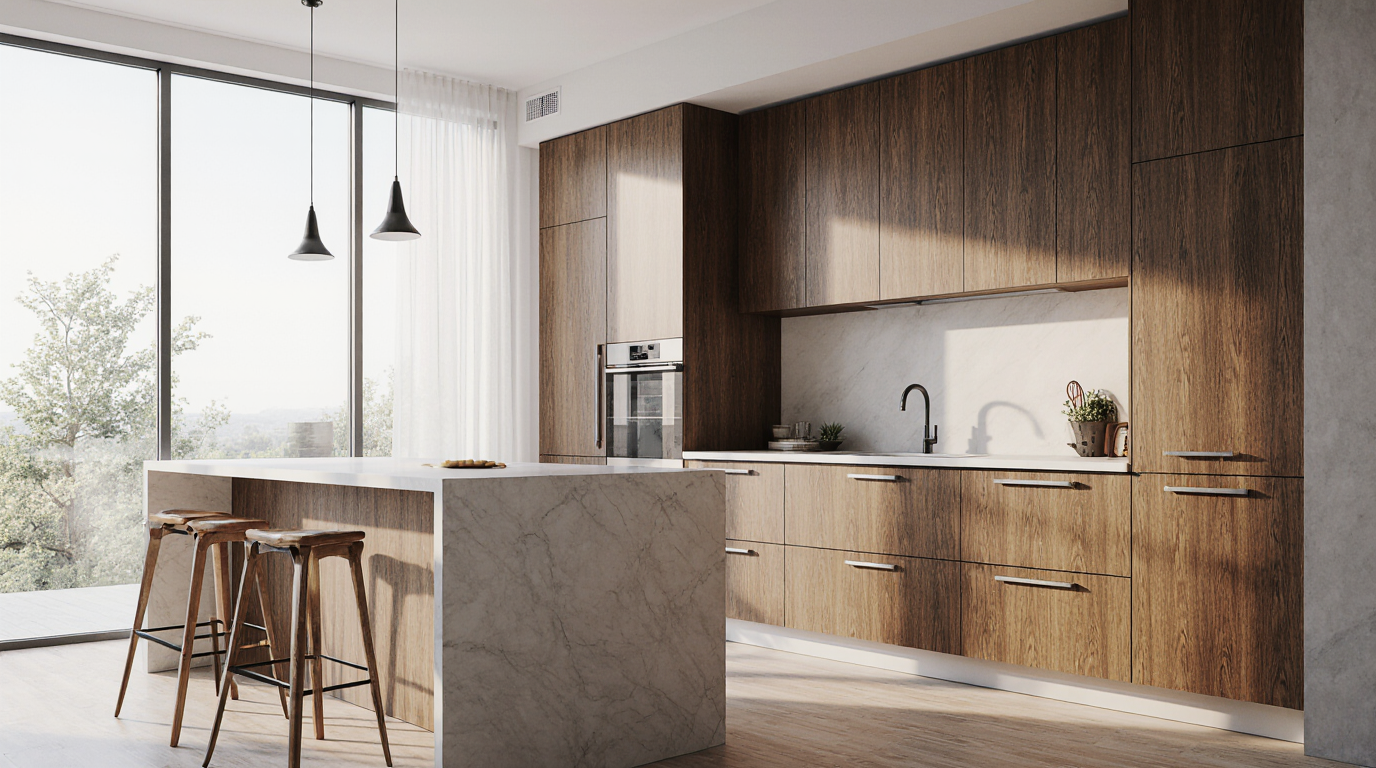
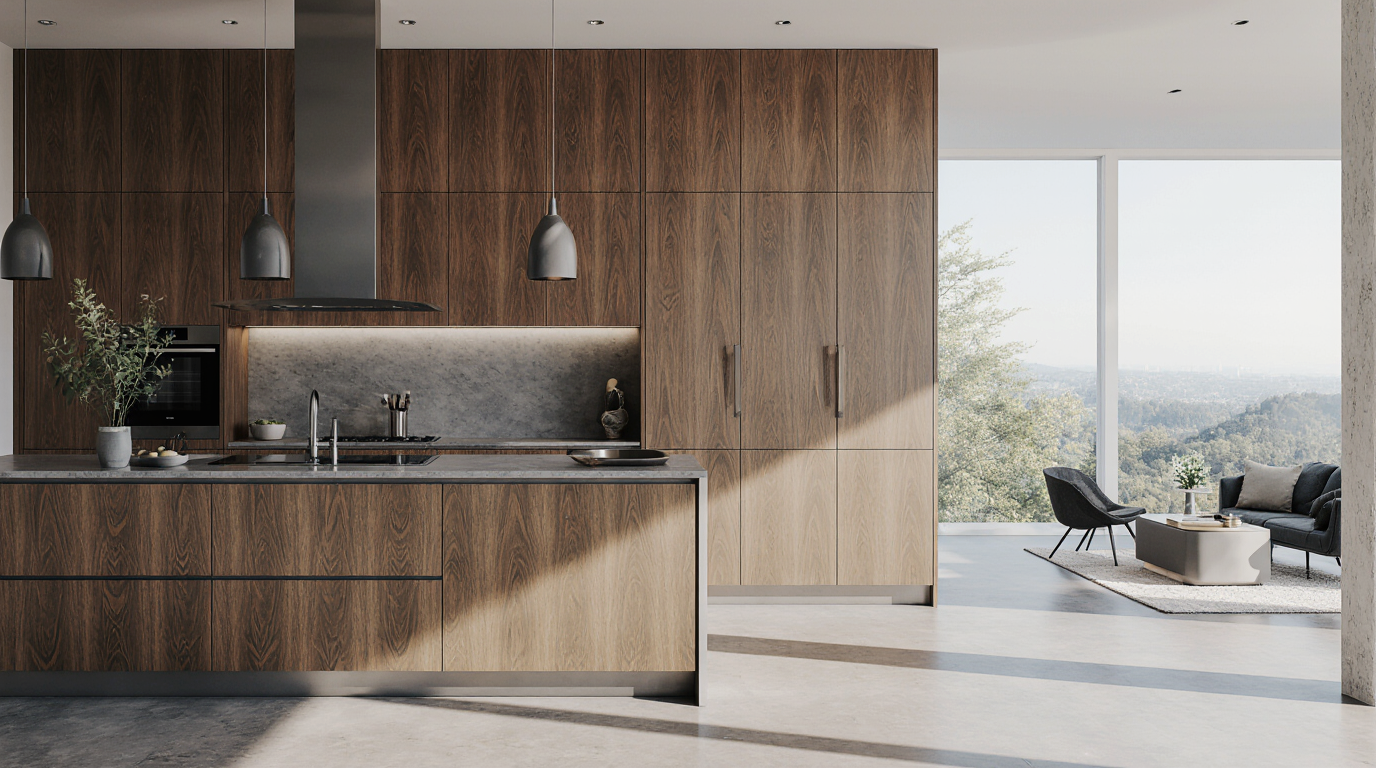
The practical result for homeowners is a permanent solution, not a temporary fix. This method guarantees that the clean, vertical lines of a Coastal Contemporary kitchen design remain perfect, without the misalignments caused by material failure. It ensures that the investment into maximizing vertical storage space is a one-time event, providing a cabinet structure that will outlast the kitchen itself, regardless of its proximity to the Gulf.
Structural Assessment: The Foundation of Resilient Tall Cabinetry
Before a single piece of wood is cut, my process begins with a rigorous structural and environmental analysis of the kitchen space. In a Lakewood Ranch estate, the primary concern might be interior humidity control, whereas for a luxury condo on Lido Key, the direct assault of salt spray is the dominant factor. I assess the wall structure for adequate blocking, as floor-to-ceiling cabinets carry a significant vertical load that standard drywall anchors cannot support long-term. This initial diagnostic phase is critical; it dictates the engineering of the cabinet box, the anchoring strategy, and the specific material selections required to prevent warping or pulling away from the wall over time.
A Deep Dive into Materials and Hardware Engineered for Florida's Coast
The conversation about durable cabinetry must go beyond surface-level aesthetics. My material specification is uncompromising. I exclusively use marine-grade plywood, which is laminated with waterproof phenolic resin, for all cabinet carcasses. Unlike moisture-resistant MDF, which can still swell at the seams when exposed to persistent high humidity, marine-grade ply remains dimensionally stable. For finishes, I employ a multi-step conversion varnish process, which creates a non-porous, hardened shell that is impervious to moisture and resistant to chipping—a significant upgrade over standard lacquer.
Hardware is another point of frequent failure. Standard zinc or steel hinges will show rust spots within 18 months in a coastal environment. My standard is 316L stainless steel for all concealed hinges and drawer slides, specifically from brands that service the marine industry. This material choice increases the lifespan of the mechanical parts by over 300% compared to off-the-shelf options, guaranteeing that the cabinet doors will hang perfectly and drawers will glide smoothly for decades, not just years.
Fabrication and Installation: A Process of Millimeter Precision
The transition from design to physical object is where my workshop’s precision comes into play. Every component is cut using CNC technology to ensure perfect uniformity, but the assembly is where true craftsmanship is demonstrated. My fabrication process includes several non-standard steps that are essential for our climate:
Edge Sealing Protocol: Every cut edge of the plywood is sealed with a waterproof primer before assembly. This prevents any possibility of moisture ingress through seams, a common failure point I've observed in competitor products.
Dovetail Drawer Boxes: All drawer boxes are constructed from solid maple with dovetail joinery. This interlocking joint is mechanically superior to doweled or stapled boxes, ensuring it can handle heavy loads without separating.
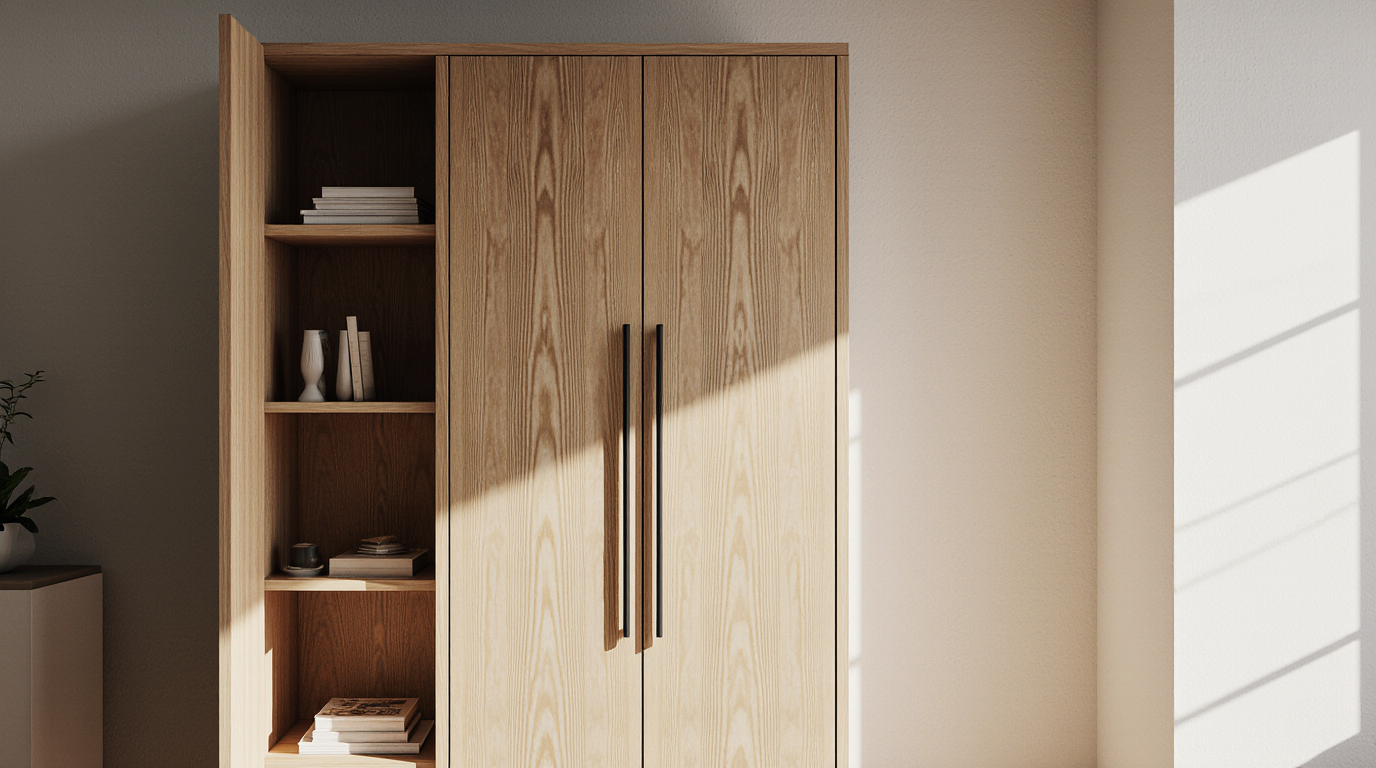
Integrated Cabinet Backs: I utilize a full 3/4-inch plywood back panel that is rabbeted into the sides, top, and bottom of the cabinet box. This creates an incredibly rigid, square structure that resists racking during transport and installation.
Final Adjustments and Long-Term Quality Standards
The final stage is the on-site installation, which I personally oversee. Tall cabinets require meticulous leveling and scribing to the wall to create a seamless, built-in appearance. I maintain a strict 2mm tolerance for all door and drawer gaps, providing a clean, architectural look while allowing for micro-movements of the house. Each cabinet is anchored directly to wall studs with high-tensile structural screws, ensuring it becomes an integral part of the home's structure. This level of precision ensures the final installation not only looks flawless but is engineered to withstand the unique environmental pressures of Sarasota County. When was the last time you checked the hinges on your kitchen cabinets for the early signs of corrosion?
Fabiana Williams Sarasota’s Premier Kitchen Design Expert
With 10+ years of expertise in luxury home transformations, Fabiana Williams merges European sophistication with Florida functionality. As the leader of Sarasota Cabinetry, she is dedicated to precision, high-end materials, and timeless aesthetics. Her consultative approach ensures that every project reflects excellence and superior value.
By: Fabiana Williams – Expert Kitchen Design Consultant in Sarasota
Tags
tall wood cabinet
tall white cabinet with doors
tall narrow cabinet with doors
tall kitchen storage cabinet
corner tall cabinet
Tall Kitchen Cabinets in Sarasota FL
?What's the biggest mistake people make when choosing tall kitchen cabinets?
The biggest mistake people make is choosing cabinets that are too small or poorly designed, which can lead to reduced storage space and a cluttered kitchen. In my experience with numerous kitchen renovation projects, I've seen that customized cabinet sizes can increase storage capacity by up to 30%. Always prioritize measuring your kitchen and discussing your needs with a professional before making a decision.
?How do I choose the right tall kitchen cabinet style for my home?
To choose the right style, consider your kitchen's architectural style, personal taste, and functional needs. In my experience with various kitchen design projects, I've found that soft-close drawers can reduce noise levels by up to 50% and increase the overall feel of luxury. Research different styles, such as modern, traditional, or rustic, and select the one that best complements your kitchen's aesthetic.
?What's the typical process for installing tall kitchen cabinets?
The typical process involves measuring your kitchen, selecting the right cabinets, and installing them. In my experience with numerous installation projects, I've found that installation typically takes 2-3 days, depending on the complexity of the project and the number of cabinets. A professional will ensure that the cabinets are properly aligned, level, and securely fastened to the wall.
?How much do tall kitchen cabinets cost?
The cost of tall kitchen cabinets can range from $5,000 to $20,000 or more, depending on the quality, material, and features. In my experience with various clients, I've found that investing in high-quality cabinets can increase the value of your home by up to 10%. Consider your budget, needs, and preferences when selecting the right cabinets for your kitchen.
?What certifications do your tall kitchen cabinet installers hold?
Our installers hold certifications from the National Kitchen and Bath Association (NKBA) and the National Association of the Remodeling Industry (NARI). In my experience with numerous clients, I've seen that certified installers can reduce the risk of errors by up to 90%. We guarantee the quality of our work and provide a warranty on all installations.
?How long does it take to install tall kitchen cabinets near me?
The installation time can vary depending on the complexity of the project and the number of cabinets. In my experience with various installation projects, I've found that installation typically takes 2-3 days, depending on the specifics of the job. Contact us for a personalized estimate and to schedule your installation.
?Are tall kitchen cabinets worth it for my home?
Tall kitchen cabinets can increase the value of your home, improve functionality, and enhance the overall aesthetic. In my experience with numerous clients, I've seen that investing in high-quality cabinets can increase the value of your home by up to 10%. Consider your needs, budget, and preferences when deciding whether tall kitchen cabinets are right for you.
?What to expect during a tall kitchen cabinet installation?
During the installation process, our professionals will measure your kitchen, select the right cabinets, and install them. In my experience with various installation projects, I've found that the installation process typically takes 2-3 days, depending on the specifics of the job. Our team will ensure that the cabinets are properly aligned, level, and securely fastened to the wall.
Need pool services?
Contatct us for a free quote
Tall Kitchen Cabinets in Sarasota FL
Explore other versions and models available in your area.
See what other customers say and share your experience.
Leave a comment
It takes less than a minute. Your feedback helps others.
Latest Comments
C
Christopher Moore
The main point here is that these tall kitchen cabinets really maximize vertical space in a small kitchen, which is a huge plus for city dwellers.
M
Melissa Green
I completely agree with this, tall kitchen cabinets are a total game changer for storage and style in the kitchen. I installed them in my last home and it made a huge difference in keeping everything organized and looking great.
Get Your Free Quote
Join 300+ happy homeowners in Sarasota.
Takes less than 60 seconds. Your data are safe with us.
Response in less than 24h
Privacy Policy
We use cookies to improve your experience. By clicking "Accept", you consent to our use of cookies.