The Unseen Foundation: Why Your Countertop's Substrate is Critical in Florida
Many homeowners focus entirely on the visible surface of their countertop, but I've learned that in Sarasota, the real battle against moisture is won or lost in the substrate beneath it. The standard practice of using particleboard or MDF as a base is a structural liability here. I've been called to homes in Lakewood Ranch where moisture, wicking up from a microscopic leak at a sink flange, has turned the MDF substrate into a swollen, unsalvageable mess. This quiet failure compromises the entire countertop's structural integrity.
My non-negotiable protocol for any coastal installation involves a marine-grade plywood substrate. Unlike conventional plywood, this material is laminated using waterproof glues, making it highly resistant to the humidity and accidental water exposure that are inevitable in a kitchen. It provides a stable, inert foundation that will not swell or delaminate, ensuring the perfect, level plane required for a solid surface installation remains permanent. This is a technical specification that adds immense long-term value and prevents the most common and costly repairs I encounter.
Material Nuances: Specifying Acrylic vs. Polyester Solid Surfaces
Not all solid surface materials are created equal. The market is broadly divided into 100% acrylic formulations and polyester-based blends. While they may look similar, their performance characteristics are vastly different. Polyester blends are often more brittle and can be prone to hairline cracking from thermal shock—for instance, placing a hot pan on the surface. While they are sometimes less expensive, I find this to be a poor trade-off in a high-use kitchen.
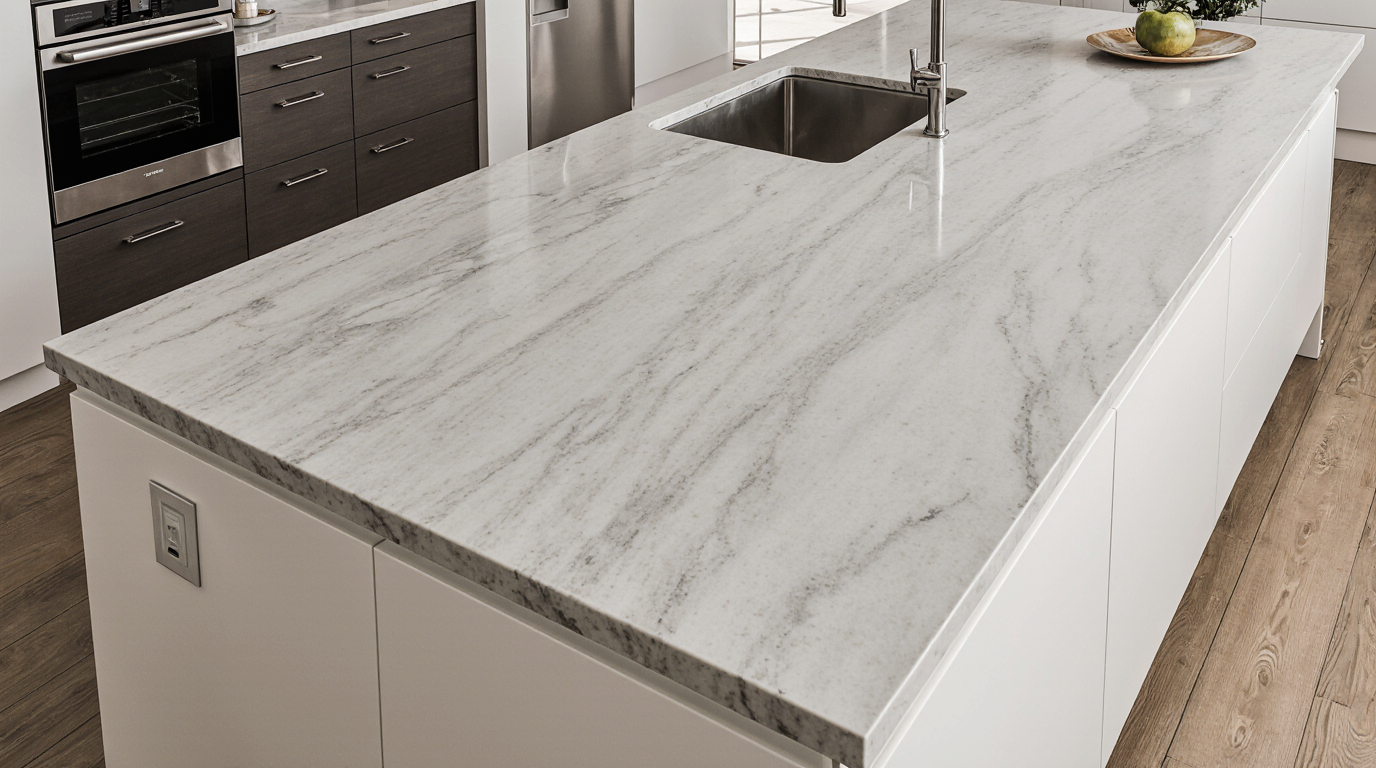
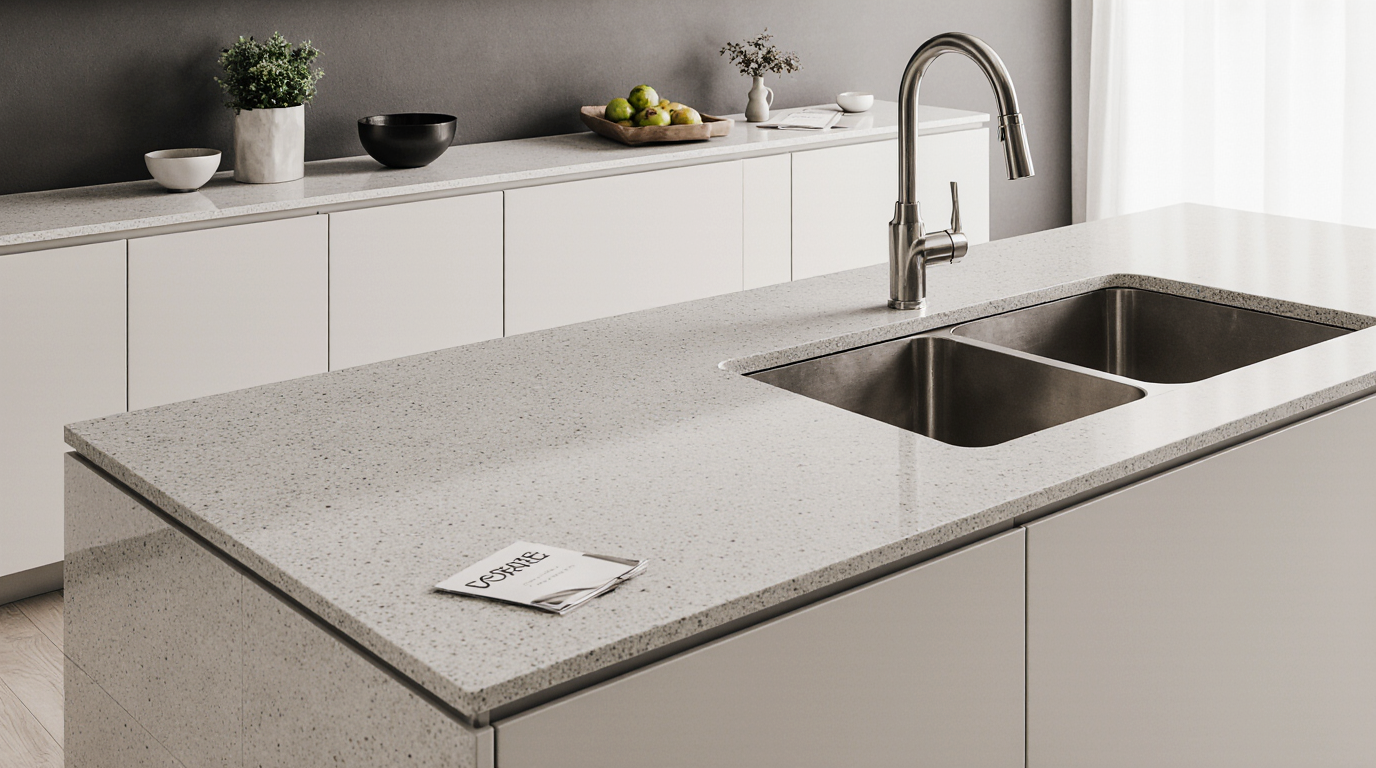
For this reason, my specifications for cabinetry projects from Venice to Bradenton exclusively call for 100% acrylic-based solid surface. This material offers superior tensile strength, greater impact resistance, and, most importantly, is far more forgiving for thermoforming and on-site repairs. The acrylic composition allows for scratches to be easily buffed out and enables the creation of complex curves and invisible seams that hold up over time. It's a choice based on engineering resilience, not just initial cost.
Fabrication Protocols for a Truly Monolithic Installation
The promise of a seamless countertop is only realized through meticulous fabrication and installation techniques. It's a process of precision that goes far beyond simply cutting a slab to size. The true artistry lies in creating durable, inconspicuous bonds and perfectly finished profiles that elevate the entire space.
My On-Site Process for Invisibility and Durability
Achieving a perfect installation, especially for large islands or complex L-shaped layouts common in open-concept Sarasota homes, requires a disciplined approach. This is the methodology I employ to guarantee a flawless and lasting result:
- Digital Templating: I use a laser templating system to capture the exact dimensions of the cabinetry and walls, accounting for any irregularities. This sub-millimeter accuracy is the starting point for a perfect fit.
- Substrate Preparation: Before the solid surface is installed, the edges of the marine-grade plywood are sealed with a waterproof coating. This is a redundant measure to ensure absolute protection.
- Adhesive Chemistry: The seams are joined using a manufacturer-matched, two-part epoxy adhesive. The color-matched formula creates a chemical bond that is as strong as the material itself, resulting in a seam that is functionally and visually non-existent.
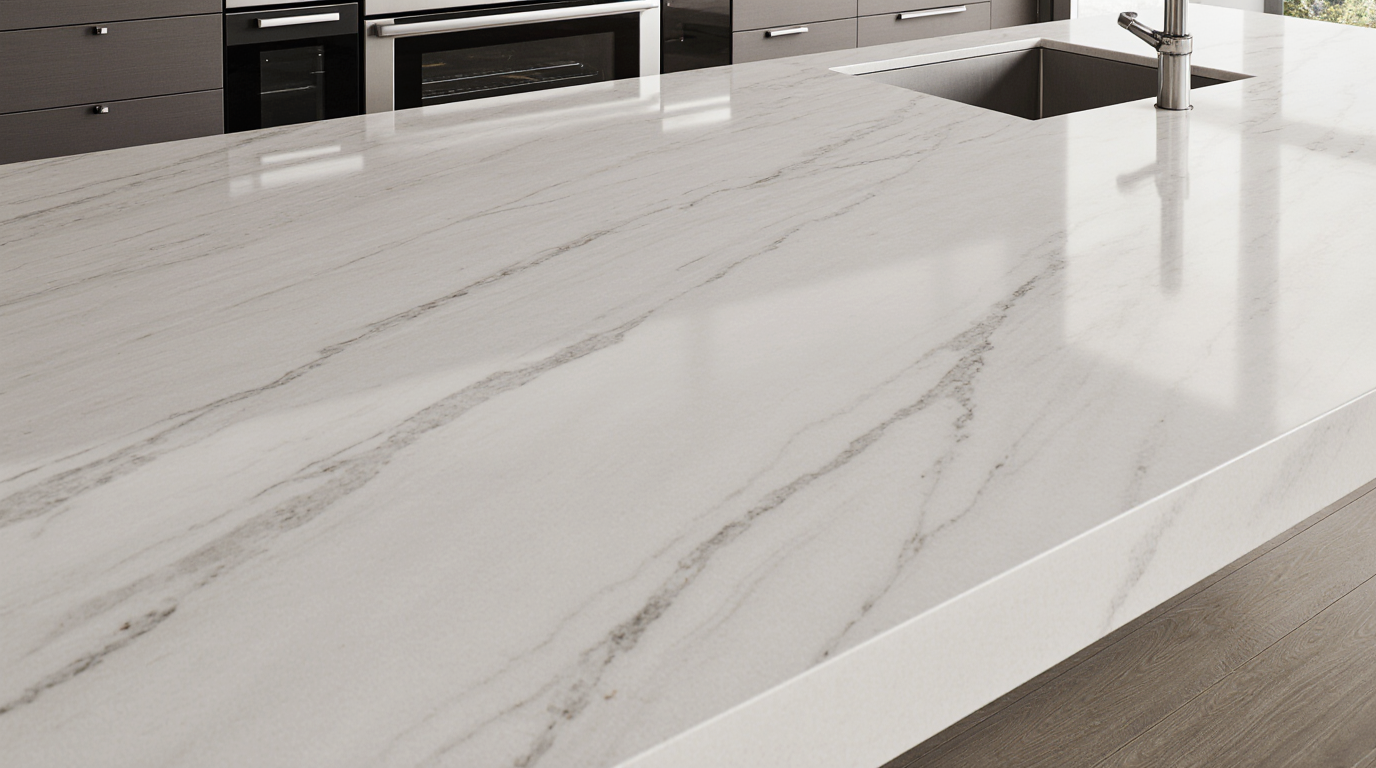
- Multi-Stage Finishing: After the adhesive cures, the entire surface is sanded and polished through a progression of grits, often up to a 1000 or 2000-grit finish, to achieve the client's desired sheen—from matte to a high gloss—and ensure a silky, uniform feel.
Considering your current kitchen's design, which element causes you the most concern regarding long-term wear and water resistance—the area around your sink, the backsplash grout lines, or the countertop material itself?