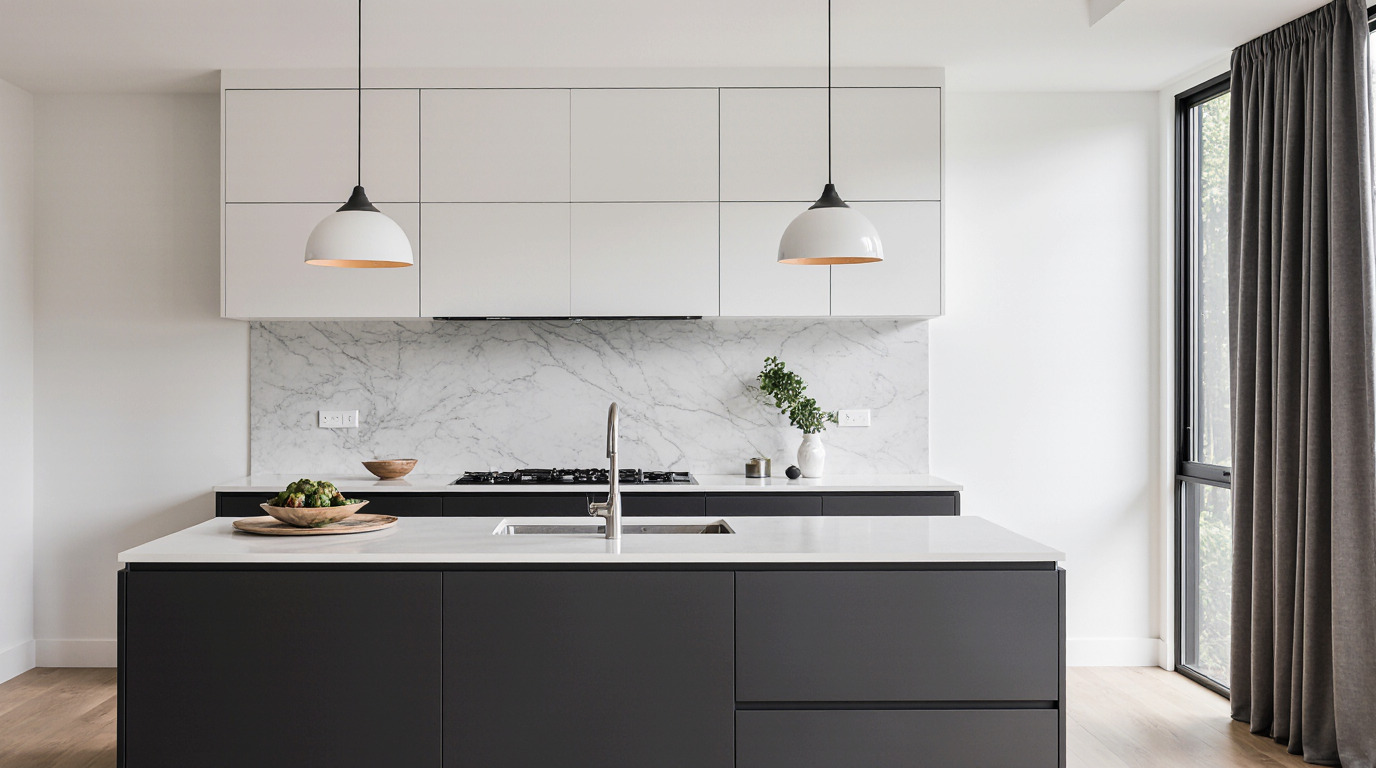
The most common mistake in a simple Sarasota kitchen renovation isn't choosing the wrong contractor; it's falling for the 'all-in-one' package deal. These offers seem affordable but often use materials ill-suited for our humid, salt-air environment, leading to peeling laminate and warped doors within a few years. A truly 'simple' and lasting renovation starts with material science, not a sales pitch.
Executive Summary: Achieving a High-Impact, Simple Kitchen Update in Sarasota
From my years executing projects across Sarasota County, a successful simple kitchen renovation hinges on strategic
From my years executing projects across Sarasota County, a successful simple kitchen renovation hinges on strategic upgrades rather than a complete overhaul. It's about maximizing visual and functional impact while minimizing structural changes that trigger complex permitting and costs. The key is understanding how our coastal environment dictates material choices and how local regulations, even for minor work, can affect timelines and budgets. The smartest investment is often in high-performance finishes and hardware that resist humidity and salt corrosion, extending the life of your kitchen far beyond what standard materials can offer.
- Focus on Refacing, Not Replacing: If your cabinet boxes are solid plywood (common in older, well-built Sarasota homes), refacing with high-quality, moisture-resistant doors and drawer fronts is the most cost-effective, high-impact change.
- Material Selection is Non-Negotiable: Prioritize quartz or quartzite countertops over porous stones, and specify marine-grade plywood for any new construction, especially in homes on the barrier islands like Lido Key or Longboat Key.
- Understand HOA Timelines: In communities like Palmer Ranch or Lakewood Ranch, even simple cosmetic changes like cabinet color or backsplash tile often require ARC (Architectural Review Committee) approval, which can add 4 to 6 weeks to your project timeline before any work begins.
- Plan for Electrical Upgrades: A simple island remodel often involves moving or adding outlets. Any electrical work requires a licensed electrician and a permit from Sarasota County, a step many homeowners overlook in their initial budget.
The Planning Failures That Inflate 'Simple' Renovation Costs
The term 'simple' can be misleading. In Sarasota, the most significant cost overruns I see stem from underestimating the impact of our environment and regulations on seemingly minor changes. Homeowners often focus on aesthetics—the color of the cabinets, the style of the hardware—while ignoring the foundational elements that ensure longevity in a coastal climate. A budget kitchen renovation quickly becomes expensive when overlooked issues surface mid-project.
The Most Expensive Failure: Ignoring What's Behind the Drywall
The costliest mistake I consistently observe is assuming that a simple cabinet replacement won't require electrical or plumbing updates. A client in an older South Gate home wanted to replace their original 1960s cabinets. Their plan was straightforward, but removing the old cabinets revealed old galvanized plumbing and ungrounded, cloth-wired electrical outlets. The project immediately paused, and the 'simple' renovation required a full plumbing and electrical rough-in to meet current Florida Building Code. Their budget nearly doubled, and the timeline extended by a month, all because the initial plan didn't account for the unseen infrastructure common in Sarasota's established neighborhoods.
How a Streamlined Kitchen Renovation Works in Practice
A well-executed simple renovation follows a disciplined process designed to prevent surprises. It's not just about demolition and installation; it's a phased approach that prioritizes planning and verification. The goal is to keep the project's scope contained, avoiding the domino effect where one change necessitates another, turning an affordable kitchen remodel into a complete gut job.
The process begins with a thorough assessment of your existing kitchen's 'bones'—the cabinet boxes, plumbing, and electrical systems. From there, we define a strict scope: are we refacing, replacing countertops, updating the backsplash, or reconfiguring an island? Each decision is weighed against its potential to trigger more extensive, permitted work. Once the scope is locked, material selection focuses on performance in our climate, followed by scheduling around any necessary HOA approvals.
Key Selection Criteria for a Sarasota Project Team
- Verifiable Experience with Humidity-Resistant Materials: Ask for specific examples of projects using PVC or high-density fiberboard (HDF) doors, not just standard wood or MDF. Inquire about their preferred sealants and finishes for coastal applications.
- In-House or Established Relationship with Licensed Trades: A contractor who has a dedicated licensed electrician and plumber is crucial. This avoids delays when an unexpected code issue arises during what was planned as a simple cosmetic update.
- Demonstrated Familiarity with Local HOA Processes: Your contractor should be able to tell you the typical review timeline and submission requirements for your specific community, whether it's The Meadows or a downtown condo association.
- Proof of Proper Insurance for High-Value Properties: Ensure their general liability insurance is sufficient for working in high-value areas like Bird Key, where property values demand higher coverage limits.
Comparing Simple Renovations to Other Approaches
Deciding on the right level of renovation is critical. A 'simple' or cosmetic update isn't always the best path, especially if the underlying layout of your kitchen is dysfunctional. Understanding the trade-offs in cost, time, and disruption helps align the project with your long-term goals and budget. The kitchen reno cost varies dramatically between these approaches, particularly in Sarasota where labor and specialized materials carry a premium.
| Indicator | Simple Renovation (Refacing & Counters) | Complete Remodel (Layout Change) | DIY / Big Box Store Package |
|---|---|---|---|
| Typical Timeline | 2-4 weeks | 3-6 months | Varies (often 2+ months due to delays) |
| Permitting Complexity | Low (often none unless electrical/plumbing is moved) | High (structural, electrical, plumbing permits required) | High risk of unpermitted work |
| Humidity/Salt Air Resilience | High (if professional-grade materials are used) | High (full control over materials) | Low (standard materials often fail prematurely) |
| Return on Investment (ROI) | Excellent (high visual impact for lower cost) | Good (but higher initial investment) | Poor (often requires re-doing within 5-7 years) |
When a Simple Renovation Is Not the Right Choice
A simple renovation is the wrong approach if your kitchen's core layout is fundamentally flawed. If you have poor workflow, inadequate storage, or a cramped space, simply putting new faces on old problems is a waste of money. I advised a client in a Gillespie Park bungalow against a simple reface because their primary issue was a refrigerator that blocked a main walkway. No amount of new paint or countertops would fix that. In such cases, investing in a complete kitchen remodel that addresses the layout is the only logical long-term solution.
Safe Hiring Checklist for Your Sarasota Project
Hiring the right team is the single most important factor in keeping a simple renovation from becoming a complex nightmare. Verification is key. A slick portfolio means nothing if the contractor isn't properly licensed, insured, and familiar with the unique demands of working in Sarasota County. This checklist goes beyond the basics to address local-specific risks.
- Verify their Florida Certified General Contractor (CGC) or Certified Building Contractor (CBC) license is active on the Florida Department of Business and Professional Regulation (DBPR) portal.
- Confirm they carry General Liability and Worker's Compensation insurance specifically for work in Florida; ask to see the certificate of insurance.
- Check for experience working in coastal high-velocity hurricane zones (HVHZ), as this impacts how cabinets and appliances must be anchored, even in a simple replacement.
- Request references from at least two recent projects within your specific Sarasota neighborhood or a similar one (e.g., a condo on Siesta Key has different challenges than a single-family home in an inland golf community).
- Discuss their process for handling unexpected findings, such as mold behind cabinets or outdated wiring, and how change orders are priced and approved.
- Ensure the contract explicitly states that all work will comply with the current Florida Building Code, not just 'local codes'.
- Ask how they manage debris removal and site cleanliness, especially in condo buildings with strict rules about common areas.
Decisions That Determine the Outcome of Your Renovation
Two clients can start with the same budget for a simple kitchen renovation and end up with vastly different outcomes. The difference almost always comes down to a few key decisions made at the very beginning of the process. I've seen firsthand that prioritizing the right elements from day one is what separates a satisfying, durable renovation from one that looks good for a year and then starts to fail.
The most successful projects are those where the homeowner allocates a disproportionate amount of their budget to things they touch and use every day: high-quality cabinet hardware, soft-close drawer glides, and a durable, non-porous countertop. These functional upgrades provide more long-term satisfaction than purely decorative elements. A kitchen island remodel, for example, is more successful when the focus is on a durable work surface and smart storage rather than elaborate decorative legs that just get in the way.
The Exact Moment When the Majority Gets It Wrong
The critical error happens during material selection. Most people are shown a standard MDF cabinet door with a thermofoil or paint finish and are told it's 'durable'. It might be, in Arizona. In Sarasota, it's not. The moment of failure is accepting standard-grade materials to save a few hundred dollars upfront. You must insist on seeing and understanding the specifications for moisture-resistant substrates, like marine-grade plywood for cabinet boxes or high-density fiberboard for painted doors, which are far more stable in our high-humidity environment. This single decision dictates whether your 'simple' renovation lasts five years or twenty.
Practical Answers About Operations in Sarasota
Navigating the practical side of a renovation in Sarasota involves more than just design and construction. You have to contend with local permitting, specific building codes, and the powerful influence of homeowners' associations. Understanding these operational hurdles upfront is essential for a smooth project.
What Is the HOA/ARC Approval Process Like for Kitchen Updates?
In many Sarasota communities, especially planned developments like University Park or Palmer Ranch, the Architectural Review Committee (ARC) or Board has jurisdiction over interior changes visible from the outside (like a kitchen window) and sometimes even purely interior finishes. You must submit a package with material samples, paint colors, and contractor details. The average review period is 30-45 days. Starting work before receiving written approval can result in fines and a stop-work order.
Do I Need a Permit for a Simple Kitchen Renovation?
It depends entirely on the scope. According to the Sarasota County permitting office, you do not need a permit for cosmetic work like painting cabinets, replacing countertops (with no plumbing changes), or installing a new faucet in the same location. However, the moment you move or add an electrical outlet, alter a plumbing line, or touch a load-bearing wall, a permit is required. A kitchen island remodel that adds a sink or cooktop always requires both plumbing/electrical and building permits.
How Does the Florida Building Code Affect Cabinet Installation?
The Florida Building Code, particularly its High-Velocity Hurricane Zone (HVHZ) provisions applicable in many coastal areas of Sarasota, has specific requirements for anchoring. Upper cabinets, for instance, must be securely fastened to structural members (studs) to prevent them from becoming projectiles in a major storm. A qualified installer will use longer, structural screws and ensure proper blocking. This is a non-negotiable safety standard that a handyman or unqualified installer might overlook, creating a significant hazard.