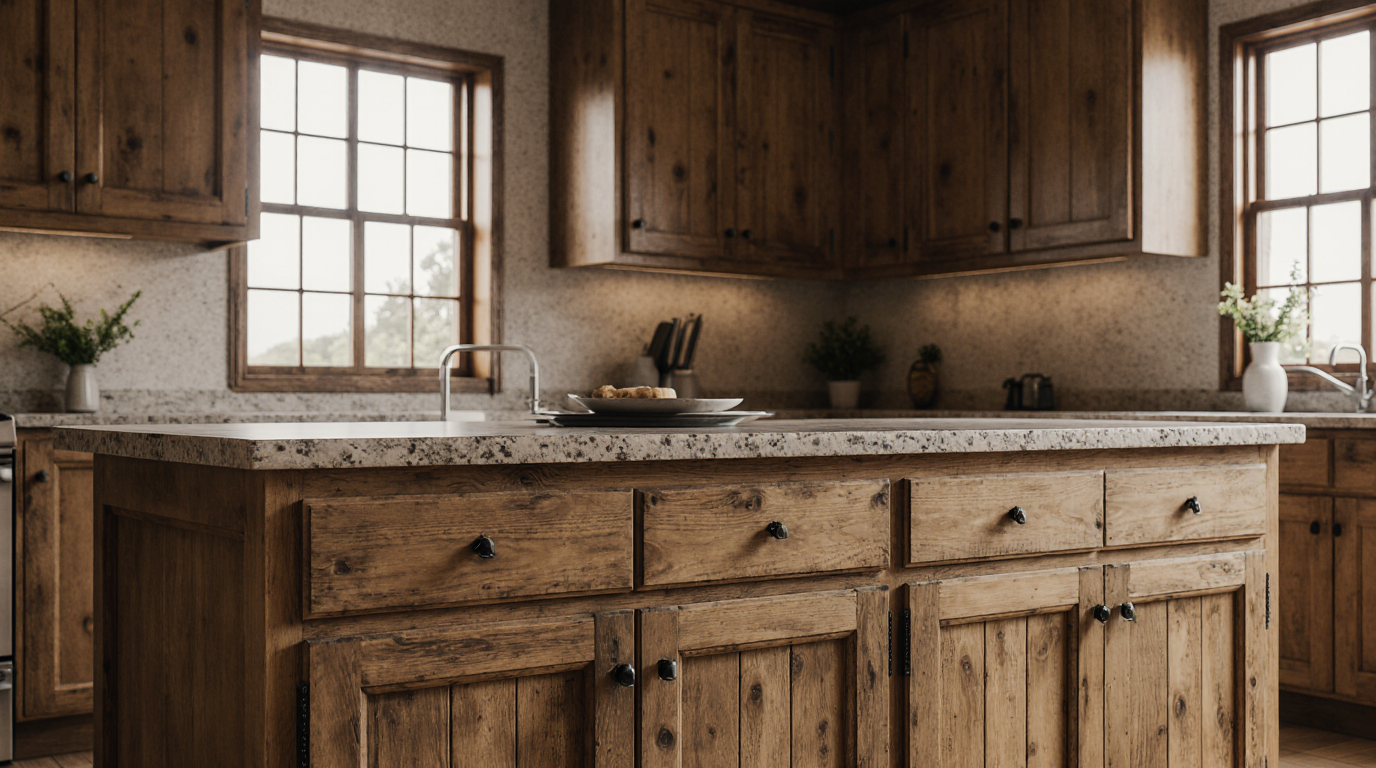
My Diagnostic Framework for Coastal Kitchen Cabinetry
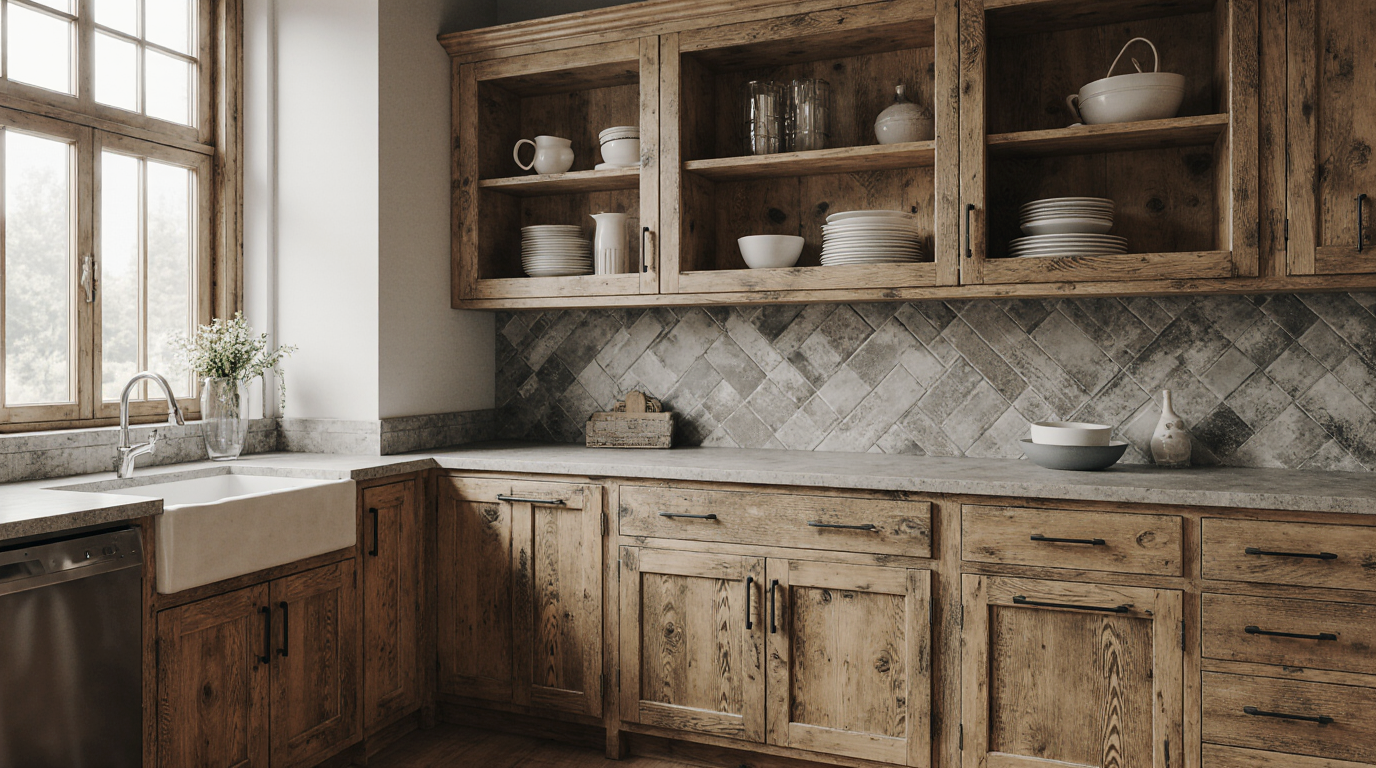
Before a single piece of wood is cut, my process begins with an environmental analysis of the home itself. A rustic kitchen design for a waterfront estate on Lido Key faces entirely different pressures than one in an inland Lakewood Ranch home. I assess factors like the building's orientation to the Gulf, the efficiency of the HVAC system, and the amount of direct sunlight the kitchen receives. These elements dictate not just the choice of wood, but the engineering of the cabinet boxes themselves. For instance, in a home with high western exposure, I will engineer cabinet doors with a slightly thicker stile and rail profile to provide an extra 15% resistance against potential warping from the intense thermal cycling.
This diagnostic phase allows me to tailor the rustic aesthetic to the home's specific conditions. True rustic design is about celebrating the nature of the material, not fighting a losing battle against it. My methodology ensures the wood species, joinery techniques, and finish system are all selected to work in harmony with the Sarasota environment, rather than becoming a casualty of it. This prevents the common issues I'm often called to fix: split panel doors, sticky drawers, and the tell-tale signs of finish failure around sinks and dishwashers.
Beyond the Surface: Material Specification for True Rustic Longevity
Achieving a durable rustic look in Florida requires looking past the surface appearance and focusing on the core components. For wood species, I often recommend quarter-sawn White Oak for its stability and beautiful grain; its unique cut minimizes the seasonal expansion and contraction that is so pronounced in our humidity. While Alder is popular for rustic designs, I only specify it for inland projects after it has been properly acclimated and sealed with a multi-step catalyzed varnish process.
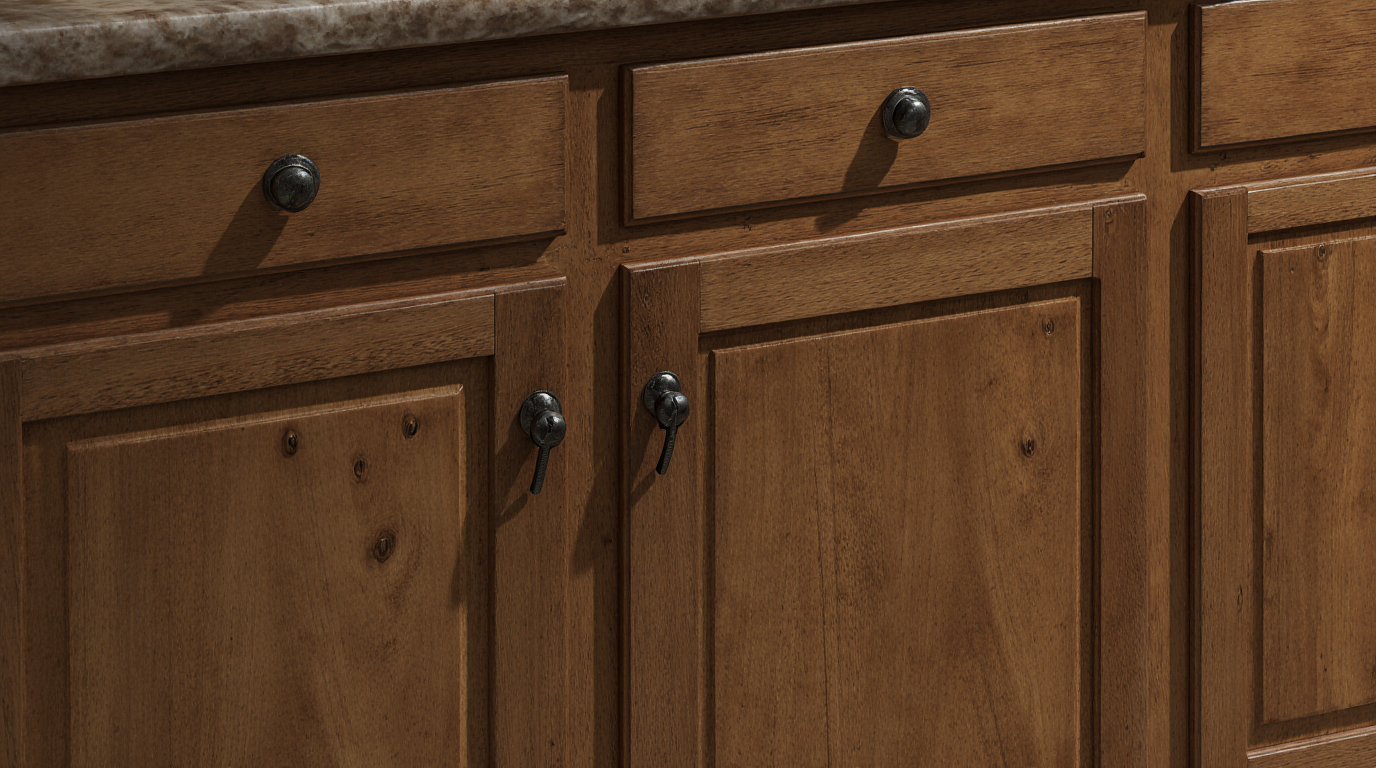
The cabinet box construction is where most projects fail. I avoid standard MDF and particle board entirely. My standard is a high-ply-count marine-grade plywood, which uses waterproof glues in its lamination process, making it impervious to the delamination that plagues lesser materials. For hardware, every hinge and drawer slide must be a soft-close mechanism rated for marine use. I rely on specific series from manufacturers like Blum that utilize stainless steel components internally, ensuring smooth operation that won't seize up from microscopic salt crystallization over time. This single choice can increase the functional lifespan of the cabinetry by over 40%.
From Workshop to Waterfront: My Fabrication and Installation Protocol
A successful rustic kitchen is born from a strict, repeatable process that bridges the controlled environment of my workshop with the unique conditions of the client's home. Precision in fabrication is key to managing the challenges of our climate.
- Material Acclimation: All solid lumber is stored in a climate-controlled section of my workshop for a minimum of two weeks to stabilize its moisture content before milling. This step is critical for minimizing wood movement after installation.
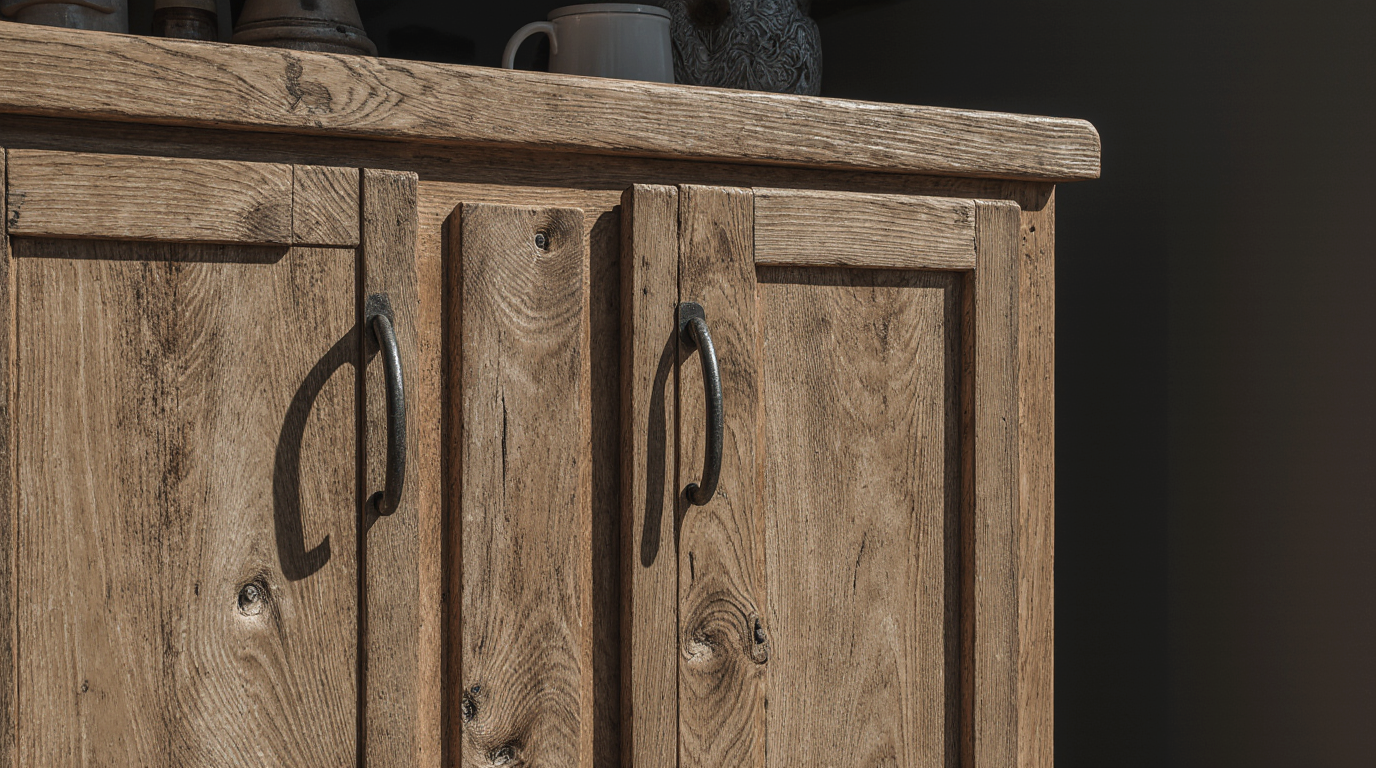
- Joinery and Assembly: I utilize traditional joinery like mortise and tenon for all door frames, which provides superior strength and longevity compared to the pocket screws or dowels used in mass-produced cabinetry. Every joint is sealed internally before assembly to block moisture ingress.
- Finishing Process: Each component receives a seal coat on all six sides—including end grains—before the final finish is applied. This encapsulation technique is the single most effective defense against moisture absorption and is a non-negotiable part of my protocol.
- On-Site Installation: Installation is performed using laser leveling to ensure perfect alignment. I pay meticulous attention to scribing cabinets to walls, ensuring a seamless, built-in look that leaves no gaps for moisture or pests to hide.
Achieving Perfect Tolerances in Florida's Climate
The final stage of my work involves precision adjustments that account for the reality of living in Sarasota. Wood will always move, so my design anticipates it. I engineer subtle but critical expansion gaps into the cabinetry system, particularly around inset doors and drawer fronts. These reveals, typically no more than 1/16th of an inch, are aesthetically invisible but functionally essential. They allow the wood to expand during our most humid summer months without the doors binding or rubbing against the frame—a common complaint I hear about other installations.
This level of detail extends to the final calibration of all moving parts. Every door is adjusted for a perfect, uniform reveal, and every soft-close drawer is calibrated to close smoothly and silently. This is the final signature of quality craftsmanship, ensuring the kitchen not only withstands the Sarasota climate but also delivers a superior user experience every day. It's the functional proof that the underlying engineering is sound.
After a humid Sarasota summer, do your current cabinet doors stick and scrape, or do they close with silent, satisfying precision?