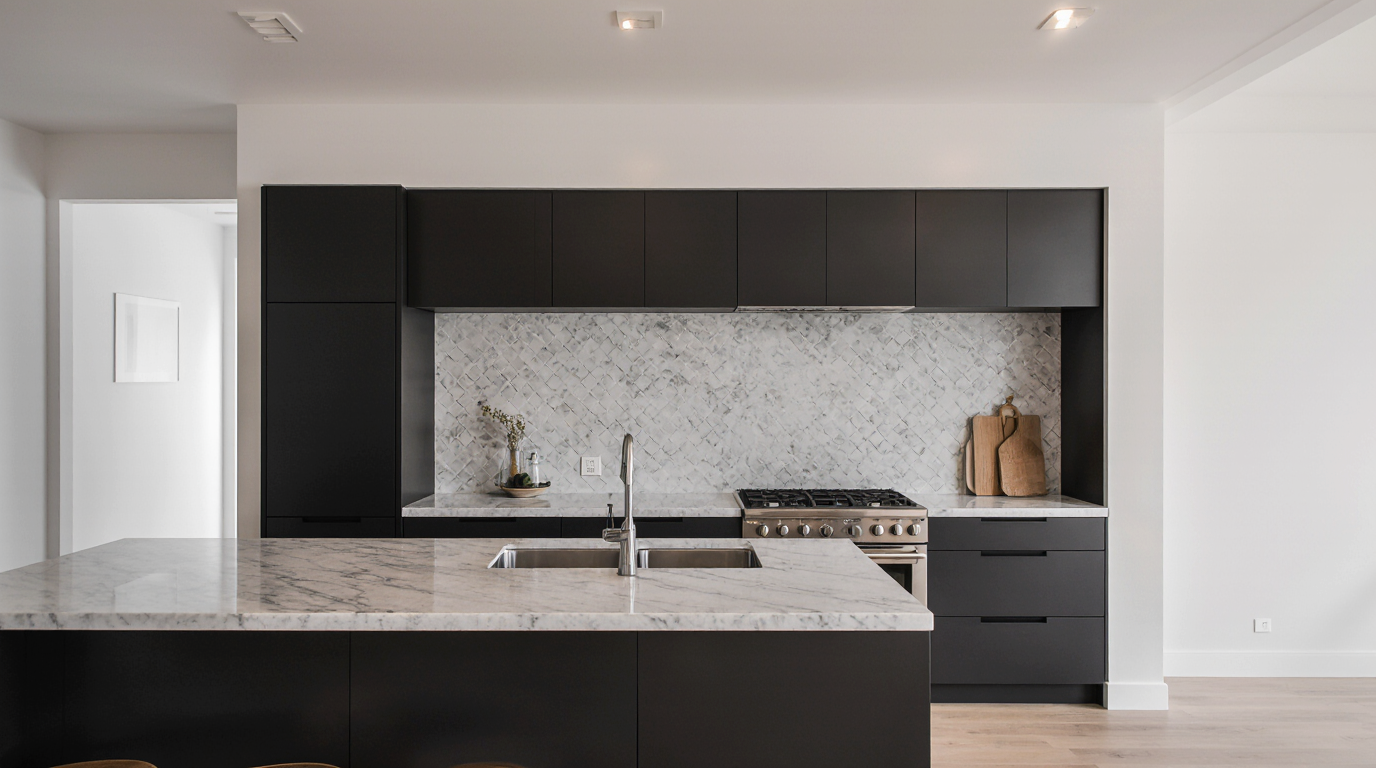
The biggest financial risk in a Sarasota kitchen renovation isn't the initial quote. It’s choosing materials based on how they look in a catalog instead of how they perform against 90% humidity and salt air. I’ve seen more projects require expensive repairs within five years due to warped cabinet doors and corroded hardware than from any other single cause. The most durable kitchen here is often the one that prioritizes marine-grade specs over trendy aesthetics, a lesson many learn too late.
Executive Summary: Your Sarasota Kitchen Renovation Framework
From my direct experience managing projects from Lakewood Ranch to Siesta Key, a successful Sarasota kitchen renovation
From my direct experience managing projects from Lakewood Ranch to Siesta Key, a successful Sarasota kitchen renovation hinges on preemptively addressing our coastal climate. It's a technical challenge disguised as a design project. Success means building for longevity against humidity, salt, and storm risks, which directly impacts your full kitchen renovation cost and long-term satisfaction. The key is to budget for material resilience, not just appearance.
- Material Priority: Marine-grade plywood boxes, solid wood or high-density fiberboard (HDF) doors, and stainless steel (316 grade) or PVD-coated hardware are non-negotiable for longevity.
- Humidity Management: Proper ventilation planning, including correctly sized range hoods vented to the exterior, is a building code requirement and a critical functional element.
- Code Compliance: All electrical and plumbing work requires permits from the Sarasota County Building Department and must adhere to the latest Florida Building Code, which includes specific provisions for coastal construction.
- Timeline Reality: Factor in a minimum of 4-6 weeks for HOA design review in communities like Palmer Ranch or The Concession before any work can even be scheduled.
The Critical Planning Failures I See in Sarasota Projects
The most common missteps happen long before demolition begins. They stem from underestimating the impact of our local environment and the administrative hurdles unique to our area. Homeowners often focus on the national average for a kitchen remodel estimated cost, not realizing that Sarasota's climate and regulatory landscape add a specific premium for doing the job correctly.
The Most Expensive Failure: Ignoring Humidity in Cabinet Selection
The single costliest mistake is choosing standard MDF (medium-density fiberboard) or particleboard for cabinet boxes to save a few thousand dollars upfront. I was called into a project on Longboat Key where a client's two-year-old kitchen, built with standard materials, had cabinet doors that would no longer close properly due to swelling. The cost to replace the failing cabinets was nearly 70% of the original renovation budget, a completely avoidable outcome had they invested in marine-grade plywood or Medex from the start.
The Renovation Process in Practice for a Sarasota Home
A properly managed kitchen renovation in Sarasota follows a strict sequence to navigate both physical construction and local bureaucracy. It begins with design and material specification, moves through permitting and HOA approvals, and only then proceeds to demolition and installation. Skipping or reordering these steps is the fastest way to incur fines and significant delays, especially in deed-restricted communities.
Key Selection Criteria for a Local Contractor or Designer
When looking for kitchen upgrade professionals near you, your checklist must be specific to our region. A general contractor with a great portfolio from a non-coastal city may not have the necessary experience.
- Verifiable Experience with Coastal Materials: Ask for specific examples of projects using marine-grade plywood, exterior-grade finishes, and corrosion-resistant hardware.
- In-House or Established Permitting Process: They must demonstrate a clear and efficient process for filing permits with Sarasota County, not learning it on your project.
- HOA Navigation Expertise: They should be able to show you a history of successful submissions to demanding design review boards in communities like Lakewood Ranch or The Founders Club.
- Licensed and Insured for Florida: Verify their license on the Florida Department of Business and Professional Regulation (DBPR) website and confirm they carry liability and worker's compensation insurance valid in the state.
Comparing a Full Renovation to Partial Upgrades
Deciding between a gut renovation and smaller upgrades involves weighing cost, disruption, and long-term value. In Sarasota, this decision is heavily influenced by the age and condition of the existing kitchen's core structure. A partial upgrade on a kitchen with particleboard boxes in a waterfront home is often a poor investment.
| Factor | Full Renovation | Cabinet Refacing | Countertop & Backsplash Swap |
|---|---|---|---|
| Typical Cost Range | $60,000 - $150,000+ | $10,000 - $25,000 | $8,000 - $20,000 |
| Humidity Resistance | High (with proper materials) | Low to Medium (core boxes remain) | Unchanged (core boxes remain) |
| Permitting Required | Yes (Plumbing, Electrical, Structural) | Typically No | Typically No (unless plumbing is moved) |
| Timeline | 3-6 Months | 1-2 Weeks | 1 Week |
When a Full Renovation is Not the Right Choice
A full renovation is overkill if your home is relatively new (less than 10 years old), located inland away from the Intracoastal, and was built with decent-quality semi-custom cabinets. If the cabinet boxes are solid plywood and the layout functions well, you are often better off investing in refacing, new countertops, and high-end appliances. Tearing out a structurally sound kitchen just to change the door style is not a good return on investment.
A Safe Hiring Checklist for Your Sarasota Project
To protect your investment, your vetting process must be rigorous and locally focused. Finding affordable kitchen designers is possible, but they must still meet these technical benchmarks. This checklist goes beyond checking online reviews and delves into the specifics of building in our coastal county.
- Verify their Florida Certified General Contractor (CGC) or Certified Building Contractor (CBC) license is active and without complaints.
- Request a Certificate of Insurance showing both General Liability and Worker's Compensation coverage specific to Florida.
- Ask for at least two local references for kitchen projects completed within the last 18 months, specifically in a coastal or waterfront setting.
- Confirm they will be pulling all necessary permits under their own license, not asking you to secure a homeowner permit.
- Review a sample contract to ensure it includes a clear scope of work, payment schedule, and a stated process for handling change orders.
- Discuss their material sourcing, specifically where they procure marine-grade plywood and corrosion-resistant hardware.
Decisions That Determine the Final Outcome
The success of remodeling your kitchen is not determined on the final day of installation, but by a few key decisions made in the first few weeks. These choices have cascading effects on budget, timeline, and the durability of the finished space. I’ve seen that clients who are methodical here have a smoother process and a better long-term result.
The Exact Moment Most Homeowners Get It Wrong
The critical error happens when homeowners select their appliances after the cabinet layout is finalized. They fall in love with a cabinet design, sign off on it, and then discover the high-end refrigerator or professional-style range they want has different clearance requirements or utility hookups. This forces expensive post-approval changes to the cabinet plans. The correct order is to finalize all appliance models and provide the spec sheets to your designer before they draw the first line of the cabinet layout. This dictates the entire plan from the start.
Practical Answers About Operations in Sarasota
Navigating the local system is just as important as choosing the right countertop. Here are the common operational hurdles and how to address them for a kitchen project in Sarasota County.
Navigating the Sarasota County Permitting Process
Any kitchen renovation involving moving walls, changing plumbing locations, or altering electrical wiring requires a permit from the Sarasota County Planning and Development Services. A simple cosmetic upgrade does not. The plan review process currently averages 30-45 business days after submission. This timeline must be built into your project schedule from day one. Working without a required permit can result in a stop-work order and fines.
Satisfying HOA Design Review Board Requirements
In communities like Prestancia or Laurel Oak, the Homeowners Association (HOA) design review board has final say on any exterior modifications, which can include new window placements or exhaust vent locations. You must submit your full plan, including material samples and color palettes, for their approval *before* applying for a county permit. This can add an additional 4-8 weeks to your pre-construction timeline.
Impact of Florida Building Code on Kitchen Design
The Florida Building Code (FBC) has specific requirements that affect kitchen design, especially in homes located in wind-borne debris regions (common on the barrier islands). For example, any new windows must be impact-rated. More subtly, the code dictates electrical outlet placement (e.g., on island ends and spacing along countertops) and requires that range hoods vent to the exterior, not recirculate, which can impact cabinet and ceiling design.