The client called me six months after another company had refinished their cabinets. The new white paint was already yellowing near the stove, and a door under the sink was swelling at the bottom edge. They had chosen the lowest of three bids, saving what they thought was a significant amount. The problem wasn't the contractor's workmanship; it was that the materials quoted were for an entirely different climate, not the relentless humidity of a home west of the Trail in Sarasota.
Executive Summary: Decoding Cabinet Redo Costs in Sarasota
From my experience handling cabinet projects from Siesta Key condos to Lakewood Ranch homes, the quoted price to redo
From my experience handling cabinet projects from Siesta Key condos to Lakewood Ranch homes, the quoted price to redo cabinets in Sarasota is only the starting point. The real cost is determined by how well the chosen method and materials withstand our coastal environment. A cheap paint job will fail. A standard MDF door will swell. The key is to balance budget with durability against humidity and UV exposure, which significantly accelerates material degradation here.
- Method Dictates Baseline Cost: Refinishing (painting existing cabinets) is the lowest entry point, but only viable for solid wood. Refacing (new doors/drawer fronts) offers a major aesthetic upgrade at a mid-range price. Full replacement is the highest cost but offers complete layout flexibility.
- Material is Everything: The upcharge for marine-grade plywood substrates or solid wood doors over standard particleboard or MDF is not a luxury; it's an insurance policy against warping and moisture damage in Sarasota.
- Finish Determines Longevity: A catalyzed conversion varnish will outperform a standard lacquer or acrylic paint by years, resisting yellowing and chipping from UV and humidity. This adds 15-25% to the refinishing or refacing cost but is non-negotiable for longevity.
- HOA & Condo Rules Add Time and Cost: Projects in downtown condos or communities like The Founders Club often have strict rules on work hours, debris removal, and finish approvals, which contractors must factor into their pricing.
The Planning Failures That Inflate Your Final Bill
The most significant cost overruns I see stem from decisions made before a single tool is picked up. Homeowners focus on the visible—color and door style—while ignoring the invisible factors that cause a project to fail or escalate in price. The core issue is underestimating the impact of our local climate on materials designed for drier, more stable environments.
Another common misstep is getting a quote for refinishing without a thorough inspection of the existing cabinet boxes. If there is existing water damage, delamination of thermofoil, or swelling particleboard, painting over it is like putting a bandage on a broken leg. The underlying problem will resurface, forcing a much costlier repair or replacement down the line.
The Most Expensive Mistake: Choosing a Finish Based on Price, Not Chemistry
The single costliest error I consistently see is opting for a standard house paint or a low-grade lacquer to refinish cabinets because it shaves a thousand dollars or so off the initial quote. In Sarasota's humid, high-UV environment, this is a catastrophic failure waiting to happen. That beautiful white finish starts to yellow within a year, it gets sticky in the summer humidity, and it easily chips and scuffs. Within two to three years, the cabinets look worse than they did before the project began, forcing the homeowner to pay for a complete strip and refinish—this time, the right way, and at a much higher cost due to the corrective labor involved.
How Cabinet Redoing Works in Practice in Sarasota
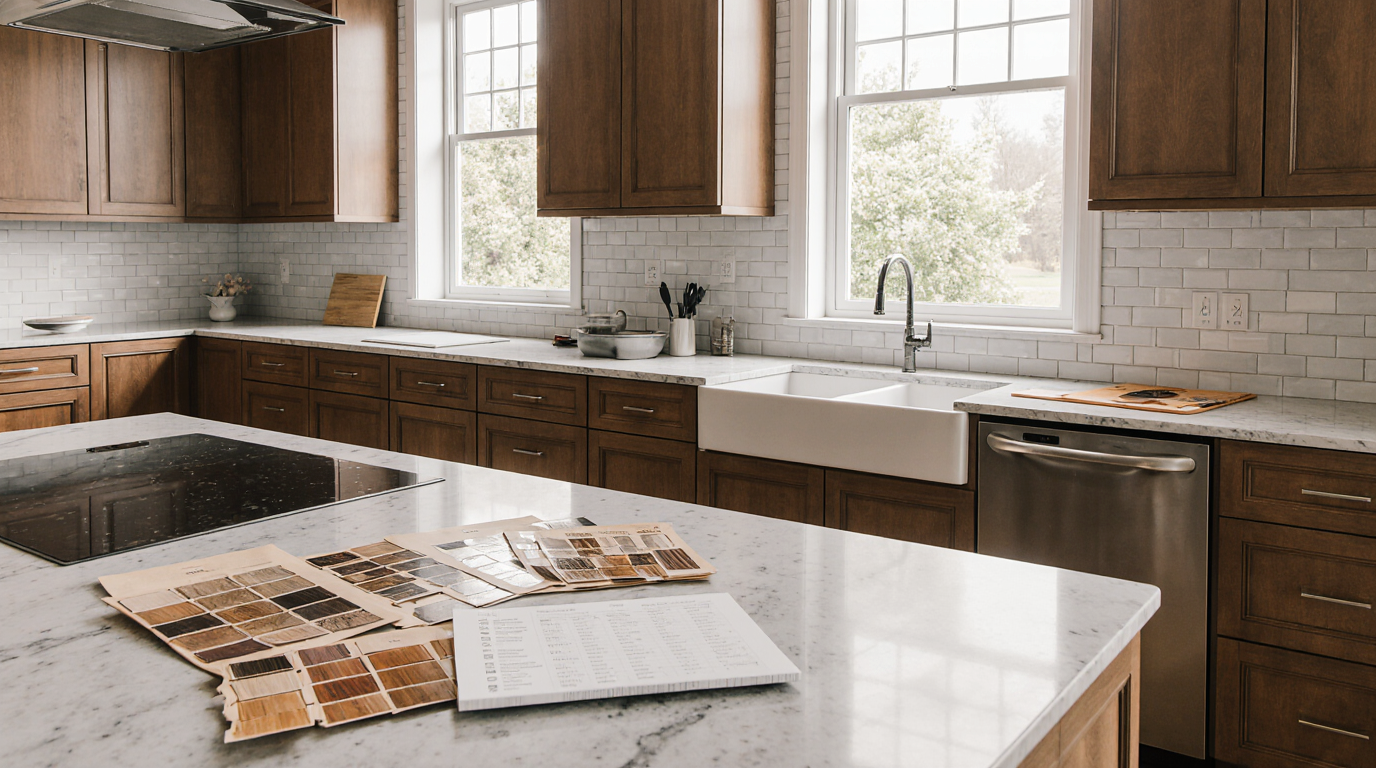
Redoing cabinets isn't a single service; it's a spectrum of options, each with a distinct process. The project always starts with a consultation to diagnose the condition of your existing cabinets and determine which approach is viable. We assess the material of your current cabinet boxes and doors, the integrity of the construction, and the condition of the finish.
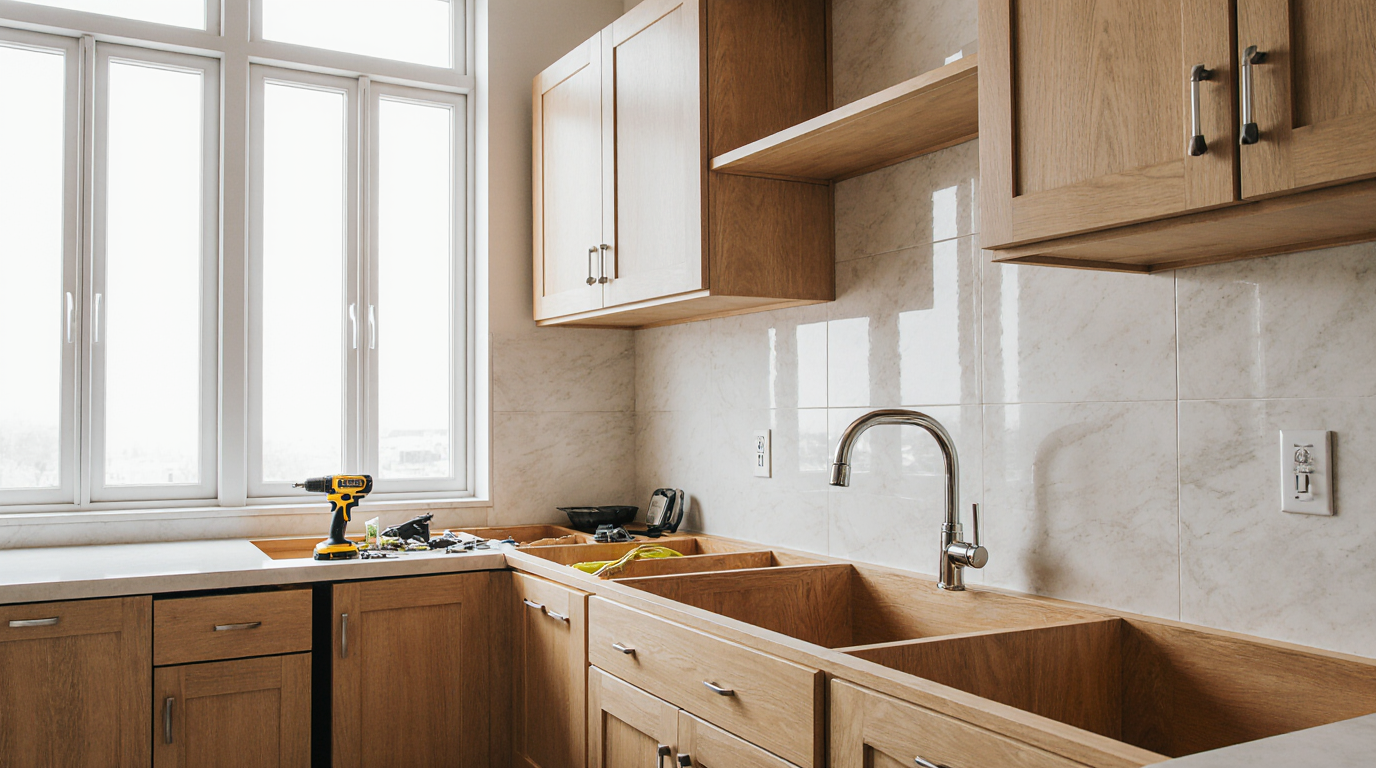
For refinishing, the process involves extensive prep: de-greasing, sanding, priming with a shellac-based or bonding primer, and then multiple spray coats of a high-durability product. For refacing, we leave your cabinet boxes in place, reinforce them if needed, apply a new veneer or paint, and then install brand-new, custom-made doors, drawer fronts, and hardware. A full replacement involves a complete tear-out, potential layout changes, and installation of all-new cabinetry.
Key Selection Criteria for a Sarasota Cabinet Professional
- Verifiable Local Portfolio: Ask to see projects completed 3-5 years ago in coastal areas like Longboat Key or Casey Key, not just recent work. This shows how their finishes hold up to salt and sun over time.
- Material Acumen: They should immediately discuss the pros and cons of solid wood, marine-grade plywood, and Medex (moisture-resistant MDF) for our climate, not just push standard particleboard.
- Finishing Process Transparency: They must be able to explain their entire finishing process, including the specific chemical products used (e.g., conversion varnish, 2K polyurethane) and why they are superior for this environment.
- Condo & HOA Experience: If you live in a multi-family building or planned community, confirm they have experience navigating the logistical hurdles, including insurance requirements, elevator reservations, and limited work hours common in downtown Sarasota and Palmer Ranch.
Comparing Cabinet Redo Options for a Sarasota Home
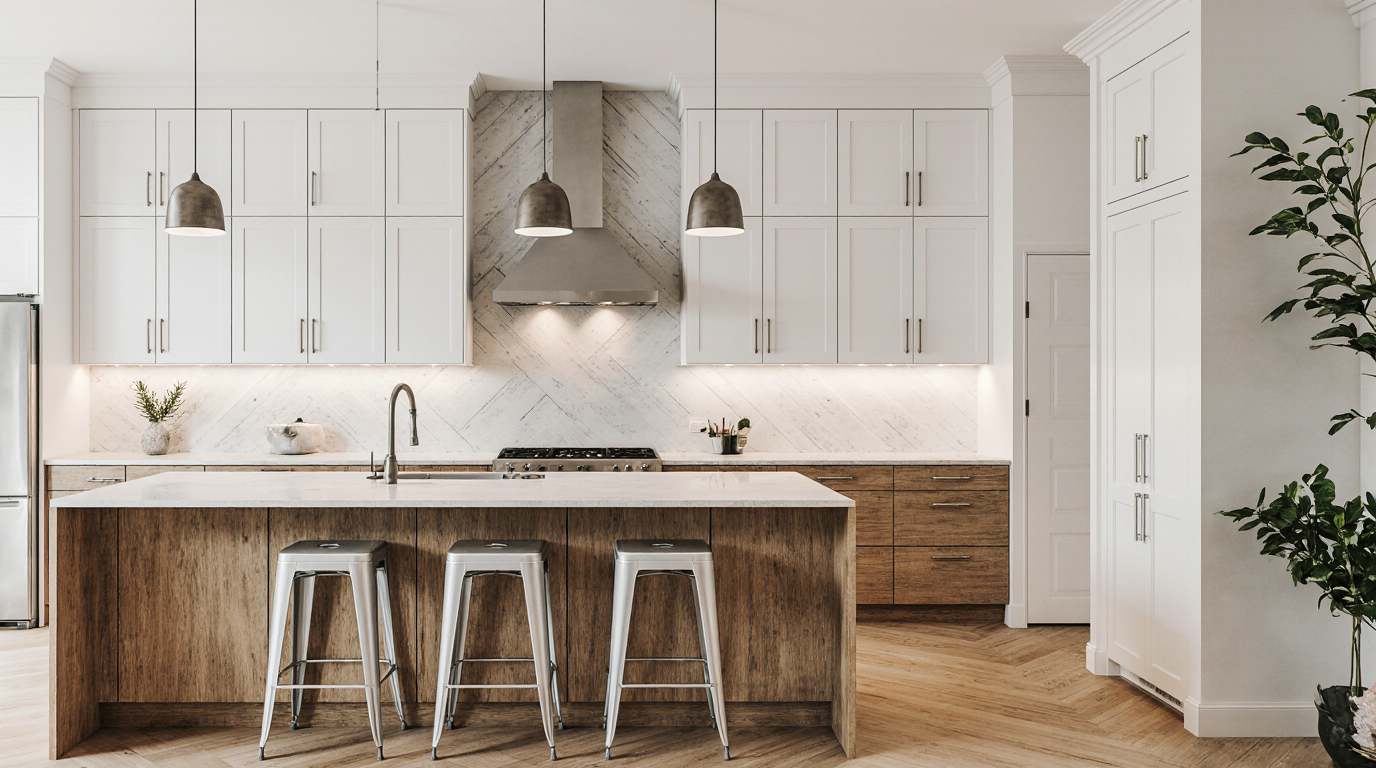
Choosing between refinishing, refacing, and replacing depends on your budget, the condition of your existing cabinets, and your desired outcome. Homeowners here often gravitate toward refacing as it provides the transformative look of a new kitchen at roughly 60-70% of the cost of a full replacement, while using materials better suited for the climate.
| Method | Typical Cost Range | Best For | Sarasota-Specific Consideration |
|---|---|---|---|
| Professional Refinishing | $4,000 - $9,000 | Solid wood cabinets in good structural condition where the layout works. | Finish must be a catalyzed varnish or polyurethane to resist humidity. Standard paint will fail. |
| Cabinet Refacing | $9,000 - $20,000 | Structurally sound cabinet boxes but with dated or damaged doors. Allows for a major style change. | Ideal for using moisture-resistant materials for doors/fronts that won't warp like the originals may have. |
| Full Replacement | $20,000 - $60,000+ | Poorly designed layouts, damaged cabinet boxes, or a desire for high-end custom features. | Allows for the use of all marine-grade plywood construction, a must for high-end waterfront properties. |
When a Full Replacement is the Only Sensible Choice
Refinishing or refacing is not the right choice if your existing cabinet boxes are made of low-density particleboard and show any signs of water damage or swelling. This is common in older Florida homes. Covering up compromised boxes is throwing good money after bad. Similarly, if your kitchen layout is genuinely dysfunctional—poor workflow, wasted space, not enough storage—no amount of cosmetic updating will fix the fundamental problem. In these cases, the investment in a full replacement is the only path to a truly satisfactory and lasting outcome.
A Safe Hiring Checklist for Your Cabinet Project
Hiring the right team in Sarasota goes beyond checking for a license and insurance. You are hiring a specialist who understands how to build for a subtropical, coastal climate. A general painter or handyman, while cheaper, often lacks the specific product knowledge and equipment to deliver a durable cabinet finish here.
- Verify they hold a relevant local license and carry both general liability and worker's compensation insurance specific to Florida.
- Request a written quote that explicitly names the brand and type of primer and topcoat to be used (e.g., “Milesi 2K Polyurethane,” not just “high-quality paint”).
- Ask for at least three local references for cabinet projects completed more than two years ago. Call them and ask how the finish is holding up.
- Confirm they will be using a dust extraction system connected to their sanders. Fine dust from sanding can be a major issue in occupied homes.
- If you're in a condo, ensure their proposal includes all costs related to protecting common areas, adhering to work hours, and coordinating with building management. A typical fee for common area protection can add $200-$500 to the job.
- Discuss the plan for ventilation. Spraying professional-grade finishes requires proper air exchange and containment to protect your home and health.
- Ensure the warranty language is specific about what it covers (e.g., peeling, chipping) and what it excludes (e.g., new damage).
Decisions That Determine the Outcome of Your Project
The success of a cabinet redo project hinges on prioritizing longevity over short-term savings. I’ve seen countless projects where the homeowner negotiated hard on the price, forcing the contractor to substitute a lesser-quality finish or skip a crucial prep step. That decision saves them maybe 10% upfront but costs them 100% of the original project price when it has to be redone in three years.
The most successful outcomes happen when the client and I have a frank conversation about how their kitchen is used and what their tolerance is for future maintenance. A seasonal resident in a Siesta Key condo has different needs than a family with three kids in a year-round home in The Meadows. The right choice is the one that aligns the materials and finish with that specific reality.
The Exact Moment the Majority Gets It Wrong
The critical mistake happens during the proposal review. Most people line up three quotes and compare the bottom-line number. They see one price at $6,000, another at $7,500, and a third at $8,000 and assume the $6,000 quote is the best value. The right approach is to ignore the price first and compare the line items for materials and prep work. The cheaper quote almost always specifies inferior products or fewer prep hours. That $1,500 difference is likely the cost of the catalyzed varnish, the moisture-resistant primer, and the extra day of sanding that will make the job last a decade instead of two years.
Practical Answers About Cabinet Work in Sarasota
Navigating a cabinet renovation involves more than just picking a color. You have to contend with local regulations, building logistics, and environmental factors that are unique to our area. Here are the answers to the operational questions that often come up mid-project.
Do I Need a Permit to Redo My Kitchen Cabinets?
In Sarasota County, you generally do not need a permit for cosmetic work like refinishing or refacing cabinets, as you are not altering the structure. However, a permit is absolutely required for a full replacement where you are removing and installing new cabinets. This is because the work often involves altering electrical and plumbing layouts, which must be inspected. The City of Sarasota's permitting process can take several weeks, so this must be factored into your project timeline. A licensed contractor will handle the permit application as part of their service.
How Do HOA Rules in Palmer Ranch or Lakewood Ranch Impact the Project?
Homeowner Associations in master-planned communities like Palmer Ranch and Lakewood Ranch have Design Review Committees (DRCs) that may need to approve exterior-facing changes, but they also have strict rules for interior renovations. These typically govern work hours (e.g., no work before 9 AM or on weekends), contractor parking, debris disposal, and sometimes even the placement of a dumpster or portable storage unit. Your contractor must submit their insurance and license to the HOA office before starting, a process that can take a week or more. Failure to comply can result in fines and work stoppages.
What's Required for Cabinets in a Waterfront or Barrier Island Home?
For homes on Longboat Key, Siesta Key, or other barrier islands, the standard is higher. While not always mandated by code for cabinetry itself, the best practice I insist on is using materials resistant to salt air and high humidity. This means specifying stainless steel hardware (hinges and pulls) to prevent rust, using marine-grade plywood for cabinet boxes instead of particleboard, and ensuring all raw edges are sealed against moisture intrusion. These upgrades are not optional if you want the installation to last; they are a fundamental requirement of building and renovating responsibly on the coast.