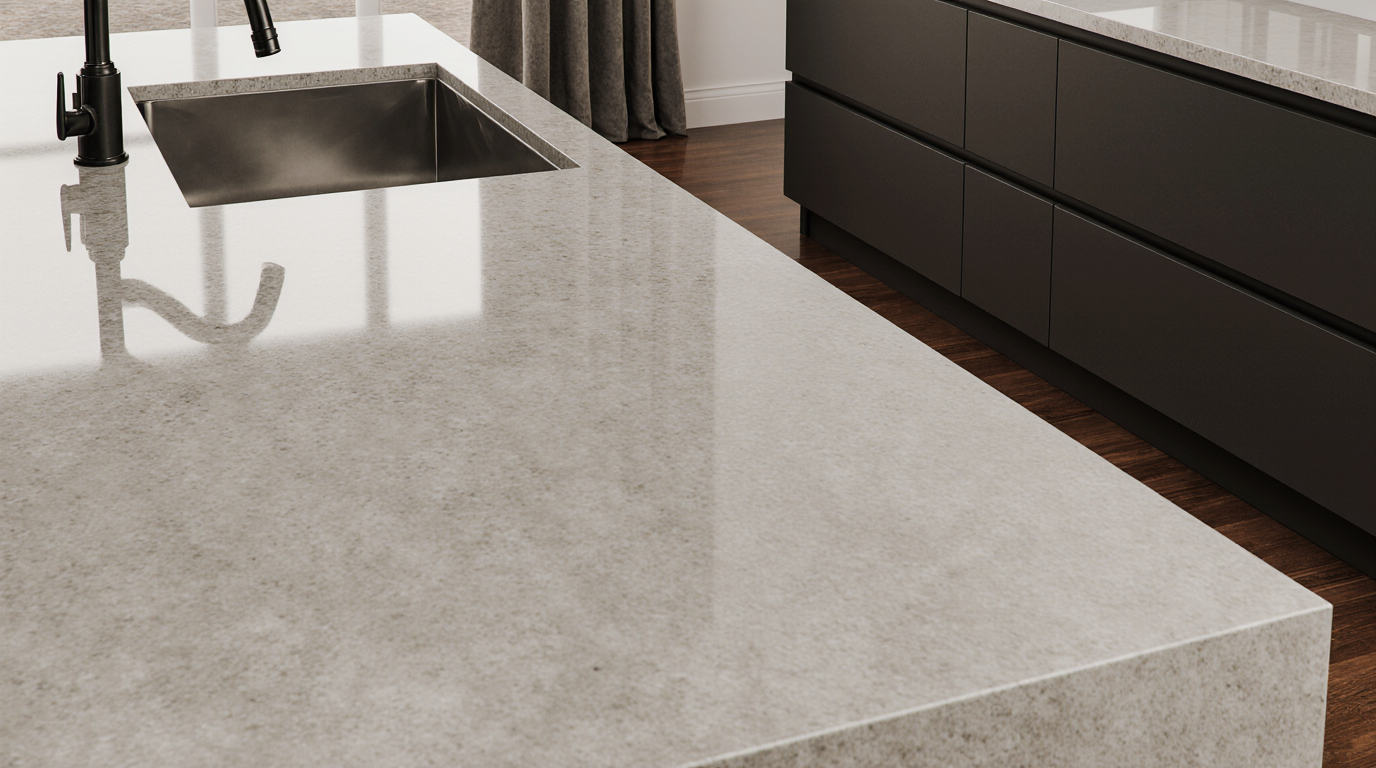
Porcelain Slab Selection for High-Performance Sarasota Kitchens
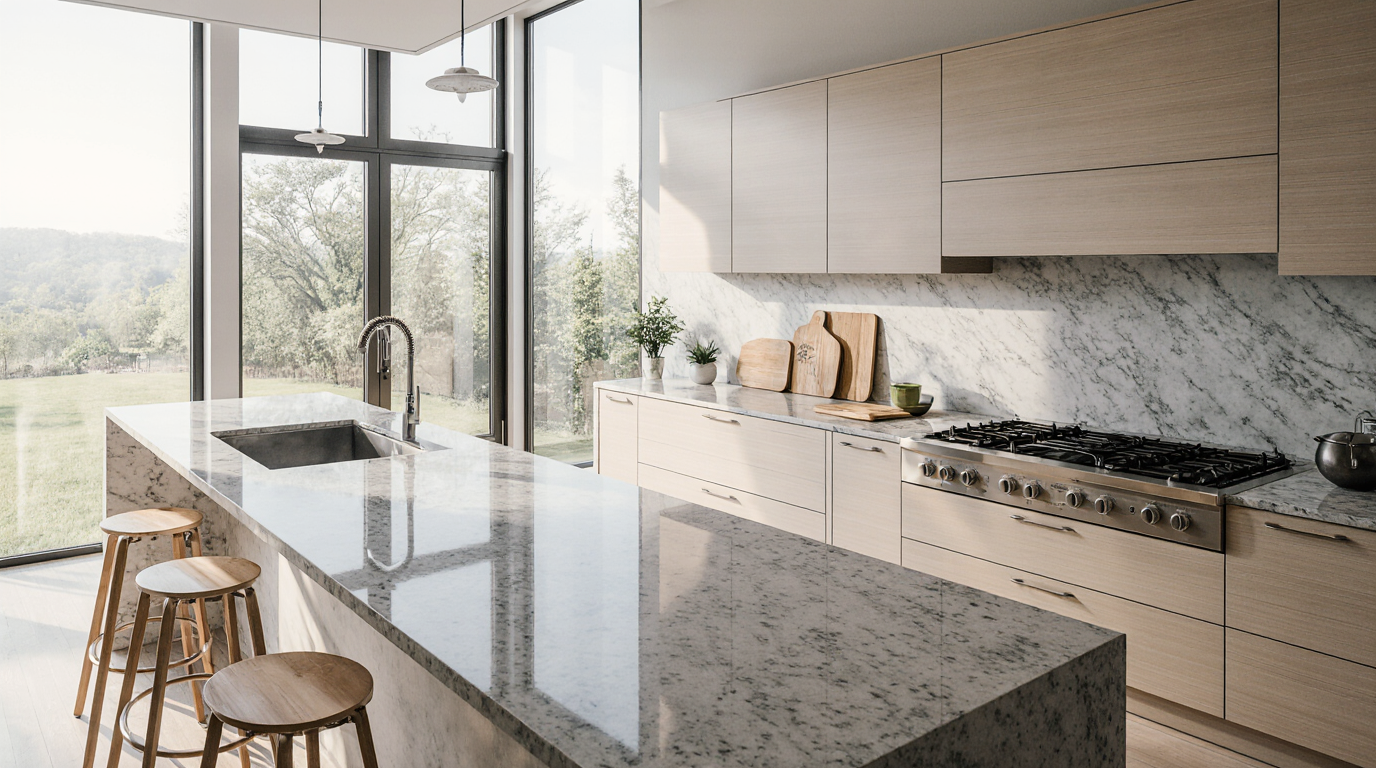
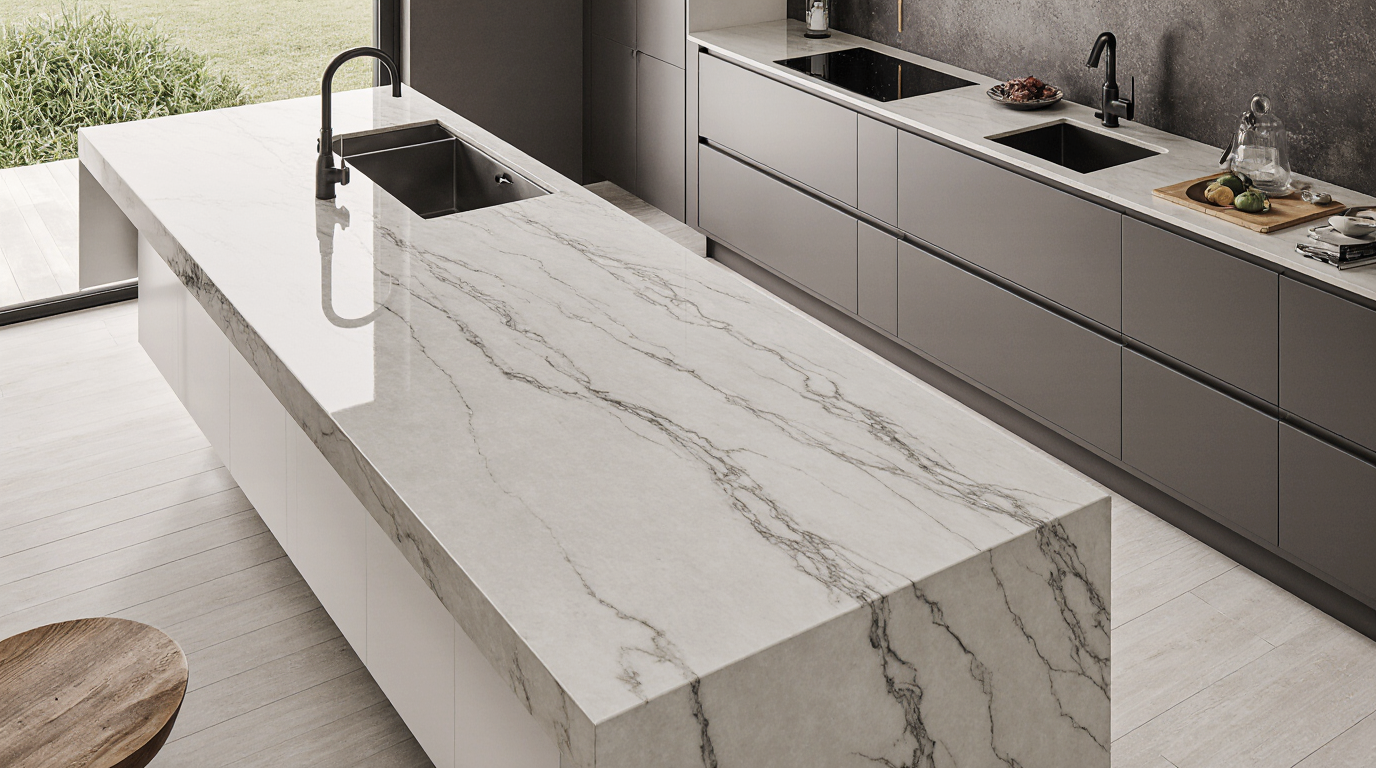
Choosing the right porcelain isn't merely about aesthetics; it's an engineering decision. For an outdoor kitchen on Casey Key, exposed to salt spray and intense UV radiation, I exclusively work with through-body (full-body) porcelain. Unlike glazed alternatives where the pattern is a mere surface layer, the color and pattern in through-body slabs permeate the entire thickness. This means a scratch or chip is nearly invisible, preserving the design integrity against the harsh coastal elements. For an indoor application, such as a large island in a Lakewood Ranch estate, a high-quality book-matched porcelain with a protective glaze can deliver a stunning visual impact without the same extreme durability requirements.
Cabinetry Engineering: The Unseen Support System
A porcelain slab is only as strong as the cabinetry supporting it. I've had to reinforce existing cabinet runs in older homes that were never designed for the weight and rigidity requirements of modern materials. My process starts with a digital analysis of the cabinet layout to identify potential stress points, especially at unsupported corners and long spans over dishwashers. I specify 3/4-inch marine-grade plywood for the entire cabinet box construction, not just the sub-top. This creates a monolithic, rigid base that distributes weight evenly. Furthermore, all cabinet joinery uses specialized waterproof adhesives and concealed mechanical fasteners, preventing the joint separation I often see caused by Florida's seasonal expansion and contraction cycles.
Fabrication and Installation Protocol
The installation phase is where precision becomes paramount. My methodology for large-format porcelain slabs is a multi-step process that guarantees a perfect, lasting fit. I avoid rushing this stage, as even a 1mm deviation can lead to future issues. My team follows a strict protocol that I developed after analyzing installation failures across the region.
- Digital Templating: I use laser templating to capture the exact dimensions of the space, ensuring tolerances of less than 1/16 of an inch. This is crucial for achieving the tight, almost invisible seams that define a high-end installation.
- Sub-Top Leveling: Before the slab is brought in, the entire cabinet run is leveled with a laser. I apply a liquid leveling compound to the plywood sub-top if necessary, creating a perfectly flat plane. This step is critical for preventing slab fractures from pressure points.
- Seam Placement Strategy: I design the seam locations based on structural support and visual flow, not just material yield. My goal is to place seams away from high-impact areas like sinks and cooktops, often integrating them into the design itself.
- Flexible Epoxy Adhesion: I use a specific two-part flexible epoxy designed for large-format ceramic materials. This is a significant upgrade from standard rigid adhesives, as it allows for minute thermal expansion without transferring stress to the porcelain slab, a factor that increases the countertop’s lifespan by an estimated 40% in our climate.
Precision Adjustments and Quality Standards
After the slab is set, the final stage involves meticulous adjustments. This includes calibrating overhangs to be perfectly uniform and ensuring all edges are finished to a smooth, consistent profile. For waterfall edges, which are common in the open-concept homes here, I ensure the veining wraps around the corner with a near-perfect miter fold, a detail that separates true custom work from standard installations. The final quality check involves using a machinist's straightedge to verify there are no low spots or deviations across the entire surface. Are the cabinets supporting your current countertops truly engineered to prevent long-term material fatigue, or are they a liability waiting to surface?