Porcelain Countertops Cost Lee County FL
Porcelain Countertops Pricing: Comprehensive Insights for Long-Lasting Elegance
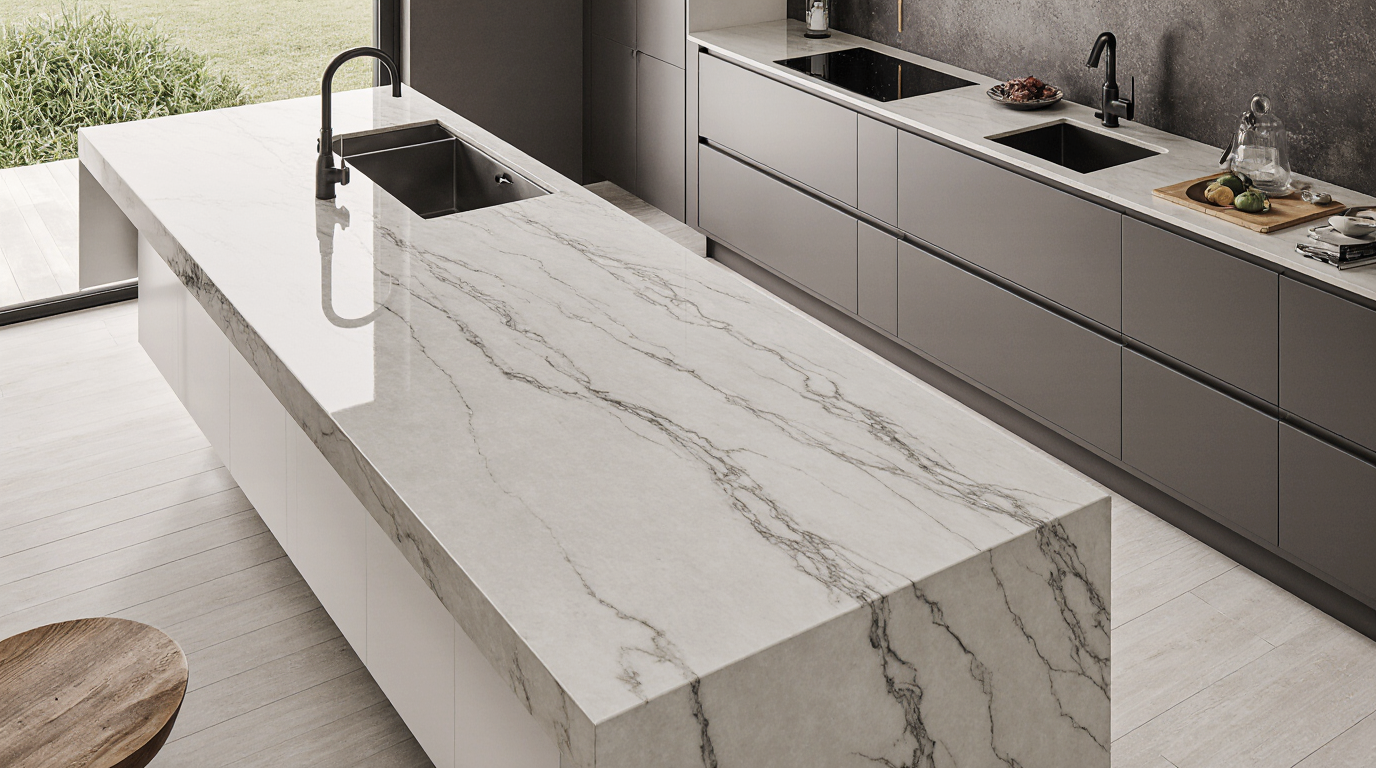
When considering a kitchen or bathroom remodel, the cost of porcelain countertops emerges as a pivotal factor in planning, The interior design world increasingly values porcelain for its blend of resilience, visual sophistication, and multifunctionality. Porcelain surfaces replicate the luxurious aesthetic of natural stones like marble and granite while surpassing them in scratch, heat, and stain resistance. Both contemporary and traditional spaces benefit from porcelain’s aesthetic versatility and practical durability, attracting homeowners and design experts alike.
Cost variations in porcelain countertops stem from slab thickness, finishing techniques, brand reputation, and manufacturing methods. Typical investments for premium porcelain range from $70–$120 per square foot, and professional installation contributes an additional $25–$50 per square foot. The variation in cost often reflects the manufacturing method, with sintered porcelain offering enhanced strength and consistency in color patterns. When planning a kitchen renovation, understanding the breakdown of material versus installation costs is crucial for creating a realistic budget while ensuring premium quality.
Porcelain’s unmatched strength remains a primary motivator for selection. Natural stones often absorb liquids and stain, whereas porcelain remains impervious, ensuring suitability for high-traffic cooking and bathing spaces. By eliminating sealing requirements and reducing cleaning demands, porcelain saves homeowners long-term upkeep expenses. Additionally, porcelain resists high temperatures, meaning that hot pots and pans can be placed directly on the surface without risk of damage, a feature that adds value to its overall cost-effectiveness.
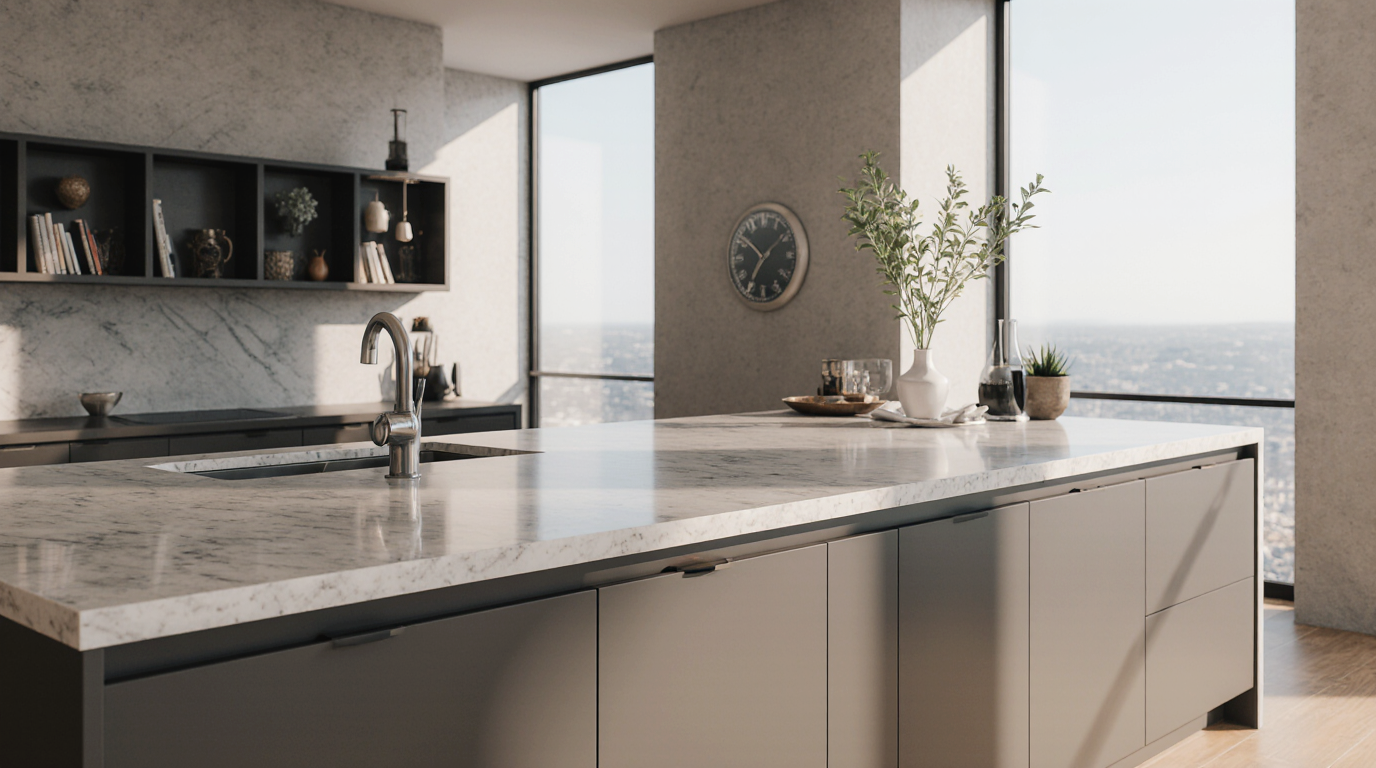
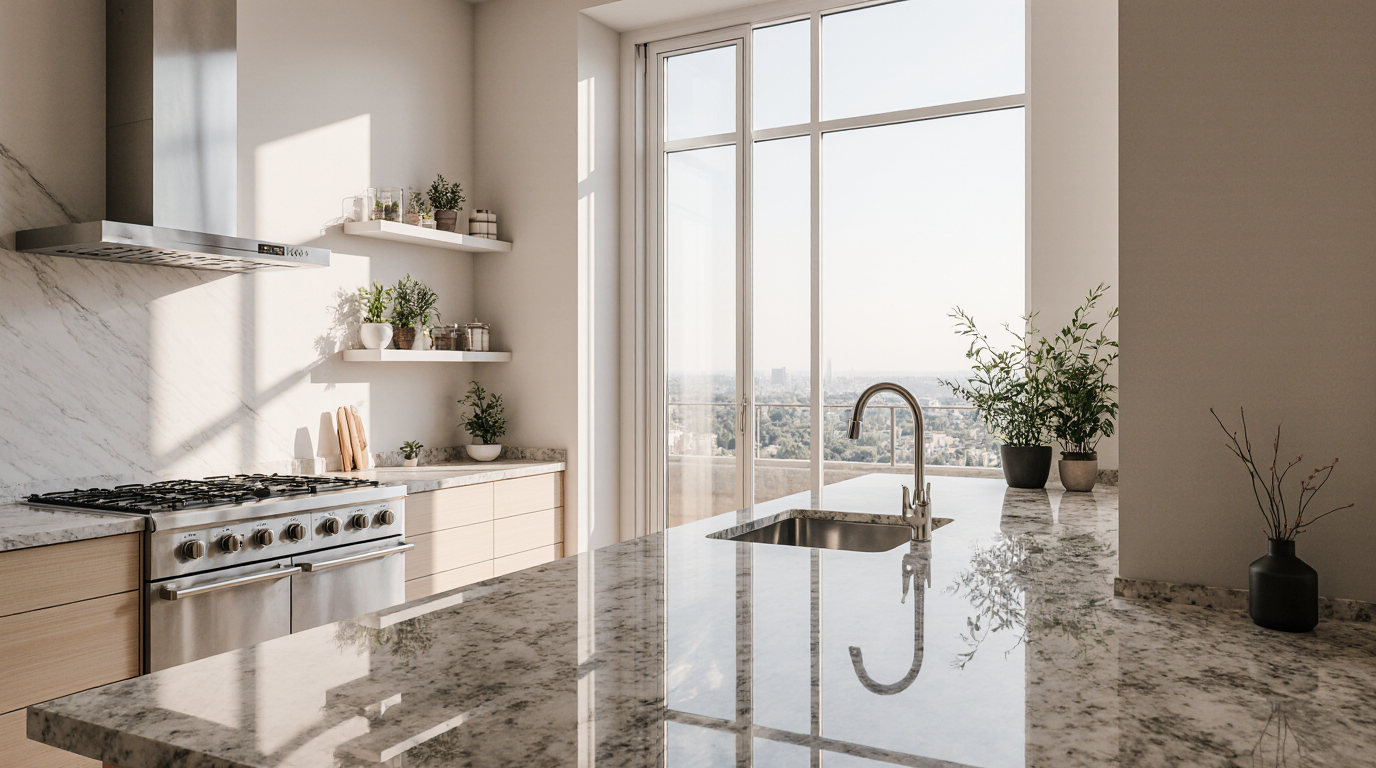
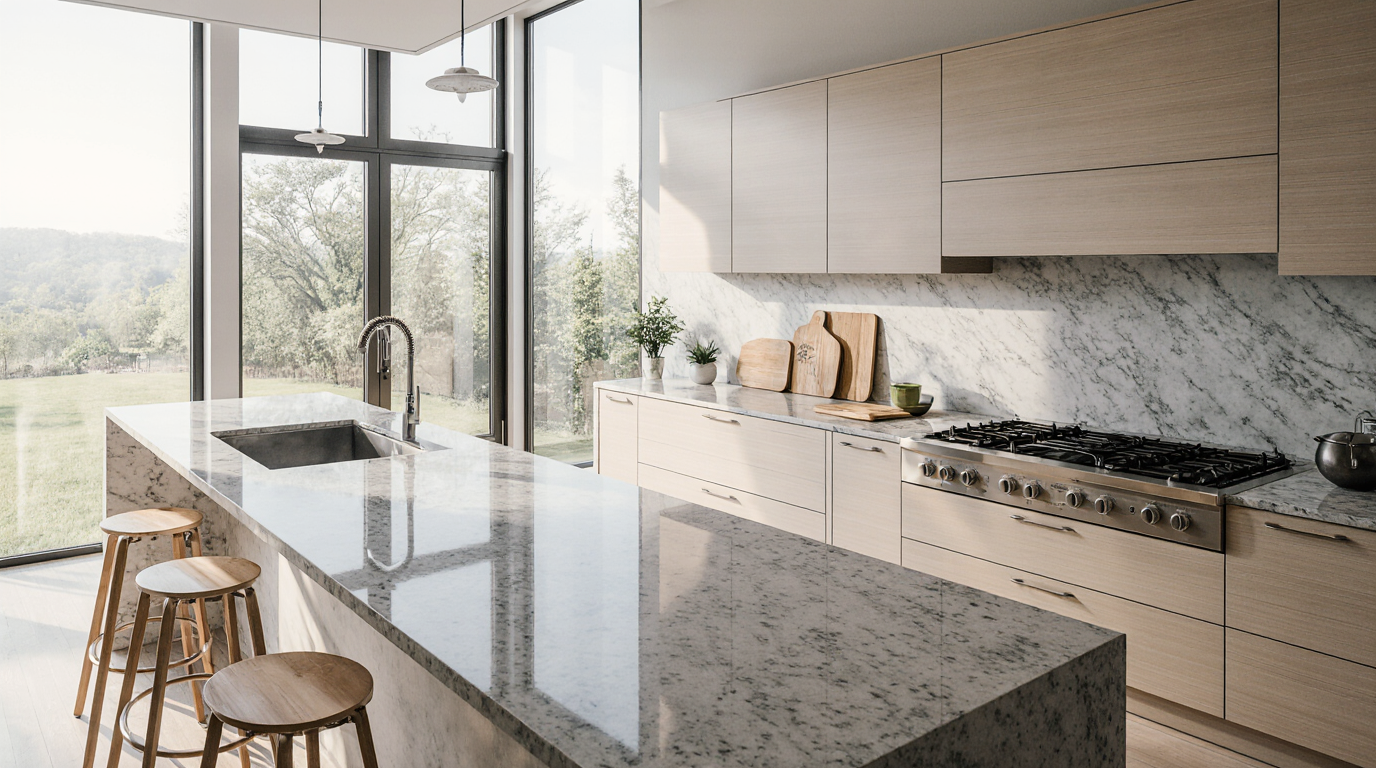
Design flexibility is a major driver for homeowners investing in porcelain. Manufacturers now offer a vast array of colors, patterns, and finishes, from matte and polished surfaces to textures that mimic natural stone or concrete. Homeowners can harmonize countertops with cabinetry, floors, and decor, achieving bespoke interiors. Though custom sizes or intricate patterns may raise initial expenses, the combination of visual luxury and long-term resilience justifies the investment.
Installation intricacies of porcelain contribute notably to overall pricing. Due to its density, cutting and fitting porcelain demands advanced tools and professional expertise. Expert fitting guarantees nearly invisible seams, exact alignment, and enhanced aesthetic appeal. Errors in home installation risk damaging expensive slabs, ultimately inflating the final expenditure.
Porcelain’s non-porous properties deliver superior hygiene alongside elegance. Unlike porous stones, porcelain resists microbial infiltration, promoting a safer food prep environment. Unlike natural stones that can harbor microorganisms in microscopic pores, porcelain surfaces are easier to sanitize, supporting a healthier home environment. Homeowners gain a dual benefit of elegant design and hygienic functionality, boosting the countertop’s overall ROI.
Porcelain’s low-impact manufacturing enhances its appeal for eco-conscious homeowners. Advanced porcelain fabrication minimizes resource use and energy consumption while maintaining quality. Choosing porcelain not only contributes to a longer lifespan for the countertop but also reduces environmental impact compared to some resin-based or engineered stones. Eco-conscious remodelers can select porcelain knowing that elegance and performance remain uncompromised.
Maintenance costs for porcelain countertops are minimal compared to other high-end materials. Regular cleaning with mild soap and water keeps the surface spotless, while its resistance to scratching and staining ensures that the countertop maintains its pristine look for years. This low-maintenance factor adds to the overall cost-effectiveness, making porcelain a smart choice for those who desire long-term durability without frequent upkeep. Sunlight-resistant porcelain maintains its vibrancy over time, ideal for kitchens with natural light exposure.
Evaluating both upfront costs and lasting benefits is critical when investing in porcelain. While the initial cost per square foot may be higher than laminate or some engineered stones, the combination of strength, low maintenance, aesthetic appeal, and hygienic advantages provides a substantial return on investment. High-end buyers value porcelain surfaces, potentially boosting real estate returns.
A full assessment of porcelain pricing considers material quality, fabrication, and installation complexities. The overall investment encompasses slab dimensions, design intricacy, installation expertise, and performance longevity. Strength, aesthetic versatility, minimal care needs, and hygienic characteristics make porcelain a practical luxury choice. Analyzing both upfront and long-term factors empowers homeowners to choose porcelain for a resilient, stylish, and low-maintenance centerpiece.
Rising popularity underscores porcelain’s appeal as a durable yet visually striking material. Choosing porcelain for your countertops not only enhances the visual impact of your space but also supports a functional, durable, and low-maintenance lifestyle. From contemporary kitchens to lavish bathroom makeovers, informed porcelain investment allows homeowners to maximize beauty and utility.