Porcelain Countertops Cost Charlotte County FL
Investing in Porcelain Countertops: Costs, Benefits, and Timeless Design
During a kitchen or bathroom makeover, assessing the investment in porcelain countertops is essential for both budgeting and design, The interior design world increasingly values porcelain for its blend of resilience, visual sophistication, and multifunctionality. Unlike traditional materials, porcelain offers a premium look reminiscent of natural stone, such as marble or granite, while providing superior resistance to heat, scratches, and stains. From modern kitchens to timeless bathrooms, porcelain’s functional elegance appeals broadly to designers and property owners.
Cost variations in porcelain countertops stem from slab thickness, finishing techniques, brand reputation, and manufacturing methods. Typical investments for premium porcelain range from $70–$120 per square foot, and professional installation contributes an additional $25–$50 per square foot. Manufacturing intricacies, particularly sintering techniques, influence pricing while delivering robust, color-consistent slabs. Separating material expenses from installation charges is essential for budgeting and guarantees a polished, durable porcelain installation.
Porcelain’s unmatched strength remains a primary motivator for selection. Porcelain’s non-porous surface outperforms granite and marble in resisting moisture, making it perfect for frequently used kitchens and bathrooms. Low-maintenance porcelain allows for effortless longevity, decreasing overall care costs compared to traditional stones. With superior heat tolerance, porcelain accommodates hot cookware without compromising integrity, further justifying the initial expenditure.
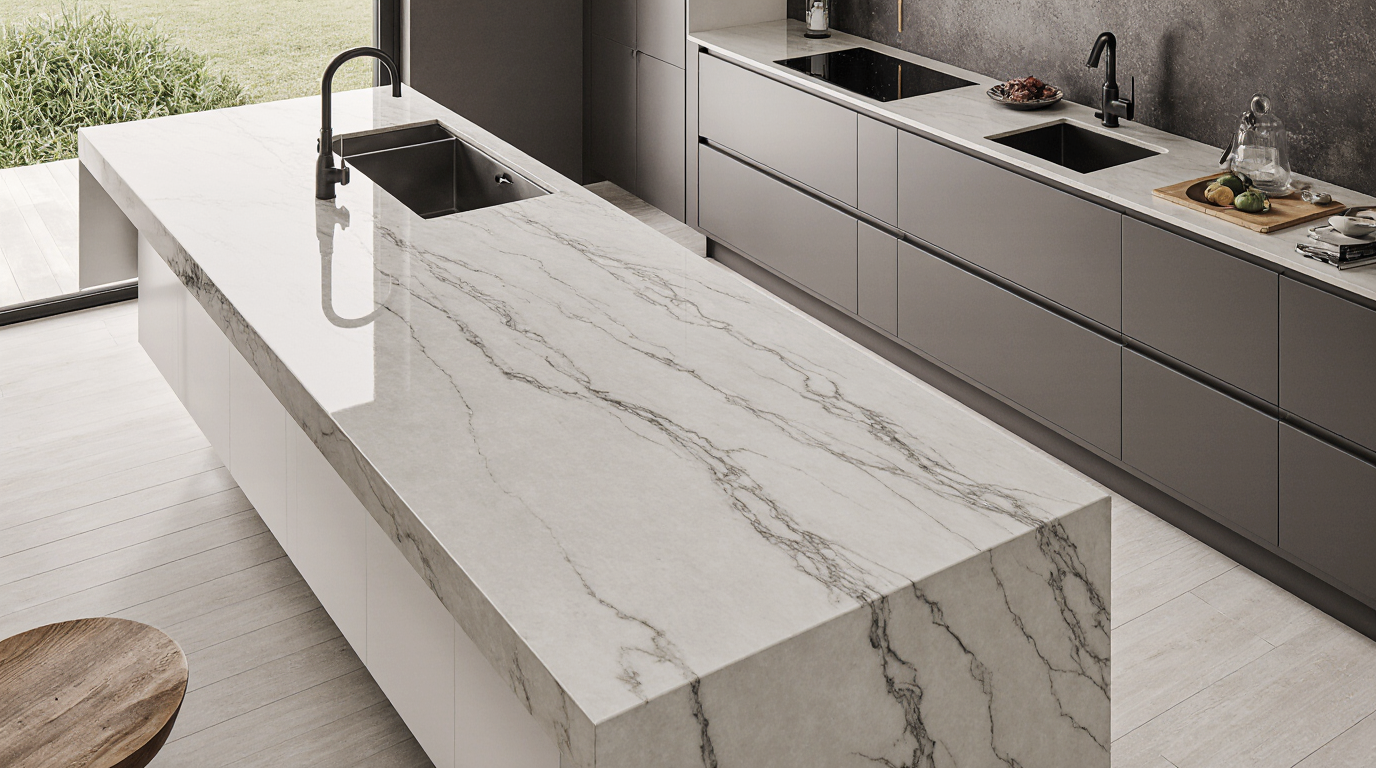
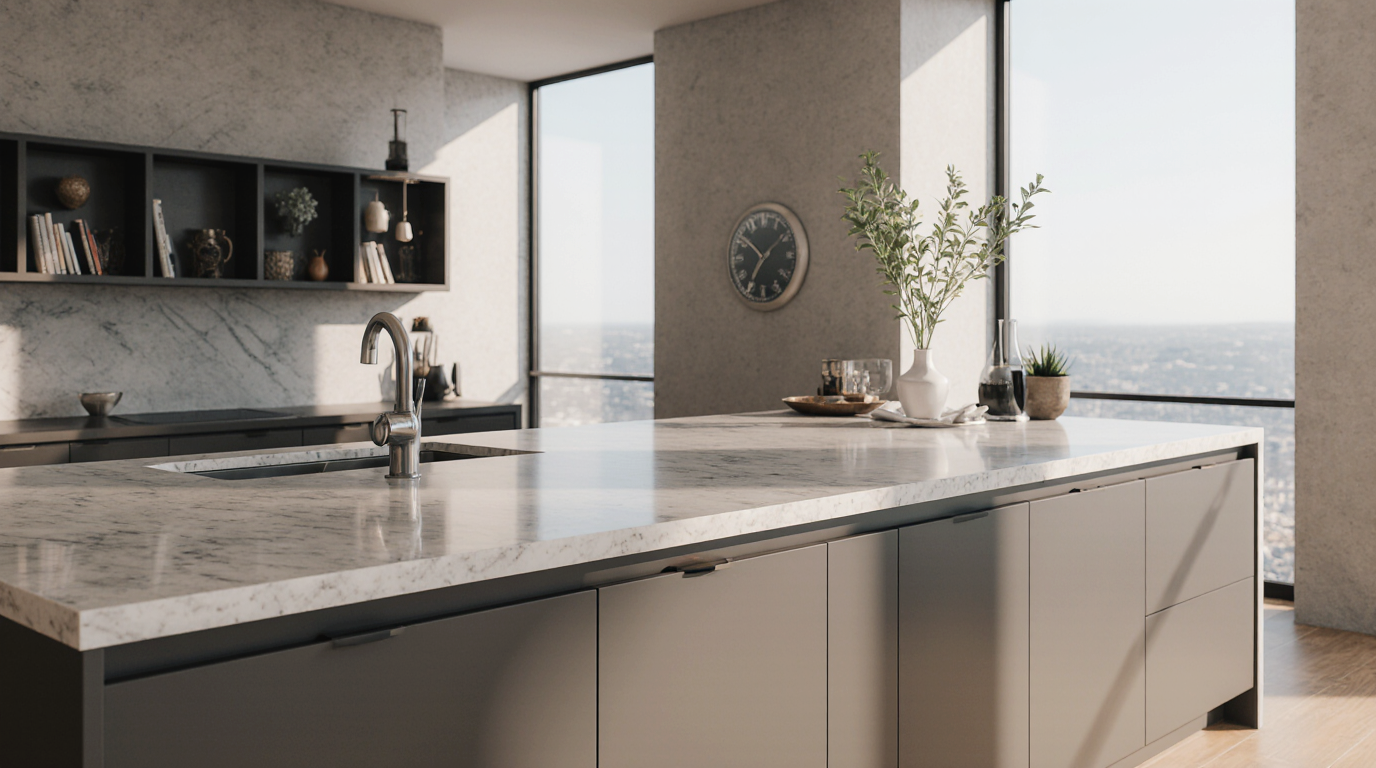
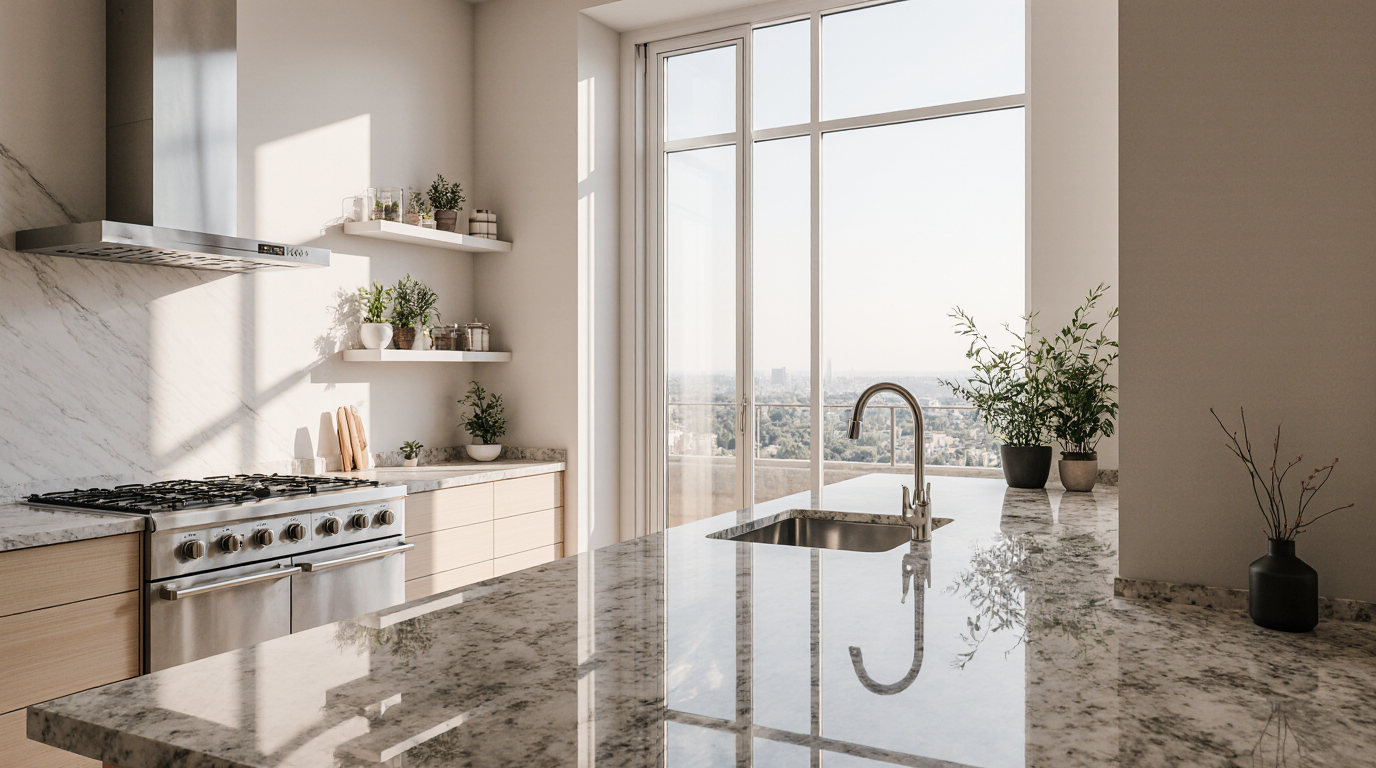
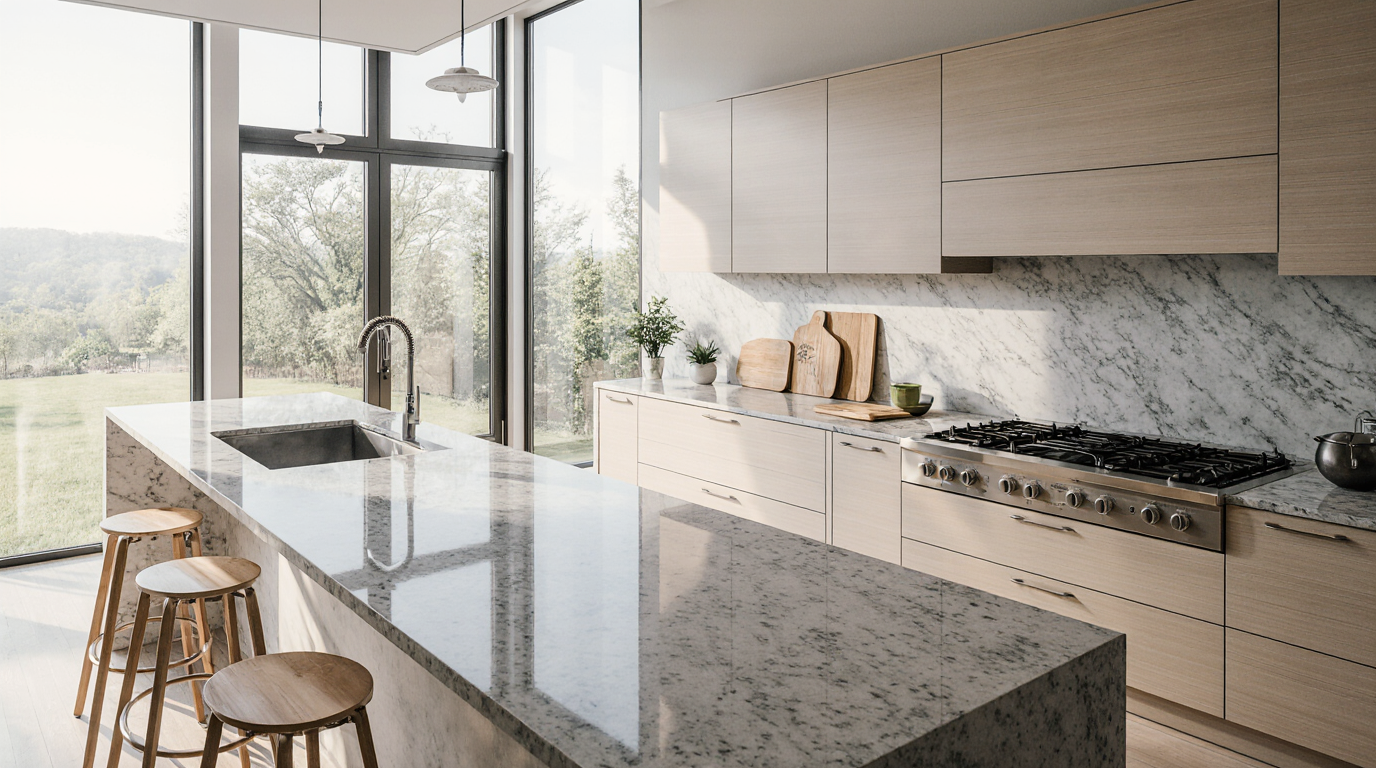
The extensive array of customizable aesthetics makes porcelain a compelling countertop choice. Today’s porcelain slabs come in countless shades, textures, and finishes, including polished, matte, and stone-replicating surfaces. This versatility allows homeowners to customize their countertops to match the existing kitchen cabinetry, flooring, and overall interior design. Though custom sizes or intricate patterns may raise initial expenses, the combination of visual luxury and long-term resilience justifies the investment.
Porcelain’s dense and hard composition influences installation complexity and costs. Porcelain is notably harder and denser than granite or quartz, which requires specialized cutting tools and skilled labor for precise fitting. Certified installers provide flawless joins and impeccable alignment, maximizing both functionality and visual elegance. Attempting self-installation often results in chips, cracks, or uneven surfaces, negating any initial savings.
Porcelain’s non-porous properties deliver superior hygiene alongside elegance. The non-porous nature of porcelain prevents bacteria and mold growth, making it a preferred choice for kitchens where food preparation is frequent. Unlike natural stones that can harbor microorganisms in microscopic pores, porcelain surfaces are easier to sanitize, supporting a healthier home environment. Homeowners gain a dual benefit of elegant design and hygienic functionality, boosting the countertop’s overall ROI.
Sustainable production practices make porcelain an environmentally responsible choice. Advanced porcelain fabrication minimizes resource use and energy consumption while maintaining quality. Porcelain’s longevity lowers replacement frequency and minimizes environmental footprint. Eco-conscious remodelers can select porcelain knowing that elegance and performance remain uncompromised.
Porcelain requires minimal maintenance, contributing to its overall value proposition. Routine care with gentle cleansers preserves its flawless surface, and inherent scratch and stain resistance prolong visual appeal. This low-maintenance factor adds to the overall cost-effectiveness, making porcelain a smart choice for those who desire long-term durability without frequent upkeep. Sunlight-resistant porcelain maintains its vibrancy over time, ideal for kitchens with natural light exposure.
When budgeting for porcelain countertops, it is essential to consider both immediate and long-term value. Even with premium pricing, porcelain’s durability, minimal care requirements, luxurious aesthetics, and sanitary properties justify the investment. High-end buyers value porcelain surfaces, potentially boosting real estate returns.
In summary, understanding the cost of porcelain countertops involves more than just the price per square foot. Factors such as material quality, slab size, design complexity, installation labor, and long-term durability all contribute to the overall investment. Strength, aesthetic versatility, minimal care needs, and hygienic characteristics make porcelain a practical luxury choice. By evaluating all aspects of material and installation costs, homeowners can confidently select porcelain as a long-lasting centerpiece for their kitchen or bathroom remodel, ensuring both beauty and practical value for years to come.
Consumer interest grows as porcelain balances high-end design with functional durability. Selecting porcelain contributes to both a sophisticated appearance and a highly functional, long-lasting surface. Awareness of porcelain pricing, durability, and design versatility equips homeowners to make strategic, high-value remodeling choices.