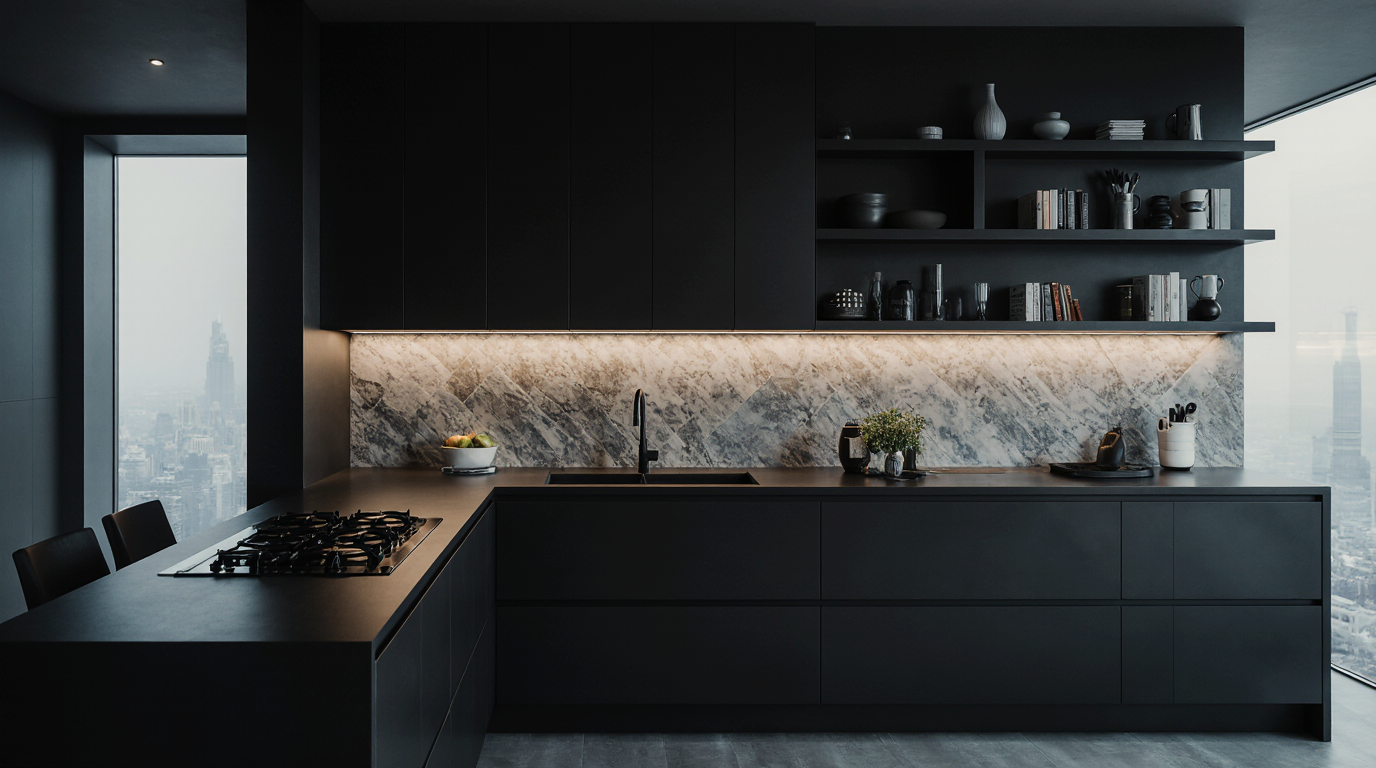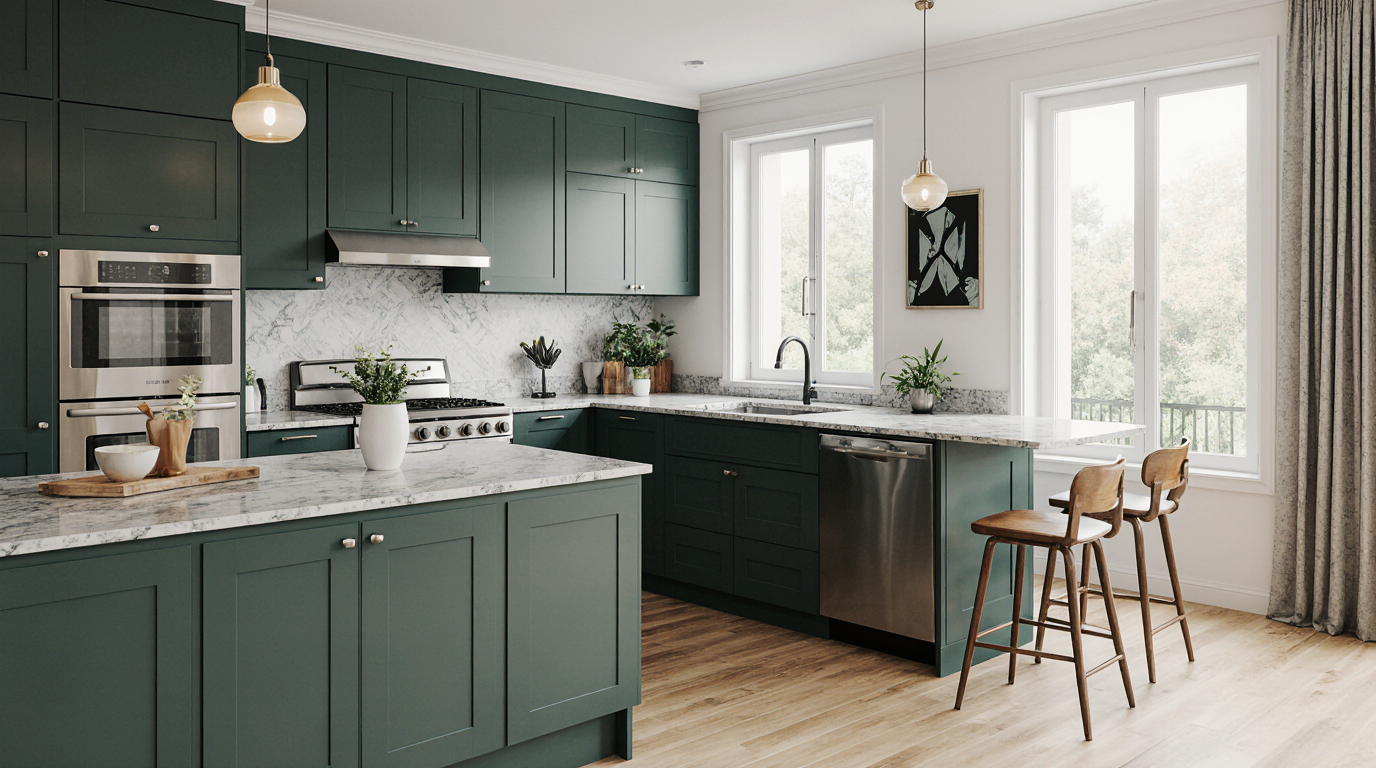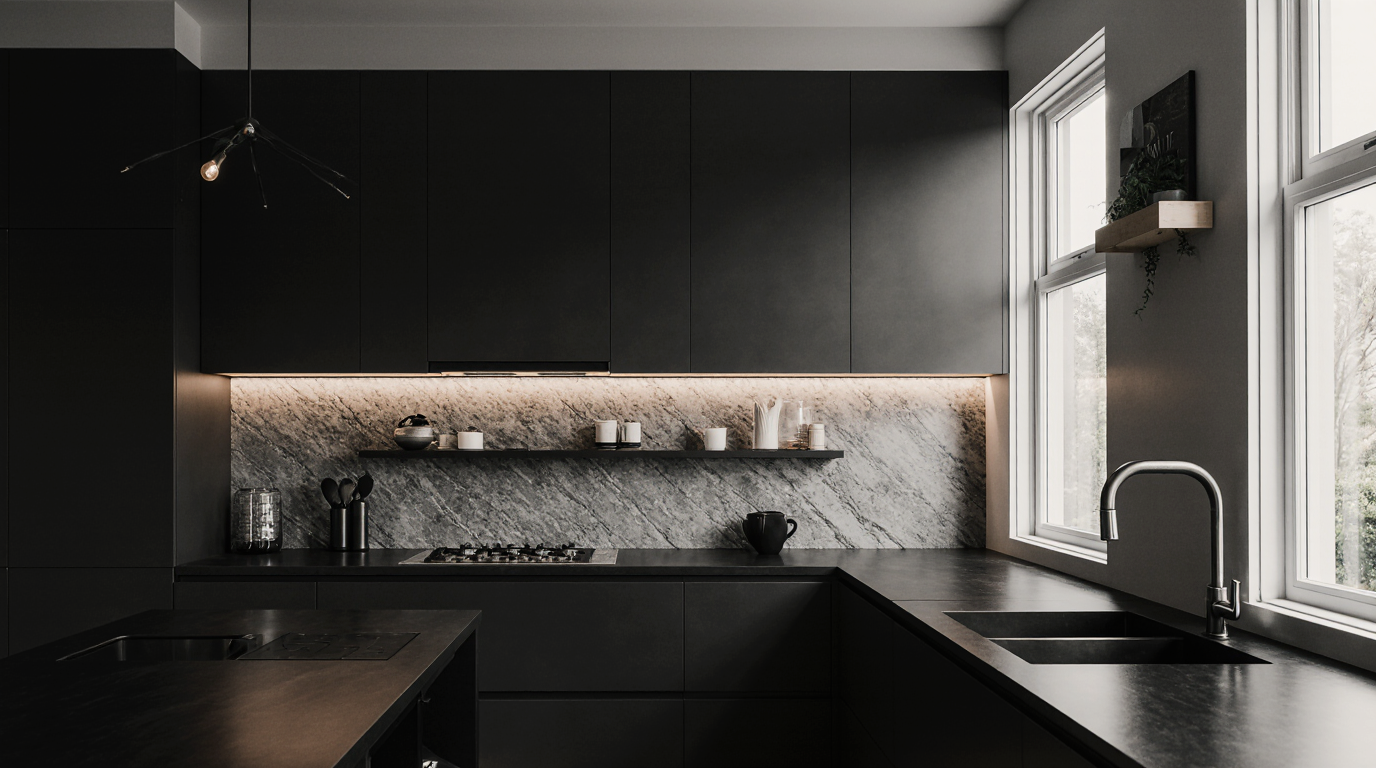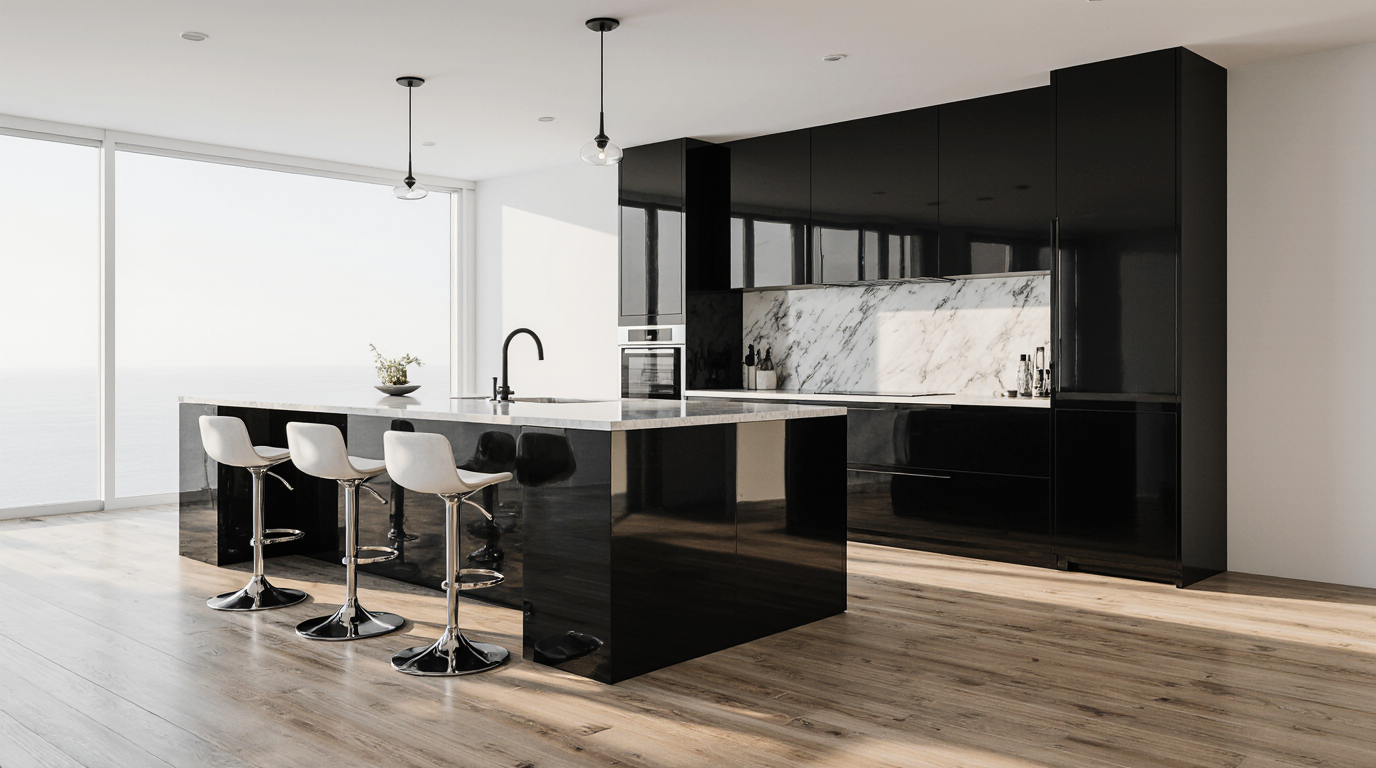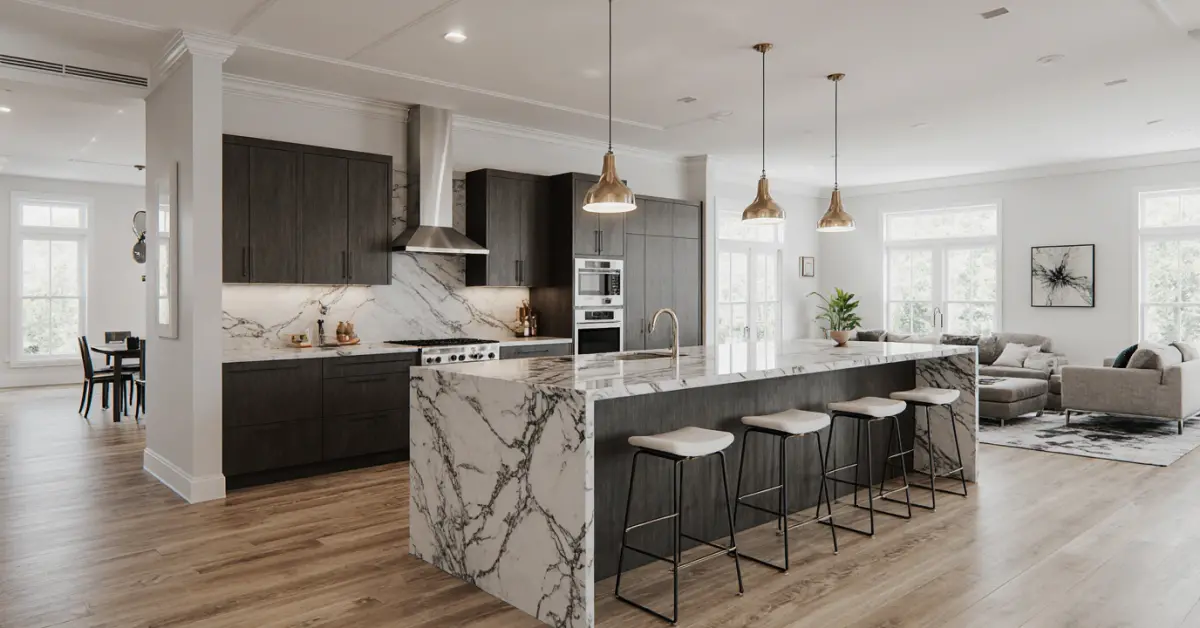
The clients had their hearts set on a specific shade of white for their shaker cabinets. They had the magazine clippings and the paint chip. But when I asked about the cabinet core material—particle board versus marine-grade plywood—there was a long pause. They were building their dream kitchen on Bird Key, and that single, less-visible choice would determine if their 'nice' design would still look nice in five years or if the doors would start to swell and delaminate from the humidity. The real design work in Sarasota starts where the glossy photos end.
Executive Summary: Achieving a Lasting Design in Sarasota's Climate
From my direct experience executing high-end kitchen remodels from Lakewood Ranch to Longboat Key, a 'nice' kitchen
From my direct experience executing high-end kitchen remodels from Lakewood Ranch to Longboat Key, a 'nice' kitchen design is less about the trend of the moment and more about a technical strategy against our coastal environment. The most successful projects are those where the homeowner understands that material science is as important as the color palette. A design that ignores the high humidity and salt air is a failed investment, regardless of how beautiful it looks on day one. The key is to specify materials and finishes that are engineered for marine or high-humidity applications from the outset.
- Material Specification is Primary: The choice between standard MDF, furniture-grade plywood, and marine-grade plywood is the single most critical decision impacting longevity.
- Hardware is Not an Afterthought: Stainless steel (316 grade) or specially coated hardware is non-negotiable for coastal homes to prevent rust and corrosion.
- Ventilation Strategy: A high-CFM range hood is not just for cooking odors; it's a critical tool for managing ambient moisture during our humid summers.
- HOA Pre-Approval: In many Sarasota communities, particularly condos and master-planned developments, the design review board's approval process can add 30-60 days to your project timeline before any work begins.
The Planning Failures That Compromise Sarasota Kitchens
The most common and costly mistakes happen long before the first cabinet is ordered. They stem from prioritizing surface-level aesthetics over the structural integrity required by our environment. I've seen homeowners fall in love with a design online, only to find the materials specified are completely unsuitable for a home a few hundred yards from the bay.
Another frequent misstep is underestimating the role of lighting. The intense Florida sun can fade finishes and create harsh glare. A proper design incorporates layered lighting—ambient, task, and accent—but also considers UV-protective window films and strategic placement to mitigate sun damage over time. This isn't just about mood; it's about preserving your investment in cabinetry and flooring.
The Single Most Expensive Mistake: Ignoring Humidity's Impact on Cabinetry
The most expensive failure I see is selecting cabinetry based on door style and finish alone, without specifying the core material. A client on Siesta Key insisted on a particular line of semi-custom cabinets with MDF cores because they loved the painted finish. Within three years, the doors around the sink and dishwasher began to swell and the paint started to bubble at the joints. The cost to replace them was nearly 70% of the original cabinet budget, a completely avoidable expense had they invested in plywood or marine-grade cores from the start.
How a High-Performance Kitchen Design Comes to Life in Practice
A successful design process in Sarasota is a collaboration between the designer, the contractor, and the client, with a heavy focus on technical specifications early on. It begins with a deep understanding of how the client lives and the home's specific exposure to the elements. We then move to space planning, which for a small kitchen in a downtown condo is about maximizing every inch, while for a luxury home it's about creating functional zones for cooking, entertaining, and prep.
Once a layout is approved, the focus shifts to material selection, where we vet every choice against the climate. This includes not just cabinets, but countertops, flooring, and even grout and caulk, which must have antimicrobial properties. Finally, all plans are submitted for permitting with the Sarasota County building department and, if applicable, the HOA design review board. This step is a formal checkpoint that ensures compliance with the Florida Building Code, especially its stringent wind and moisture intrusion standards.
Designer Selection Criteria for Sarasota Homeowners
- Verify their portfolio includes projects on or near the water in Sarasota, not just inland suburbs.
- Ask for specific examples of how they specify materials differently for a bayfront home versus one in an inland community like Lakewood Ranch.
- Confirm they have experience navigating the complex approval processes of local HOAs and condo associations (e.g., The Vue, The Ritz-Carlton Residences).
- Inquire about their relationships with local cabinet makers who specialize in marine-grade construction and finishes.
Comparing Design Approaches for Your Sarasota Home
Choosing the right design path is critical. A design-build firm offers a single point of contact, which can be ideal for seasonal residents managing a project from afar. An independent designer provides more flexibility in selecting contractors and materials but requires more hands-on management from the homeowner. Understanding the trade-offs is key.
| Factor | Independent Kitchen Designer | Design-Build Firm | Big-Box Store Designer |
|---|---|---|---|
| Climate Specialization | High (if selected for local expertise) | Variable (dependent on firm's focus) | Low (uses standardized product lines) |
| Material Flexibility | Unlimited; can source from any vendor | Limited to firm's established partners | Extremely limited to store's inventory |
| Project Oversight | Homeowner or hired GC manages execution | Integrated management under one contract | Fragmented; homeowner coordinates installers |
| Typical Budget | High-End | Mid to High-End | Low to Mid-Range |
When a Fully Custom Design Isn't the Right Choice
A full-scale, custom kitchen design is not always the best path. If you are planning to sell the property within a few years, a more modest remodel using high-quality stock or semi-custom cabinetry with plywood boxes can provide an excellent return without the high initial investment. The key trade-off is the loss of unique design elements and perfect space utilization, but the financial argument can be compelling for a property that is more of an investment than a long-term home.
Safe Hiring and Vetting Checklist for a Sarasota Project
Vetting a design professional in Florida goes beyond looking at a beautiful portfolio. You are hiring a technical expert who must navigate a challenging climate and a stringent regulatory environment. Due diligence is not optional.
- Verify their license with the Florida Department of Business and Professional Regulation (DBPR). For designers offering construction services, they must have a certified contractor's license.
- Request proof of both general liability and worker's compensation insurance. A certificate of insurance should be provided directly from their insurer.
- Ask for at least three references for projects completed in Sarasota County within the last two years, preferably in a location similar to yours (e.g., waterfront, high-rise).
- Review their standard contract. Ensure it clearly outlines the scope of work, payment schedule, change order process, and material specifications.
- Confirm their familiarity with the Florida Building Code's requirements for wind-borne debris regions, especially regarding window and door installations if they are part of the kitchen remodel.
- For condo remodels, ask about their experience with building rules regarding work hours, debris removal, and protection of common areas.
The Decisions That Truly Determine Your Outcome
After overseeing dozens of kitchen projects here, I can state that the ultimate success hinges on decisions made in the first few weeks. The most important is committing to a budget that realistically accounts for the higher cost of durable, climate-appropriate materials. A budget built on pricing for standard-grade materials is destined to fail or lead to major compromises down the road.
The second critical decision is to finalize all selections—from cabinet hardware to faucet model—before construction begins. I've seen projects delayed for months because a specific tile was backordered. In a market with a seasonal population and high demand for skilled trades, a delay of two weeks can mean losing your contractor to another job, pushing your timeline out significantly.
The Exact Moment Where Most Homeowners Get It Wrong
The critical error happens when homeowners get firm price quotes from contractors based on an incomplete design. They compare bids that are essentially apples and oranges because material specifications are vague. The right approach is to invest in a complete design and specification package first. With this detailed document, you can then solicit truly comparable, fixed-price bids from contractors. It feels like a slower start, but it eliminates the vast majority of surprise costs and disputes during construction.
Practical Answers for Kitchen Projects in Sarasota
Navigating the local logistics is as important as the design itself. Understanding the specific processes in Sarasota can prevent significant delays and frustrations, especially for those new to the area or managing a project remotely.
What is the HOA Design Review Process Like?
For communities like Lakewood Ranch, The Founders Club, or nearly any condo on Longboat Key, the Homeowners Association (HOA) or Condo Association has its own architectural review board. You must submit your complete design plans, material samples, and contractor information for their approval *before* you can even apply for a city or county permit. This process can take anywhere from two weeks to two months and often includes specific rules about exterior-facing elements (like windows) and noise restrictions during construction.
Permitting Through Sarasota County: What to Expect
Any kitchen remodel involving moving walls, altering plumbing, or changing electrical layouts requires a permit from Sarasota County Planning and Development Services. A simple cabinet swap might not, but it's always best to verify. The permit review process itself can take 4-8 weeks after submission. Factoring this into your timeline is crucial. Attempting to do work without a permit can result in stop-work orders, fines, and major problems when you eventually sell the property.
Coastal Construction Codes and Their Impact
If your home is located east of the Coastal Construction Control Line (CCCL), a designation common on barrier islands, more stringent rules apply. While this primarily impacts structural elements, it can affect kitchen designs that involve new windows or exterior doors. All such installations must meet high-velocity hurricane zone (HVHZ) standards for impact resistance, which adds significant cost and must be factored into the kitchen remodel budget from day one.