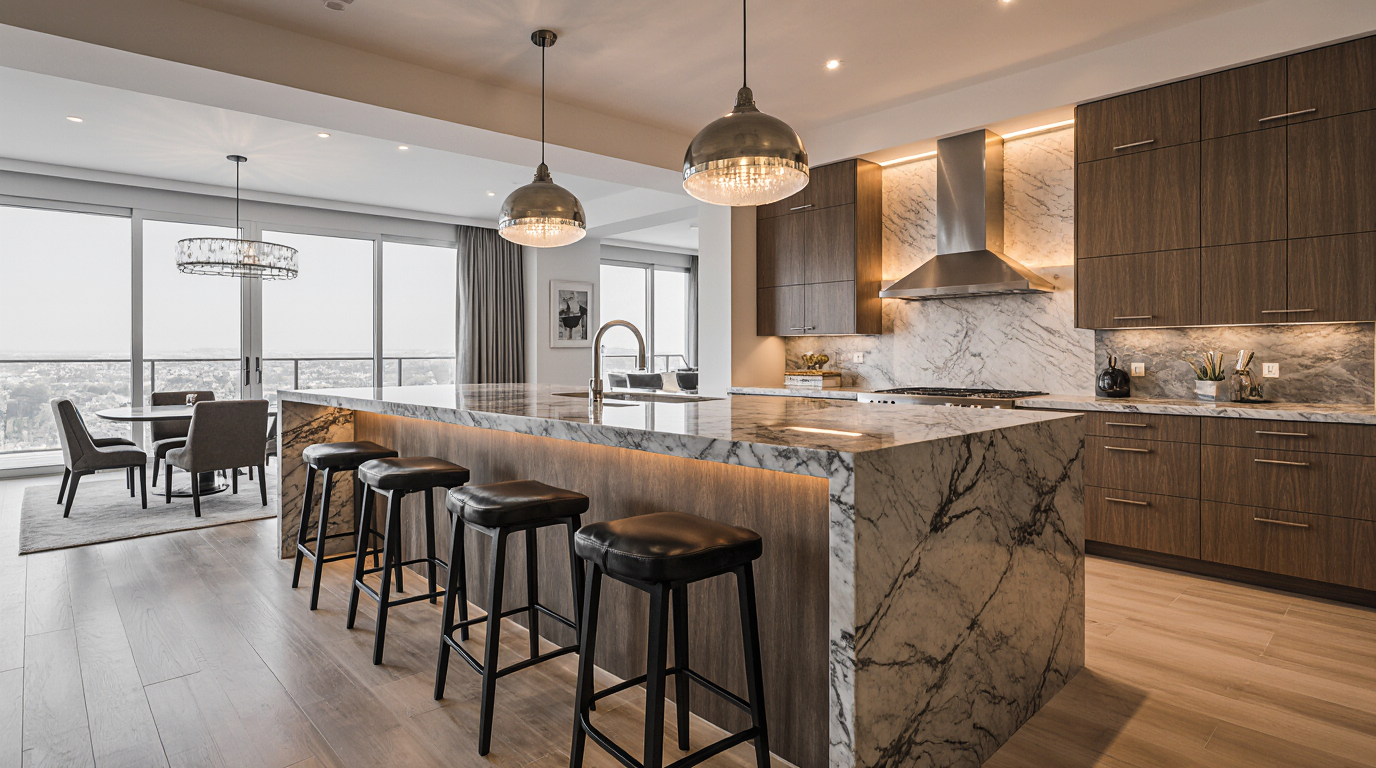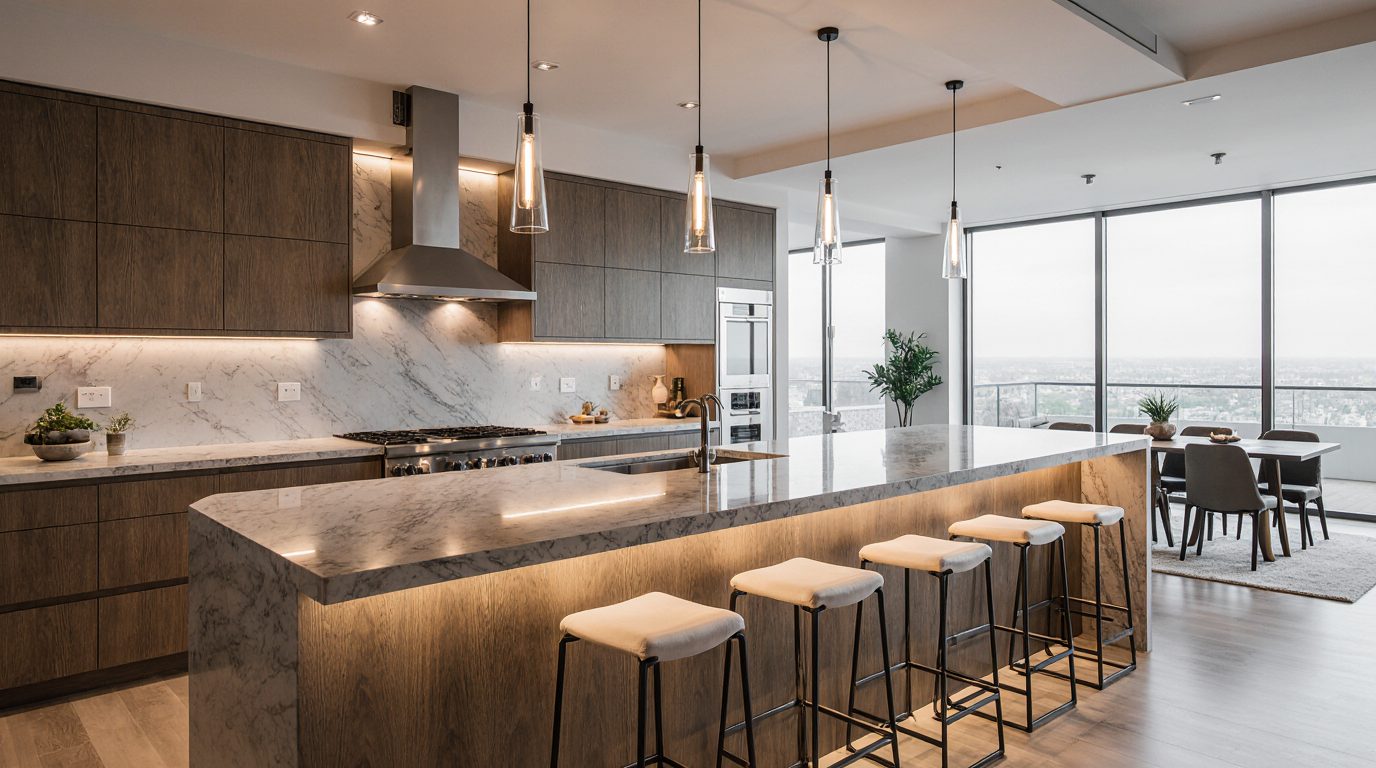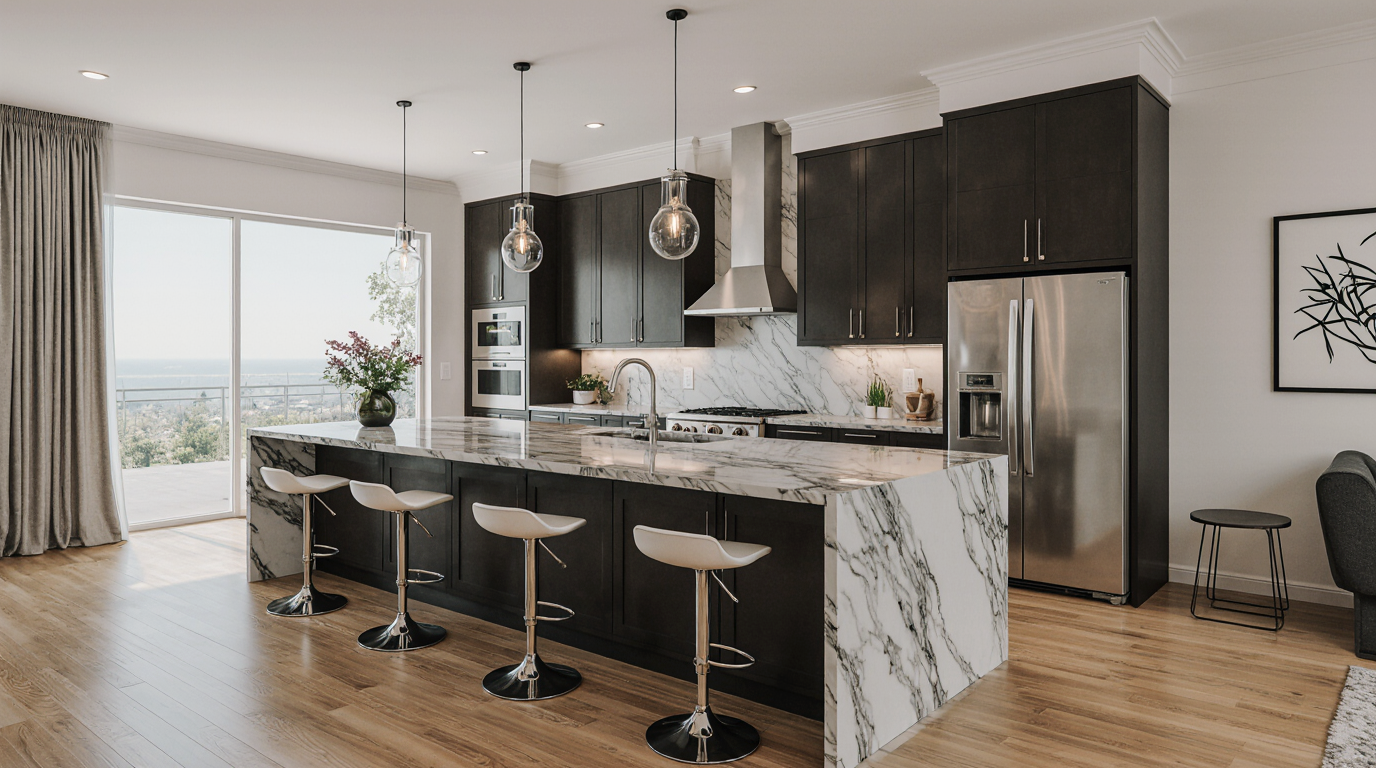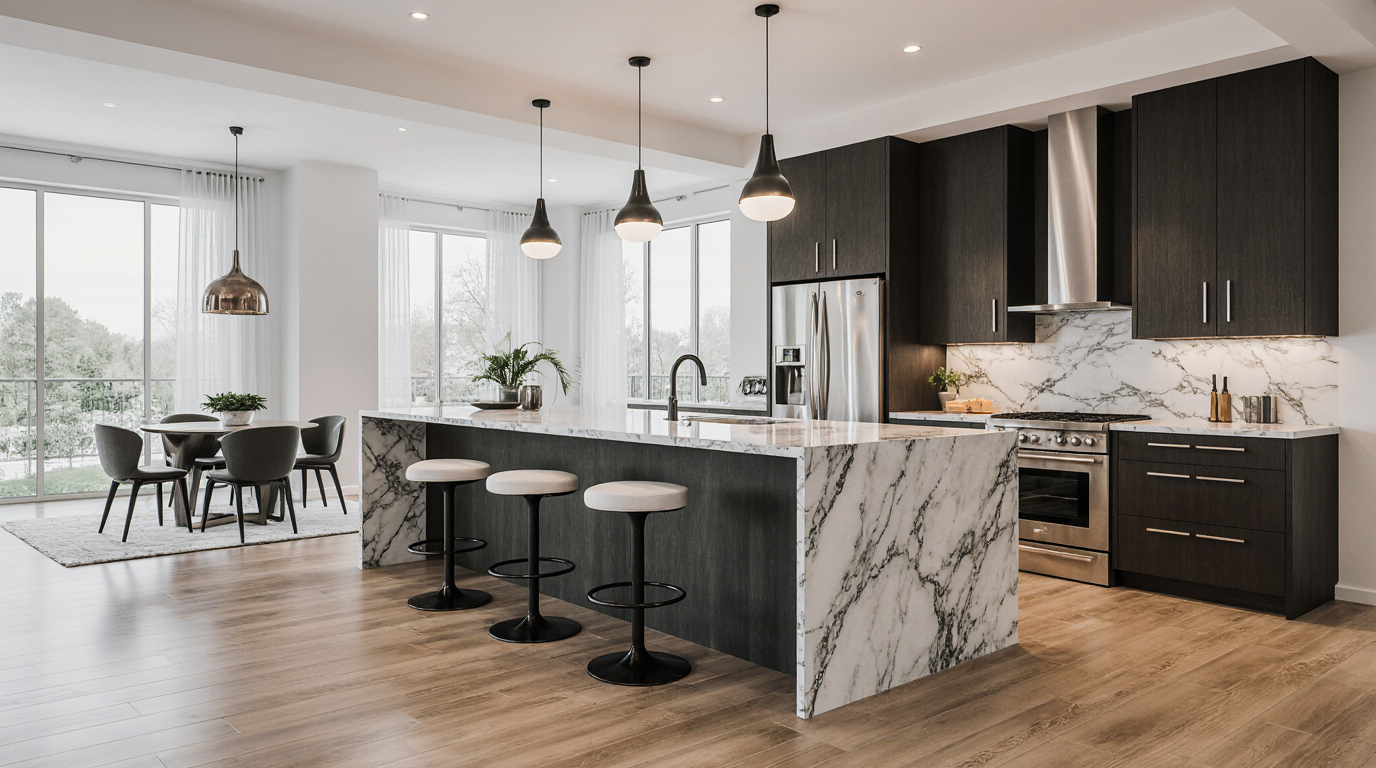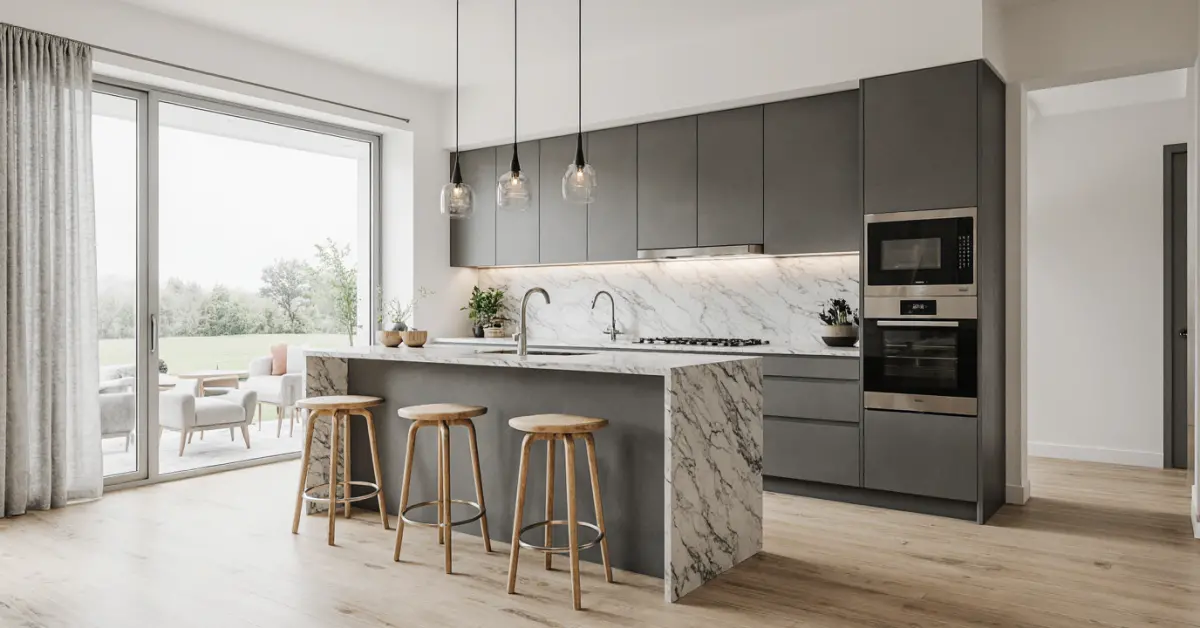
On barrier islands like Longboat Key or Siesta Key, the Florida Building Code mandates specific wind-load and impact resistance for windows and doors, a requirement homeowners readily accept. Yet, the most common point of failure I see inside these multi-million dollar homes is often in the kitchen, where that same coastal vigilance is forgotten. A cabinet box made from standard particle board can begin to swell from humidity in under three years, a quiet, internal failure that no beautiful facade can hide.
Executive Summary: Defining Beauty in a Coastal Kitchen
In my 15 years designing and building kitchens in coastal Florida, I've learned that in Sarasota, true beauty is
In my 15 years designing and building kitchens in coastal Florida, I've learned that in Sarasota, true beauty is synonymous with engineered durability. A kitchen that looks stunning but can't withstand our specific climate of high humidity and salt air is a failed investment. The most successful projects are those where material science informs aesthetic decisions from the very first conversation, not as an afterthought.
- Material Selection is Climate-Driven: The choice between marine-grade plywood and standard MDF for cabinet boxes is the single most important decision for longevity.
- Hardware is a Non-Negotiable Investment: Stainless steel (304 or 316 grade) or solid brass hardware is essential to prevent the pitting and corrosion caused by salt air.
- Ventilation Dictates Performance: A high-CFM range hood isn't just for cooking odors; it's a critical tool for daily humidity extraction, protecting cabinetry and finishes.
- Finish Durability Outweighs Trendiness: The intense UV light in Sarasota demands factory-applied, catalyzed conversion varnish or high-end acrylic urethane finishes to prevent fading and yellowing, especially on light-colored cabinets.
The Planning Failures That Compromise a Kitchen's Beauty
The most significant mistakes happen long before the first cabinet is installed. They are rooted in a misunderstanding of how our local environment attacks building materials. Homeowners fall in love with a look from a magazine based in a dry climate, and that aesthetic becomes the goal without adapting the underlying specifications for Sarasota's reality.
The Most Expensive Failure: Underestimating Humidity's Impact on Cabinet Boxes
The single costliest mistake I consistently see is prioritizing a high-end door style while skimping on the cabinet carcasses. A client will spend a premium on intricate door details but allow the boxes to be constructed from standard particle board with a melamine coating. In our humid environment, this is a ticking clock. I was called to a project in a Lakewood Ranch home where, after just four years, the sink base cabinet floor had delaminated and swelled from ambient moisture, causing the entire cabinet to sag and stress the granite countertop above it. The fix required a full tear-out of the base cabinets, a far more disruptive and expensive job than specifying moisture-resistant materials from the start.
How a Resilient Kitchen Is Built in Practice
Building a beautiful, lasting kitchen in Sarasota is a process of disciplined specification and verification. It starts with acknowledging the climate as an active variable in the project, not a passive backdrop. The process involves selecting materials designed for marine or high-humidity environments and ensuring the assembly techniques match their quality.
Selection Criteria for a Sarasota Home
- Verify Cabinet Box Material: Insist on seeing a sample of the cabinet box material. It should be, at a minimum, moisture-resistant MDF or, ideally, a multi-ply hardwood plywood. For homes directly on the water, specifying marine-grade plywood, which uses waterproof glue, is a sound investment that adds roughly 15-20% to the cabinet cost but can double their lifespan.
- Check HOA and Condo Association Guidelines First: Communities like The Concession or many condos on Gulf Stream Avenue have strict architectural review committees. Submitting your full material and finish schedule early is critical. Their approval process can take 4-6 weeks, a delay that must be factored into the project timeline.
- Demand High-Performance Finishes: Ask your cabinet maker what type of finish they use. A simple lacquer is insufficient. A catalyzed conversion varnish or a two-part polyurethane finish provides a much harder, more moisture- and chemical-resistant shell.
- Assess Hardware Specifications: Do not accept builder-grade zinc alloy hardware. Specify solid brass, bronze, or at least 304-grade stainless steel for all pulls, knobs, and hinges to prevent pitting and failure from salt air exposure.
Comparing Material Approaches for Sarasota Kitchens
The core decision in any Sarasota kitchen project revolves around the trade-off between upfront cost and long-term resilience. What appears to be a cost-saving measure initially can often lead to premature replacement and greater expense down the line. Homeowners must weigh these factors against their specific property location and intended length of ownership.
| Indicator | Standard Builder-Grade | Upgraded Mid-Range | Coastal High-Performance |
|---|---|---|---|
| Cabinet Box Material | Particle Board / Melamine | Plywood / Moisture-Resistant MDF | Marine-Grade Plywood |
| Typical Lifespan (Coastal) | 5-8 Years | 10-15 Years | 20+ Years |
| Humidity Resistance | Low (Prone to swelling) | Moderate | Very High (Waterproof adhesive) |
| Upfront Cost Index | 100% (Baseline) | 125-140% | 150-170% |
When a High-Performance Approach Isn't the Right Choice
I advise against a full marine-grade specification for clients who are renovating a property inland, for example, east of I-75, with the express purpose of selling it within 2-3 years. In these cases, the return on investment for the highest-tier materials may not be fully realized in the sale price. A well-constructed plywood box cabinet with a quality finish offers a sensible and durable compromise that presents beautifully to buyers without over-capitalizing on the renovation.
Safe Hiring and Specification Checklist
Ensuring your vision for a beautiful kitchen becomes a reality requires diligent vetting of both your contractor and the materials they propose. A pretty portfolio is not enough; you need proof of technical competence for our specific coastal environment.
- Confirm the contractor holds a current, valid license with Sarasota County and carries proper liability and worker's compensation insurance.
- Request specific examples of projects completed on one of the barrier islands (Lido, Siesta, Longboat Key) and ask about the materials used.
- Insist that the contract explicitly details the cabinet box material (e.g., "3/4-inch domestic plywood with hardwood veneer") not just "wood cabinets."
- Specify the brand and grade of all hardware, including drawer glides and hinges (e.g., "Blum Tandem plus BLUMOTION glides").
- Review the finishing process description. It should mention multi-step sanding, staining/painting, and a durable topcoat like conversion varnish.
- Ensure the scope of work includes pulling all necessary permits from the Sarasota County Building Department and scheduling inspections.
- If in a condo, get written confirmation that the contractor has provided the building management with their insurance and understands the rules for work hours and debris removal.
Decisions That Define a Truly Beautiful Kitchen
The most successful kitchen projects I've been a part of are distinguished by a few key decisions made early in the process. These choices prioritize function and durability, which in turn preserves the aesthetic appeal for years. It's about designing from the inside out, starting with the unseen elements.
The Exact Moment the Majority Gets It Wrong
Most homeowners begin the design process by focusing on the visible elements: door styles, colors, and countertops. The critical error happens when they commit to these aesthetics and get a quote before they have specified the foundational materials. The correct approach is to reverse the order. First, determine the non-negotiable structural and material requirements based on your home's location (e.g., plywood boxes, stainless hardware). Then, explore the aesthetic styles that fit within the budget remaining. This prevents the painful choice between the look you want and the quality you need later on.
Practical Answers for Kitchen Projects in Sarasota
Navigating a kitchen renovation here involves understanding local regulations and logistical challenges. These factors can significantly impact your timeline and budget if not addressed proactively. Beautiful designs are executed smoothly only when the practical realities are managed from the start.
Navigating Permitting with the Sarasota Building Department
A full kitchen renovation that involves moving plumbing, electrical, or walls requires a building permit from Sarasota County. The plan review process typically takes 3 to 5 weeks after submission. Minor, cosmetic-only updates may not require a permit, but it's crucial to verify. Working without a required permit can result in stop-work orders and fines, significantly delaying your project.
Meeting High-Rise Condominium Association Requirements
Renovating in a high-rise on Golden Gate Point or Longboat Key involves another layer of approval. Condo associations have strict rules regarding work hours (often 9 AM to 4 PM, Monday-Friday), elevator usage, and debris disposal. Your contractor must submit their license, insurance, and a full scope of work to the association board for approval, a process that can add weeks to your pre-construction timeline.
Impact of Florida Building Code on Kitchen Design
For homes in wind-borne debris regions, which includes all of Sarasota's barrier islands, the Florida Building Code has implications beyond windows. Any exterior ventilation, such as for a range hood, must have a code-approved, impact-rated wall cap. Furthermore, how cabinets are anchored to the walls is critical. Secure blocking and appropriate fasteners are necessary to ensure they remain in place during a high-wind event, a detail a knowledgeable local contractor will automatically account for.