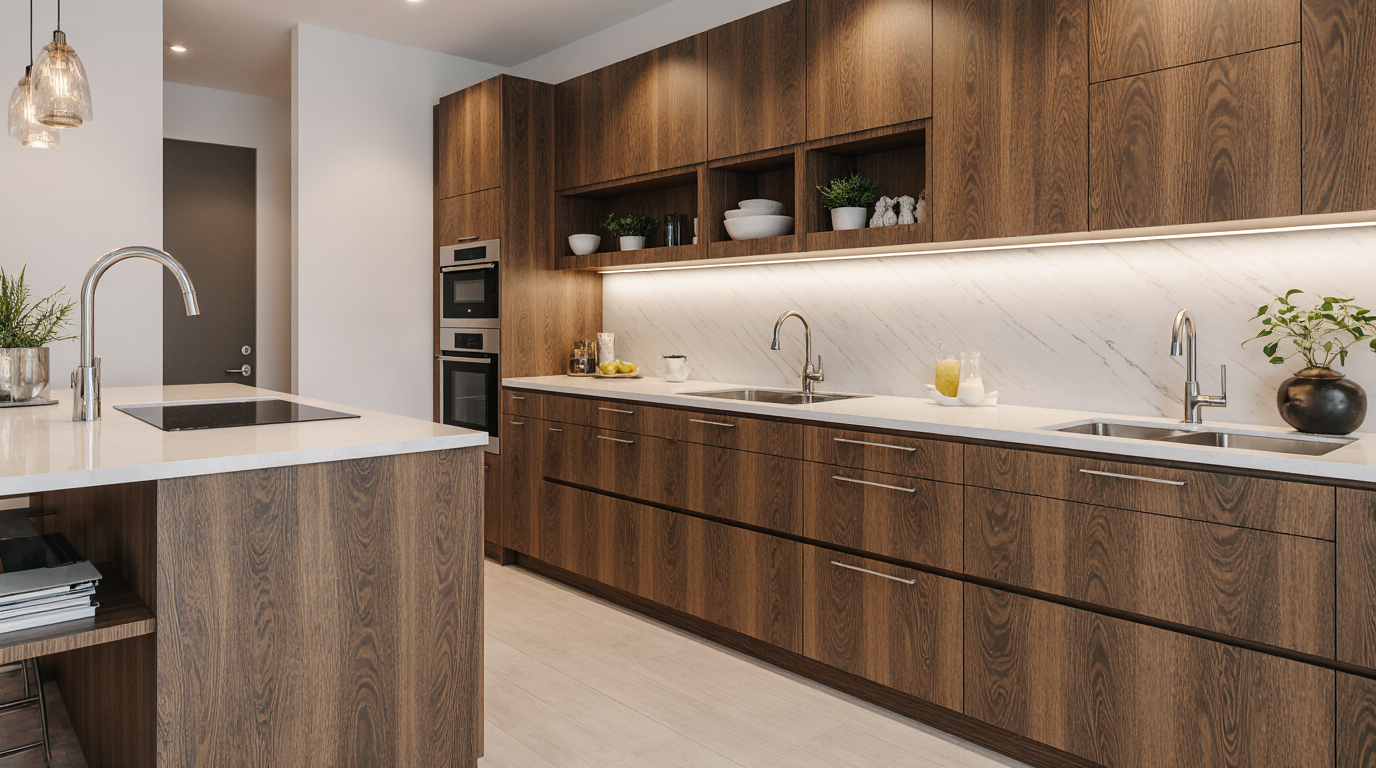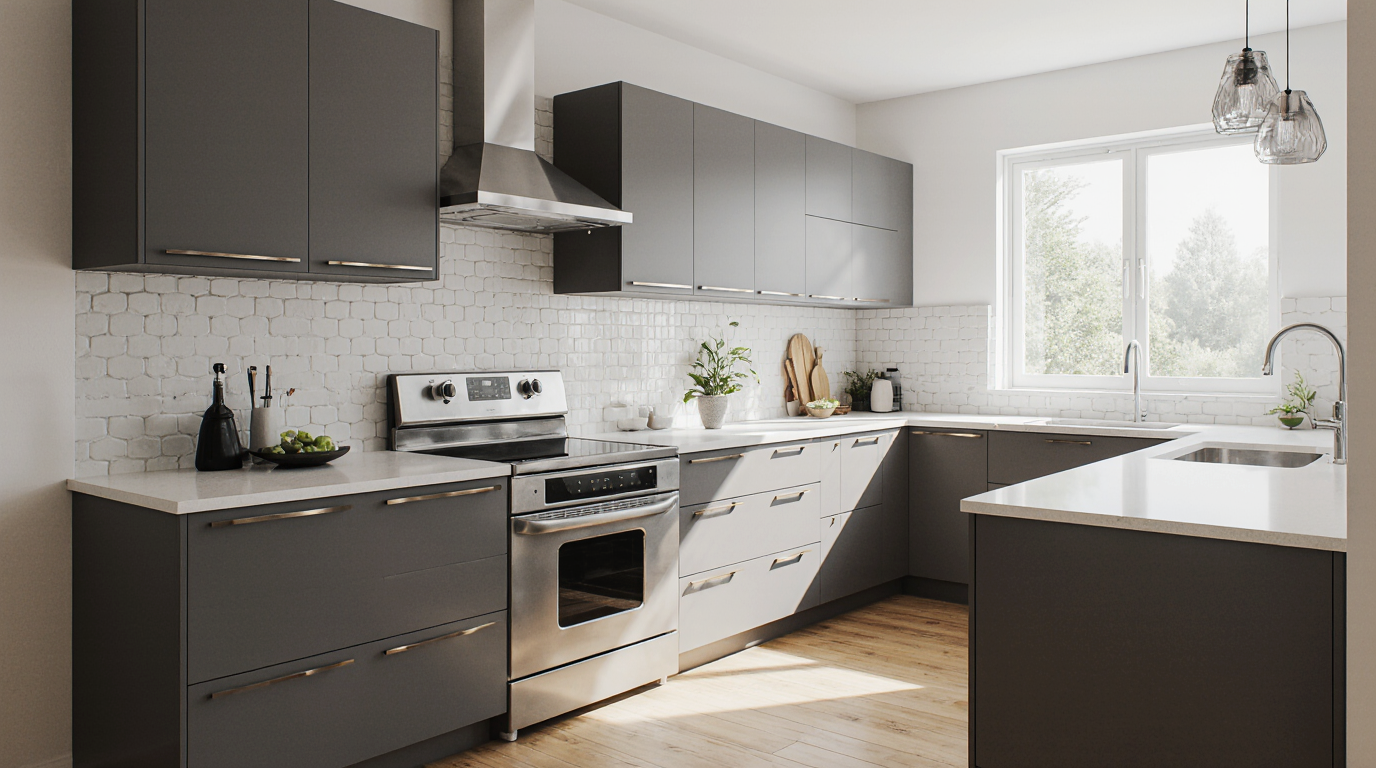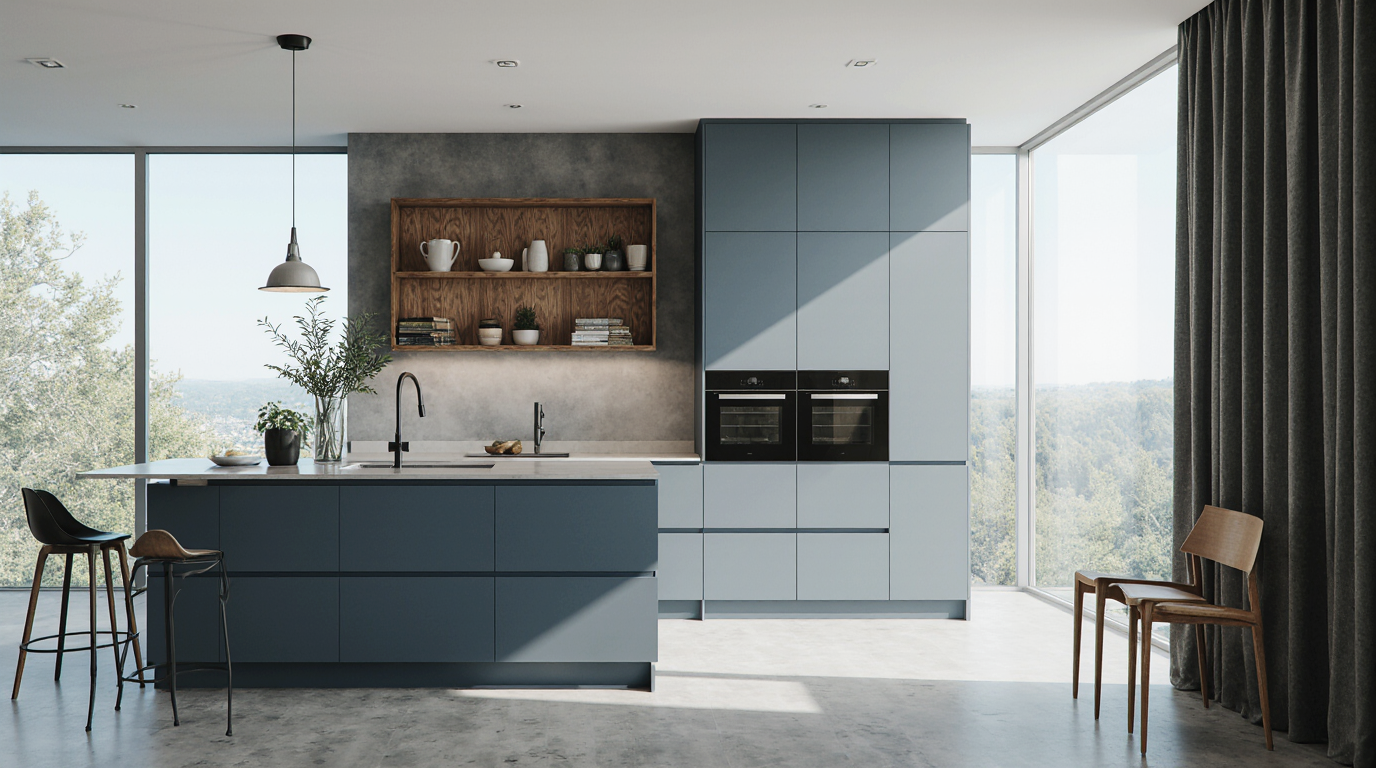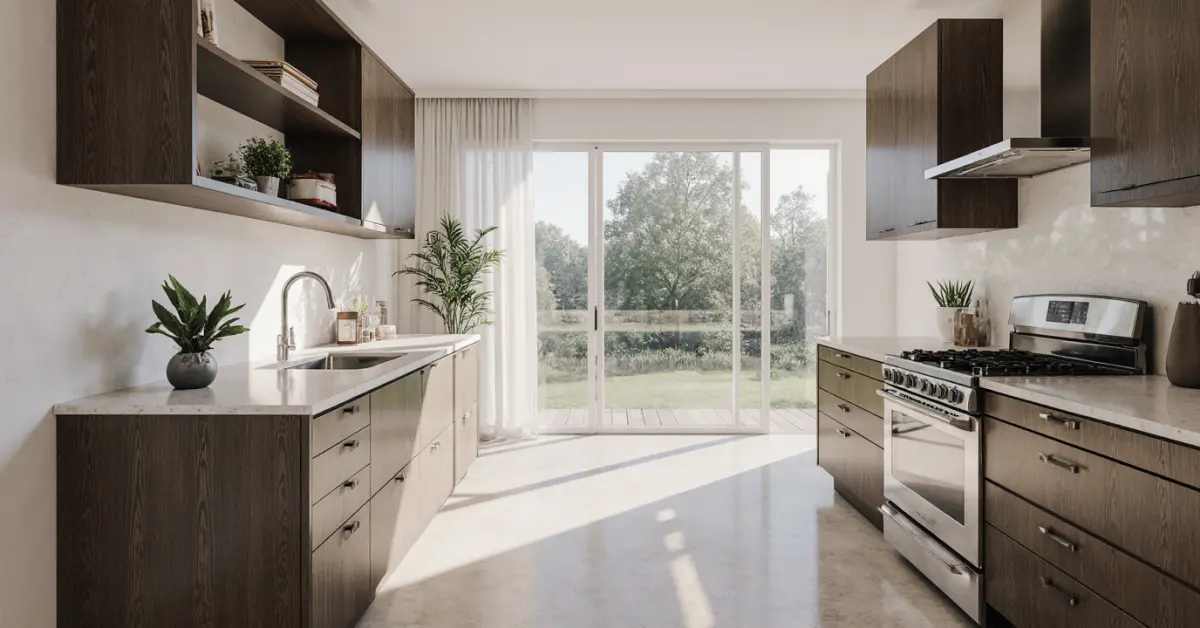
Executive Summary: Modular Cabinetry in a Coastal Environment
From my years specifying and installing kitchens from Siesta Key to Lakewood Ranch, I can tell you that successful
From my years specifying and installing kitchens from Siesta Key to Lakewood Ranch, I can tell you that successful modular cabinet projects in Sarasota depend less on the brand and more on the material science. The conversation must shift from aesthetics to performance against humidity and salt. A beautiful European laminate door will delaminate in a Casey Key home without a marine-grade substrate, a detail often overlooked in showroom sales pitches. The most critical factor is not the finish, but the core material and edge banding technology.
- Core Material: Standard particleboard is a non-starter; marine-grade plywood or high-density fiberboard (HDF) with moisture-resistant binders is essential.
- Hardware Specification: All hinges, slides, and pulls must be stainless steel (304 or, ideally, 316 grade) to prevent rust bleeding, a common failure I see within two years on barrier island homes.
- Edge Banding Integrity: Laser or PUR (polyurethane reactive) edge banding is non-negotiable as it creates a seamless, waterproof seal. Traditional EVA hot-melt glue will fail in our humidity.
- Ventilation and Installation: Proper installation requires air gaps and sealing of all cutouts (for sinks, cooktops) to prevent moisture ingress, a step often skipped by generalist installers.
Planning Failures That Inflate Modular Kitchen Costs
The biggest financial blunders with modular kitchens here don't happen during purchase but in the planning phase. Homeowners, especially those renovating seasonal properties, often underestimate the lead times and logistical complexities of getting specific, climate-appropriate modular lines delivered to Southwest Florida. This creates a cascade of expensive delays with contractors and other trades.
Another frequent misstep is assuming a “ready-made modular kitchen” is a simple plug-and-play solution. In older Sarasota homes, particularly those in historic neighborhoods like Gillespie Park, walls are rarely plumb and floors are never level. A standard modular base cabinet system requires extensive shimming and custom filler strips, which can compromise the clean lines and add significant labor costs not included in the initial cabinet quote.
The Most Expensive Failure: Ignoring HOA Design Review Timelines
I worked on a project in a large, master-planned community in the Sarasota area where the client ordered their semi-custom modular cabinets based on a 6-week lead time quoted by the supplier. However, they failed to submit the full specifications—including door style, color codes, and hardware—to their Homeowners Association's design review board. The board, which only met twice a month, took a full eight weeks to approve the plans. By then, the cabinets had arrived and sat in a non-climate-controlled garage, exposing them to a humid Florida summer. The result was minor but measurable warping on several door fronts, voiding the manufacturer's warranty before they were even installed.
How Modular Systems Work in Practice for Sarasota Renovations
The process for a modular kitchen here begins with precise field measurements, which are far more critical than with custom cabinetry because there is less room for on-site modification. Once a layout is finalized, the cabinet order is placed with a manufacturer, often in Europe or other parts of the U.S. The components—boxes (carcasses), fronts (doors/drawers), hardware, and accessories—are then fabricated and shipped flat-packed or pre-assembled to a local installer or warehouse.
The key difference in Sarasota is the receiving and acclimation process. I insist on having cabinets delivered to a climate-controlled space for at least 72 hours before installation. This allows the materials, particularly wood and composite cores, to stabilize to our local ambient humidity, preventing expansion or contraction issues after they are fixed to the walls. Installation is then a process of assembly, leveling, and securing the modular units, followed by countertop templating.
Selection Criteria for a Sarasota Home
- Warranty Coverage for Coastal Zones: Ask to see the warranty's specific exclusions. Many manufacturers void coverage for issues caused by humidity or salt air if you are located within a certain distance of the coast—a definition that covers most of Sarasota County.
- Availability of Marine-Grade Plywood Boxes: Confirm if the line you are considering offers an upgrade to a marine-grade plywood cabinet box. This option typically adds 15-20% to the box cost but is the single best insurance policy against moisture damage.
- Third-Party Hardware Certification: Don't just take the supplier's word for it. Ask for the specification sheets on hinges and drawer slides to confirm they are certified stainless steel or have a corrosion-resistant finish tested for salt spray environments.
- Local Installer Experience: The best modular system can be ruined by a poor installation. Verify the installer has specific experience with modular systems in coastal Florida homes and understands how to properly seal and support cabinets against our unique environmental pressures.
Comparison with Custom and Stock Cabinetry
Choosing between modular, fully custom, and off-the-shelf stock cabinets is a trade-off between customization, cost, and timeline. In Sarasota, the decision is further complicated by the need for durability in a harsh climate. For many, modular offers a compelling middle ground, but only if the right specifications are chosen.
| Feature | Modular Cabinets | Custom Cabinets (Local Millwork) | Stock Cabinets (Big Box Store) |
|---|---|---|---|
| Material Durability (Coastal) | Good to Excellent (with specified upgrades like marine-grade ply and PUR edging) | Excellent (built from the ground up with appropriate materials) | Poor to Fair (typically standard particleboard with low-resistance finishes) |
| Timeline | 8-16 weeks typical lead time | 12-24 weeks, dependent on local shop's backlog | In-stock or 1-3 weeks |
| Cost Index | $$ - $$$ | $$$$ | $ - $$ |
| Design Flexibility | High (fixed sizes but vast finish/style options) | Unlimited (any size, style, or finish) | Low (limited sizes and styles) |
When a Modular Approach Is Not the Right Choice
A modular system is the wrong choice for historic renovations or spaces with highly irregular dimensions, such as older homes in the Laurel Park neighborhood. The fixed-increment sizing of modular base cabinets and wall units makes it nearly impossible to achieve a seamless, integrated look without awkward fillers and compromises. In these cases, the higher upfront cost of true custom millwork is justified because a local cabinetmaker can scribe each cabinet perfectly to a crooked wall, maximizing every inch of space and creating a far superior finished product.
Safe Hiring Checklist for Modular Cabinet Suppliers
Finding a reliable supplier and installer is paramount. The quality of the product means little if it's not specified and installed correctly for our environment.
- Verify the supplier has a physical showroom. You must see and touch the materials, test the drawer glides, and inspect the edge banding quality in person.
- Request references from at least two recent projects completed on one of the barrier islands (e.g., Longboat Key, Siesta Key) and ask those homeowners specifically about hardware performance.
- Confirm their installer is licensed and insured in the state of Florida. Ask specifically about their policy for protecting your home during installation.
- Review the material specification sheet before signing the contract. It should explicitly state the core material (e.g., “NAUF HDF with moisture-resistant resin”), the hinge material (“304 Stainless Steel”), and the edge banding type (“PUR adhesive”).
- Ensure the contract includes a clear timeline that accounts for potential shipping delays and specifies a protocol for handling damaged components on arrival.
- Check if their installation process requires compliance with any aspects of the Florida Building Code, especially regarding anchoring of tall pantry cabinets in high-velocity hurricane zones (HVHZ).
- Discuss their service and warranty claim process. Who is your point of contact if a door delaminates in 18 months—the local dealer or a national manufacturer?
Decisions That Determine the Outcome
The success of a modular kitchen project in this market hinges on prioritizing material science over brand names. I have seen homeowners spend a fortune on a high-end German or Italian brand, only to watch it fail because they chose a standard particleboard core to save a few thousand dollars. Conversely, I’ve seen more budget-friendly modular wood cabinets from North American manufacturers perform flawlessly for over a decade because the client invested in the plywood box upgrade and stainless hardware.
Your most important decision is allocating the budget correctly. Spend less on elaborate internal organizers or a niche door style and invest that money in the foundational elements: a moisture-resistant cabinet box, corrosion-proof hardware, and the best possible edge banding. These are the components that fight our climate 24/7.
The Exact Moment When the Majority Gets It Wrong
The critical mistake happens when clients approve a design based on a 3D rendering without demanding a physical sample of the exact door they are ordering. A rendering cannot show the quality of the finish, the feel of the material, or, most importantly, the construction of the edge. Before you sign anything, you must have a corner sample of your chosen door in your hand. Run your fingernail along the edge. Does it feel like a seamless, single piece, or can you feel a faint ridge where the edge tape meets the face? That ridge is where moisture will eventually get in and cause the material to swell and delaminate. This simple physical check is more telling than any brochure.
Practical Answers About Operations in Sarasota
Navigating Condo Association Rules for Kitchen Remodels
In the high-rise condos along Gulf Stream Avenue or on Longboat Key, the biggest operational hurdle is the Condo Association, not the city. Associations have strict rules about work hours (often 9 a.m. to 4 p.m., no weekends), debris removal, and use of elevators. You must provide your cabinet installer's license and insurance to the building management weeks in advance. Failure to coordinate this can lead to the installation team being denied entry, causing costly delays and rescheduling fees.
Understanding Material Acclimation and Lead Times
Because many high-quality modular lines are manufactured out of state or in Europe, shipping logistics are a major factor. A standard 12-week lead time can easily stretch to 16 weeks due to port congestion or trucking delays. It is crucial to build this buffer into your renovation schedule. Rushing the installation of cabinets that have just come off a hot truck and into an air-conditioned home is a recipe for disaster. The 72-hour acclimation period I mentioned is not optional; it's a mandatory step to ensure long-term stability.
Permitting for Kitchen Remodels with Modular Cabinets
A common question is whether a permit is required from the City of Sarasota or Sarasota County. If you are simply replacing cabinets in the same location (a “pull and replace”), a permit is typically not required. However, the moment you move plumbing, electrical outlets, or gas lines to accommodate your new modular layout, you trigger the need for a building permit. This process involves submitting plans and can add 4-6 weeks to your project timeline before any work can even begin. Always clarify the full scope of work with your contractor to determine if a permit is needed.