My Diagnostic Methodology for Sarasota Kitchen Spaces
Before any design is sketched, my process begins with a structural and environmental assessment of the space. A high-rise condominium in downtown Sarasota presents different challenges than a sprawling single-family home in Lakewood Ranch. I analyze airflow, proximity to saltwater bodies, and intense sunlight exposure from large windows, as these factors dictate not just material selection but the very engineering of the cabinetry. I've seen beautiful lacquered finishes fail prematurely on Lido Key simply because the UV-blocking properties of the topcoat were insufficient for a west-facing kitchen. My methodology accounts for these hyperlocal stressors from day one.
Advanced Material Specification for Coastal Durability
Moving beyond the standard choices is critical for longevity in Florida's climate. While many builders may use moisture-resistant MDF, I have found it consistently underperforms under sustained high humidity. My standard is a BS 1088 marine-grade plywood for all cabinet carcasses. This material uses waterproof glues and has a void-free core, which provides superior structural integrity and an almost complete resistance to swelling and warping. For hardware, I exclusively use Blum or Grass systems with 316 stainless steel components. This specific grade offers the highest chromium and molybdenum content, making it exceptionally resistant to the pitting and corrosion caused by airborne salinity, a frequent point of failure I observe in kitchens just blocks from the coast.
The Fabrication and Finishing Protocol
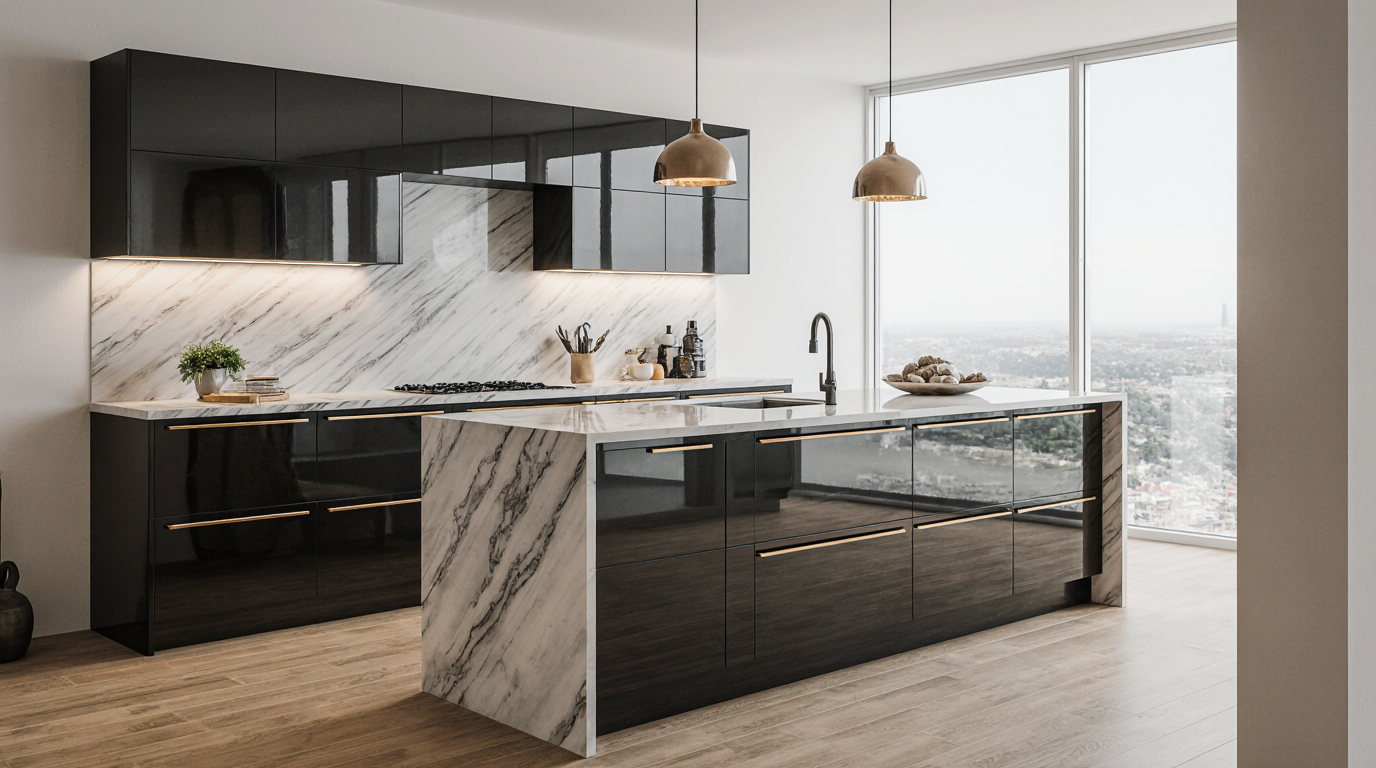
Precision in fabrication is as crucial as the materials themselves. Every component is cut using CNC technology to ensure tolerances under 1/32 of an inch, which is essential for the seamless, minimalist look of modern cabinetry. My finishing process is a multi-step system designed for a humid environment, not a generic spray booth application.
- Sealing: Every cut edge of the plywood is sealed with a waterproof primer before assembly. This is a step often skipped to save time, but it's the single most effective defense against moisture intrusion at the seams.
- Conversion Varnish: For painted finishes, I use a post-catalyzed conversion varnish. This chemical-cured coating creates a much harder, more durable, and less permeable film than standard lacquer, providing a 40% increase in resistance to moisture and household chemicals.
- Curing: All finished components are cured in a climate-controlled environment to ensure proper cross-linking of the varnish, guaranteeing its maximum protective properties before it ever reaches the job site.
Precision Installation and Final Adjustments
The final stage is where a high-end project truly distinguishes itself. Installation is not just about mounting boxes to a wall; it's about creating a perfectly integrated and functional system. I employ laser leveling to establish flawless horizontal and vertical lines, ensuring door and drawer reveals are perfectly consistent. For older homes, especially those with the Mediterranean revival style found in Sarasota, walls are rarely perfectly plumb. In these cases, using extended stiles and custom scribe molding is essential to create a truly built-in appearance without unsightly gaps. This meticulous attention to detail ensures the final installation is as structurally sound and visually perfect as the cabinets themselves.
Now, take a look at your own kitchen. Are the gaps between your cabinet doors perfectly even from top to bottom, or have they started to drift out of alignment?