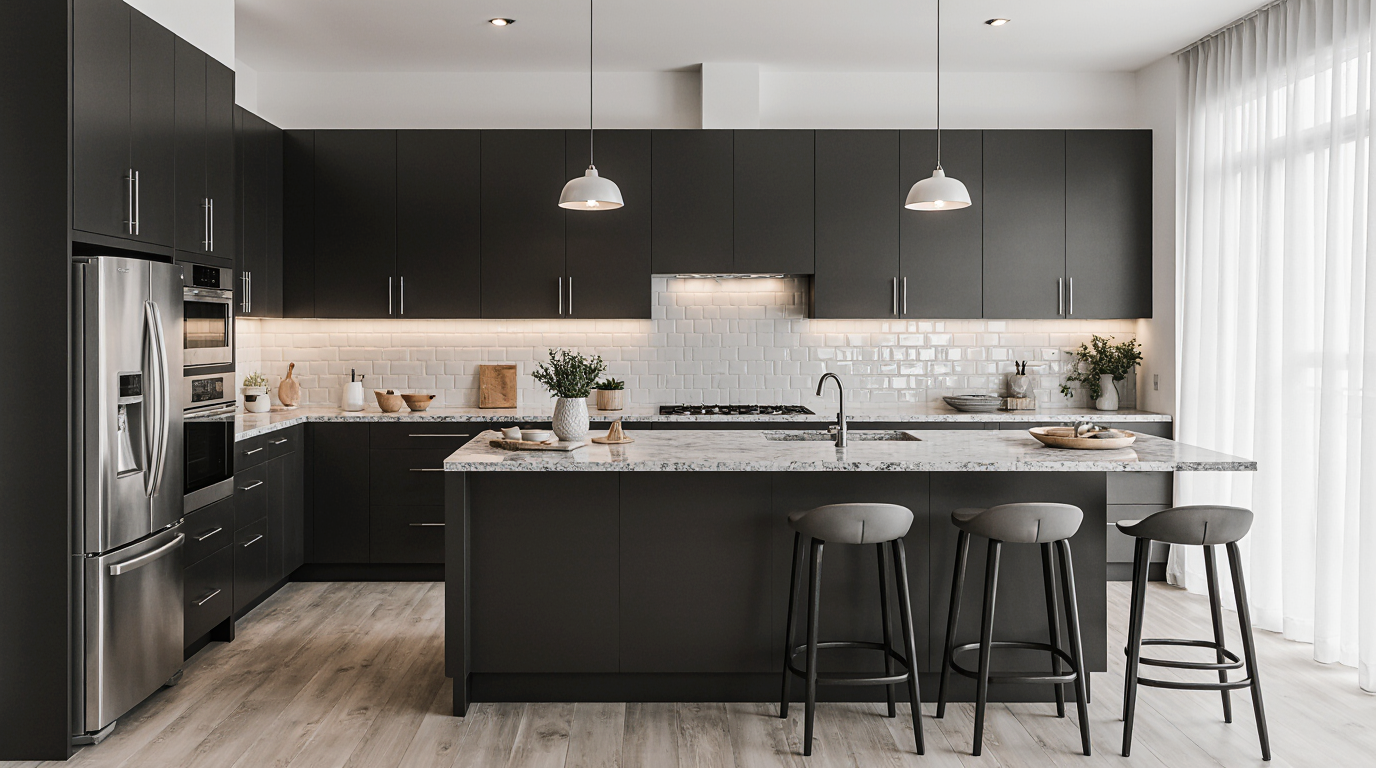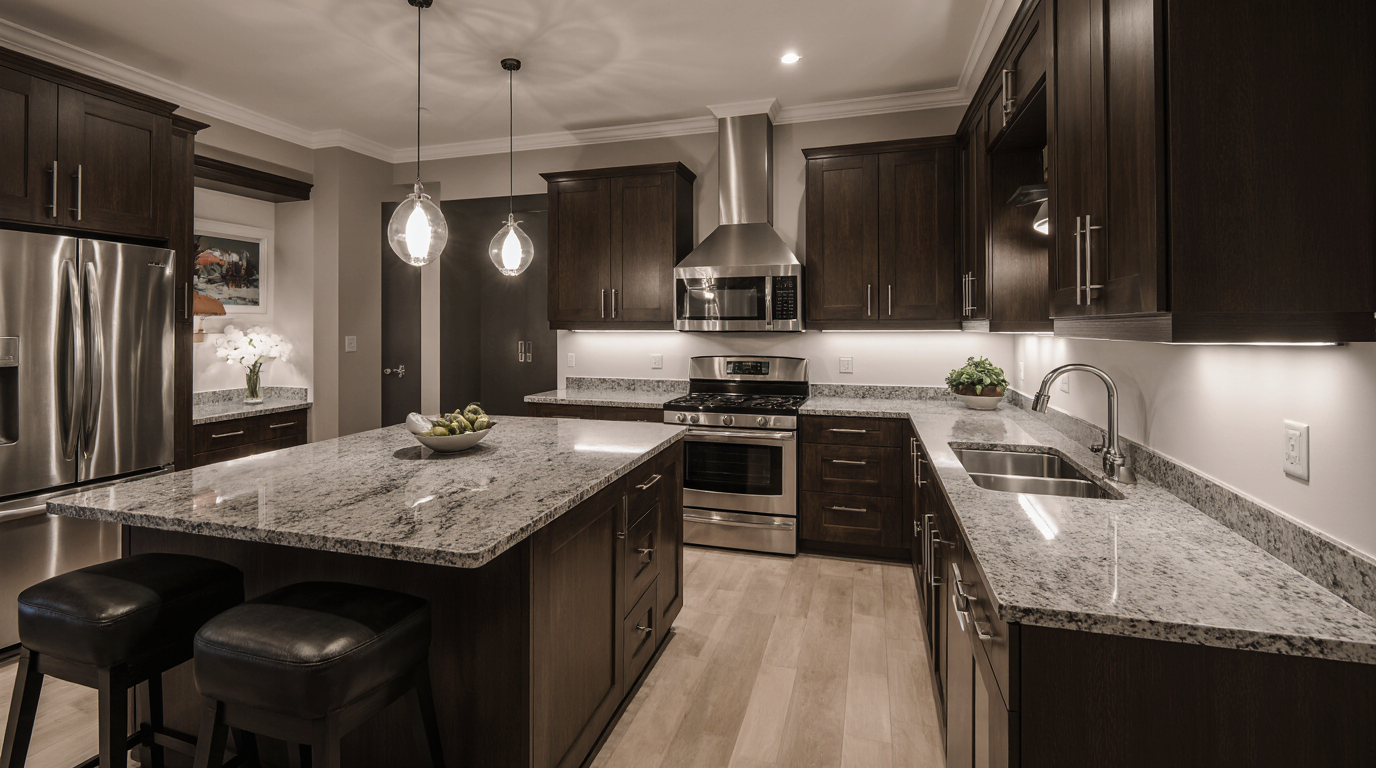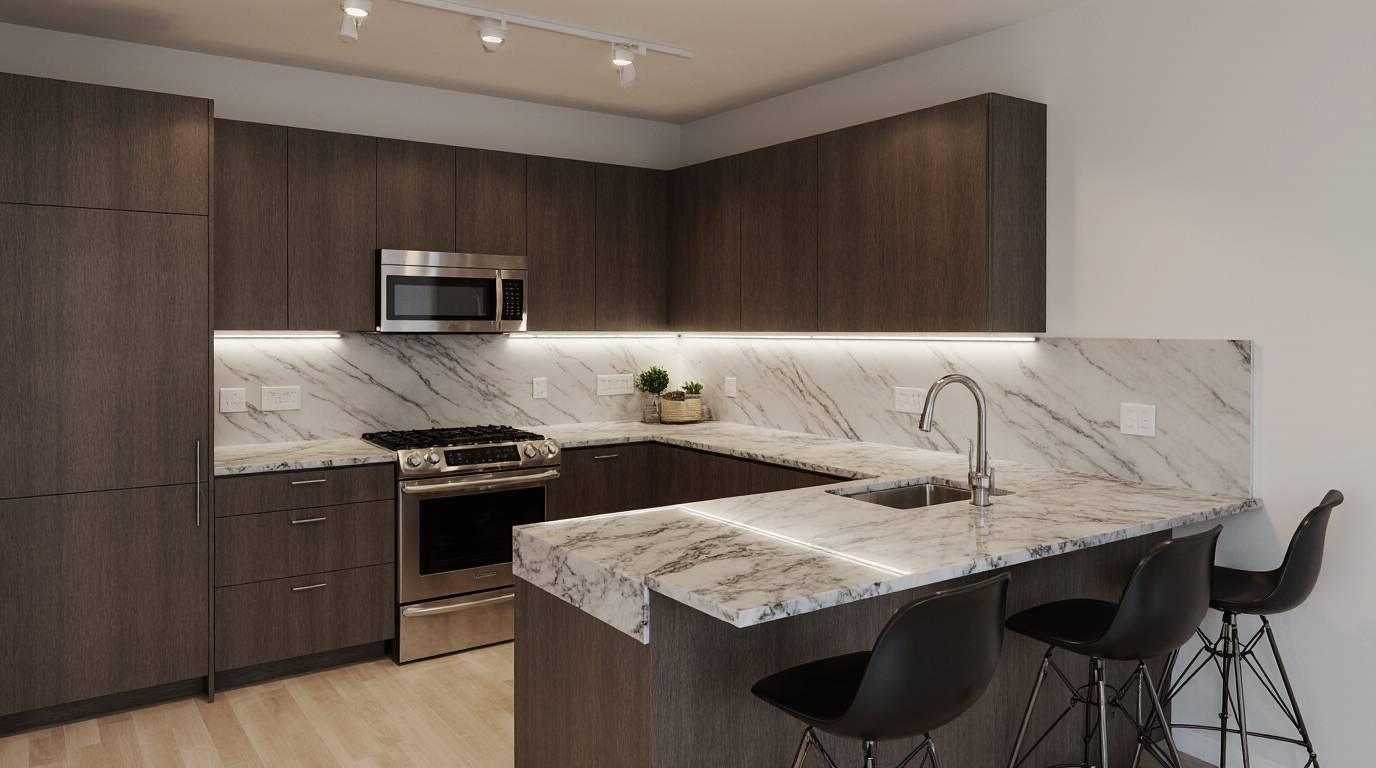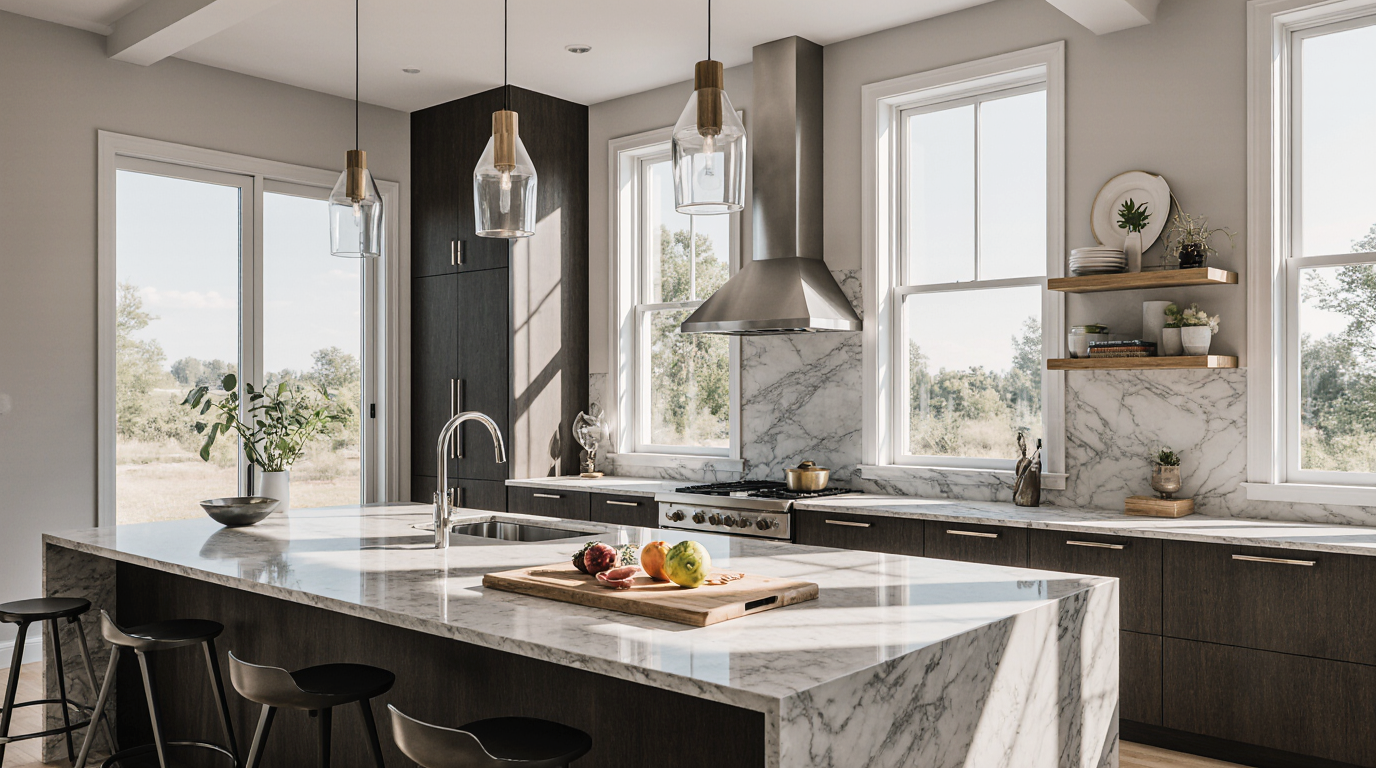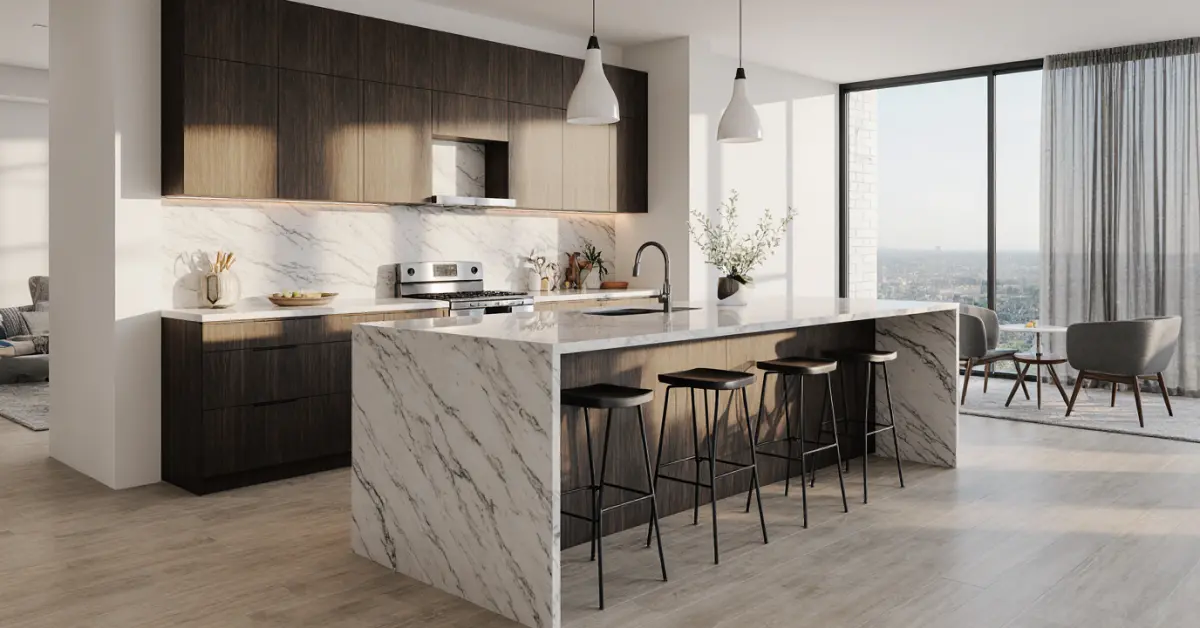
The client hesitated for three weeks over a slab of pure white quartz. They loved the minimalist look, but their Longboat Key condo gets direct afternoon sun. When they finally decided, their preferred fabricator's schedule had pushed their project back by two months. The problem wasn’t their indecision; it was that they were asking the wrong first question. The right question isn't 'what looks modern?' but 'what stays modern in Sarasota's intense sun and humidity?'
Executive Summary: Modern Countertops in a Coastal Climate
In my 15 years designing and overseeing kitchen projects in Sarasota, the central challenge is aligning the sleek,
In my 15 years designing and overseeing kitchen projects in Sarasota, the central challenge is aligning the sleek, minimalist aesthetic of modern design with the harsh realities of our coastal environment. A countertop that looks pristine in a Chicago showroom can yellow, stain, or even delaminate here within a few years. My approach prioritizes material science as the foundation of design, ensuring that the form you invest in is not compromised by the function required by our climate. This means focusing on non-porous, UV-stable, and structurally sound materials that deliver a modern look without the hidden maintenance liabilities.
- Material Performance Over Aesthetics: The primary filter for any modern countertop in Sarasota must be its resistance to UV radiation, humidity, and salt air.
- Structural Integrity for Open Layouts: Modern designs, especially large L-shaped kitchen counters or islands, require engineering that accounts for Florida's specific building codes, not just aesthetic appeal.
- HOA and Condo Board Pre-Approval: In communities like Lakewood Ranch or on the keys, material and installation methods often require pre-approval, impacting timelines and choices.
- Lifecycle Cost vs. Initial Price: An 'eco-friendly' countertop that requires constant sealing or is susceptible to moisture damage is neither economical nor sustainable in this climate.
The Planning Failures That Undermine Modern Design
The most common missteps I see stem from prioritizing a specific look seen online or in a magazine without vetting it against Sarasota's climate. Clients fall in love with a material, only to discover its vulnerabilities after installation. This reactive approach leads to disappointment and unexpected maintenance costs.
Another frequent error is underestimating the structural requirements for large, seamless countertop installations. Cantilevered breakfast bars or waterfall edges on an island require substantial support that must be integrated into the cabinet plan from day one, not as an afterthought. Failing to do so can lead to cracking or sagging, completely destroying the clean, modern line.
The Most Expensive Failure: Ignoring UV Degradation
The most costly mistake I consistently observe is selecting a countertop with poor UV stability for a kitchen with significant natural light, a hallmark of Sarasota architecture. A client for a bayfront home on Bird Key insisted on a specific brand of epoxy-resin countertop for its unique, artistic look. Despite warnings, the appeal was too strong. Within two years, the section exposed to direct afternoon sun had yellowed noticeably, creating a jarring two-tone effect against the shaded areas. The fix wasn't a repair; it was a full replacement, costing them not just the material and labor twice over, but the significant disruption to their home.
How Countertop Selection and Installation Works in Sarasota
The process here is more than just picking a slab and scheduling an installation. It begins with a deep analysis of the home's specific location—a condo on Lido Key has different atmospheric challenges than a home east of I-75. We evaluate light exposure, ventilation, and the client's lifestyle to create a shortlist of viable materials.
Once a material is chosen, we move to templating, which is done digitally for precision. The fabrication plan must account for the strict tolerances of modern design, where seams are minimized and edges are crisp. The installation itself often requires coordination with other trades, especially if structural supports for large spans or waterfall edges are needed. For any major renovation, this process is subject to review by the Sarasota County Building Department to ensure compliance with the Florida Building Code, particularly regarding anchoring and load-bearing capacity.
Selection Criteria for Sarasota Homeowners
- UV Stability Rating: Ask for manufacturer data on colorfastness under UV exposure. This is non-negotiable for kitchens with large windows or glass doors.
- Porosity and Sealing Requirements: Select materials like engineered quartz, sintered stone (e.g., Dekton), or non-porous solid surfaces that don't require the constant sealing that marble or certain granites do in our high-humidity environment.
- HOA Material & Color Palette Approval: For communities like The Founders Club or waterfront condos, check the association's architectural guidelines before you even get a sample. Some have surprisingly restrictive rules on countertop materials and colors visible from the exterior.
- Fabricator's Experience with High-Performance Materials: Not all fabricators are skilled in cutting and installing ultra-compact surfaces or large-format porcelain slabs. Verify their specific experience with the material you choose.
Comparing Modern Countertop Materials for Coastal Homes
Choosing the right material involves a trade-off between aesthetics, durability, and budget. The visual appeal of natural stone can be powerful, but engineered materials often provide superior performance in the Sarasota climate. The key is to make an informed decision based on long-term value, not just the initial look.
| Material | UV & Stain Resistance | Maintenance in High Humidity | Typical Installed Cost per Sq. Ft. |
|---|---|---|---|
| Engineered Quartz | High (stain), Moderate-High (UV, but some resins can yellow) | Low - Non-porous | $90 - $160 |
| Sintered Stone (e.g., Dekton) | Very High (stain and UV) | Very Low - Non-porous | $110 - $200+ |
| Natural Marble / Agate | Low - Prone to etching and staining | High - Requires frequent sealing | $120 - $300+ |
When Engineered Stone Isn't the Right Choice
Despite its superior performance, an engineered product is not always the answer. For a client restoring a classic Sarasota School of Architecture home, the goal was historical authenticity. While a modern quartz countertop would have been more practical, it would have been stylistically jarring. We opted for a honed black granite, understanding and accepting that it would require a strict maintenance schedule. The trade-off was clear: they chose character over convenience, and we built a support plan around that decision.
Safe Hiring Checklist for Your Countertop Project
Vetting a fabricator and installer in Sarasota goes beyond looking at their gallery. You are hiring a partner who understands how to work with high-tech materials in a demanding environment. Their expertise is what protects your investment.
- Verify their license with the Florida Department of Business and Professional Regulation (DBPR) and check for any complaints.
- Ask for proof of liability and workers' compensation insurance. A typical policy for a specialty contractor in this field should cover at least $1 million in liability.
- Request references specifically from projects on the barrier islands (Lido, Siesta, Longboat Key) to confirm their experience with salt-air logistics and condo board rules.
- Confirm they use digital templating technology. For modern designs with tight tolerances and minimal seams, this is a must.
- Review their seam placement policy. A good fabricator will discuss seam locations with you for approval before a single cut is made.
- Ask how they comply with the Florida Building Code for countertop support, especially for overhangs exceeding 10 inches on 3cm stone, which often require structural corbels or steel supports.
- Ensure the contract explicitly states warranty details for both the material and the installation workmanship.
Decisions That Determine the Final Outcome
The success of a modern kitchen counter project is sealed long before the installers arrive. It's determined by a series of early, informed decisions about the interplay between material, layout, and environment. The most critical decision is choosing a material based on its performance characteristics first and its aesthetic second.
I guide clients to think about their countertop as a technical component of their home's building envelope, not just a decorative surface. This mindset shift is crucial. It changes the conversation from "I want a black countertop" to "I want a black countertop that will not fade, stain, or heat up excessively in my sun-drenched, L-shaped kitchen." This leads to better material choices, like a honed absolute black granite over a dark quartz that might show water spots more readily.
The Exact Moment When the Majority Gets It Wrong
The critical error happens at the very beginning: when clients visit a slab yard without a pre-qualified list of material types. They are immediately drawn to the dramatic veining of a fragile marble or the exotic beauty of a semi-precious agate countertop. They fall in love with a 'look.' From that point on, every conversation becomes about trying to make that inappropriate material work, instead of finding the right material for their home. The most effective strategy is the reverse: we first define the performance needs, then we find the most beautiful options that meet those criteria.
Practical Answers About Operations in Sarasota
Navigating a countertop installation here involves more than just design and fabrication. You must account for local regulations, building logistics, and community-specific rules that can impact your project's timeline and cost.
Handling Condo Association Design Reviews
In many of the waterfront high-rises along Gulf Stream Avenue or on the keys, the condo association's design review committee has final say. They often have rules governing not just the materials you can use, but the hours your crew can work, where they can park, and how materials are brought into the building. Submitting your full project plan, including material specs and contractor insurance, can take 30-60 days for approval. Starting work without this approval can result in fines and stop-work orders.
Eco-Friendly Countertops and Florida's Humidity
Many clients are interested in eco-friendly countertops like butcher block or recycled paper composites. While admirable, these materials are often highly susceptible to moisture. In Sarasota's humidity, a wood countertop that isn't impeccably sealed and maintained can warp or become a breeding ground for mold. A truly 'green' choice here is a durable, long-lasting material like sintered stone, which is inert, requires no sealers, and has a service life that avoids premature replacement and landfill waste.
Permitting for Structural Countertop Changes
If your new counter design involves altering the kitchen layout, removing a non-load-bearing wall for an open-concept island, or adding significant weight, a permit from Sarasota County may be required. For example, a large island with a thick stone top and waterfall edges can represent a significant structural load. An architect or engineer may need to sign off on the plans to ensure the floor structure can support the weight, a step that adds time and cost but is essential for safety and code compliance.