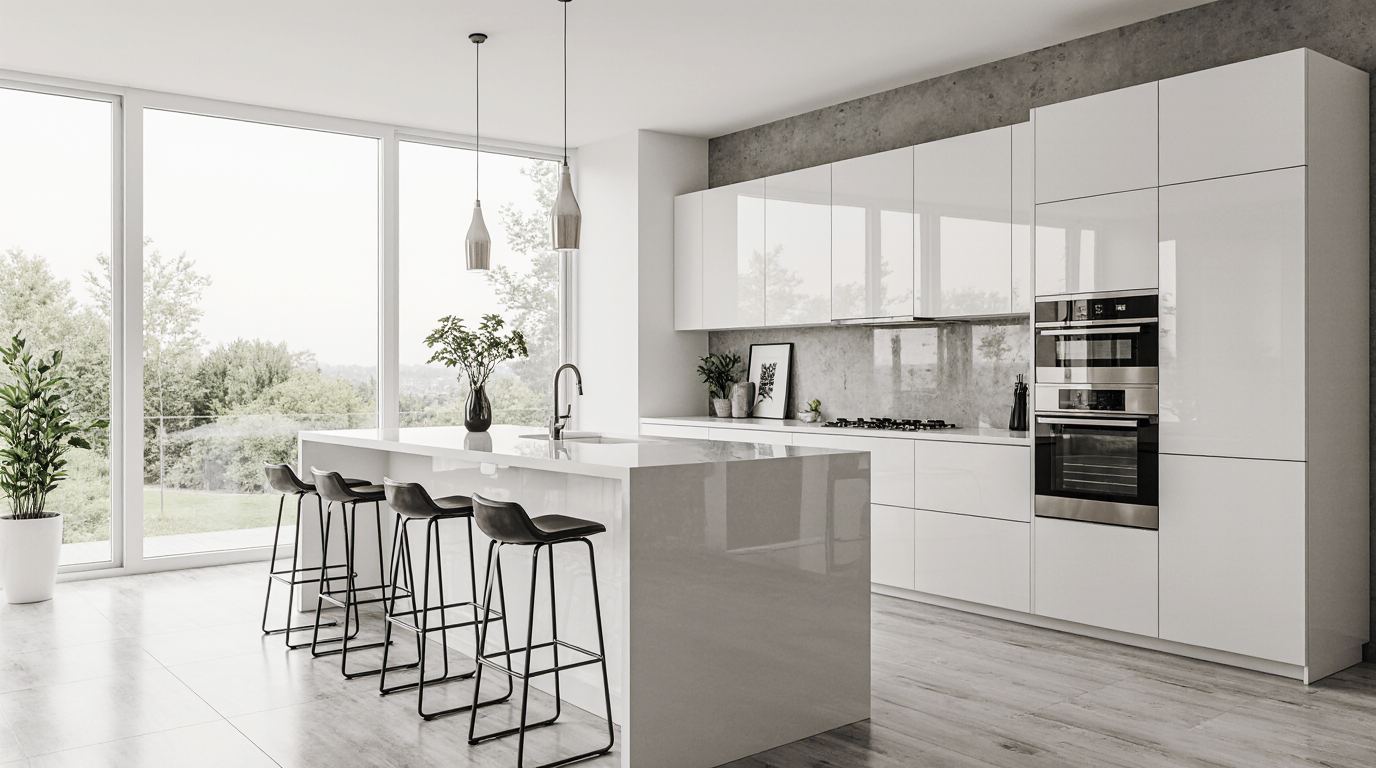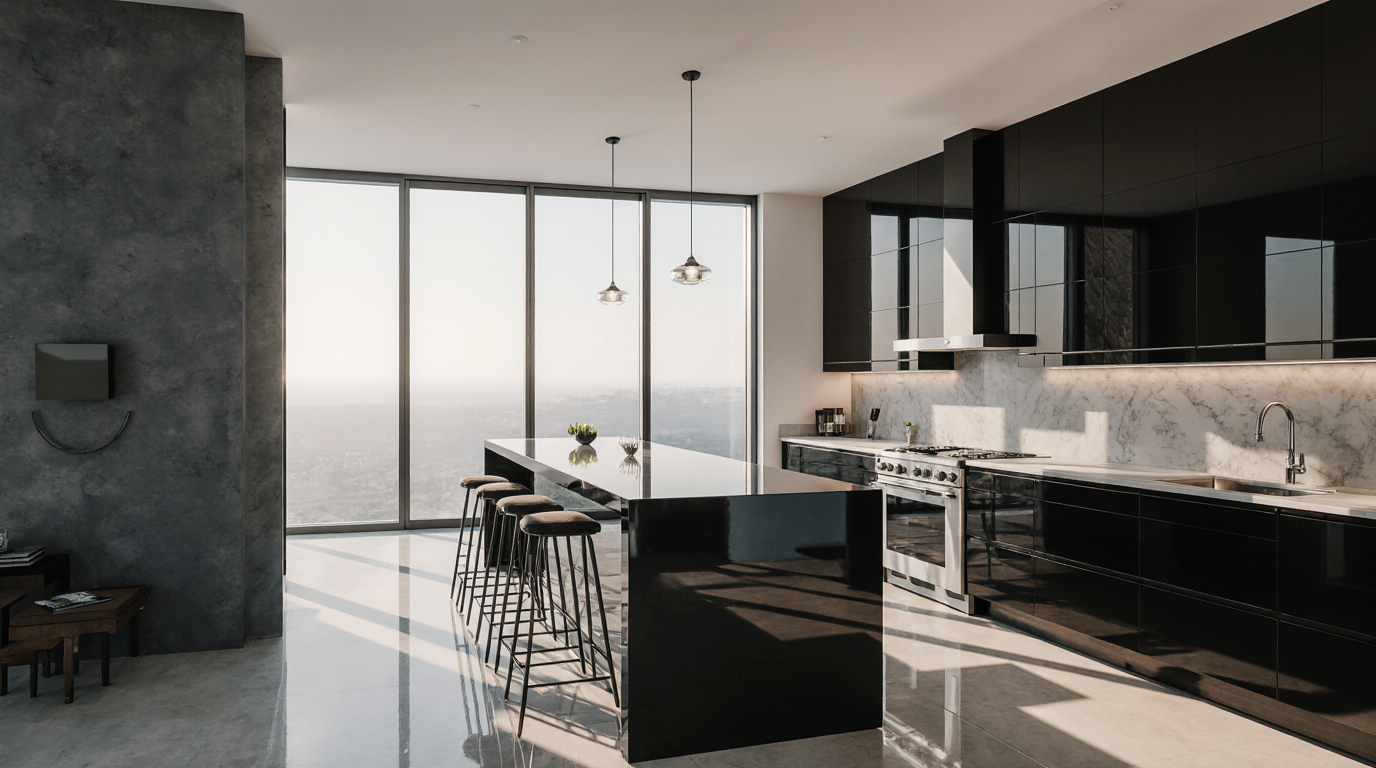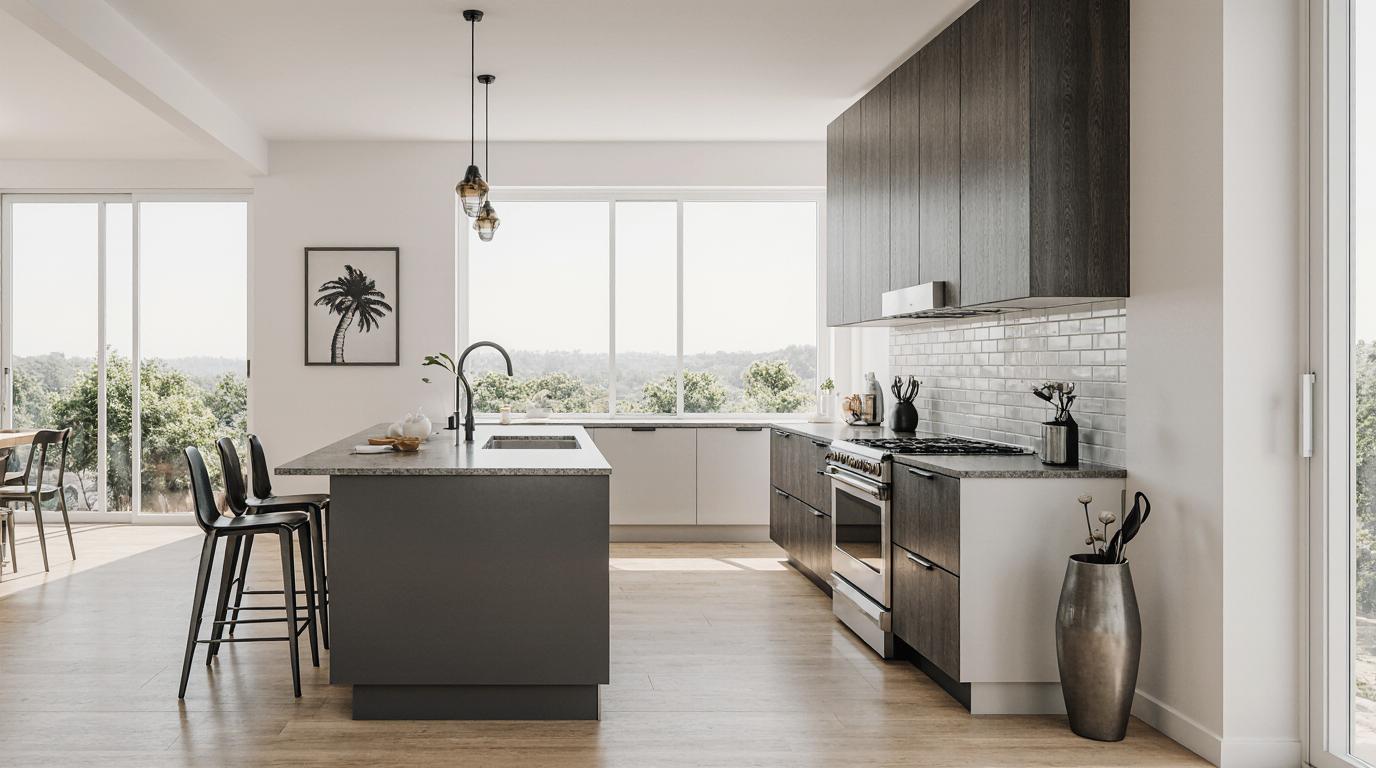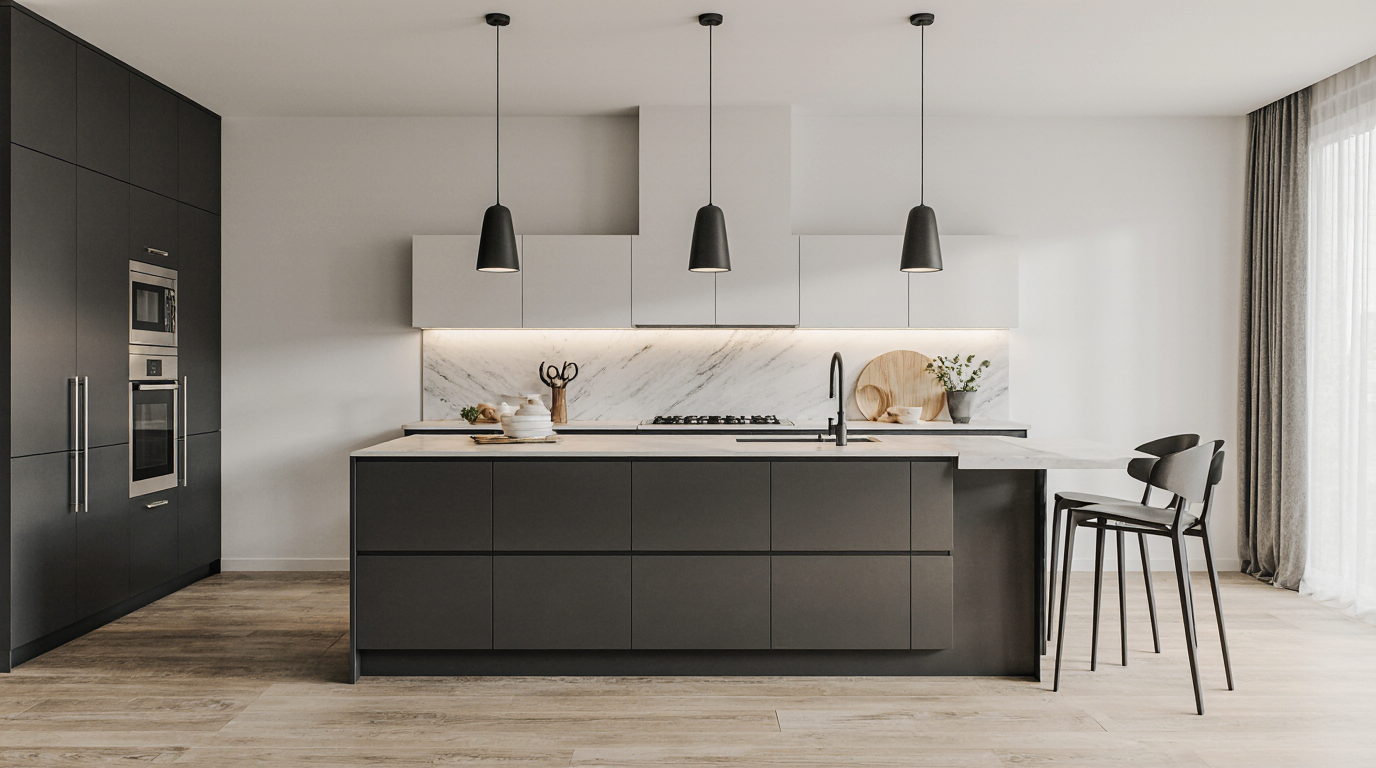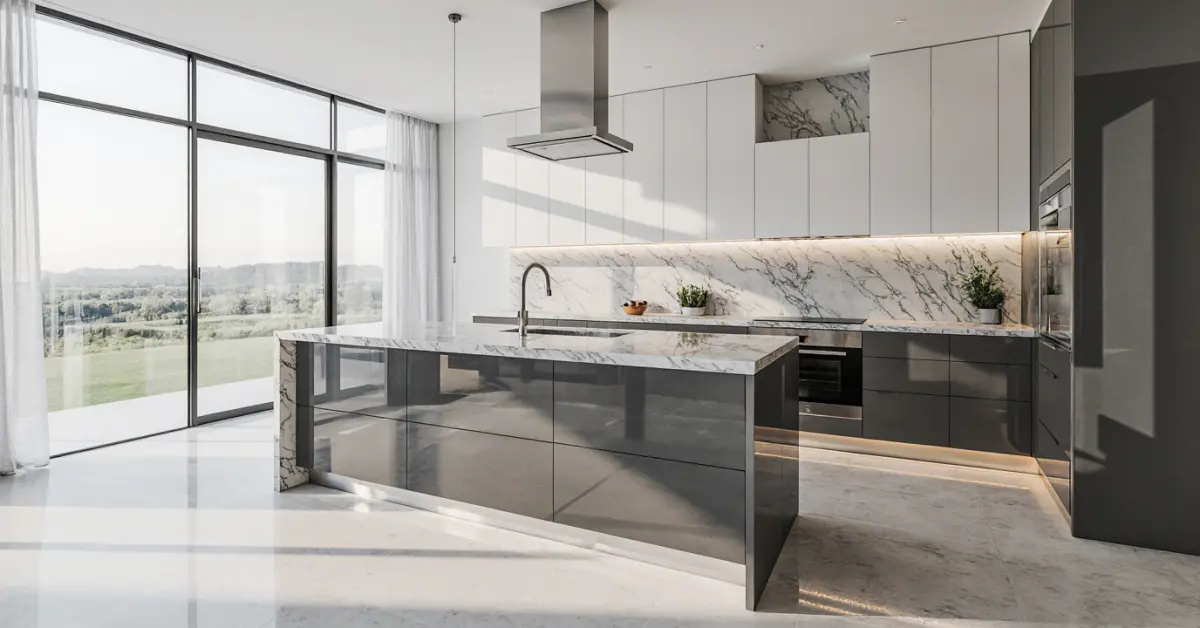
It’s a common assumption that all high gloss kitchen cabinets are created equal. A client once showed me a European design magazine, pointing to a flawless, reflective kitchen, and said, “I want that exact look for my Lido Key condo.” The challenge isn't replicating the look; it's ensuring that look survives its first Sarasota summer. The real determinant of success is not the color or the brand, but the core material and the lamination process, which dictate how the finish will react to our unique combination of UV exposure and humidity.
From my direct experience engineering and installing high gloss kitchens in the Sarasota area, the primary failure
From my direct experience engineering and installing high gloss kitchens in the Sarasota area, the primary failure point is not scratches from use, but environmental degradation. The intense sunlight and persistent humidity we experience, especially in waterfront properties, will attack inferior materials relentlessly. A successful project hinges on specifying a marine-grade substrate and a UV-inhibiting finish from the start. This isn't an upsell; it's a baseline requirement for longevity in this climate.
- Core Material: Medex MDF or marine-grade plywood is non-negotiable to prevent swelling and delamination.
- Finish Technology: True acrylic or PET laminates offer superior UV resistance compared to lower-cost thermofoil or lacquer.
- Edge Banding: Laser or PUR (polyurethane reactive) edge banding creates a seamless, waterproof seal that prevents moisture intrusion at the most vulnerable points.
- Ventilation Planning: Cabinet design must account for proper air circulation to mitigate trapped moisture, a common issue in seasonal homes left closed for months.
Planning Failures That Compromise High Gloss Finishes
The most frequent missteps happen long before the first cabinet is ordered. Clients focus on the surface color—the modern white, the sleek gray—but overlook the foundational elements that ensure the surface remains pristine. They compare quotes based on face value, not on the technical specification of the materials being used, which is where the real cost difference lies.
The Most Expensive Failure: Ignoring the Substrate
The single costliest mistake I see is opting for a standard MDF core to save a few thousand dollars upfront. I worked on a project in a beautiful home near The Ringling where the client chose a stylish Italian-made high gloss cabinet line without verifying the core material. Within two years, the doors above the dishwasher and near a large, south-facing window began to subtly warp. The high gloss finish, unforgiving as it is, magnified every slight imperfection, making the delamination impossible to ignore. The cost to replace those doors was nearly 40% of the original cabinet budget, completely negating the initial savings and causing significant disruption.
How High Gloss Cabinet Projects Unfold in Sarasota
A high gloss kitchen project is less about carpentry and more about material science and precision manufacturing. The process begins with a deep dive into the home's specific environmental exposure—evaluating sunlight patterns, proximity to salt water, and the home's HVAC system. From there, we move to material specification, factory fabrication, and finally, meticulous installation.
Material Selection Criteria for a Coastal Florida Home
Choosing the right materials for a high gloss kitchen in this region goes beyond aesthetics. The performance under heat, humidity, and UV light is paramount. Here is my go-to checklist for clients in Sarasota County.
- UV Stability Rating: Ask for the technical data sheet on the gloss material. It should specify its resistance to yellowing and fading. A finish without this documentation is a red flag.
- Substrate Moisture Resistance: Demand proof that the core is Medex, exterior-grade MDF, or a marine-grade plywood. Standard particleboard or MDF will not survive long-term.
- Edge Banding Seal Quality: Visually inspect a sample. A laser-applied edge band will have an almost invisible seam, offering the best protection against moisture wicking into the core.
- Hardware Corrosion Resistance: All hardware, from hinges to drawer slides, must be stainless steel or have a corrosion-resistant coating. Salt air will destroy standard steel hardware, leading to rust stains and failure. This is especially critical for homes on the barrier islands.
Comparing High Gloss Finishes with Practical Alternatives
High gloss acrylic or PET offers a superior modern aesthetic, but it's not the only option. Understanding the trade-offs in durability, maintenance, and cost against other popular finishes is crucial for making an informed decision that aligns with your lifestyle and the realities of living in Sarasota.
| Feature | High Gloss Acrylic/PET | Satin Painted Finish (on Medex) | Textured Wood Veneer |
|---|---|---|---|
| UV & Fade Resistance | Excellent with UV inhibitors | Good, but high-end pigments required | Fair to Good; will patina over time |
| Humidity/Moisture Tolerance | Excellent (with proper substrate) | Very Good (with conversion varnish) | Fair; requires careful sealing |
| Scratch & Impact Resistance | Fair; micro-scratches can show | Good; easier to touch up | Excellent; texture hides minor wear |
| Upfront Cost | High | Medium-High | High |
When High Gloss Is Not the Right Choice
I advise clients against a high gloss finish in two specific scenarios. First, if the kitchen is a high-traffic area for a family with young children and pets, the constant wiping to remove fingerprints and the potential for scratches from toys or claws can become a source of frustration. Second, if the budget does not allow for a high-quality acrylic or PET on a moisture-resistant core, it is far better to choose a high-end satin painted finish. A compromised high gloss cabinet will look worse and fail faster than a well-executed alternative.
A Safe Hiring Checklist for Your Cabinet Project
Vetting a cabinet provider for a high gloss kitchen in this area requires a specific set of questions. The difference between a stunning result and a peeling disaster lies in the details of their process and material sourcing.
- Verify they use laser or PUR edge banding technology. Ask to see a sample.
- Request the technical specification sheet for the high gloss laminate and the core material.
- Ask for at least two local references for high gloss projects completed more than three years ago, preferably near the water.
- Confirm their installers are employees, not subcontractors, to ensure accountability for the meticulous alignment required.
- Check their license with the Florida Department of Business and Professional Regulation (DBPR) and ensure they carry proper liability and worker's compensation insurance.
- If you live in an HOA like in Lakewood Ranch or a condo on Longboat Key, confirm they have experience submitting design packages for architectural review board approval.
- Discuss their warranty specifically as it relates to delamination, fading, or yellowing. A standard defect warranty is not sufficient.
Decisions That Determine the Outcome
The success of a high gloss kitchen is cemented in early decisions. The choice of frameless cabinet construction is a given for this look, but the real pivot points are less obvious. For instance, the layout must be designed to minimize direct, prolonged sunlight on any single bank of cabinets, or the plan must include UV-blocking window treatments from the outset. This is a design conversation, not just a cabinet order.
The Exact Moment the Majority Gets It Wrong
The critical error often happens during the appliance selection. A client falls in love with a high-end, pro-style appliance package but doesn't consider the heat and steam output. The decision to place a high-steam appliance (like certain coffee systems or speed ovens) without proper integrated ventilation or adjacent heat shields is what causes edge bands to fail over time. We must plan for the performance of the entire kitchen system, not just the look of the cabinets in isolation. The cabinet plan and appliance plan must be developed together, not sequentially.
Practical Answers About Operations in Sarasota
Navigating a high-end cabinet project here involves more than just design and installation. Understanding local codes, condo board rules, and permitting is essential for a smooth process.
Florida Building Code and Cabinet Anchoring
The Florida Building Code, particularly in coastal wind-borne debris regions like Sarasota, has stringent requirements for how permanent fixtures are anchored. For tall modern cabinets or large pantry units, this means we must ensure they are properly secured to the wall framing to withstand structural stress. This often requires more robust fasteners and specific blocking plans, which must be communicated to the general contractor during the framing stage.
Condo Association Review in High-Rises
In downtown Sarasota or on the keys, condo association approval is a major timeline factor. Boards often have specific rules about materials, noise during work hours, and contractor insurance requirements (often demanding liability limits of $2 million or more). Submitting a full package with material samples, technical data sheets for the finishes, and the contractor's credentials upfront can prevent weeks of delay. Forgetting to include the moisture-resistance specs can trigger a rejection from a detail-oriented board.
Managing Seasonal Project Timelines
Many of my clients are seasonal residents. The biggest operational challenge is managing the project timeline around their presence. We often aim for fabrication to occur over the summer so installation can begin immediately in the fall. However, material lead times for high-quality European gloss panels can be 12-16 weeks. A decision delayed in April can easily push the project's completion past Christmas, impacting their entire season in Sarasota. A clear project calendar with hard decision deadlines is non-negotiable.