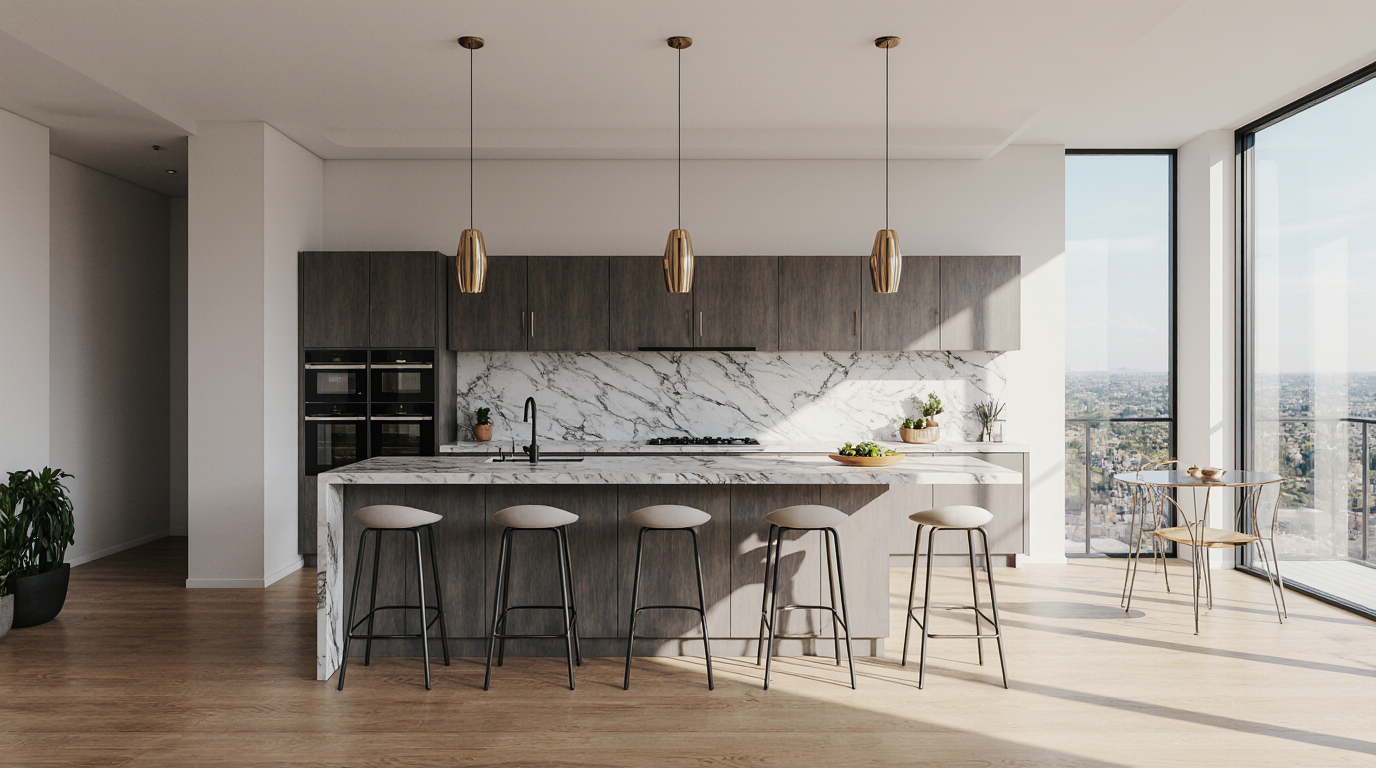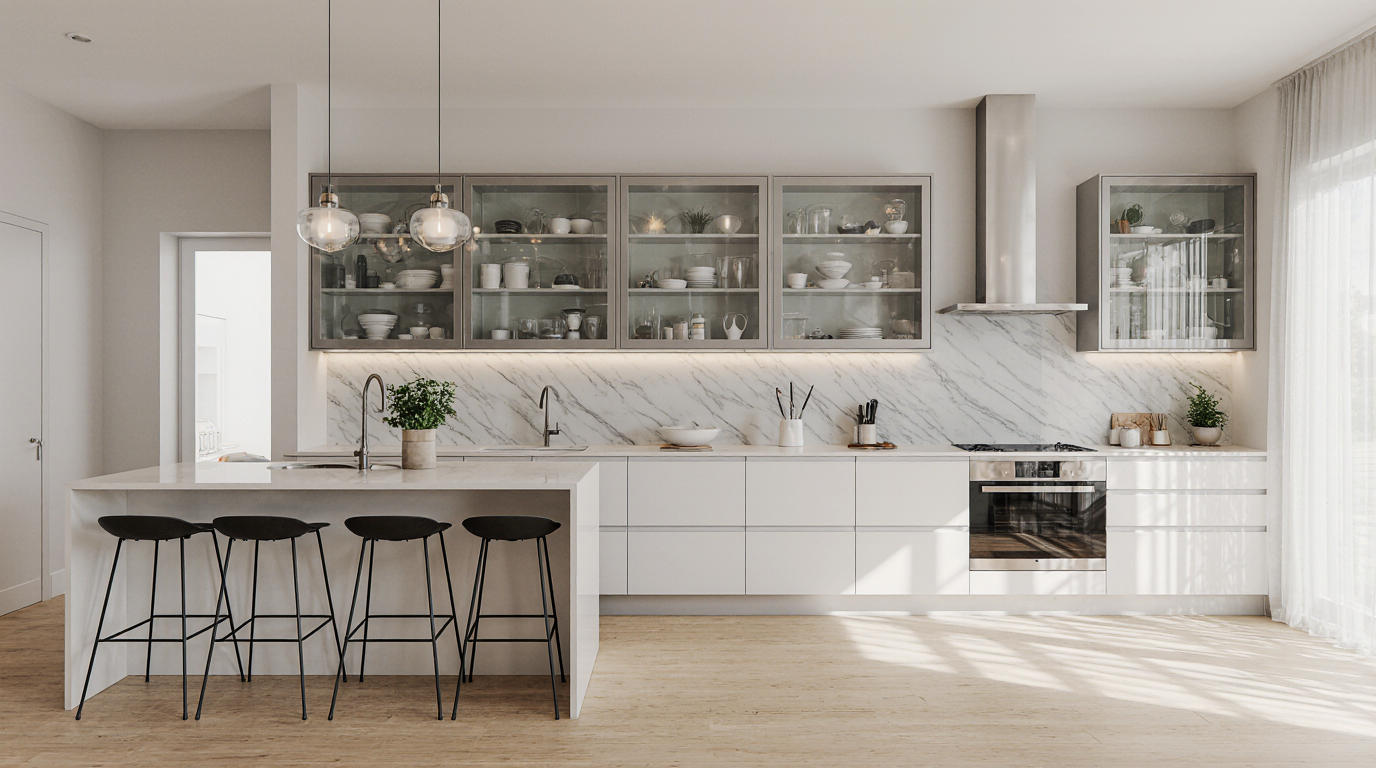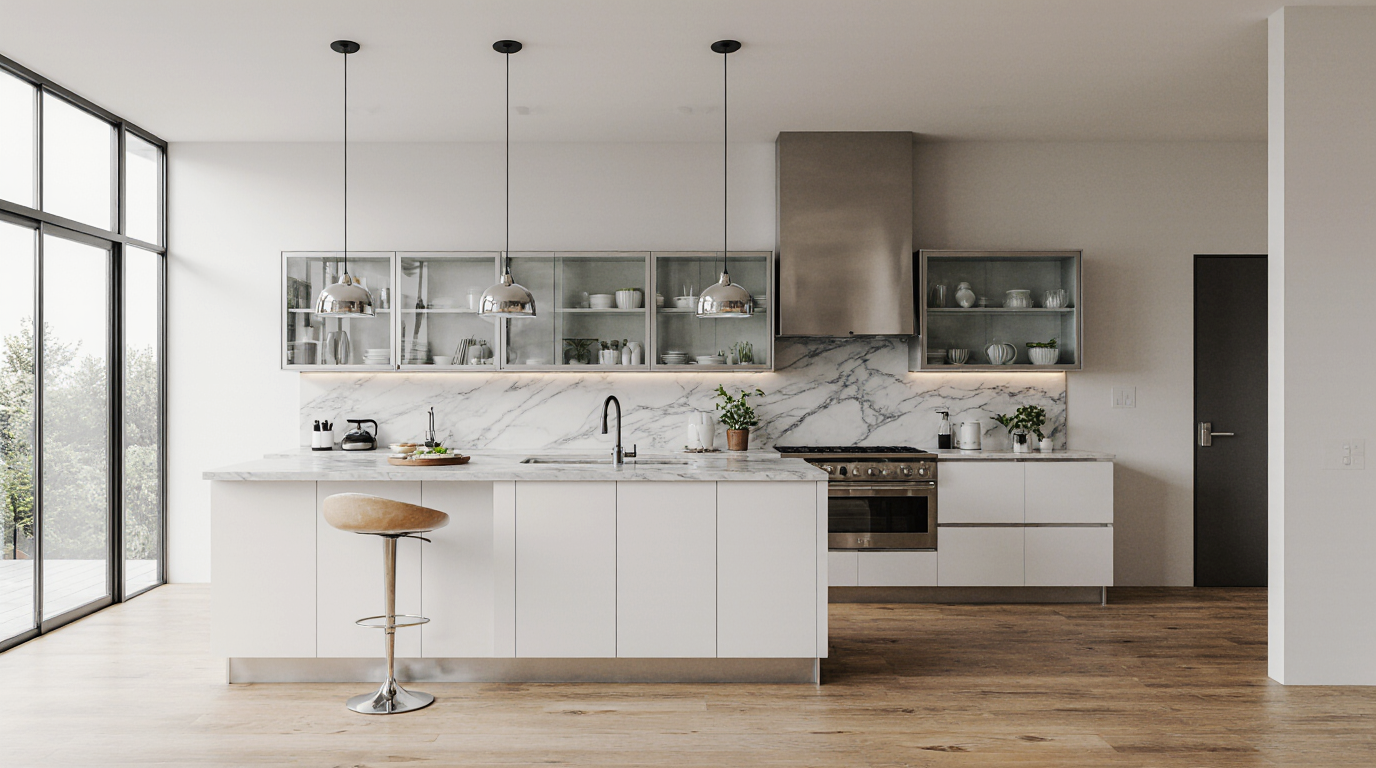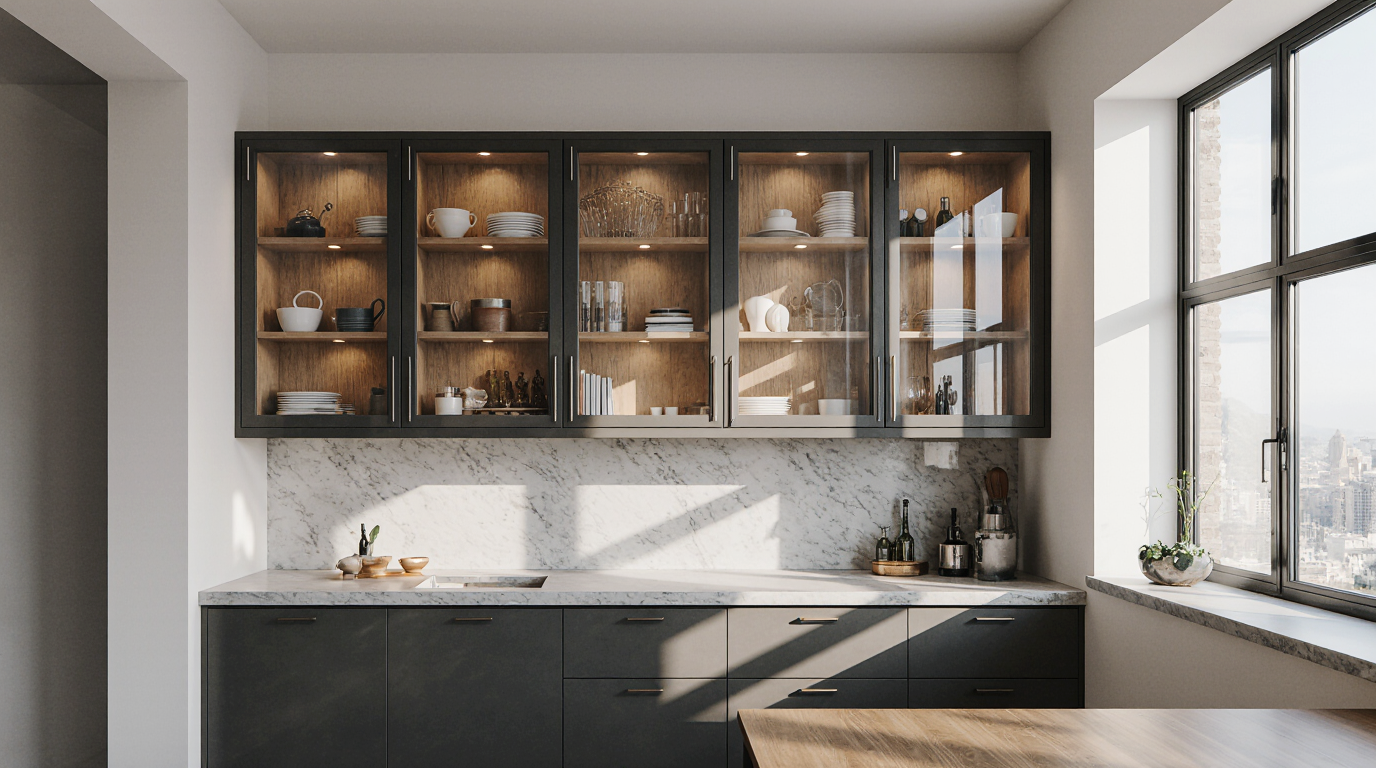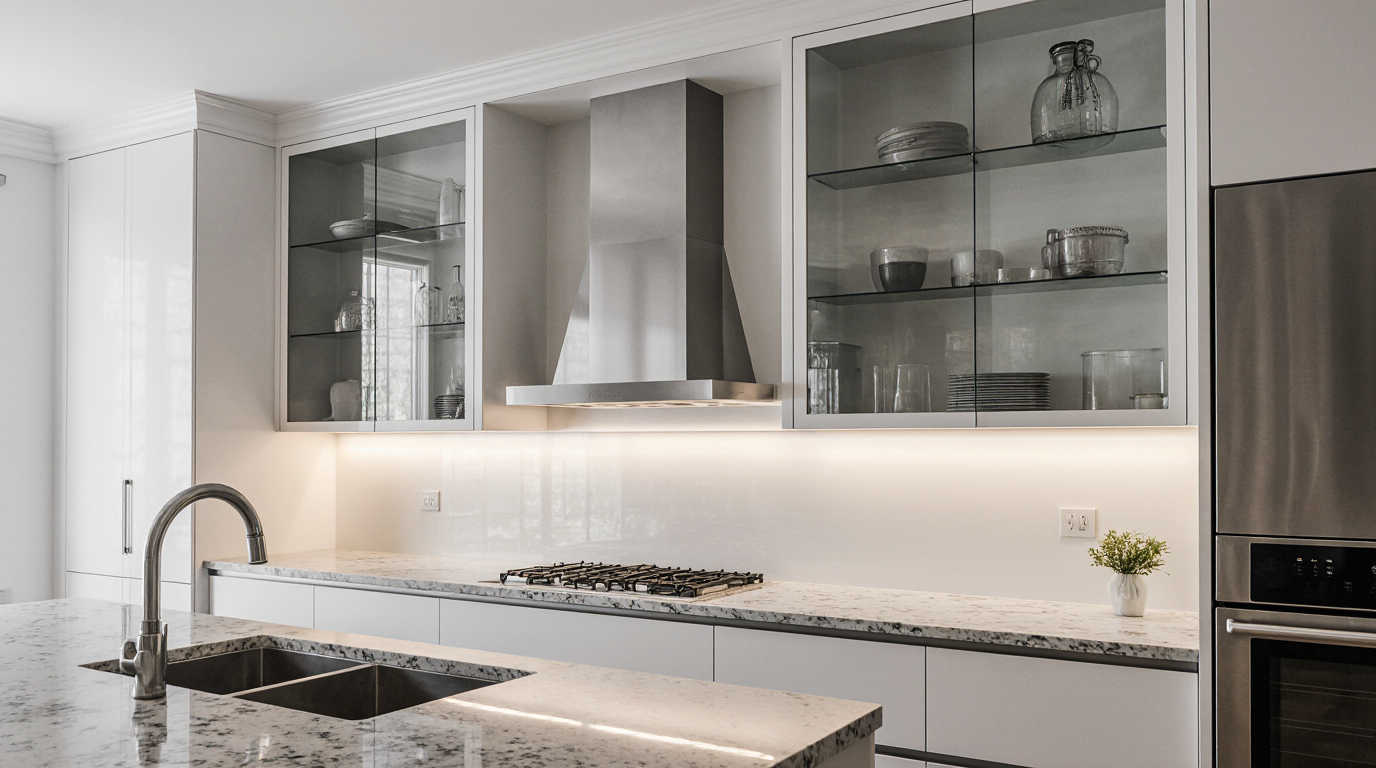
The client's heart was set on sleek, frosted glass upper cabinets for their Longboat Key condo kitchen. They saw it as the key to an open, modern feel. The first contractor's quote was appealingly low, but it never mentioned the grade of stainless steel for the hinges or the core material of the cabinet boxes. Had they proceeded, the salt air would have started pitting the hardware within the first year, and the humidity would have subtly swollen the particle board frames, causing the glass doors to misalign. The real problem wasn't the glass; it was everything supporting it.
Executive Summary: Glass Cabinets Engineered for the Suncoast
From my direct experience executing high-end kitchen projects in Sarasota, successful modern glass cabinets are not
From my direct experience executing high-end kitchen projects in Sarasota, successful modern glass cabinets are not primarily about the glass itself, but about the structural system's resilience to our coastal climate. The intense humidity, UV exposure, and salt air present unique challenges that standard cabinetry simply cannot handle. The key is specifying materials and hardware engineered for marine environments, even for homes not directly on the water. Homeowners who focus only on the visual style often face premature failure of frames and hardware.
- Core Material Integrity: The cabinet box and door frame material must be dimensionally stable in high humidity; marine-grade plywood or high-density fiberboard (HDF) are non-negotiable.
- Hardware Specification: All hinges, pulls, and mounting hardware must be 316-grade stainless steel or a similarly corrosion-resistant alloy to prevent pitting from salt air.
- Glass Type and Sealing: Laminated or tempered safety glass is critical, and specifying a UV-filtering film can protect cabinet interiors from sun damage.
- Installation and Anchoring: Proper anchoring is essential, especially in high-velocity hurricane zones (HVHZ) which cover much of Sarasota County, to ensure cabinets remain secure during high-wind events.
The Planning Failures That Compromise Glass Cabinetry
The most common missteps with glass cabinets in this region happen long before installation begins. They are decisions rooted in aesthetics that ignore the physical realities of the Sarasota environment. A beautiful design on paper can quickly degrade when exposed to our relentless humidity and sun.
One frequent error is underestimating the impact of direct sunlight. A client with a west-facing kitchen in a Lakewood Ranch home wanted clear glass doors to display their dishware. What wasn't considered was the intense afternoon sun, which, over two years, visibly faded the finish on the interior of the white cabinet boxes and even discolored some of the stored items. A low-emissivity (Low-E) or UV-protective film on the glass would have prevented this with minimal impact on clarity.
The Most Expensive Failure: Ignoring Humidity in Frame Selection
The costliest mistake I consistently see is choosing standard MDF or particle board for the door frames and cabinet boxes to save money. In Sarasota's humidity, which can average over 75% year-round, these materials act like sponges. Over time, they swell and warp. The tight tolerances required for modern, frameless cabinet doors are lost, causing glass doors to stick, sag, or no longer close flush. The only fix is a complete replacement, nullifying any initial savings and then some. This failure is insidious because it isn't immediate; it's a slow, frustrating degradation of a major investment.
How It Works in Practice: From Design to Installation
A properly executed project for modern glass cabinets in Sarasota follows a strict sequence that prioritizes material science over simple design choices. The process begins not with style, but with a technical assessment of the home's specific location and exposure to the elements. This informs every subsequent decision.
The typical timeline involves design and material specification (2-4 weeks), HOA design review if applicable (which can add another 30-60 days in communities like The Concession), fabrication (8-12 weeks for high-quality custom work), and finally, installation (1-2 weeks). We always build a humidity buffer into fabrication schedules, as finishing and curing processes are sensitive to ambient moisture. This systematic approach prevents the common pitfalls of rushing a project in a demanding climate.
Selection Criteria for Sarasota Homeowners
- Verify Marine-Grade Plywood: Ask for a spec sheet confirming the cabinet boxes are constructed from marine-grade plywood, which uses waterproof glue and is far more resistant to delamination in our humidity than standard plywood.
- Demand 316 Stainless Steel Hardware: For any home east of I-75 and especially on the barrier islands, specify 316-grade stainless steel for all hinges and pulls. 304-grade, while common, will show rust spots from salt air.
- Confirm Florida Building Code Compliance: The installer must be familiar with the FBC, particularly requirements for anchoring upper cabinets in high-velocity hurricane zones. Ask how their installation method meets these wind-load requirements.
- Review Sealing and Gasketing: For premium installations, ask if the cabinet doors include any form of subtle sealing or gasketing to help keep humid air and dust out, protecting the contents within.
Comparison with Solid Wood and High-Gloss Lacquer Alternatives
Glass cabinets create a sense of openness, but they are not the only option for a modern aesthetic. It's crucial to weigh them against alternatives based on the realities of a Sarasota lifestyle, which often involves seasonal use, high humidity, and a focus on low-maintenance living.
| Feature | Modern Glass Doors | Solid Wood Shaker Doors | High-Gloss Acrylic/Laminate |
|---|---|---|---|
| Humidity Resistance | High (if framed in HDF/aluminum) | Low to Medium (prone to swelling/shrinking) | Very High (impervious core material) |
| Maintenance | High (requires frequent cleaning of glass) | Medium (requires dusting of recessed panels) | Low (easy to wipe clean) |
| Sun/UV Damage Risk | Low (for glass/frame); High (for contents) | High (finish can fade or yellow) | Medium (cheaper versions can yellow) |
| Cost | High | Medium to High | Medium |
When Glass Cabinets Are Not the Right Choice
This approach is a poor fit for households that prioritize function over form and have a low tolerance for maintenance. If you are not committed to keeping the contents of your upper kitchen cabinets perfectly organized and curated, translucent or clear glass doors will create visual clutter and constant stress. For many families, especially those with young children, the practicality of opaque, durable high-gloss acrylic doors far outweighs the aesthetic benefits of glass.
Safe Hiring Checklist for Your Cabinet Project
Vetting a cabinet maker or installer in Sarasota requires looking beyond their portfolio of white cabinet with glass doors. You must verify their technical knowledge of coastal construction. A pretty picture says nothing about a cabinet's ability to survive its first summer here.
- Check for specific experience with projects on Lido Key, Siesta Key, or Longboat Key, where salt air and humidity are most extreme.
- Request material specification sheets for the cabinet box, door frames, and all hardware before signing a contract.
- Confirm their liability insurance and worker's compensation are active and sufficient for the value of your project.
- Ask for references from at least two projects completed over three years ago to assess long-term durability.
- Verify their process for handling HOA approvals in master-planned communities like Lakewood Ranch, including submission requirements and timelines.
- Discuss their warranty, specifically asking how it covers issues related to humidity, such as door alignment or frame warping.
- Ensure the contract explicitly states compliance with the current Florida Building Code for cabinet installation.
Decisions That Determine the Outcome
The success of a modern kitchen featuring glass elements in this climate hinges on a few critical, early decisions. The choice of glass style—be it frosted, reeded, or clear—is far less important than the structural and material choices that are invisible in the final product. The most satisfied clients I've worked with are those who embraced the technical side of the project from the beginning.
A pattern I have observed is that projects run smoothest when the client approves the full material list—from the plywood grade to the hinge model number—before they even look at final color samples. This front-loading of technical decisions ensures the budget is allocated to durability first, preventing painful compromises on structural integrity later to afford a cosmetic upgrade.
The Exact Moment When the Majority Gets It Wrong
The critical error happens at the very beginning: when homeowners solicit bids. Most people compare quotes based on the total price for a design concept. The correct approach is to provide all bidders with a mandatory, non-negotiable technical specification sheet. This sheet should dictate the core material (e.g., “3/4-inch marine-grade plywood”), the hardware (“316 stainless steel hinges”), and the finish type. By doing this, you force an apples-to-apples comparison on quality, and the price differences will then reflect labor, service, and overhead—not a hidden compromise on materials that will fail in our climate.
Practical Answers About Operations in Sarasota
Navigating a custom cabinet project here involves more than just design and installation. It requires an understanding of local regulations and community-specific rules that can impact timelines and costs.
Navigating HOA Design Reviews in Planned Communities
In communities like Lakewood Ranch or The Founders Club, any exterior-facing modification, including a kitchen visible from windows, requires approval from an Architectural Review Board. For kitchen remodels, this often means submitting material samples, color palettes, and contractor details. This process can add 30 to 60 days to your project timeline before any work can begin. Failing to account for this is a primary cause of project delays for seasonal residents.
Permitting for Kitchen Remodels in Sarasota County
A full kitchen remodel that involves moving plumbing, electrical, or walls requires a permit from the Sarasota County Building Department. While the custom glass cabinet doors themselves do not require a permit, their installation is part of the overall project which does. A reputable contractor will handle the permit application process, which typically includes plan submission and inspections. Expect the permitting phase alone to take several weeks.
Impact of Coastal Construction Codes on Cabinet Installation
Homes located in wind-borne debris regions or coastal high-hazard areas have specific requirements under the Florida Building Code. For cabinetry, this primarily relates to the method of anchoring upper wall cabinets with glass doors to the wall structure. The fasteners and anchoring pattern must be sufficient to withstand significant wind loads to prevent them from detaching during a hurricane. This is a life-safety issue, not just a cosmetic one, and your installer must demonstrate how they comply with these stringent codes.