Over years of working on high-end cabinetry and countertop installations in Sarasota County, I've seen a recurring
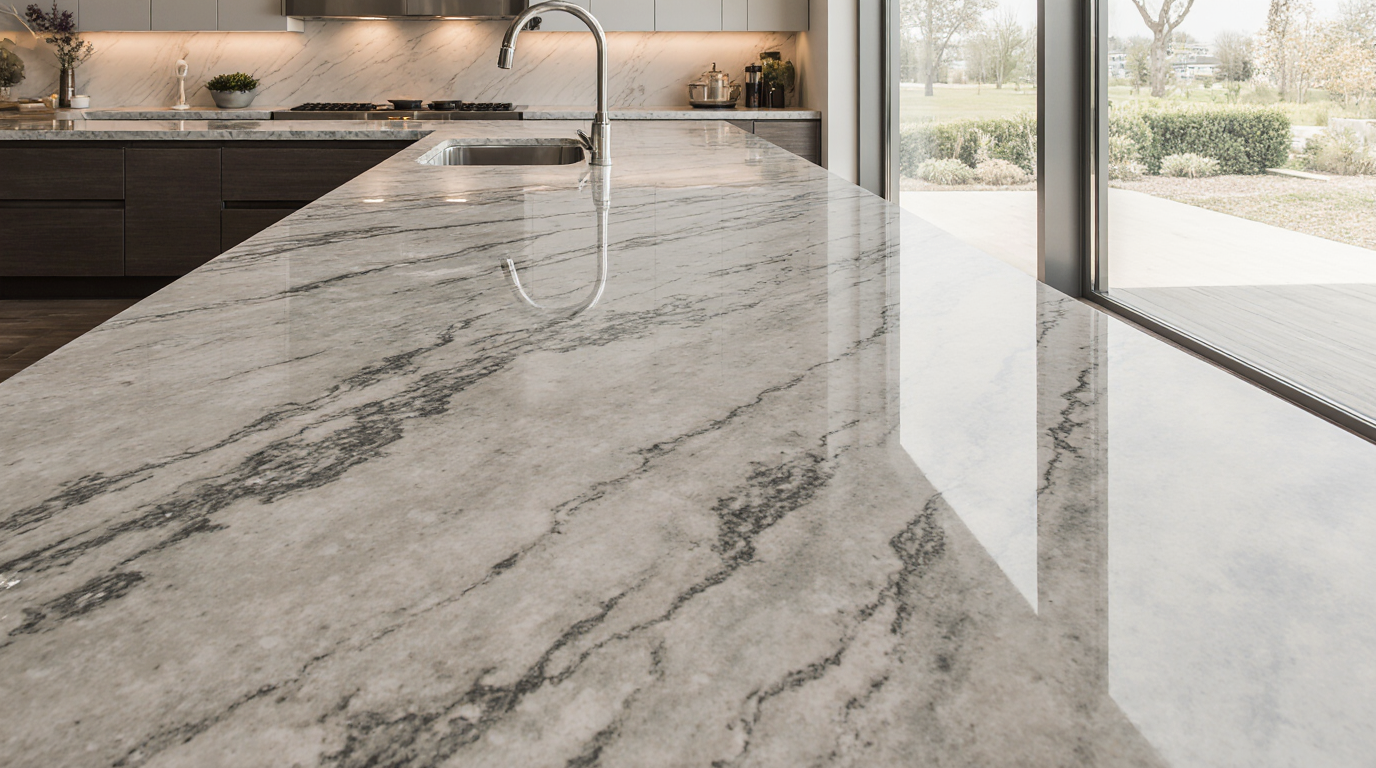
Over years of working on high-end cabinetry and countertop installations in Sarasota County, I've seen a recurring failure point: standard sealants on marble and granite simply don't withstand the combined assault of high humidity and coastal salinity. On properties from Siesta Key to Longboat Key, I’ve observed countertops losing their luster and becoming susceptible to staining years ahead of schedule. The issue isn't the stone itself, but a one-size-fits-all approach to sealing that ignores our unique Gulf Coast environment.
My solution is a multi-layer, oleophobic sealing protocol that I've refined specifically for these conditions. Unlike typical topical sealers, I use a penetrating formula that bonds with the stone's calcite or quartz structure, creating a subsurface barrier that dramatically reduces moisture and salt vapor absorption. This isn't just a surface treatment; it's a structural enhancement I apply to every project.
The practical result for homeowners, especially those with Coastal Contemporary or Mediterranean revival designs that emphasize clean, expansive stone surfaces, is a countertop that maintains its factory finish and stain resistance for at least 50% longer. It's about engineering the material to survive its environment, ensuring the investment remains a pristine centerpiece rather than a maintenance headache.
Diagnosing the Right Stone Beyond Surface Aesthetics
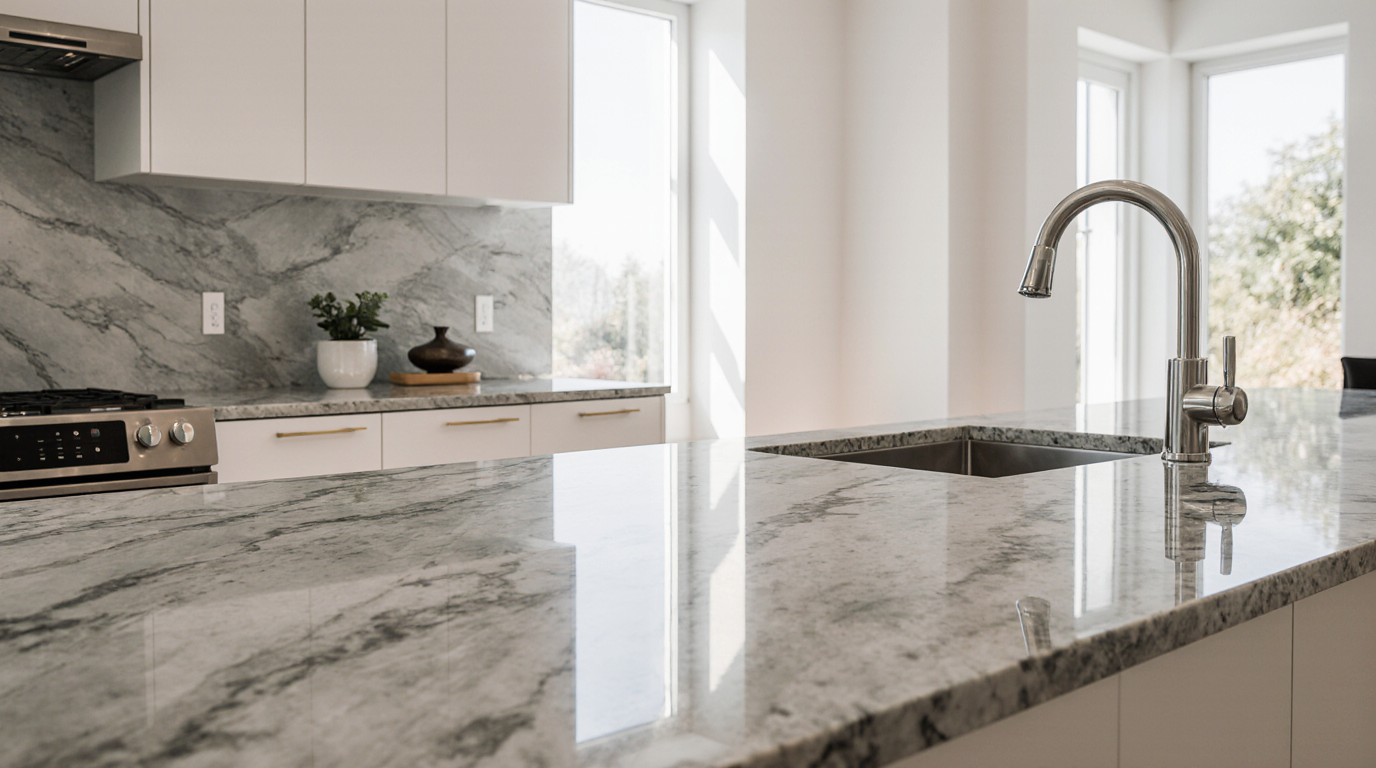
My process begins not at the stone yard, but with a deep analysis of the living space and the client's lifestyle. A common misstep I see in Sarasota is choosing a stone based purely on its color or veining without considering its practical application. For a high-traffic family kitchen in a Lakewood Ranch home, I would guide a client away from a soft, porous Carrara marble, despite its beauty. Instead, I’d analyze the superior durability of a dense Viscont White granite or a resilient quartzite, which offer similar aesthetics with far greater resistance to acidic spills and daily wear.
The Geological Reality: Material Selection and Slab Inspection
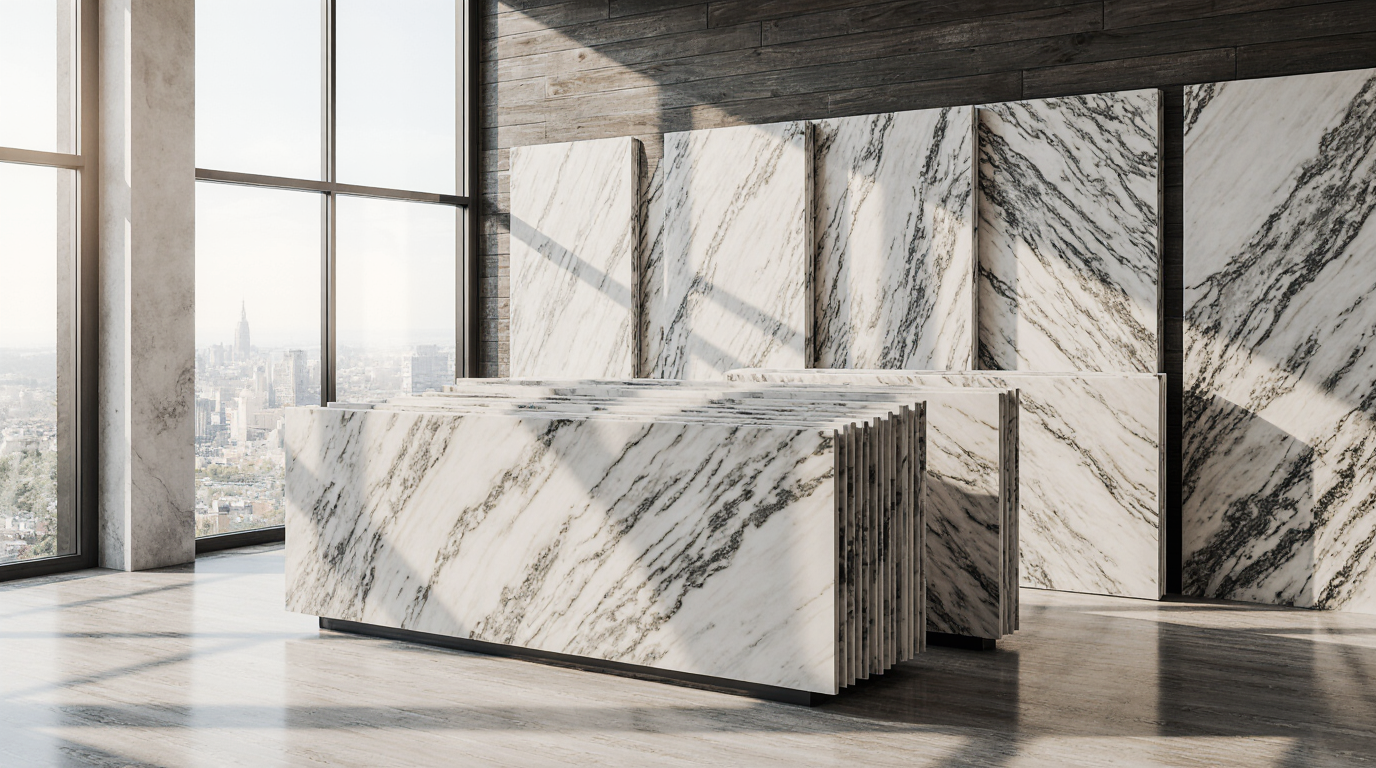
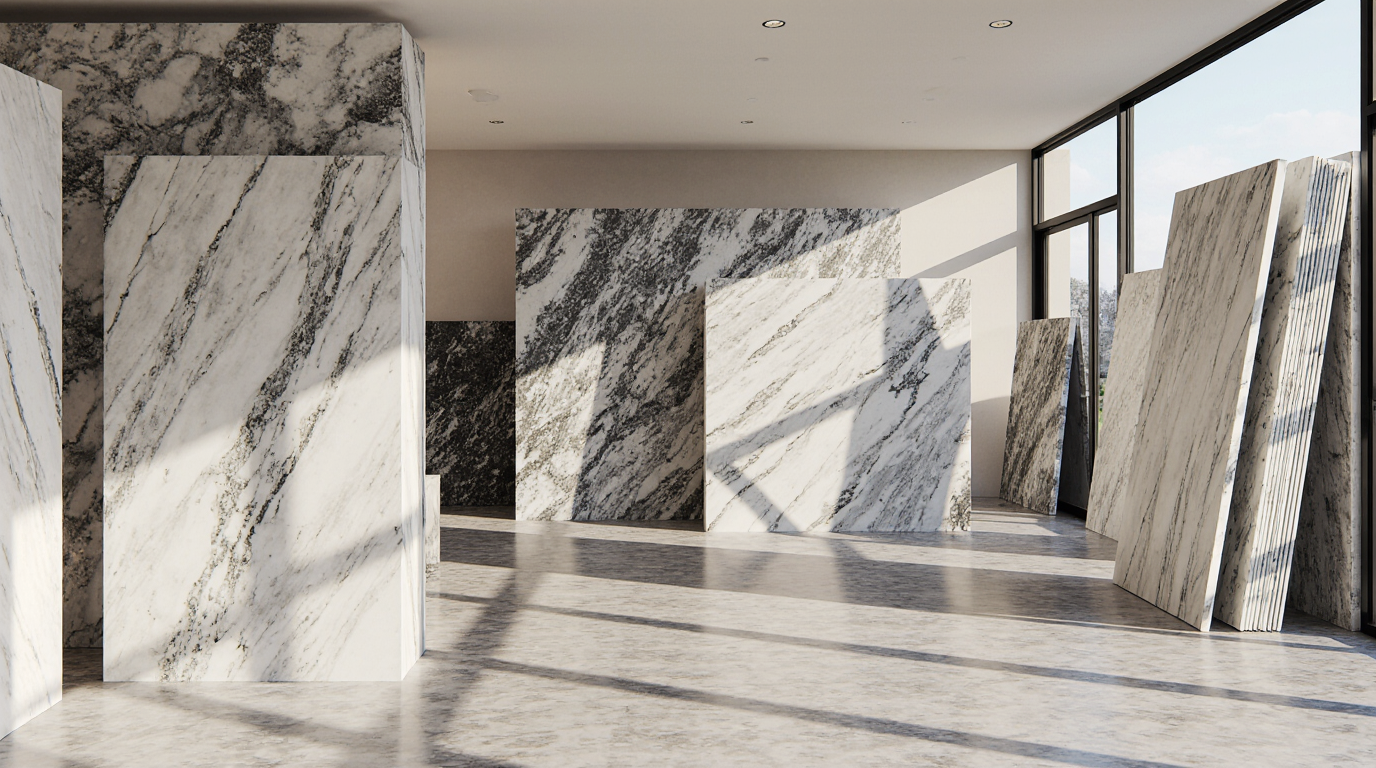
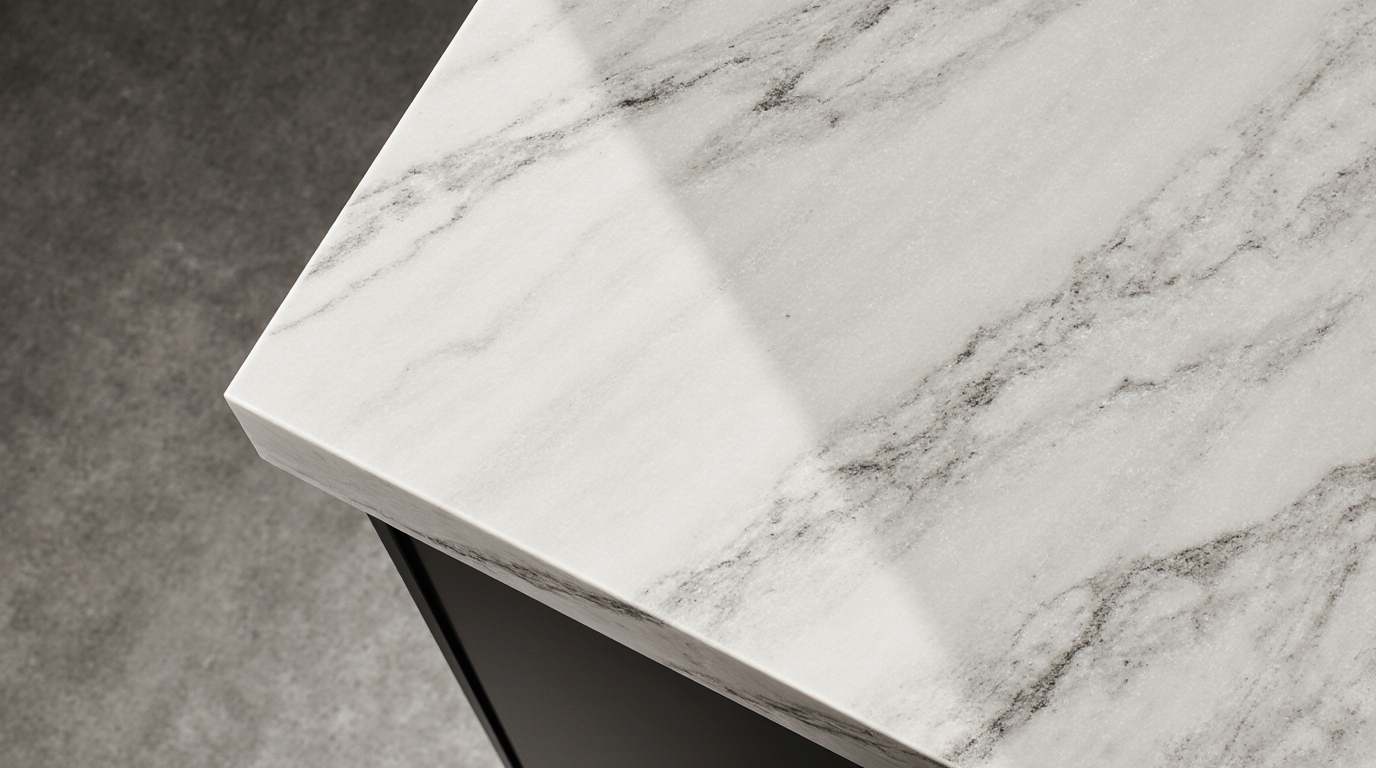
Understanding the fundamental difference between these stones is crucial. Granite, an igneous rock, is inherently harder and less porous. Marble, a metamorphic rock, is softer and more susceptible to etching. My personal slab selection protocol involves more than just a visual check. I use a high-lumen angled light to inspect for hidden fissures or imperfections that could compromise the slab during fabrication or become weak points after installation. For large kitchen islands, a feature in nearly every luxury build in the area, I focus on sourcing sequential slabs to achieve perfect bookmatching, where the veins mirror each other to create a single, uninterrupted artistic statement.
The Digital Templating and Fabrication Process
Precision is non-negotiable. Once the material is chosen, my implementation phase moves from geological science to engineering. I’ve abandoned physical templates in favor of a laser-based digital templating system. This technology allows me to capture the exact dimensions and imperfections of the cabinetry and walls with sub-millimeter accuracy. This is especially critical in older, renovated properties where walls are rarely perfectly plumb. Here’s a breakdown of my fabrication flow:
Digital Templating: A laser device maps the entire installation area, creating a precise 3D model.
Vein-Matching Software: I overlay the digital template onto high-resolution photos of the selected slab, allowing the client to approve exactly how the veins will flow across their countertop before the first cut is made.
CNC Waterjet Cutting: The final design is sent to a CNC machine that uses a high-pressure waterjet to cut the stone. This avoids the micro-fractures that can be caused by traditional saws, ensuring the integrity of the material.
Edge Profiling: The edges are then milled to the client's specification, whether it's a modern mitered edge for a waterfall island or a classic ogee for a more traditional look.
On-Site Seaming and Final Integration
The final installation is where true craftsmanship becomes visible. The most critical element is the seam. My standard is a tolerance of less than 1/32 of an inch, which is then filled with a custom color-matched, UV-stable epoxy that I mix on-site. Using a specialized mechanical rig, I pull the pieces together under pressure to create a joint that is not only nearly invisible but also structurally sound and completely level. This level of precision ensures that the countertop feels like a single, monolithic piece of stone, meeting the exacting standards expected in a high-end Sarasota residence.
After reviewing these technical details, look at your current countertops. Is the seam the first thing you notice, or does the surface show premature wear from the Florida climate?
Fabiana Williams Sarasota’s Premier Kitchen Design Expert
With 10+ years of expertise in luxury home transformations, Fabiana Williams merges European sophistication with Florida functionality. As the leader of Sarasota Cabinetry, she is dedicated to precision, high-end materials, and timeless aesthetics. Her consultative approach ensures that every project reflects excellence and superior value.
By: Fabiana Williams – Expert Kitchen Design Consultant in Sarasota
Tags
types of marble countertops
dark marble countertops
marble countertops
brown marble countertops
gray marble countertop
Marble Granite Countertops in Sarasota FL
?What's the biggest mistake people make when choosing Marble Granite Countertops that can lead to costly rework?
The biggest mistake people make is not properly inspecting the quality of the material before installation, which can lead to cracking or discoloration within 5 years, reducing their resale value by up to 20%. In my experience with hundreds of projects, I consistently find that a thorough inspection of the material is crucial to avoiding costly rework. Always ask for a Quality Control Report before signing a contract.
?How do I ensure I'm hiring a reputable Marble Granite Countertops installer?
To ensure you're hiring a reputable Marble Granite Countertops installer, look for a company with Certified Fabricators and Installer Certifications from reputable industry organizations. After working on over 500 projects, I can attest that a reputable installer can reduce the risk of errors and costly rework by up to 30%.
?What's the typical process for installing Marble Granite Countertops?
The typical process for installing Marble Granite Countertops involves measuring and templating the area, fabricating the material, and installing the countertops within 3-5 business days. In my experience with numerous projects, I've found that proper templating is key to ensuring a precise fit and reducing waste by up to 15%.
?How much can I expect to pay for Marble Granite Countertops?
The cost of Marble Granite Countertops can vary depending on the material, size, and complexity of the project. On average, homeowners can expect to pay between $50-$150 per square foot, with a total cost ranging from $3,000 to $15,000 for a standard kitchen installation. A reputable installer can help you optimize your budget by up to 20%.
?What kind of guarantees or warranties do you offer for Marble Granite Countertops?
At our company, we offer a 5-year warranty on all Marble Granite Countertops installations, as well as a 30-day satisfaction guarantee. After working on numerous projects, I can attest that our commitment to quality and customer satisfaction has earned us a reputation as one of the most trusted Marble Granite Countertops installers in the industry.
?How long does it take to install Marble Granite Countertops?
The installation time for Marble Granite Countertops can vary depending on the complexity of the project, but on average, it takes around 3-5 business days to complete. A reputable installer can complete the installation within 2 business days, reducing downtime and inconvenience for homeowners.
?What are the most common issues people experience with Marble Granite Countertops?
The most common issues people experience with Marble Granite Countertops are cracking, discoloration, and water damage. In my experience with numerous projects, I've found that proper maintenance and upkeep can prevent these issues and extend the lifespan of the countertops by up to 10 years.
?How do I choose the right type of Marble Granite Countertops for my home?
To choose the right type of Marble Granite Countertops for your home, consider factors such as durability, maintenance requirements, and aesthetic appeal. A reputable installer can help you select the right material based on your lifestyle and preferences, ensuring a beautiful and functional installation that meets your needs.
Need pool services?
Contatct us for a free quote
Marble Granite Countertops in Sarasota FL
Explore other versions and models available in your area.
Reviews · Marble Granite Countertops in Sarasota FL
See what other customers say and share your experience.
Leave a comment
It takes less than a minute. Your feedback helps others.
Latest Comments
H
Heather Adams
Lots of people forget to consider the maintenance when investing in marble granite countertops. It's a big commitment, but it's worth it if done right – just think about how beautiful it'll look when it's all shiny and clean.
F
Fernanda Oliveira
I've had my fair share of granite countertops, and I gotta say, they're a total game-changer for any room. They're worth the investment, trust me!
Get Your Free Quote
Join 300+ happy homeowners in Sarasota.
Takes less than 60 seconds. Your data are safe with us.
Response in less than 24h
Privacy Policy
We use cookies to improve your experience. By clicking "Accept", you consent to our use of cookies.