Cost of Marble Countertops: Factors, Quality, and Investment Insights
In the realm of home renovations, choosing marble countertops signifies both opulence and classic aesthetic charm. Marble countertop pricing fluctuates due to variables like stone grade, provenance, slab dimensions, and the intricacy of fitting and finishing. The individuality of marble veining and inherent visual appeal ensures it remains a top selection for homeowners seeking both beauty and lasting performance. Investing in a marble countertop is not just about the surface itself; it reflects a commitment to quality, prestige, and long-term value in interior design.
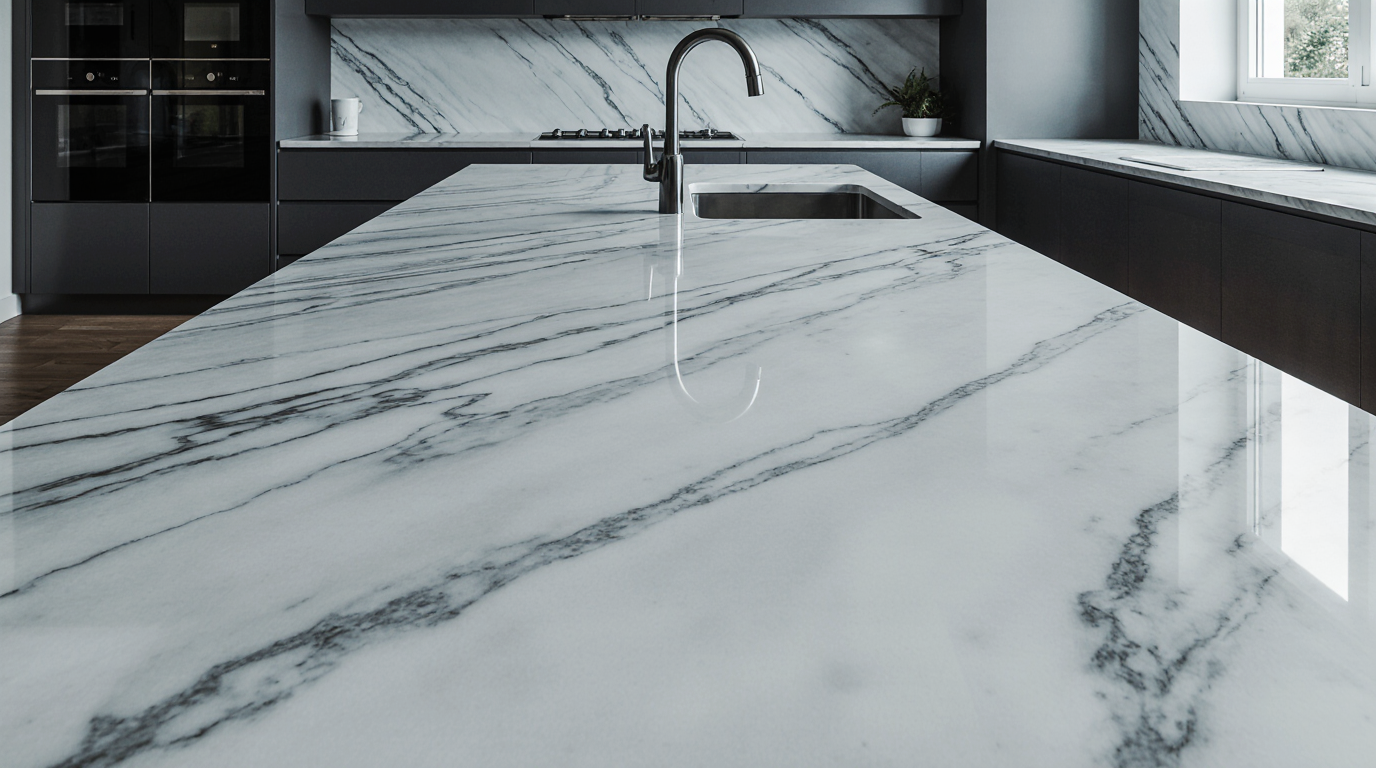
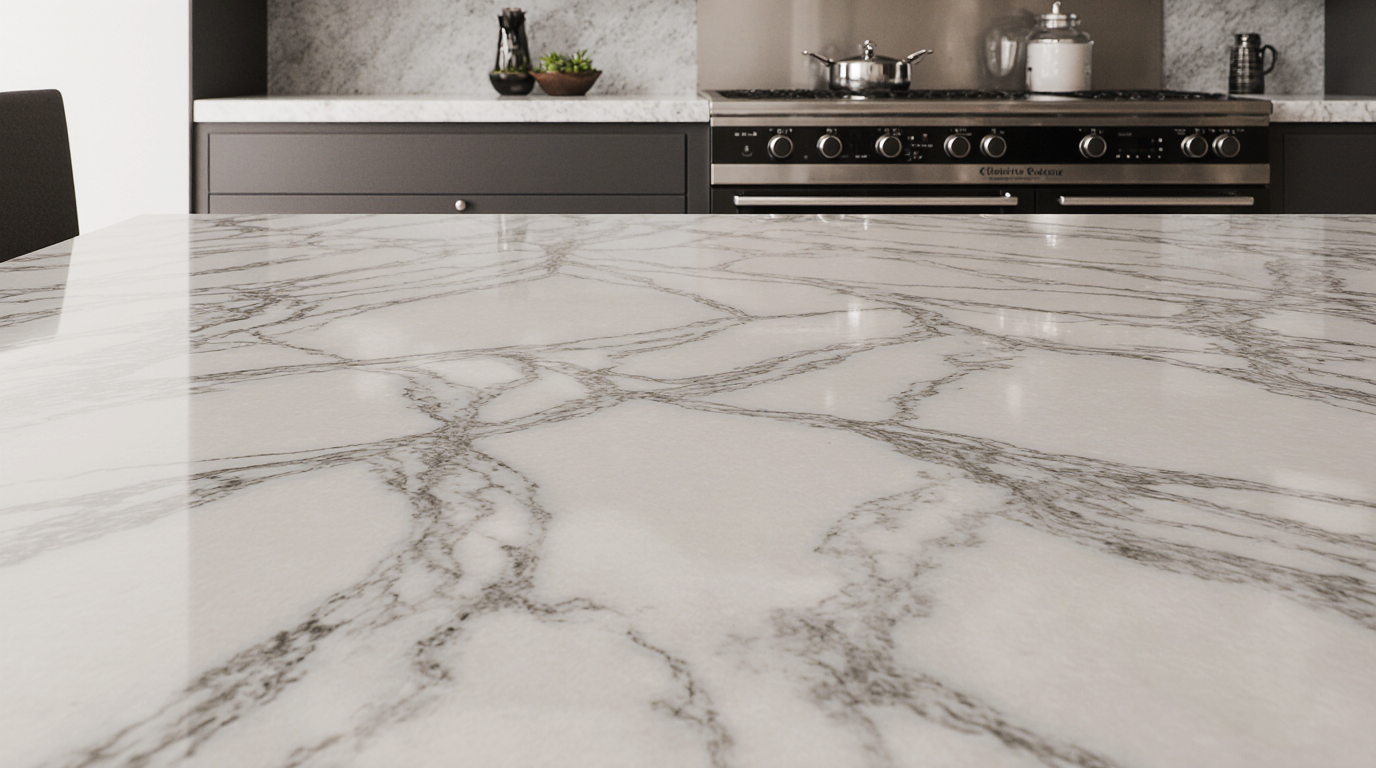
Top-tier marble originates from famous quarries worldwide, showcasing unparalleled natural variations and exquisite visual appeal. Italian Carrara marble is known for gentle grey veining, while Calacatta offers intense, artistic patterns that transform interiors. Where marble comes from affects its cost, with rare imports demanding higher prices because of shipping challenges, labor-intensive extraction, and scarcity. A deeper understanding of the marble’s provenance allows homeowners to make informed decisions when balancing aesthetics and budget.
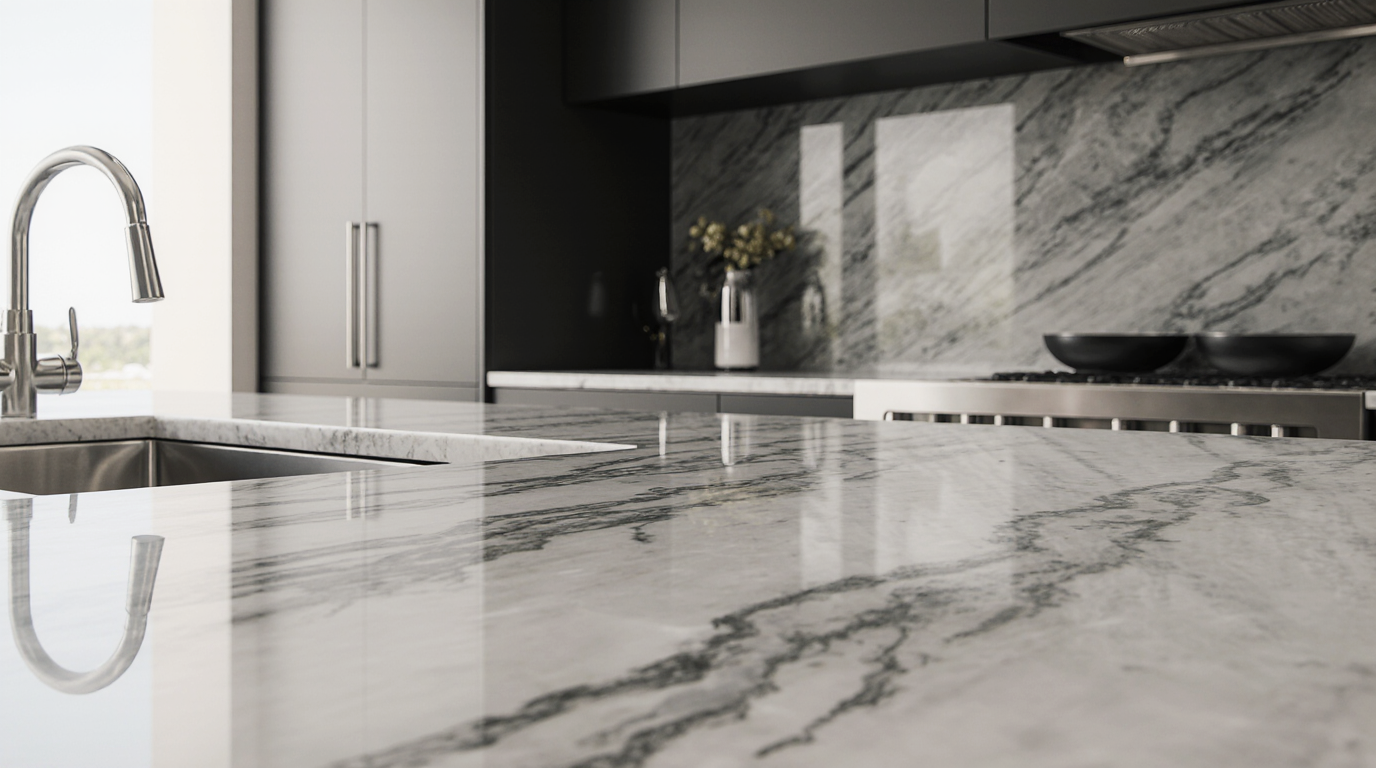
The dimensions and surface treatments of marble slabs are major cost determinants. Standard countertops are typically 2 to 3 centimeters thick, with thicker slabs naturally demanding higher prices due to the larger quantity of raw stone. Additionally, specialized finishes such as polished, honed, or leathered surfaces can increase the final investment. A polished finish offers a glossy, reflective surface that highlights the natural veining, whereas honed marble provides a matte, soft texture ideal for understated elegance. Leathered marble, offering tactile depth and understated glamour, has become a contemporary favorite.
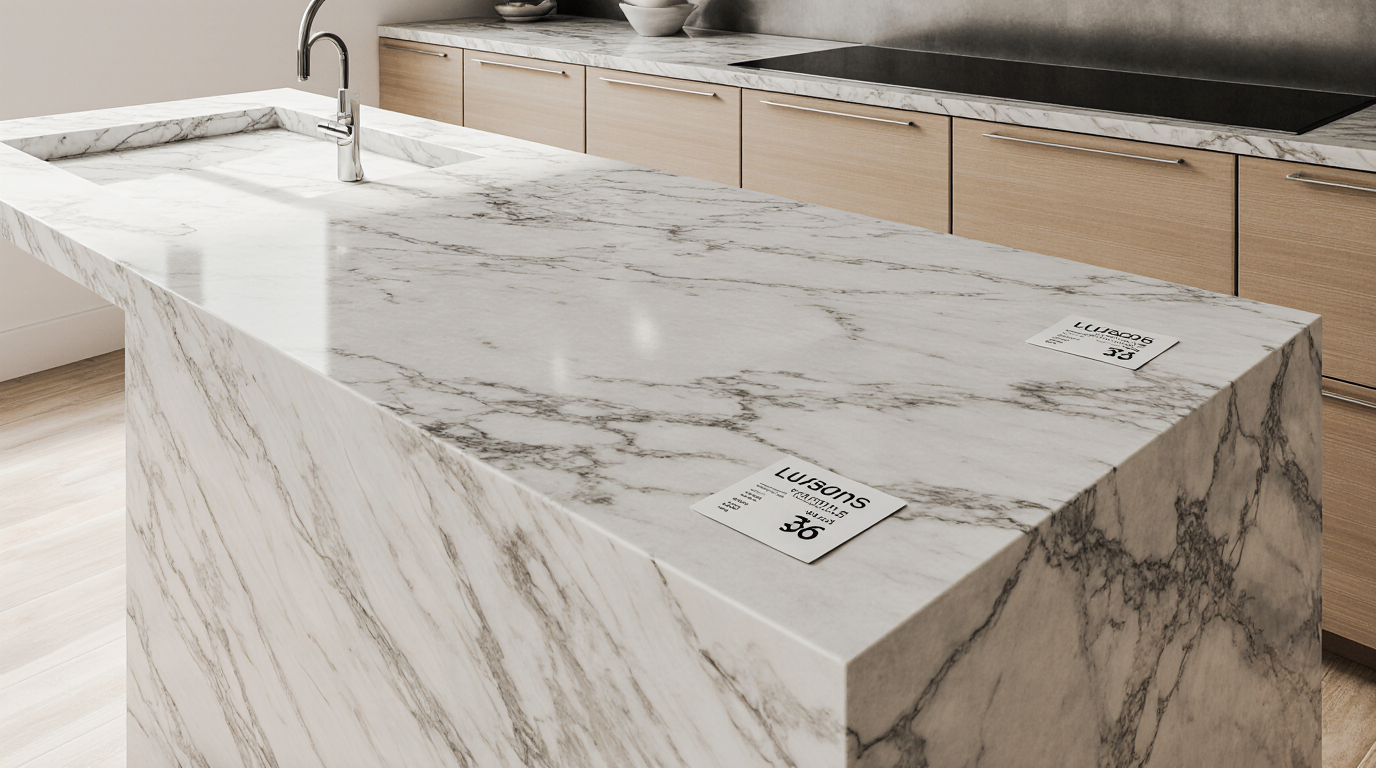
The process of fitting marble slabs considerably influences total investment. Unlike laminate or engineered stone surfaces, marble requires precise cutting, handling, and professional expertise to ensure a perfect fit. Adding bespoke elements like carved edges, seamless sinks, or waterfall designs increases labor costs but enhances property sophistication. Professional installers consider the stone’s weight, the need for proper support, and the delicate handling required to avoid cracks or damage, making skilled labor a critical component of the overall investment.
Long-term care is a key factor in evaluating marble countertop costs. Despite its durability, marble is porous and can be marked by acidic spills, requiring mindful maintenance. Regular sealing, usually semi-annually to annually, is crucial for protecting marble from stains and preserving its aesthetic. Cost of sealants and maintenance contributes to the lifecycle expense of marble. Despite these considerations, the aesthetic and functional benefits of marble often outweigh the ongoing maintenance, especially for homeowners seeking a sophisticated and enduring addition to their property.
Contrasting marble with granite, quartz, or solid surfaces reveals its singular appeal. Synthetic or engineered surfaces may be practical, but they lack the authenticity and artistry inherent in marble. Every slab carries unique veining, creating a space imbued with character, style, and sophistication. Marble pricing encapsulates scarcity, artisanal effort, and aesthetic influence, rather than being just a number.
Personalized marble details affect pricing while elevating luxury and style. Homeowners can choose from various edge profiles such as beveled, bullnose, ogee, or chiseled, each contributing to the overall design narrative. Integrated backsplashes, artistic inlays, and layered surfaces enhance customization, increasing both appeal and cost. Professional design guidance ensures every aspect—from edges to integrated elements—supports both style and practicality. These tailored elements often justify higher investment, as they enhance both usability and aesthetic value.
Where a homeowner resides and stone accessibility influence countertop costs. Proximity to marble sources reduces transportation expenses, whereas distant locations incur additional import costs. Supply-demand dynamics, seasonal remodeling trends, and architectural fashions further dictate marble pricing. Understanding these market dynamics allows homeowners to strategically plan their purchases, ensuring they obtain high-quality marble at competitive rates without compromising design vision.
Selecting marble requires harmonizing appearance, practicality, and financial considerations. Light-colored marble opens spaces visually, whereas darker varieties introduce depth, richness, and luxury appeal. Marble integration enhances room ambiance and boosts long-term property worth. Prospective buyers often recognize the inherent quality and luxurious appeal, making marble not only a design choice but also a long-term financial asset.
Assessing marble costs involves examining stone grade, origin, slab size, surface finishing, installation precision, upkeep, bespoke elements, and market conditions. Marble’s premium cost is balanced by its unique charm, timeless sophistication, and transformative impact. A well-chosen marble countertop can redefine a space, offering unparalleled beauty and functional durability that lasts for decades. Homeowners seeking sophistication, individuality, and enduring style find marble an unmatched choice that truly enhances the heart of the home.
The combination of premium material, professional installation, and ongoing care underscores the long-term value of marble countertops, making them a symbol of both luxury and smart investment. From vein to finish, each marble slab embodies nature’s artwork and human ingenuity, creating spaces of unique character, luxury, and style.