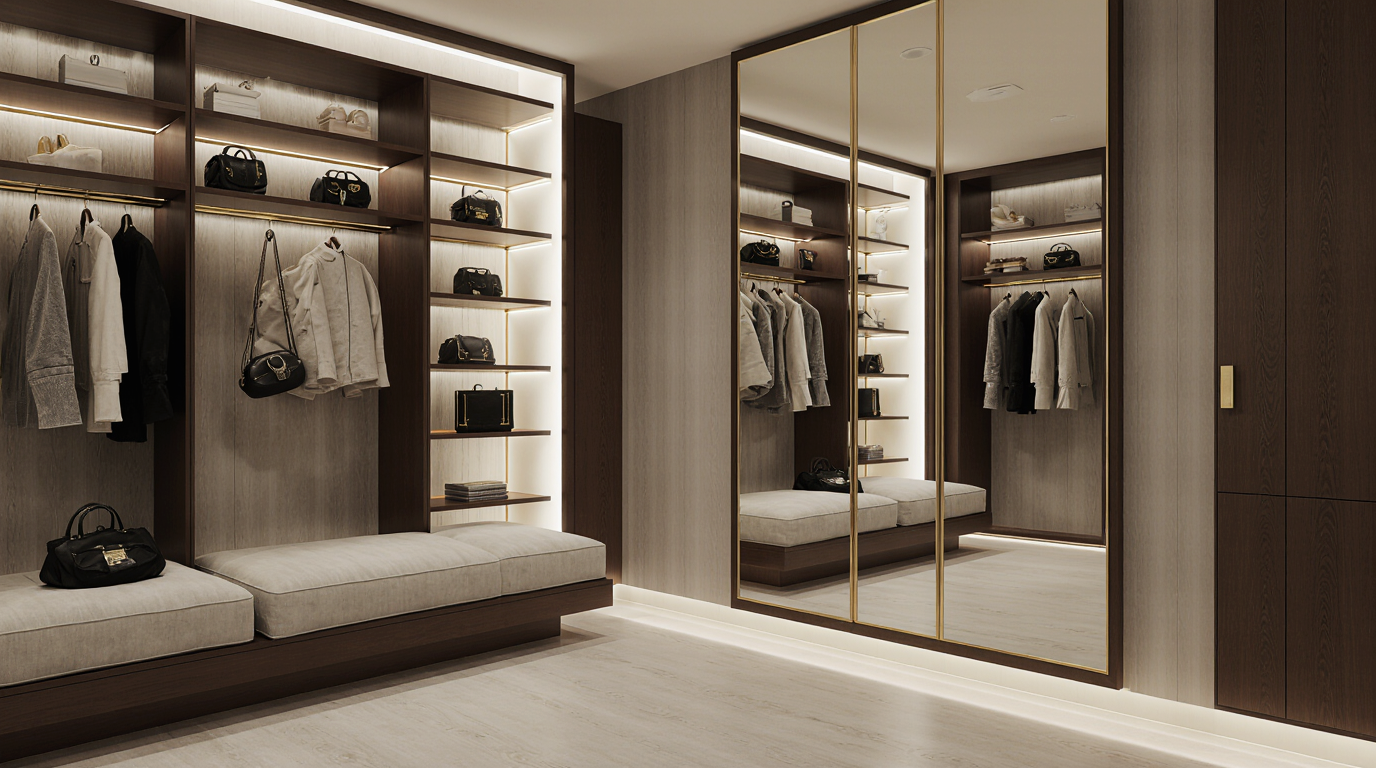
A Diagnostic Framework for Closet Architecture
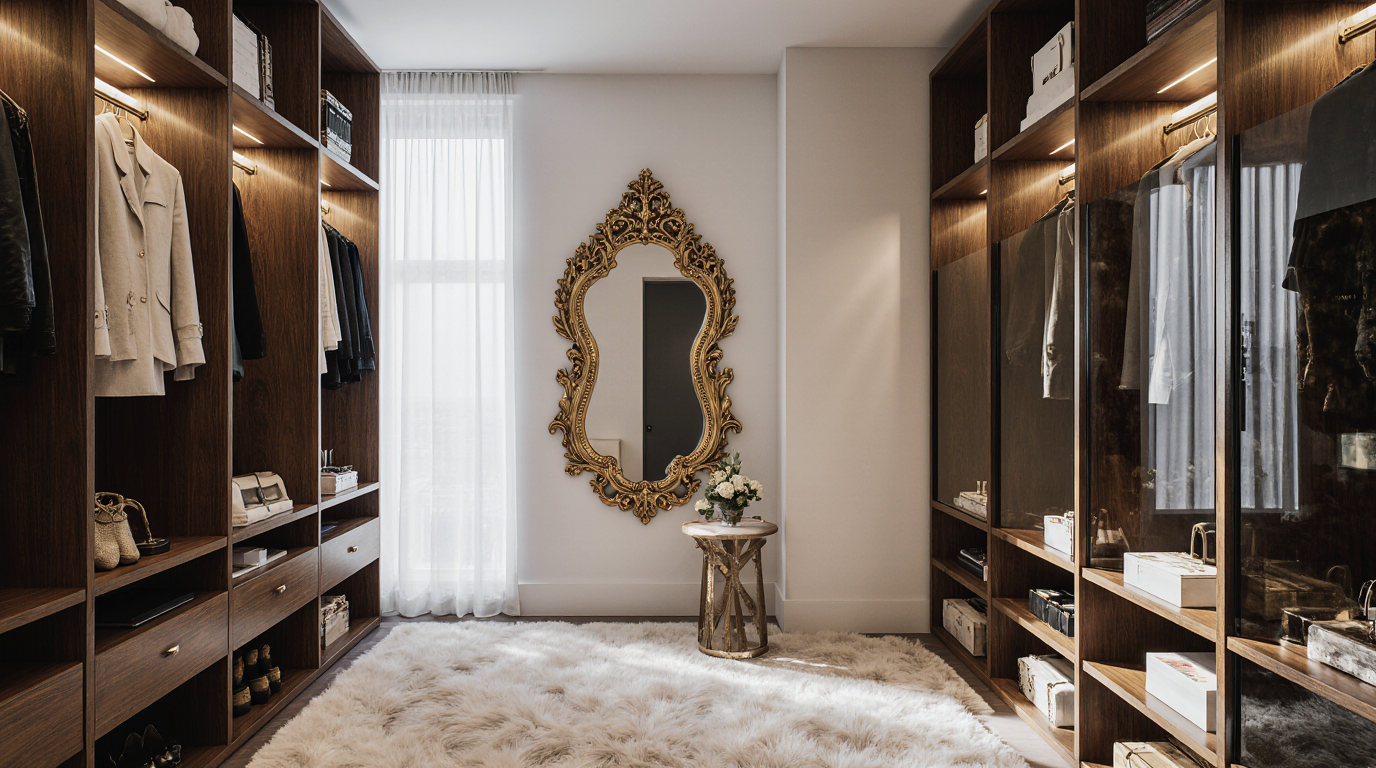
Before any design is drafted, my process begins with a deep analysis of the existing space and its intended function. This goes far beyond taking simple wall measurements. I assess the room's airflow, the proximity to sources of humidity like an en-suite bathroom, and the impact of natural light from windows, which can affect certain finishes over time. In a recent project in a Bird Key estate, I identified a poorly positioned air conditioning vent that was creating condensation on an interior wall, a factor that dictated a complete redesign of the closet's internal structure to incorporate a vapor barrier and promote cross-ventilation. My methodology involves cataloging the client’s wardrobe to engineer a precise ratio of long-hang, short-hang, and folded storage, ensuring the final layout is a direct response to their lifestyle, not a generic template.
Material Specification Beyond the Carcass
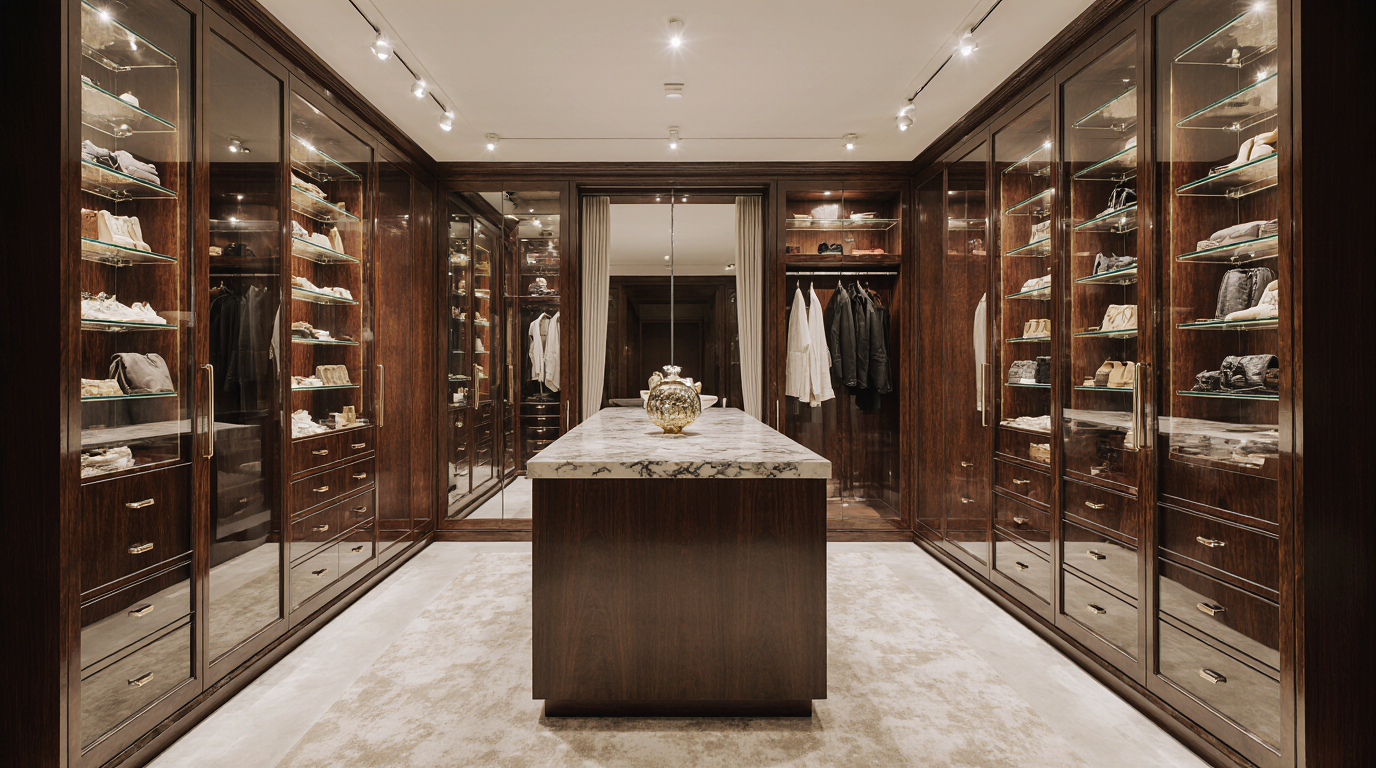
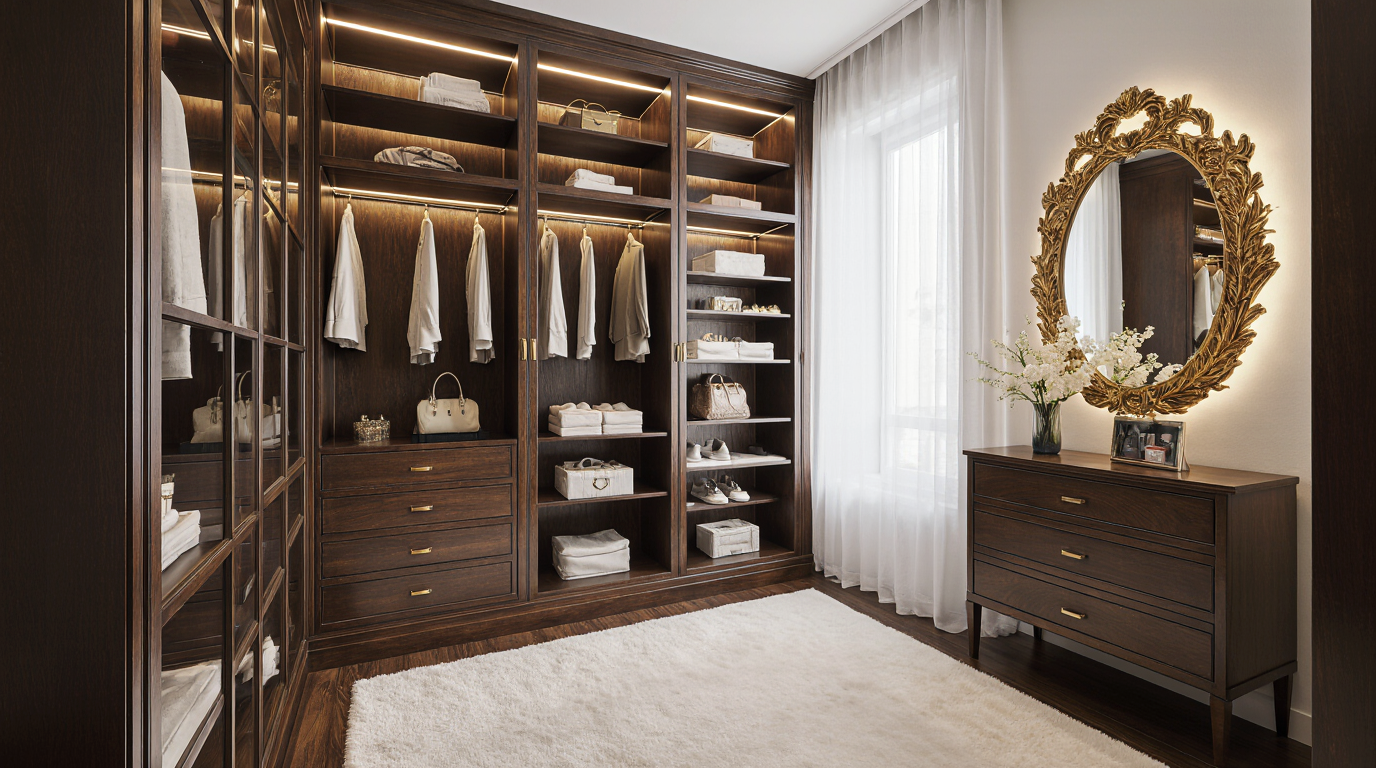
While the structural core is critical, the longevity of a luxury closet is equally dependent on the specification of its functional and aesthetic surfaces. For drawer fronts and doors, I often recommend solid wood construction over veneers in Sarasota's climate, as this eliminates the risk of edge banding peeling away over time. The finish itself is a key line of defense. I exclusively use a post-catalyzed conversion varnish, which chemically cures to form a much harder and more moisture-impermeable barrier than common lacquers. For hardware, I look beyond corrosion resistance to performance. Drawer glides like the Blum Tandem with Blumotion are my standard; their concealed undermount design not only offers a cleaner look but also protects the ball-bearing mechanism from direct exposure to the salt-laden air, ensuring a lifetime of smooth, silent operation.
The Fabrication and Installation Protocol
A flawless design requires execution with exacting precision. My fabrication process is built on a foundation of modern technology and traditional craftsmanship to create cabinetry that is both perfectly fitted and structurally superior. This multi-stage protocol ensures every component meets my stringent standards before it ever arrives on site.
- Digital Templating and CNC Machining: I start with precise digital measurements of the space, which are then fed directly into a CNC router. This guarantees every panel is cut to a tolerance of less than 1/32 of an inch, allowing for perfect alignment and joinery.
- Engineered Joinery: All cabinet carcasses are constructed using full dado and rabbet joints. This interlocking method provides immense structural rigidity and load-bearing capacity, a significant upgrade from the simple butt joints and screws used in mass-produced cabinetry which are prone to loosening over time.
- Multi-Layer Finishing Process: Each piece undergoes an intensive finishing process inside a climate-controlled spray booth. This involves multiple stages of sanding, sealing, priming, and top-coating, with adequate curing time between each layer to achieve maximum hardness and durability.
- On-Site Scribing and Leveling: The final installation step involves meticulously scribing each cabinet section to the unique contours of the room's walls and floors. This process, often overlooked, is what creates a truly seamless, integrated built-in look, eliminating unsightly gaps.
Precision Tolerances and Climate-Proofing Standards
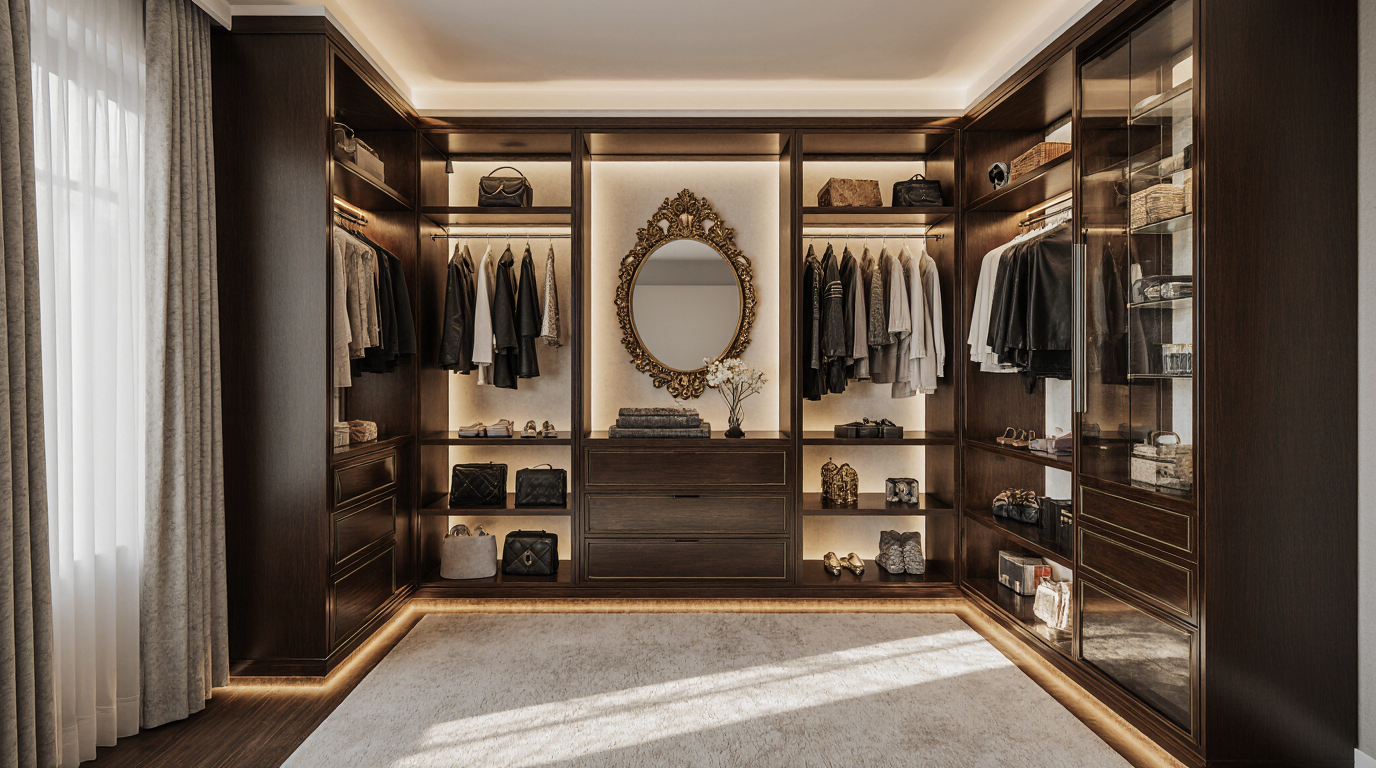
The final details are what separate a good closet from an exceptional one. To combat the mustiness that can develop in Florida's humid climate, I often engineer discreet ventilation channels into the cabinetry design, such as toe-kick vents or subtle air gaps at the top of the system. All integrated low-voltage LED lighting is specified with a rating for damp locations to ensure safety and longevity. My unwavering standard for all doors and drawers is a consistent 3mm tolerance on all sides. This not only provides a clean, high-end visual but also allows for imperceptible seasonal wood movement without the risk of binding or rubbing, a critical consideration for performance in a non-climate-controlled space.
Does your current closet's design actively counteract the environmental pressures of your home, or is it merely waiting for humidity and time to reveal its weaknesses?