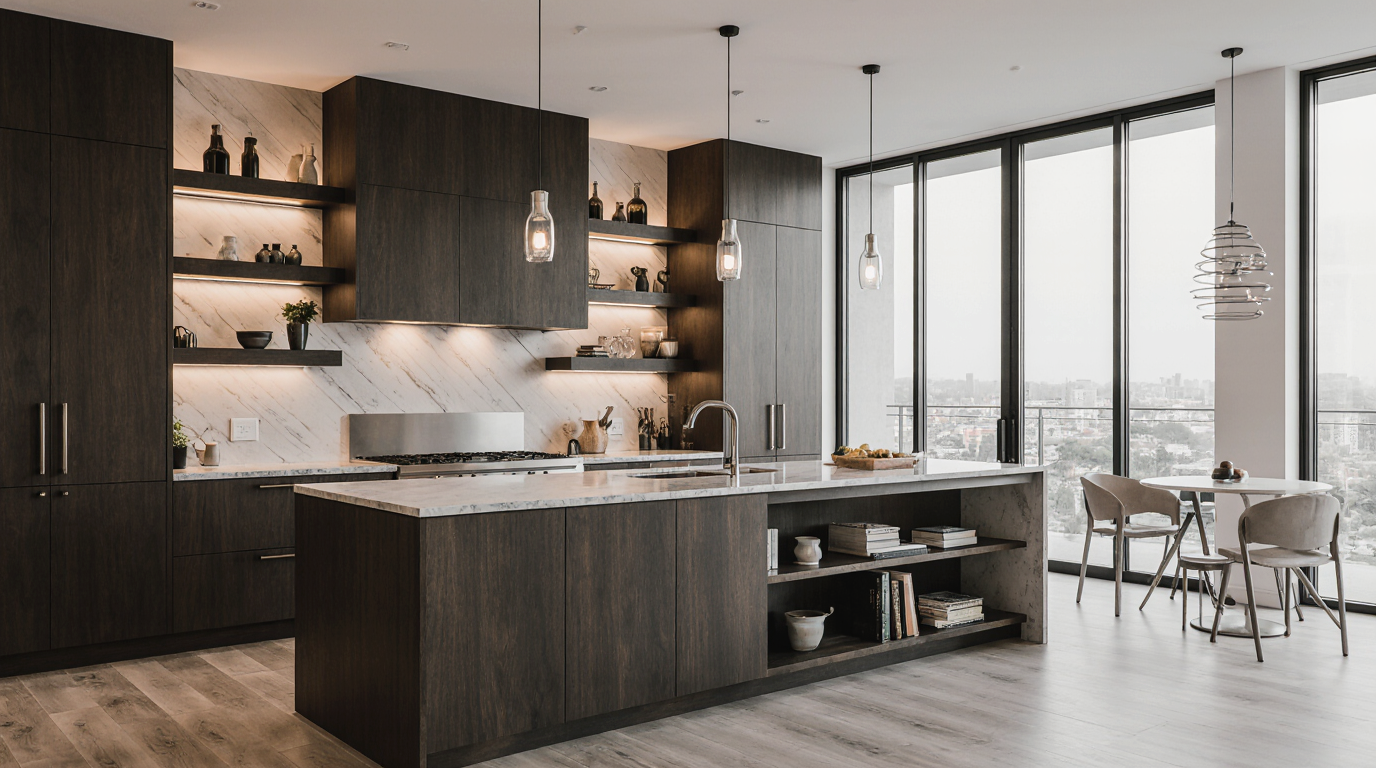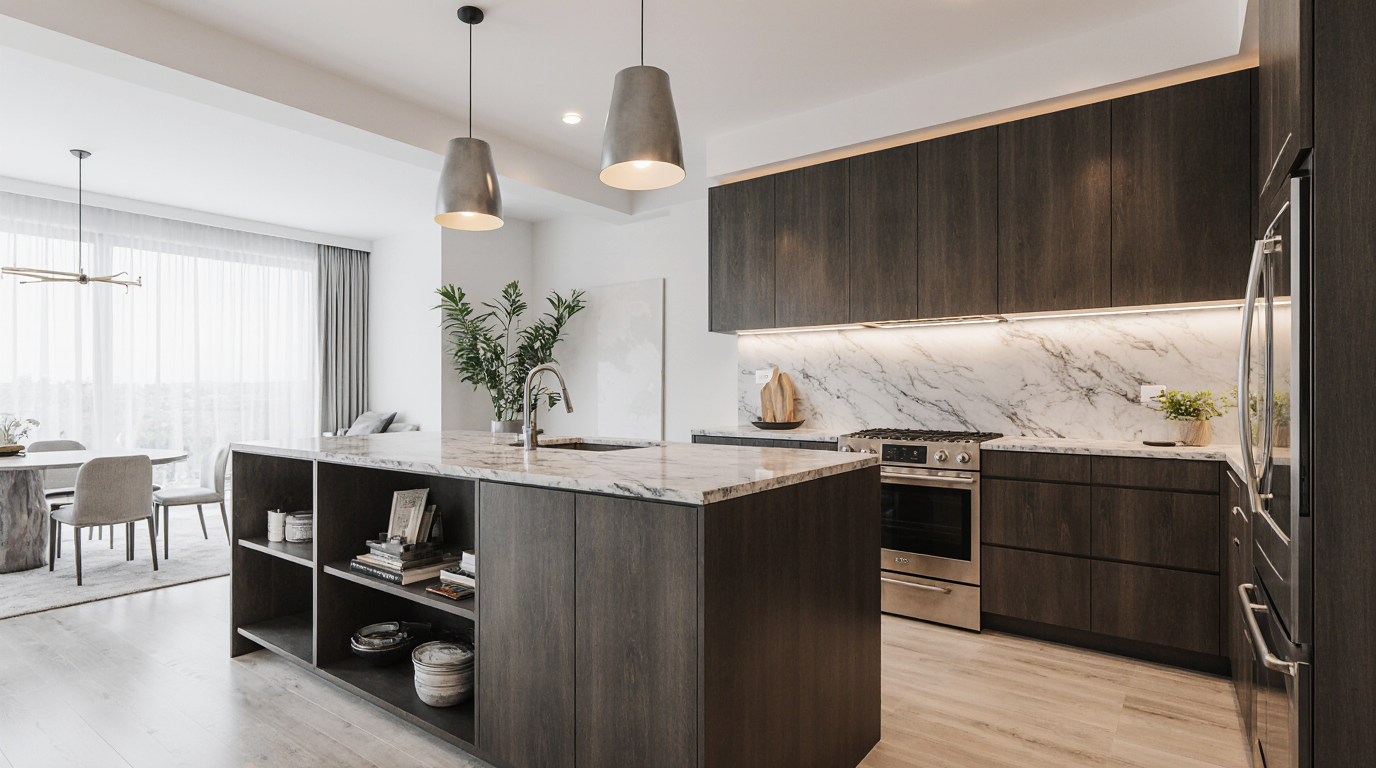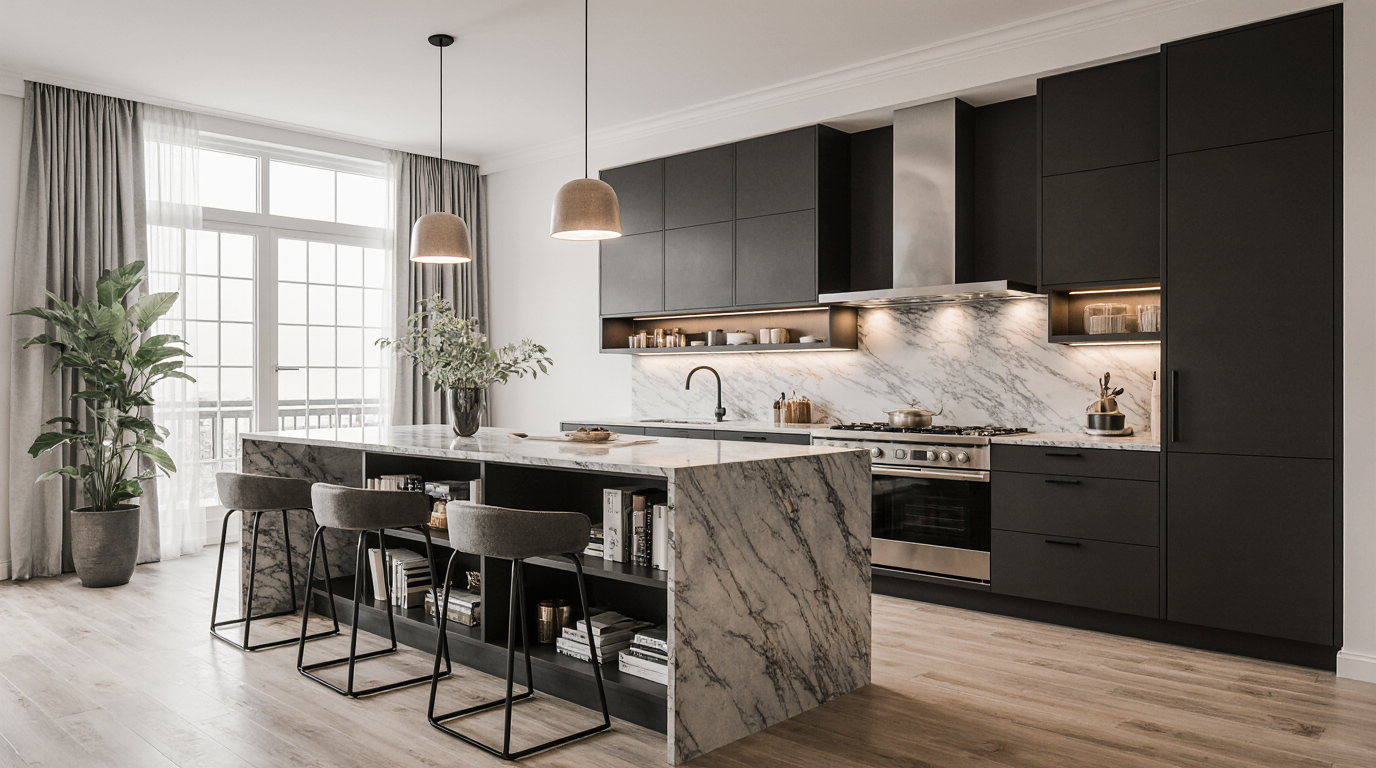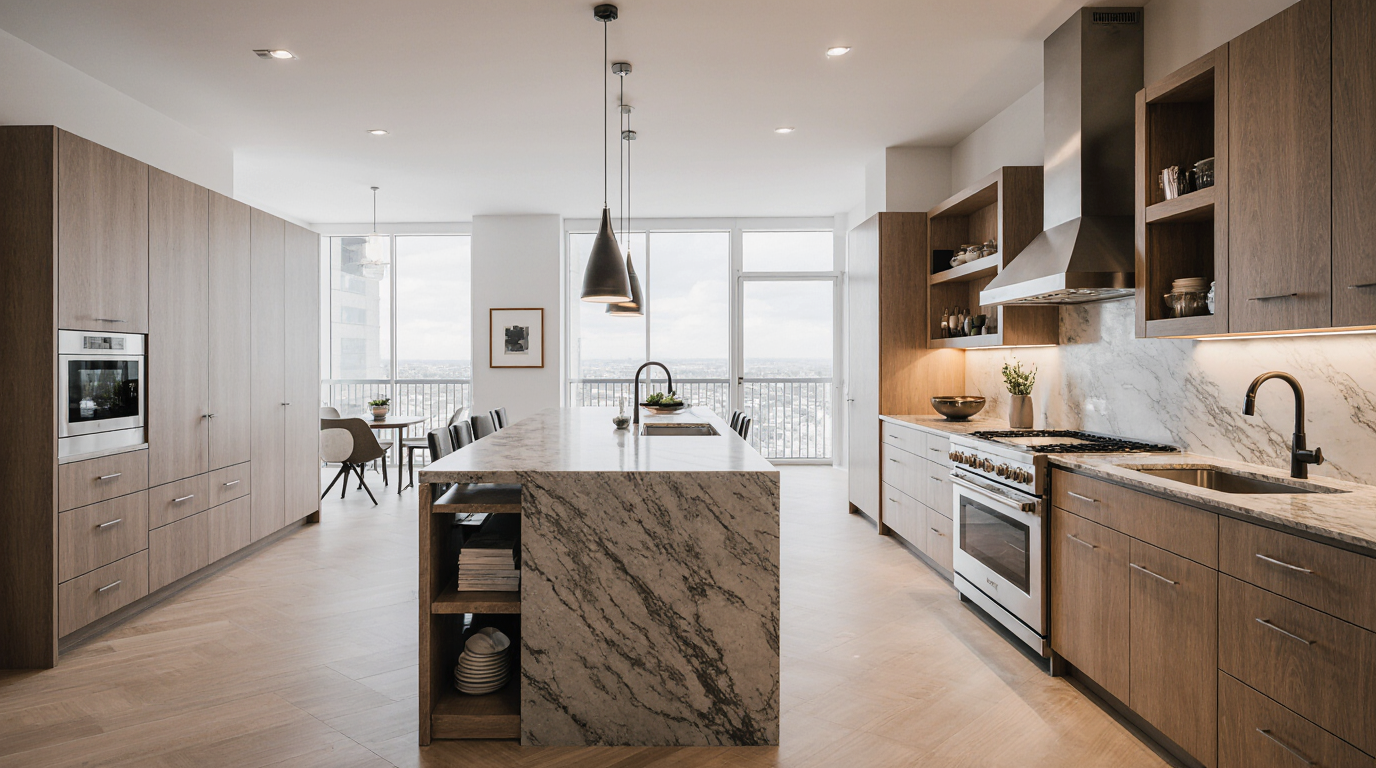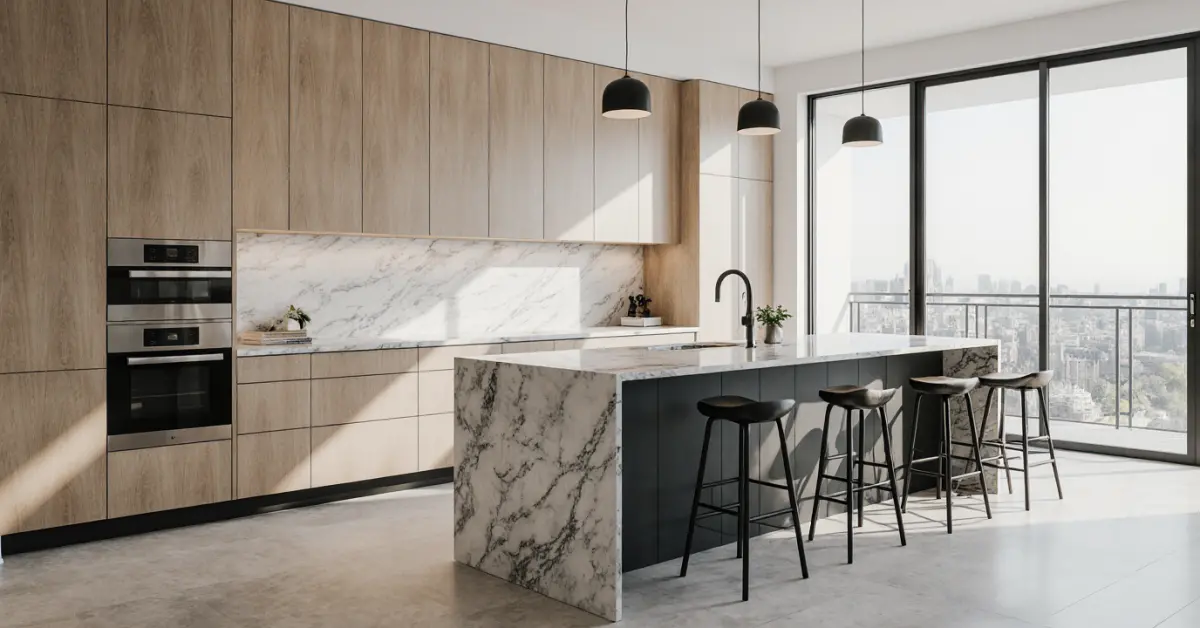
Picture a stunning new kitchen in a waterfront home on Bird Key. The oversized island has a waterfall edge, the appliances are top-of-the-line, and the custom flat-panel cabinets look seamless. Six months later, the owner calls. The lower cabinet doors near the lanai no longer close properly. The veneer on a drawer front is starting to bubble at the edge. The failure wasn't the craftsmanship; it was a material specification that ignored Sarasota's relentless humidity. This scenario is the most common, and preventable, disappointment in high-end kitchen renovations here.
Executive Summary: The Sarasota-Specific Approach to Luxury Kitchens
From my direct experience executing high-end projects across Sarasota County, a successful luxury kitchen is a
From my direct experience executing high-end projects across Sarasota County, a successful luxury kitchen is a masterclass in material science and process management, not just aesthetics. It requires anticipating how the coastal environment will attack every component, from the cabinet box construction to the finish on the hardware. It also means navigating a regulatory environment—from municipal permits to demanding HOA design boards—that can easily derail timelines and budgets if not managed proactively from day one.
- Material Imperative: Standard MDF or particle board for cabinet boxes is a non-starter here. The only viable core material for longevity is marine-grade plywood or a high-spec polymer, especially in homes on the barrier islands.
- HOA Navigation: In communities like Lakewood Ranch or The Concession, the HOA design review can take longer than the fabrication of the cabinets. Submitting a comprehensive design package upfront is non-negotiable.
- Code Compliance: The Florida Building Code's requirements for anchoring and structural integrity, especially in wind-borne debris regions, affects how islands and upper cabinets are secured, influencing the final design.
- Ventilation Engineering: A high-CFM range hood isn't a luxury; it's a necessity to manage moisture and heat, protecting finishes and improving air quality in a tightly sealed, hurricane-rated home envelope.
The Planning Failures That Inflate Costs and Timelines
The most significant errors in Sarasota kitchen projects happen long before the first cabinet is ordered. They stem from a disconnect between a client's aesthetic vision and the environmental and regulatory realities of building on the Gulf Coast. These aren't minor hiccups; they are mistakes that lead to change orders, material failures, and profound regret.
One common pattern is underestimating the lead times for specialty, corrosion-resistant materials. A client falls in love with a particular brass hardware collection, but the marine-grade PVD finish required to prevent pitting from salt air has a 16-week lead time, double that of the standard finish. This single choice can throw off the entire project schedule if not identified during the initial planning phase.
The Single Most Expensive Mistake: Under-Specifying Cabinetry Core Materials
The costliest error I see is prioritizing the look of the cabinet door over the integrity of the cabinet box. A client will spend a premium on a high-gloss acrylic door but agree to a standard furniture-grade plywood or, worse, particle board core to save a few thousand dollars. In Sarasota's humidity, this is a catastrophic failure waiting to happen. Within a few years, the boxes swell, hinges pull loose, and doors go out of alignment. The fix is never a simple adjustment; it’s a full replacement. That attempt to save 10% on the initial cabinet budget results in a 100% loss of that investment down the road.
The Real-World Process for a Sarasota Kitchen Renovation
A luxury kitchen project here follows a distinct path dictated by local conditions. It begins not with design, but with a thorough site analysis to understand humidity levels, sun exposure, and airflow. This informs every subsequent decision, from material selection to layout, ensuring the final product is engineered for its specific location, whether it's a high-rise condo on Longboat Key or a single-family home east of I-75.
The typical process involves an initial design and material selection phase, followed immediately by the preparation of a detailed submission package for any governing HOA or condo association. Only after this preliminary approval do we proceed to final construction documents for permits with the Sarasota County building department. This parallel-path approach is crucial to avoid months of delays. For instance, a typical HOA review in a high-end community can take 45-60 days, a period we use to finalize details with the client and order long-lead items.
Selection Criteria for a Sarasota-Based Design & Build Team
- Verifiable Portfolio of Coastal Projects: Ask to see kitchens they completed five or more years ago on Siesta Key or Lido Key. How have the finishes held up to the salt air?
- In-House Knowledge of HOA Submittal Processes: Do they have a dedicated person who manages applications for communities like The Founders Club or Prestancia? This expertise is invaluable.
- Direct Relationships with Marine-Grade Suppliers: A team that regularly works with marine-grade plywood and stainless steel (316L) hardware will have established supply chains, preventing delays.
- Proficiency with the Florida Building Code: They must understand requirements for impact-rated windows and doors that often form part of a kitchen renovation, and how to properly anchor cabinetry to meet structural codes.
Comparing Custom Design vs. Semi-Custom and Stock Options
While stock or semi-custom cabinets can work in other climates, their limitations become glaringly obvious in Sarasota. The primary differences lie in material options, construction methods, and the ability to tailor the design to the unique structural and environmental demands of a coastal home. The initial cost savings of non-custom options are often erased by premature replacement costs.
| Factor | Full Custom (Sarasota-Spec) | Semi-Custom Cabinetry | Stock Cabinetry |
|---|---|---|---|
| Core Material Options | Marine-Grade Plywood, Polymer | Limited to furniture-grade plywood, MDF | Particle board, MDF |
| Humidity Resistance | Excellent; designed to resist warping | Fair to Poor; susceptible to swelling | Poor; high failure rate |
| Hardware Specification | 316L Stainless Steel, PVD finishes | Standard steel, plated finishes | Basic plated hardware |
| Typical Lifespan (Coastal) | 20+ years | 7-10 years | 3-5 years |
When a Full Custom Approach Is Not the Right Choice
A full custom, Sarasota-specified kitchen is a significant investment. It's not the right path for every situation. For a property intended for quick resale or for a rental unit where durability against tenant misuse outweighs long-term environmental resilience, the ROI may not be justified. In these cases, a higher-end semi-custom line using all-plywood construction (not particle board) and careful sealing of all edges can be a pragmatic compromise, provided the owner accepts a shorter functional lifespan.
A Professional's Safe Hiring Checklist for Sarasota
Hiring the right team in Sarasota goes beyond checking licenses and insurance. It's about verifying their specific, localized expertise. I've seen beautifully crafted work fail because the builder, while skilled, was from an inland area and didn't grasp the nuances of coastal construction. This checklist is designed to uncover that crucial layer of local knowledge.
- Verify their Florida Certified General Contractor license is active and free of complaints on the state's portal.
- Request at least two local references for projects completed on a barrier island and check them.
- Ask for their specific protocol for moisture and dust control during installation in an occupied home, especially during the humid summer months.
- Confirm they will be pulling a permit from Sarasota County for any work involving electrical, plumbing, or structural changes—a common corner cut on smaller jobs.
- Inquire about their standard warranty against material defects related to humidity, such as delamination or warping. A one-year warranty is standard, but a confident firm may offer more on specific components.
- Review their process for handling HOA design review board feedback and revisions. Is it included in their fee structure?
- Ask what grade of stainless steel they use for outdoor kitchens or hardware near lanais. If they don't immediately say "316L," it's a red flag.
The Decisions That Truly Determine the Outcome
The success of a luxury kitchen project here hinges on a few key decisions made at the very beginning. One of the most critical is allocating the budget appropriately. A common mistake is to overspend on statement appliances or exotic countertops while skimping on the foundational elements: the cabinet boxes, the ventilation system, and the waterproofing behind the walls. My approach is to build the budget from the inside out: secure the non-negotiable, high-performance core components first, then allocate the remainder to the aesthetic finishes.
A small simple kitchen design or even a small L-shaped kitchen in a condo can feel incredibly luxurious if the materials are right. The tactile feel of a solid, properly sealed cabinet that closes perfectly every time communicates quality far more than a flashy brand name on a failing product. Modern kitchen island designs are popular, but in Sarasota, I ensure they are anchored beyond code minimums and that any plumbing or electrical within them is sealed against moisture intrusion from below.
The Exact Moment Most Homeowners Get It Wrong
The critical error happens during the material selection meeting. The client is presented with beautiful door samples and dazzling countertop slabs. Emotion takes over. They are focused entirely on color and texture. The right approach is to ignore the door samples at first and ask to see a cross-section of the cabinet box material. Ask the designer to explain precisely how that material will perform when exposed to 90% humidity for three months straight. That single question changes the entire conversation from aesthetics to engineering and is the pivot point between a kitchen that looks good and one that lasts.
Practical Answers for Kitchen Projects in Sarasota
Navigating the operational side of a renovation in Sarasota can be complex. Understanding the specific local processes, codes, and common community rules is essential for a smooth project. These are not generic issues; they are practical hurdles every high-end project in this area must clear.
What Are the HOA Requirements in a Community Like Lakewood Ranch?
In master-planned communities, any exterior-facing change, including a new kitchen window or ventilation exhaust, requires approval from the Design Review Committee (DRC). For an interior remodel, the primary concern is the impact on neighbors (noise, debris) and common elements in condos. You must submit a full plan including contractor licenses, insurance, a detailed work schedule, and often material samples. The process typically takes 4-8 weeks and is an absolute prerequisite to starting any work.
How Does the Florida Building Code Affect Kitchen Island Design?
The Florida Building Code (FBC) has stringent requirements for electrical outlets in kitchen islands to prevent shock hazards (GFCI protection is mandatory). More critically, for structural integrity in high-wind zones, if the island is large, it may need to be anchored directly to the concrete slab foundation, not just the subfloor. This requires planning before the flooring is installed and can impact plumbing and electrical runs, making it a crucial detail to address in the initial design phase of any kitchen layouts with island.
Permitting for a Kitchen Remodel with the Sarasota County Office
A permit is required for any kitchen remodel in Sarasota County that involves altering plumbing, electrical, or structural walls. A simple cabinet-and-countertop swap might not, but moving a sink, adding an outlet for an island, or removing a non-load-bearing wall absolutely does. The permit application requires signed and sealed plans from a licensed contractor. Expect a review time of approximately 3-5 weeks. Working without a required permit can result in stop-work orders, fines, and major problems when you eventually sell the property.