Beyond the Blueprint: My Diagnostic Process for Sarasota Closets
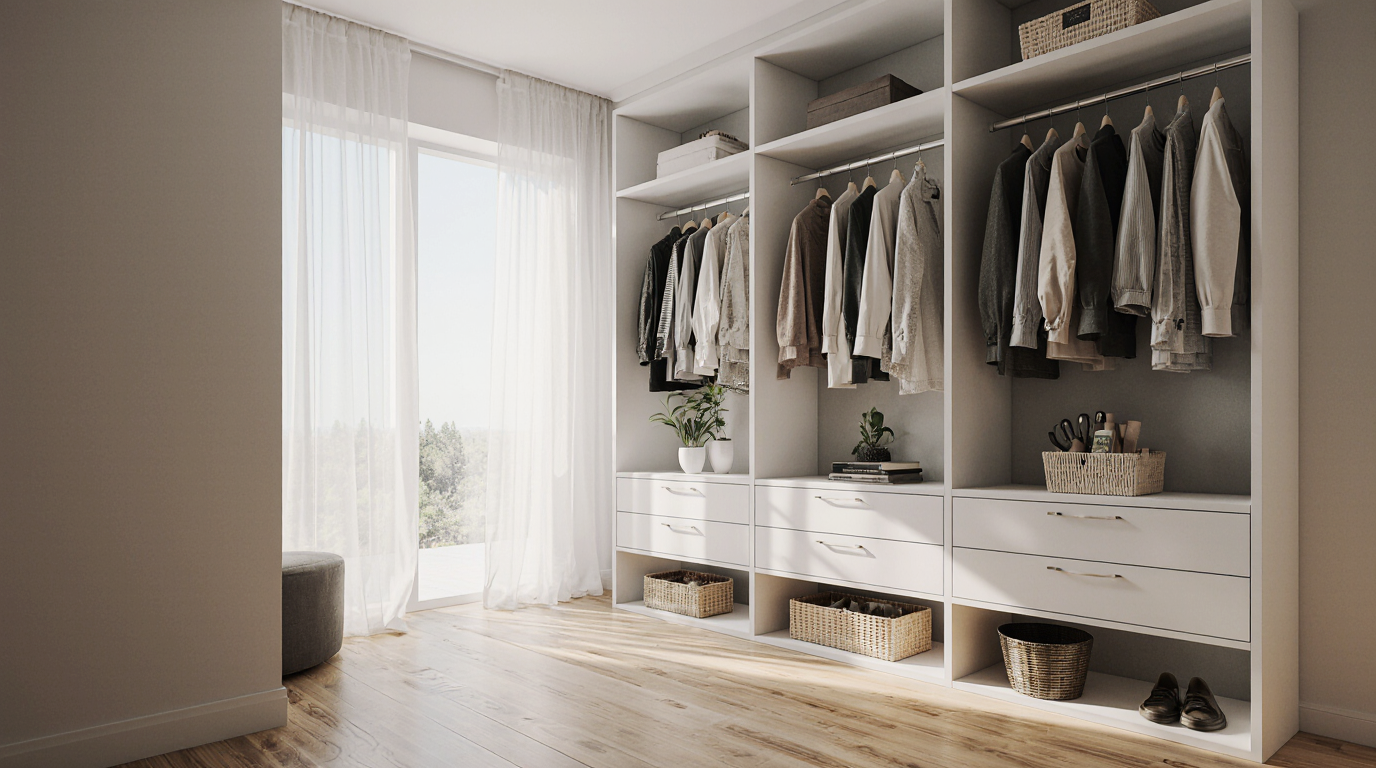
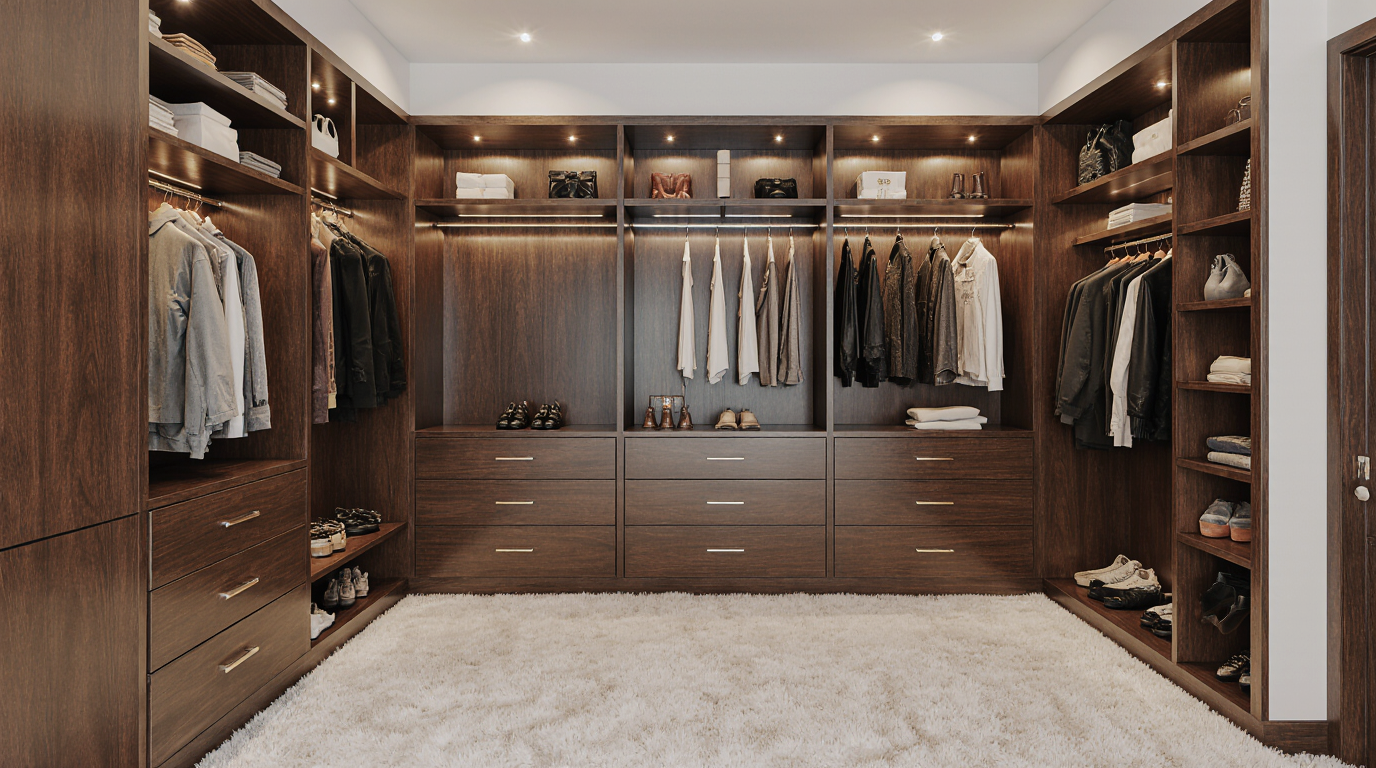
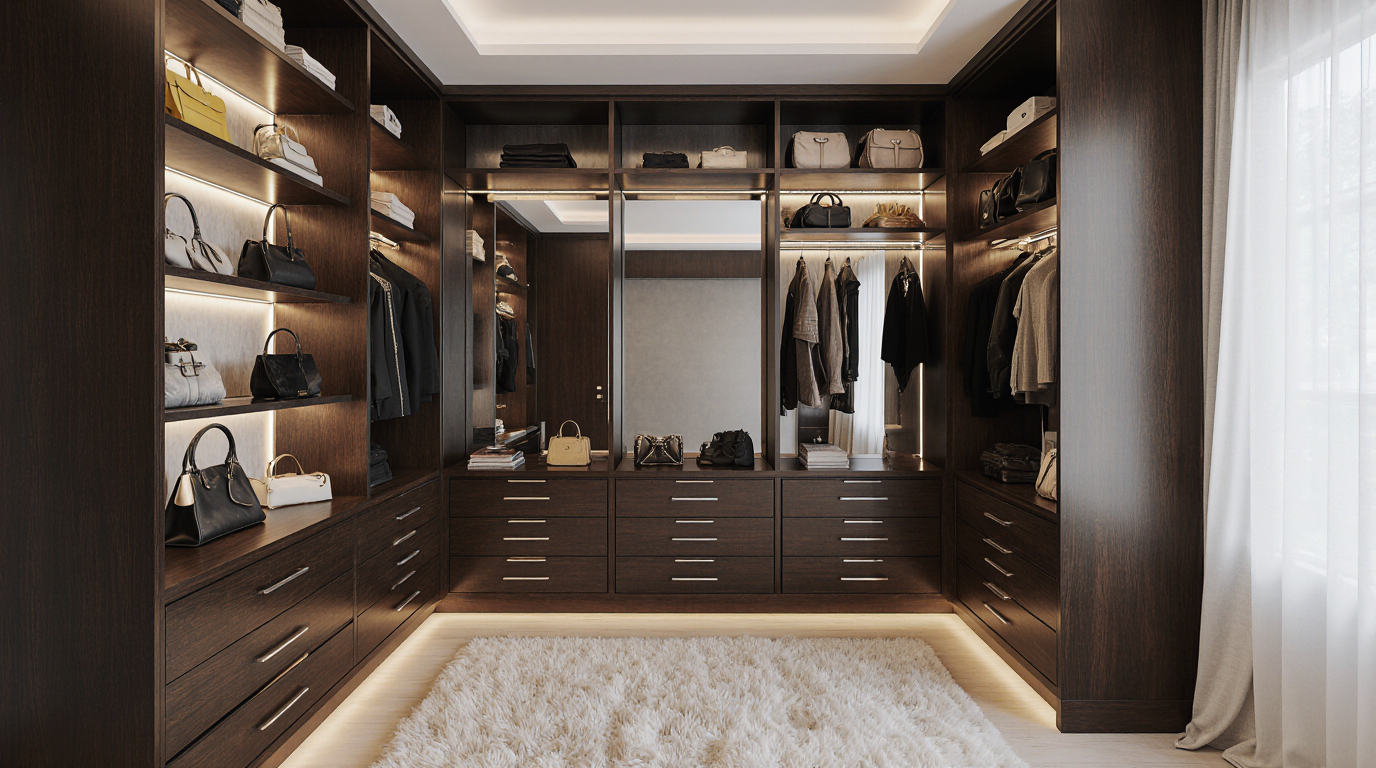
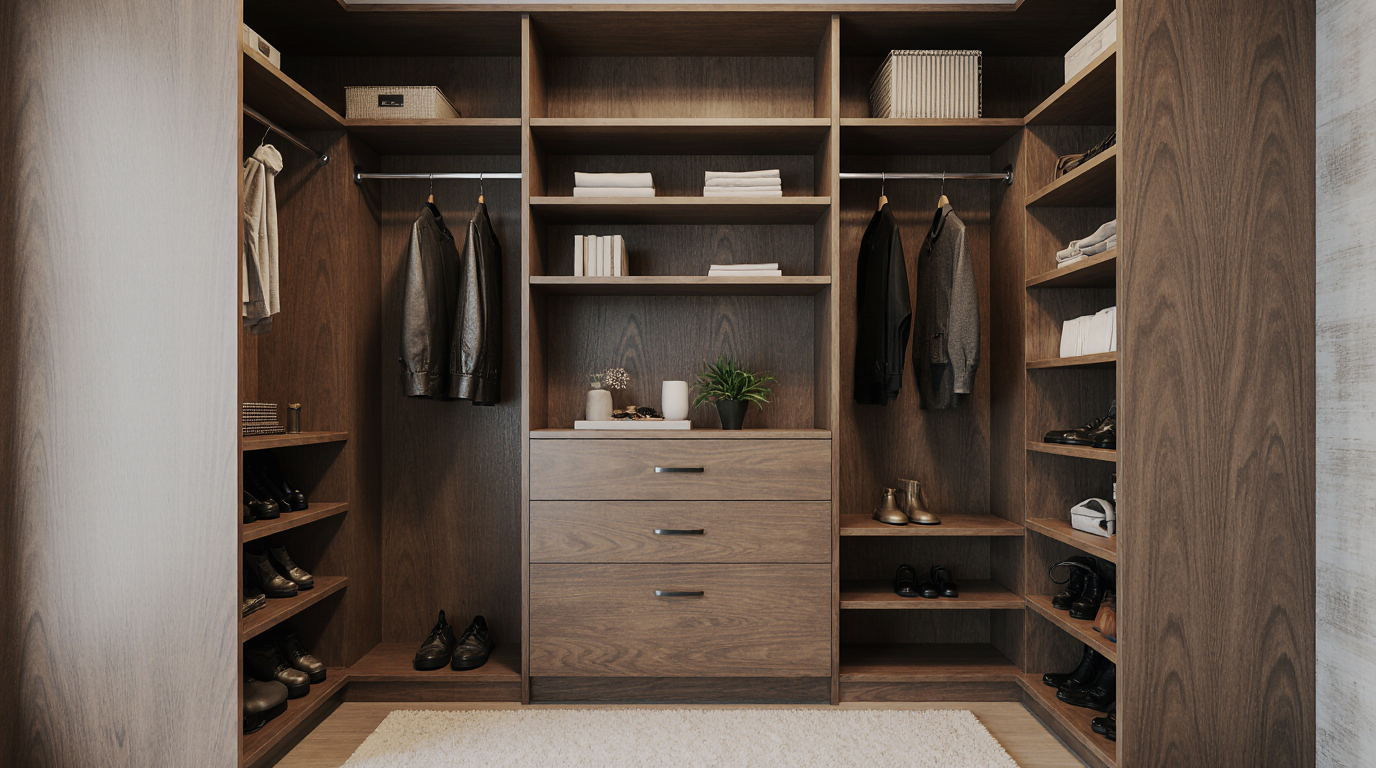
Every truly exceptional custom closet begins not with a sketch, but with a deep analysis of the client's lifestyle and the space's architectural quirks. Before I even consider materials, I conduct a detailed wardrobe inventory. I need to understand the ratio of long-hanging garments to folded items, the volume of a shoe collection, and the specific requirements for storing accessories like watches or handbags. This data directly informs the engineering of the interior, ensuring that every inch is allocated for maximum efficiency, often increasing usable storage by 20-30% compared to standard layouts.
Furthermore, I assess the room's specific microclimate. In many Sarasota homes, especially older ones or tightly sealed new constructions, closets can become pockets of stagnant, humid air. My design incorporates passive or active ventilation strategies, considering airflow from the main living areas to prevent any mustiness and protect valuable clothing. It's a layer of design thinking that goes beyond simple shelving and hanging rods.
The Unseen Foundation: Material Selection and Structural Integrity
While moisture resistance is paramount, the structural engineering of the cabinetry is what defines its longevity. For drawers, I insist on dovetail joinery, a classic woodworking technique that creates an incredibly strong mechanical lock, far superior to the simple dowels or screws used in mass-produced units. This ensures that even heavily loaded drawers will never sag or separate at the corners.
The finish is another critical component I've perfected for the Florida climate. I exclusively use a catalyzed conversion varnish, which is chemically cross-linked during the curing process. This creates a non-porous, incredibly hard surface that is highly resistant to scratches, cleaning chemicals, and moisture. Unlike standard lacquer, which can yellow or break down over time, this finish provides a durable, factory-perfect sheen that lasts for the life of the cabinetry. For shelving spans greater than 36 inches, I engineer hidden supports or increase the material thickness to guarantee zero deflection over time, even when loaded with heavy items.
The Art of Fabrication: A Step-by-Step Look at My Process
Translating a design into a physical reality requires uncompromising precision. My fabrication process is a blend of modern technology and time-honored craftsmanship, which I personally oversee.
- Precision Milling: All components are cut using a CNC router, ensuring tolerances are kept below 1/32 of an inch. This level of accuracy is impossible to achieve by hand and is critical for the seamless alignment of doors and drawers during final installation.
- Sealed Edges: I use a commercial-grade edge bander with PUR (polyurethane reactive) adhesive. This creates a permanent, waterproof seal on all plywood edges, leaving no entry point for moisture—a common failure point in lesser-quality cabinetry.
- Multi-Stage Finishing: Each piece undergoes a multi-step sanding and finishing process in a controlled environment. This includes a sealer coat, fine sanding, and multiple topcoats of the conversion varnish to build up a resilient and flawless surface.
- Workshop Pre-Assembly: Before anything is transported to a client's home, I pre-assemble the entire closet system in my workshop. This allows me to verify every fit, check all hardware functionality, and solve any potential installation challenges in a controlled setting, ensuring the on-site work is efficient and minimally disruptive.
On-Site Execution: Precision Installation and Final Adjustments
The final installation is where true mastery is demonstrated. No wall in any home is perfectly plumb or flat. I meticulously scribe each cabinet section to the wall, creating a seamless, fully integrated look with no unsightly gaps. Every cabinet is leveled with laser precision, which is essential for the proper function of the soft-close drawer slides and door hinges I use as a standard.
My personal quality standard is maintaining a consistent 1/8-inch reveal around all doors and drawer fronts. This tight tolerance creates a clean, high-end architectural aesthetic and serves as a testament to the precision of the entire process, from initial design to the final turn of a screwdriver. This isn't just installation; it's the final step in engineering a permanent piece of functional art for your home.
Now, look at your current closet. Do the doors hang with perfect alignment, or have they started to sag? Is the finish holding up to the coastal air, or is it showing its age?