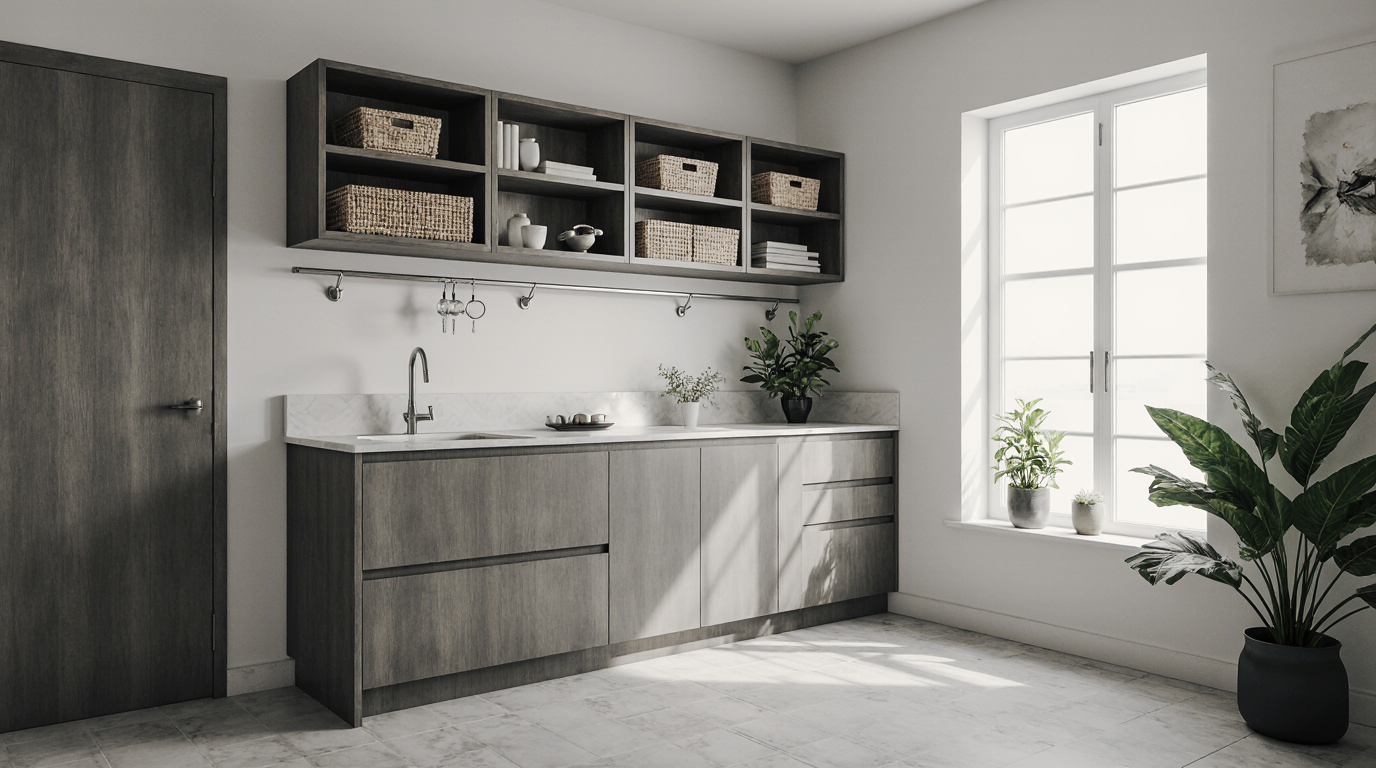
Washer Dryer Closet Ideas: Maximizing Space and Style in Your Laundry Area
Elevating a mundane laundry area into a harmonious, practical, and aesthetically pleasing environment relies on strategic washer dryer closet planning. A well-designed closet not only conceals bulky appliances but also enhances the overall aesthetic of your home. Creating a dedicated laundry closet ensures efficiency, tidiness, and easy access for regular laundry chores. Effective washer dryer closets harmonize design, usability, and organization, giving homeowners both beauty and efficiency.
A leading approach in modern laundry areas is to frame washers and dryers with bespoke storage solutions. The cabinets cleverly conceal soaps, sprays, and laundry bins while contributing to a cohesive, minimalist aesthetic. By choosing cabinetry that complements the rest of your home décor, you transform what might otherwise be a utilitarian space into a sophisticated focal point. Using light or muted shades provides a versatile backdrop, accented by unique knobs or metallic pulls for added style.
Maximizing height in a laundry closet ensures optimal storage and functional efficiency. Lofty shelves or cupboards capitalize on upper wall space, holding seldom-used linens or additional textiles. Shelving that adjusts to different heights combined with decorative displays creates a balanced, functional, and visually appealing environment. By combining flexibility, accessibility, and aesthetics, vertical solutions expand capacity without compromising order or elegance.
Compact layouts benefit greatly from sliding panels, which optimize access and maintain flow. By replacing hinged doors with sliding systems, homeowners gain effortless access while preserving room layout. Selecting semi-transparent or textured door designs adds style while subtly concealing machines. Integrating closet doors with the home’s broader interior style allows for a cohesive, unified appearance.
Lighting plays a crucial role in washer dryer closet design. Sufficient brightness guarantees practicality while improving the overall atmosphere of the closet. Integrating focused and ambient lighting solutions illuminates surfaces, highlights storage, and increases the sense of openness. Task lighting is especially useful for folding areas or countertops installed above the washer and dryer, providing a dedicated space for sorting and treating garments.
Adding a countertop above stacked or side-by-side appliances is an excellent method for combining function and style in a washer dryer closet. The countertop doubles as a functional platform for folding, organizing, or sorting clothes. Materials like quartz, granite, or laminate offer durability while maintaining a polished appearance. Continuous countertops visually unify elements, producing a harmonious and stylish laundry environment.
Adding versatile storage components transforms the laundry area into a highly organized and multi-purpose space. Integrating hidden hampers, fold-away ironing stations, and adjustable rods ensures the closet meets diverse laundry needs. These innovations allow you to perform multiple tasks within a single area, reducing clutter and streamlining the laundry process. Custom compartments for miscellaneous items enhance versatility, ensuring every inch of space serves a purpose.
High-end hardware and surface finishes elevate the perceived quality and sophistication of a laundry closet. Choosing striking hardware adds personality and a premium feel to everyday laundry chores. A carefully selected backsplash enhances aesthetics, safeguards surfaces, and personalizes the laundry environment. These details, though subtle, reflect a deliberate approach to high-end bathroom and laundry design, emphasizing both beauty and practicality.
Acoustic management ensures a serene, pleasant laundry environment. Insulated doors or panels help contain the sound of running machines, creating a more serene home environment. Placing vibration-dampening mats beneath machines lowers resonance and enhances household tranquility. Thoughtful sound and vibration solutions transform laundry closets into comfortable, stress-free zones.
Proper airflow and humidity management are critical to maintain appliance longevity and interior integrity. Circulation and moisture control preserve surfaces, prevent fungal growth, and extend the functionality of the laundry area. Installing a vent fan or leaving small gaps for natural circulation helps maintain a healthy environment, while moisture-resistant materials like treated wood or waterproof laminate prolong the lifespan of the closet. These technical considerations reflect a professional approach to laundry design, blending functionality with long-term durability.
Strategic use of tones and materials shapes spatial impression and aesthetic appeal. Neutral backgrounds increase perceived space, while striking details add character and contrast. Subtle surface treatments control reflection, wear, and marks, preserving aesthetics. Layering textures, such as smooth cabinetry, patterned tiles, and woven baskets, adds depth and interest, creating a visually appealing and highly functional washer dryer closet environment.
A well-planned laundry closet aligns harmoniously with the home’s architectural and interior style. Whether adjacent to the kitchen, tucked into a hallway, or part of a larger utility room, the closet should appear intentional rather than an afterthought. Consistent styling, trim details, and considered layout guarantee that the laundry space enhances rather than disrupts the home’s flow. With intentional planning and execution, even small laundry closets can combine style, comfort, and practicality seamlessly.
Following these design approaches transforms laundry closets into efficient, beautiful, and user-friendly spaces. Each element, from hardware to lighting, reinforces the balance of functionality, elegance, and organization. Careful execution ensures that efficiency, aesthetics, and quality converge, making the laundry closet a refined, well-planned environment.