Compact Laundry Room Design: Enhancing Efficiency, Style, and Usability
Planning a small laundry space involves harmonizing practicality, strategic organization, and elegant design. In modern homes, where space is often at a premium, optimizing a compact laundry area can transform a mundane chore into an efficient and even enjoyable task. When every corner matters, intelligent design merges appliance placement, storage innovation, and aesthetic coherence. A well-executed layout addresses not only the placement of appliances but also enhances usability, accessibility, and the overall ambiance of the space.
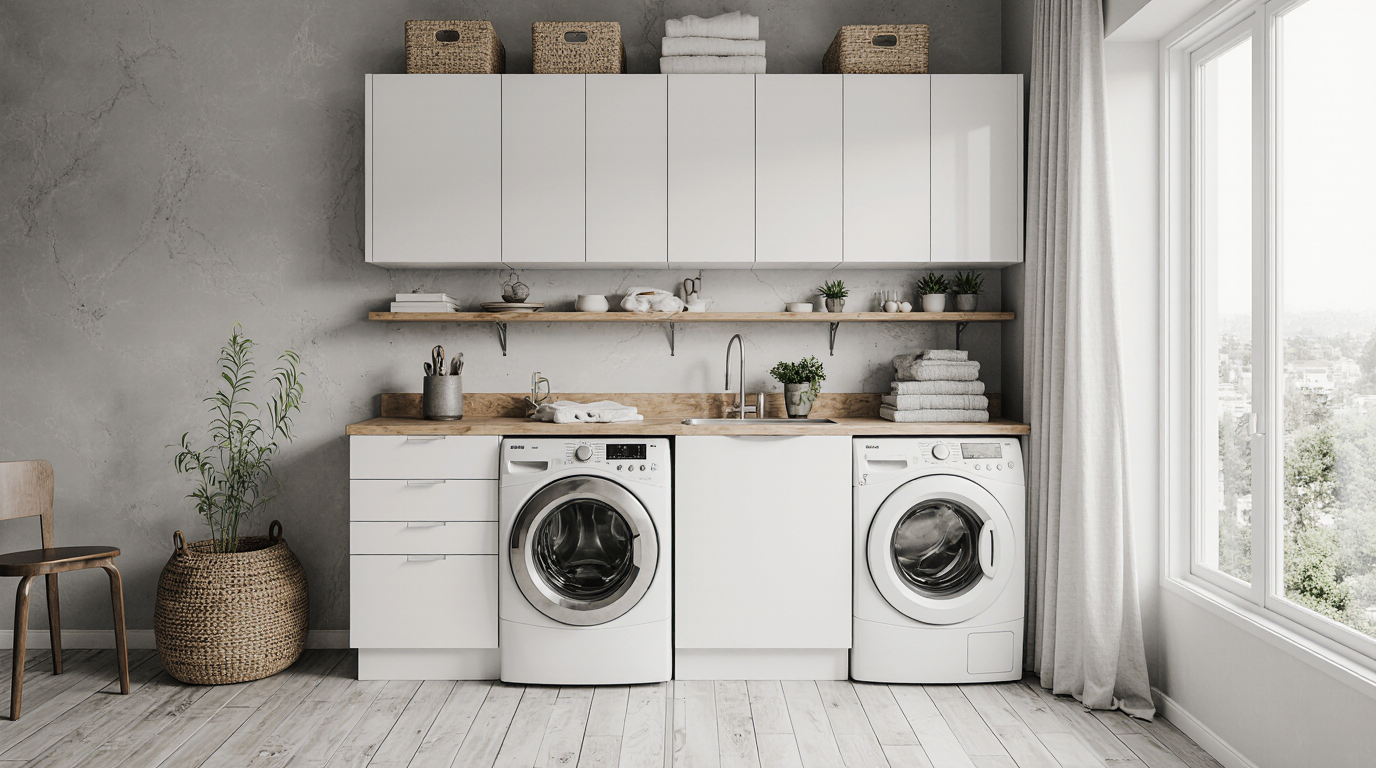
Optimizing small laundry functionality starts with strategic appliance choice and positioning. Stackable front-loading machines maximize vertical space, providing room-saving solutions in tight laundry areas. Aligning washers and dryers horizontally beneath a work surface enhances accessibility and folding convenience. Incorporating eco-friendly washer and dryer units optimizes energy use while lowering household utility bills. Strategic appliance placement can also create a natural workflow, where laundry moves smoothly from washing to drying to folding, reducing unnecessary steps and optimizing productivity.
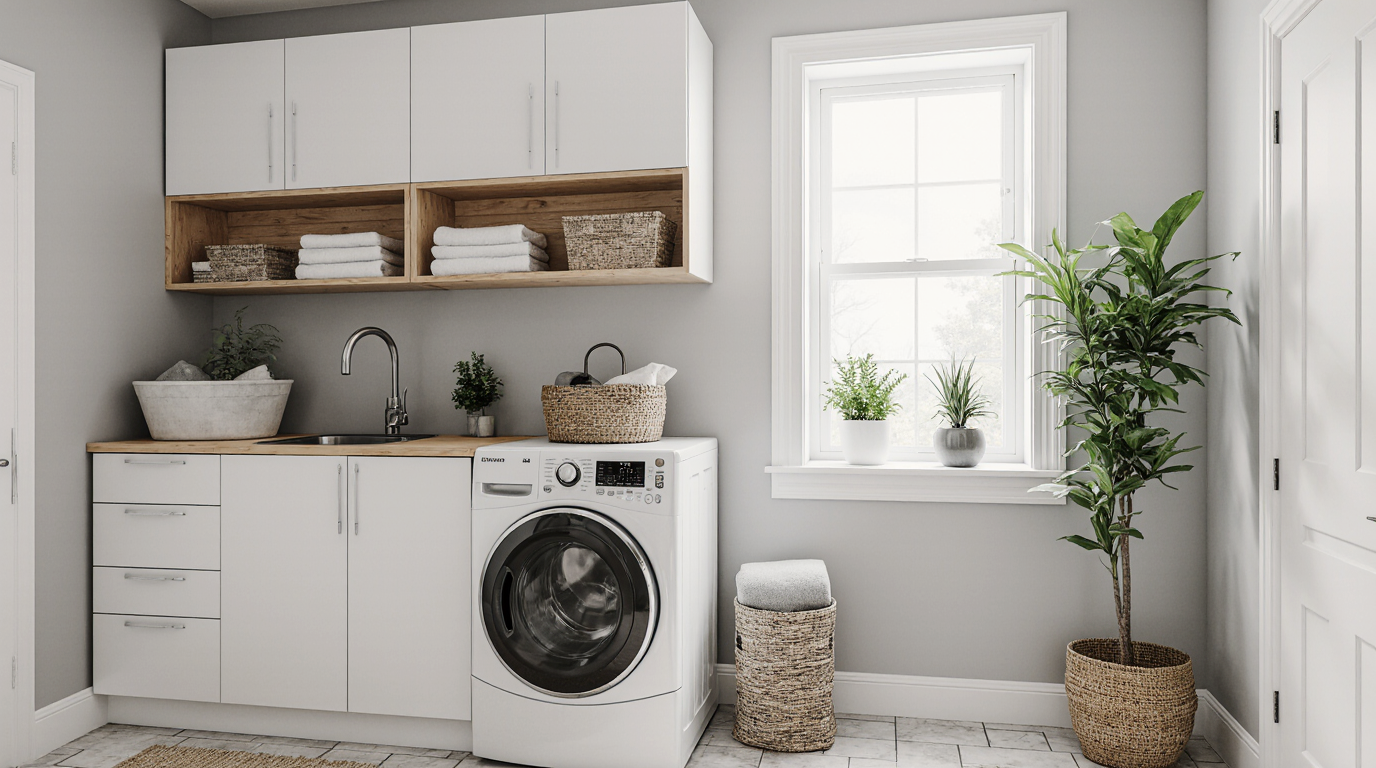
Storage optimization is a cornerstone of a functional small laundry room. Adapted shelving, cabinetry, and cubbies maximize space and functionality in tight laundry areas. Wall-mounted cabinets allow for ample storage of detergents, cleaning supplies, and laundry accessories without occupying the floor area, which is crucial in compact spaces. Exposed shelves combined with labeled containers ensure quick access and maintain visual order. Irregular spaces are optimized through bespoke cabinets and shelves, maximizing utility and maintaining visual harmony.
Lighting is another often-overlooked aspect of a small laundry room design. Correct illumination enhances work efficiency and elevates the space’s aesthetic. Layered lighting strategies, including overhead and under-shelf lights, optimize visibility and spatial perception. Natural light, when available, adds warmth and reduces reliance on artificial sources. Even in windowless laundry rooms, the careful use of reflective surfaces, light-colored walls, and strategically placed mirrors can visually expand the room, creating an airy and welcoming environment.
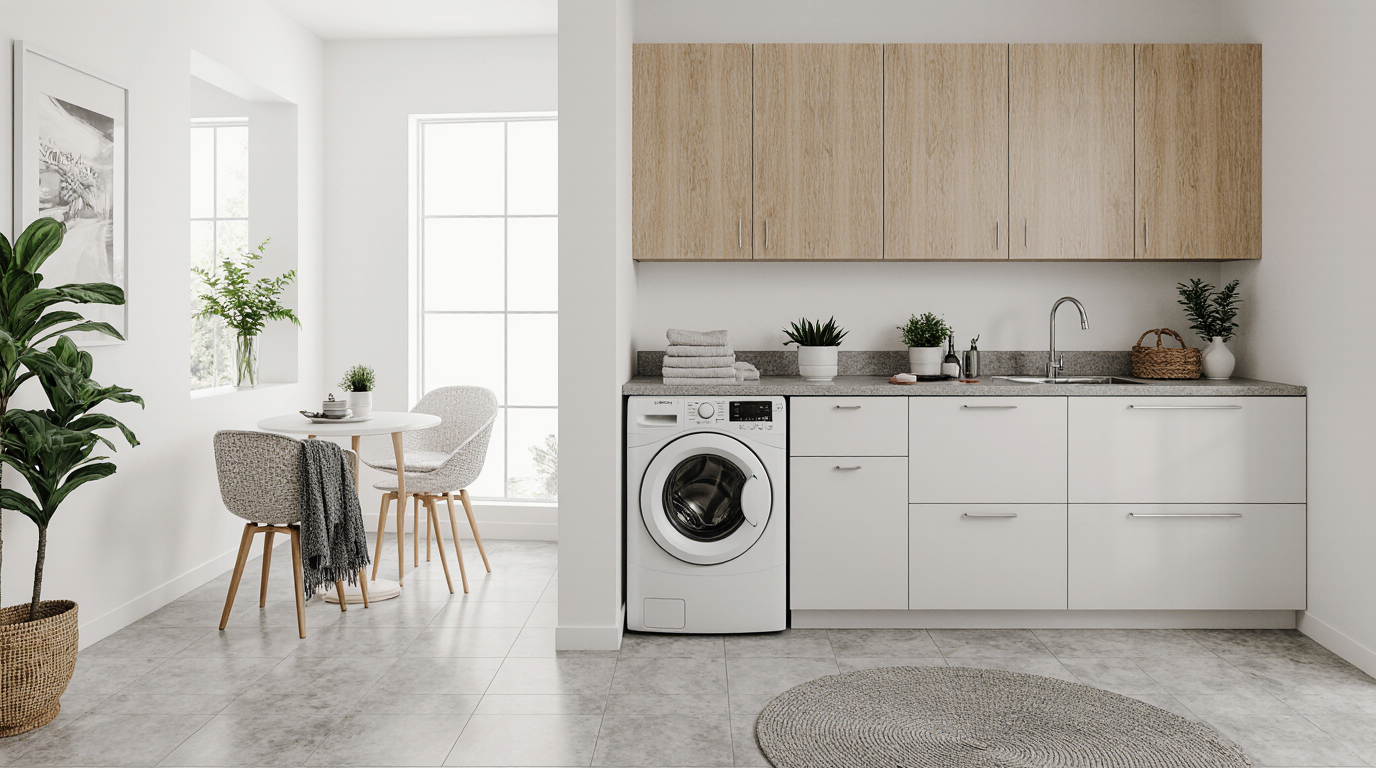
Selecting resilient flooring and work surfaces ensures durability without sacrificing design. Materials like tiles, luxury vinyl, or sealed concrete withstand moisture and heavy use. Waterproof flooring options integrate seamlessly into the room’s aesthetic while offering maximum durability. Selecting tough, low-maintenance counters enhances functionality and longevity. Multifunctional work surfaces expand usability while maintaining a clean, organized layout.
Light, thoughtful finishes create an impression of space and sophistication. Light, neutral tones tend to make spaces feel larger, while contrasting accents can add depth and interest. Consistency in cabinet design, finishes, and textures ensures elegance without sacrificing function. For example, pairing white cabinetry with soft gray walls or warm wood accents can generate a sense of harmony, ensuring that the laundry room complements the overall home design while maintaining its identity as a functional workspace.
Functional zoning maximizes efficiency and ease of use in small laundry rooms. Creating designated zones for washing, drying, folding, and ironing minimizes movement and streamlines chores. Utilizing vertical space for hanging rods or retractable drying racks allows garments to air-dry without encroaching on floor space. Incorporating a small utility sink can provide a convenient area for hand-washing delicate items or treating stains, enhancing the practicality of the room. Strategically positioned hooks and organizers streamline laundry routines and reduce clutter.
Human-centric layouts enhance both convenience and sustainability in tight spaces. Correct heights for appliances and surfaces reduce physical fatigue and improve workflow. Pull-out drawers and sliding shelves make retrieving detergents, fabric softeners, and other items easier, particularly in deeper cabinets. Counter-level folding areas paired with movable hampers optimize efficiency and spatial organization. Attention to detail transforms compact spaces into highly functional, user-friendly environments.
Ventilation is another critical element in a small laundry room design. Air circulation solutions protect against dampness, odors, and structural damage. Targeted exhaust and air circulation mechanisms maintain healthy, odor-free laundry environments. Eco-conscious ventilation paired with resilient materials promotes longevity and environmental responsibility.
Decorative elements, though secondary to function, enrich the user experience in a compact laundry room. Adding artwork, potted plants, or even a stylish rug can create a more inviting atmosphere. Attractive organizational tools serve both practical and decorative purposes. Incorporating such elements creates a space that is both efficient and pleasurable to use. Integrating design and utility produces a space that is both functional and visually pleasing.
Optimal small laundry layouts depend on careful planning, resourceful storage, and aesthetic consideration. Focusing on workflow, appliance choice, vertical storage, and visual harmony creates an ideal compact laundry area. Careful design choices turn compact laundry rooms into practical, elegant extensions of the home. Integrating planning, lighting, ventilation, and style creates compact laundry spaces that maximize usability and pleasure.