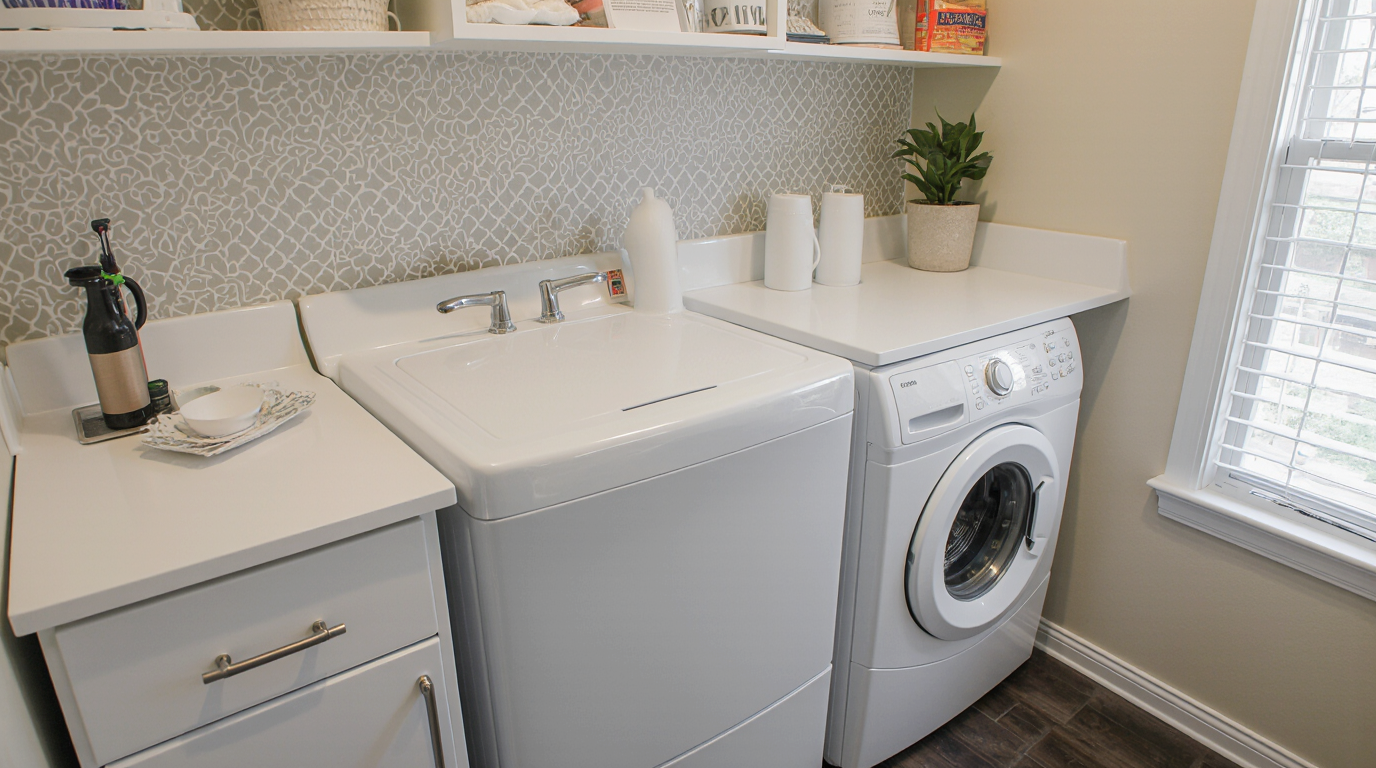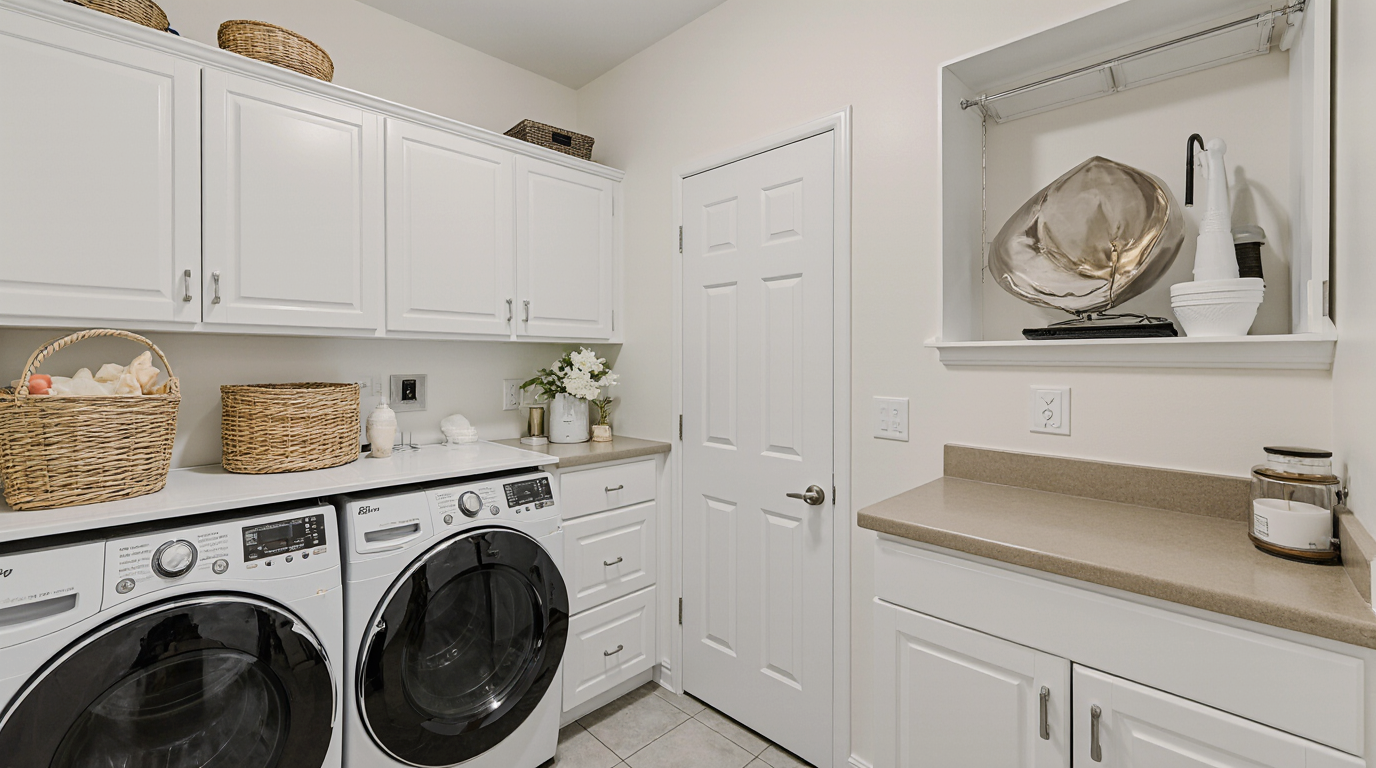
The laundry room, once relegated to a dim, utilitarian corner of the home, has undergone a major aesthetic upgrade. Designers now treat it as an essential, high-functioning zone, a place where the daily rhythm of household management intersects with the desire for aesthetic pleasure. Central to this evolution is the laundry room countertop. It is more than just a slab of material; it functions as the central hub, the designated spot for pre-treatment, the essential surface for pressing and folding clothes, and, critically, a major canvas for design expression. Marrying robust utility with high-end style depends entirely on making smart choices regarding the counter material and its accompanying decor.
The foundation of any successful counter design is the underlying product. In the harsh conditions common in an area dealing with chemicals and water, materials must demonstrate excellent longevity and resilience when faced with detergents, bleach, and frequent use. Quartz has emerged as a leading material in high-end laundry design. This man-made composite provides the luxurious look of natural stone without the complex upkeep requirements. Being non-absorbent is a crucial benefit, ensuring it remains unstained by accidental chemical exposure, and it requires absolutely no periodic sealing, a major time-saver in a busy room. The dependable durability and extended service life make this a very savvy choice, widely recognized in the industry as the best combination of beauty and practicality.
For those seeking a warmer, more organic feel, butcher block provides an natural, comfortable atmosphere. Wood countertops, particularly dense varieties such as oak or cherry, bring an undeniable warmth that softens the often sterile look of appliances and tile. When properly treated with food-grade sealants—which must be reapplied periodically—they stand up well to the demands of folding. The key benefit of choosing butcher block is that it can be easily fixed; minor scratches or water rings can often be sanded out, restoring the surface. This material choice speaks to a more rustic, farmhouse, or organic modern aesthetic, providing an attractive foil to sleek metal hardware or bright, clean cupboards. The strategic use of this organic material ensures the room maintains a residential, welcoming character rather than a sterile one.
Other highly effective yet less commonly considered choices are solid surface composites, often made from acrylic resins, which offer a smooth, monolithic appearance thanks to their near-invisible joints, resulting in a flawless surface. For budget-conscious projects that still demand resilience, high-quality laminate has vastly improved, offering an astonishing variety of finishes, including convincing stone or wood imitations, at a fraction of the cost. The main trade-off with laminate is generally its vulnerability to high heat and scratching when compared to engineered stone.
After choosing the core surface, the next step is applying the decorative elements. The goal is to introduce visual interest and organization without sacrificing precious workspace. A key principle for this area is maximizing vertical space. If the countertop spans the top of front-loading machines, that surface needs to be kept mostly free for its main purpose: folding clothes. Therefore, decorative elements should be carefully chosen to be stable or easily relocated.
Focus on attractive containers and jars as the main way to decorate. Instead of leaving plastic detergent bottles in view, decant frequently used liquids into attractive, matching containers. Clear glass canisters filled with items like dryer balls, clothespins, or even colorful laundry pods become miniature sculptural elements. For a touch of higher-end appeal, use stylish pottery or brushed metal jars for those smaller, necessary tools. The colors and textures must complement the existing decor, whether that means using soft pastels for a serene space or deep jewel tones for a dramatic effect. The concept here is intentional display; every visible item must contribute positively to the room’s aesthetic.
Trays and catch-alls are indispensable tools for countertop control. A beautiful, low-profile tray—perhaps in marble, polished brass, or reclaimed wood—can instantly corral smaller, necessary items like lint rollers, lost change (a laundry room staple!), or small bottles of specialized fabric treatments. This technique provides the necessary grouping that prevents small items from looking like clutter. If you require the full counter space for a big folding job, simply picking up the tray removes all the small objects at once, immediately creating a clear work area. This balance between active use and styled rest is the hallmark of expert design.
The area above the counter, often overlooked, plays a huge role in the perceived decor. The backsplash, if you have one, sets the tone. A richly veined porcelain tile or a unique geometric pattern acts as a built-in piece of wall art that frames the horizontal surface below. If your setup allows for open shelving just above the counter, this provides an additional surface for curated accents. Use this space to display decorative items that are utility-adjacent—a beautiful vintage scale, framed botanical prints that evoke clean scents, or stacks of neatly folded, unused hand towels that add textural depth. This layering adds dimension and personality, transforming the area from a simple workstation to a thoughtfully designed service station.
For specialized tasks, consider the flexibility of mobile organizational units. A slim, rolling cart tucked beside the main counter run can hold overflow supplies or serve as a temporary iron rest. When it’s time to iron, it rolls out, providing an auxiliary surface, and then tucks away, leaving the main countertop clear. This dynamic approach honors the reality of small-space living while ensuring that high-level aesthetic standards are maintained. The countertop is the stage; its decor sets the mood for an otherwise mundane chore, turning laundry day into an exercise in organized, beautiful efficiency. True laundry room mastery is reflected in how thoughtfully this primary surface is conceived, materialised, and adorned.