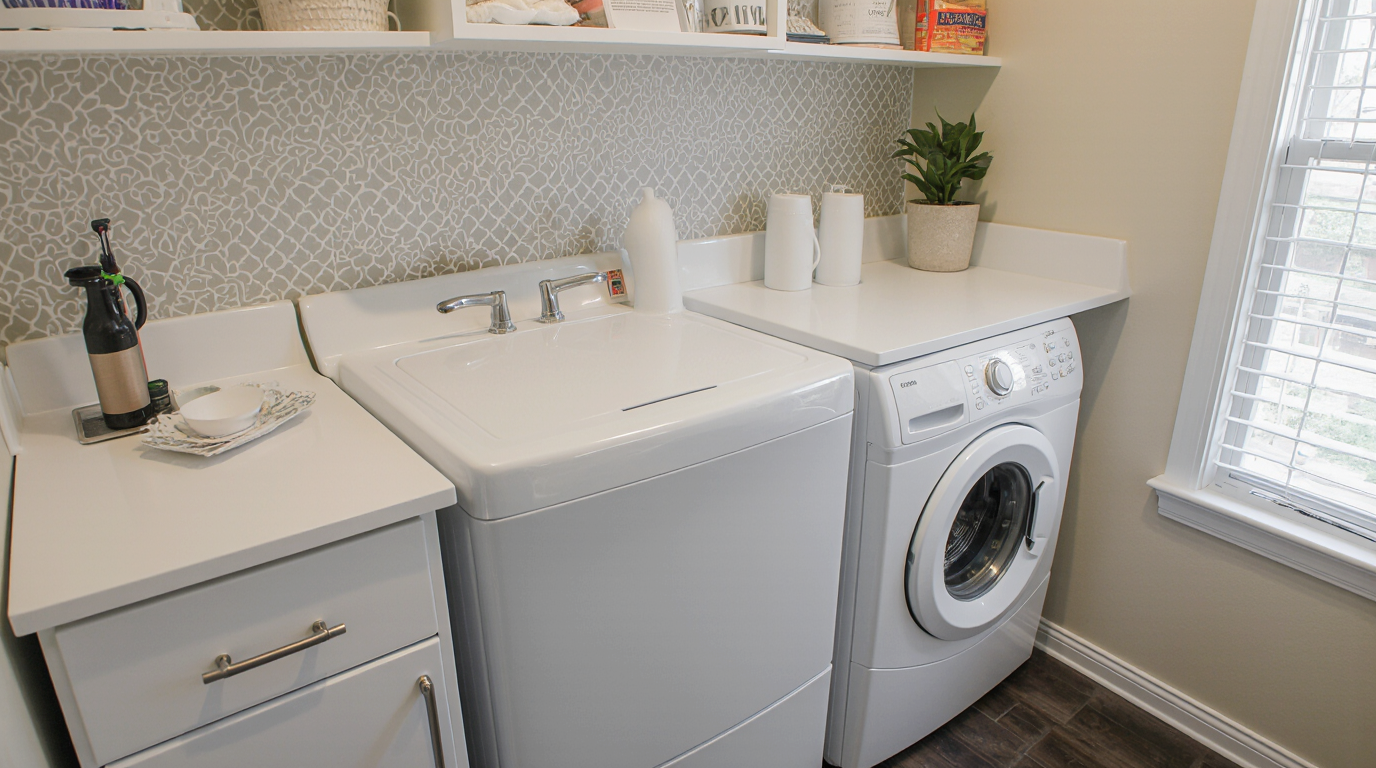
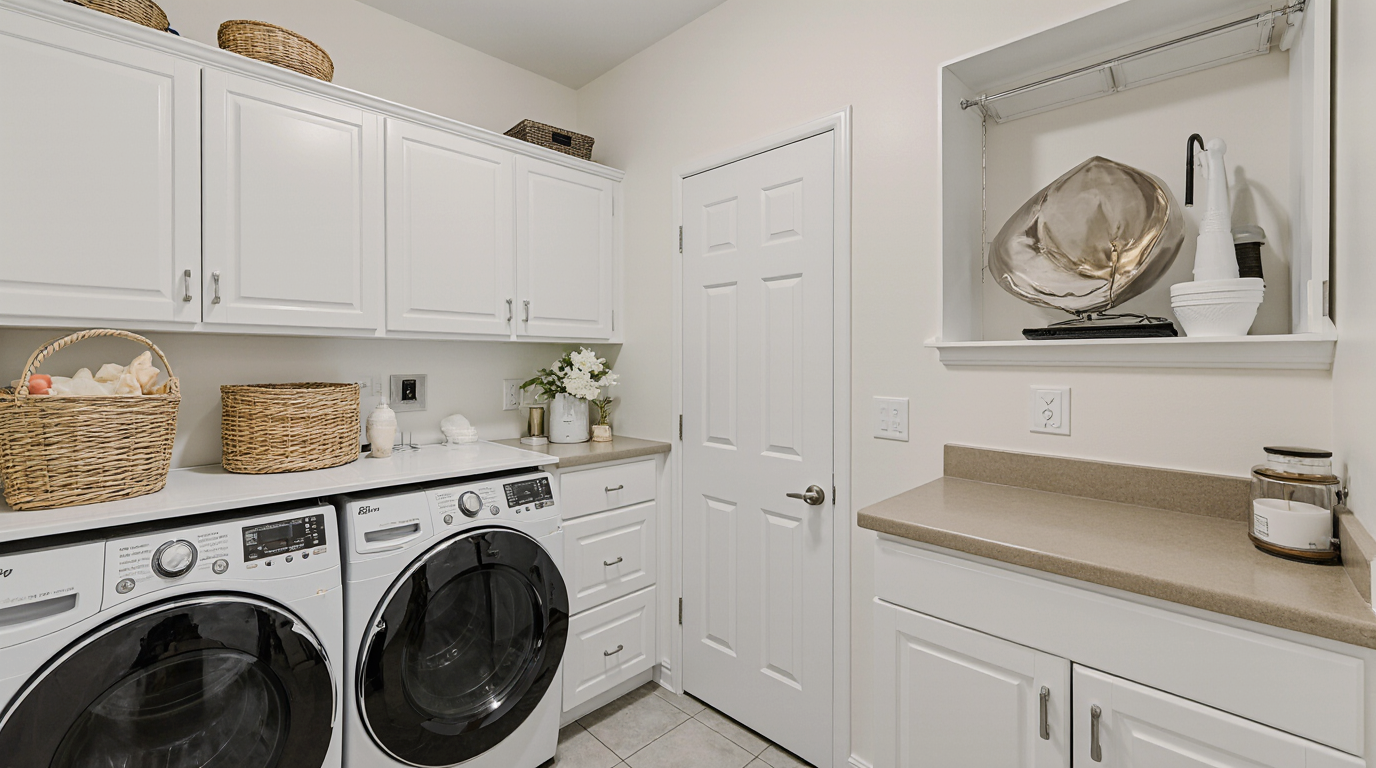
The laundry room, which used to be little more than a service closet, has undergone a major aesthetic upgrade. It is currently seen as a key, highly utilized area, a place where the daily rhythm of household management intersects with the desire for aesthetic pleasure. The primary feature facilitating this shift is the counter surface. It is more than just a slab of material; it functions as the central hub, the staging area for sorting, the key area for managing freshly dried linens, and, critically, a prominent opportunity for decorative styling. Marrying robust utility with high-end style depends entirely on making smart choices regarding the counter material and its accompanying decor.
The foundation of any successful counter design is the material itself. In the demanding environment of a laundry space, materials must demonstrate unwavering durability against spills, the weight of laundry hampers, and potential encounters with harsh cleaning agents. Quartz has emerged as a highly recommended option for its superior performance. This man-made composite provides the luxurious look of natural stone without the complex upkeep requirements. Its non-porous nature is a significant advantage, making it practically impervious to common laundry room chemicals and liquids, and it requires zero sealing—a key feature for a high-use area. The proven reliability and long lifespan position quartz as a wise financial decision, frequently praised by professionals for its blend of high style and low maintenance.
For those seeking a warmer, more organic feel, butcher block provides an instantly inviting and softer counter option. Wood countertops, particularly dense varieties such as oak or cherry, bring an undeniable warmth that softens the often sterile look of appliances and tile. When properly treated with food-grade sealants—which must be reapplied periodically—they stand up well to the demands of folding. The great advantage of a wood surface is its ability to be restored; minor scratches or water rings can often be sanded out, restoring the surface. This material choice speaks to a more rustic, farmhouse, or organic modern aesthetic, creating a visually stunning offset to cool-toned finishes or minimalist shelving. The careful integration of wood acts as a deliberate design choice, preventing the space from feeling purely institutional.
Lesser-known but highly practical options include solid surface materials, like those based on acrylics, which offer a fluid, continuous design, as the seams are extremely discreet, creating a visually perfect, singular plane. For budget-conscious projects that still demand resilience, high-quality laminate has seen major advances, now presenting a huge range of styles, like extremely realistic faux-stone or wood grains, for significantly less expense. The primary difference to note is its lower tolerance for direct heat and potential for surface damage versus quartz or granite.
Once the foundational material is selected, the true art of counter decor begins. The goal is to introduce visual interest and organization without sacrificing precious workspace. A smart styling approach is to think vertically. If the countertop spans the top of front-loading machines, that surface needs to remain largely clear for folding. Therefore, decorative elements should either be anchored securely or be entirely movable.
Consider curated storage vessels as your primary decorative medium. Rather than displaying bulky, branded plastic, transfer detergents and supplies into coordinated, aesthetically pleasing dispensers. Clear glass canisters filled with items like dryer balls, clothespins, or even colorful laundry pods become miniature sculptural elements. For a touch of refined elegance, consider using ceramic or matte-finished metal containers for things like stain remover sticks or laundry pretreatment pens. These pieces should coordinate with the room's overall palette—perhaps mixing cool grays and whites for a minimalist look or incorporating deep blues and terracotta for a warmer, more layered design. The concept here is intentional display; every visible item must contribute positively to the room’s aesthetic.
Trays and catch-alls are indispensable tools for countertop control. A stylish, flat tray—maybe made of a handsome stone, a warm metal, or salvaged timber—is perfect for grouping essential tools such as lint brushes, collected pocket contents, or small specialty cleaners. This technique provides the necessary grouping that prevents small items from looking like clutter. The convenience is clear: when the counter needs to be fully utilized, the tray allows you to swiftly clear all accessories, leaving a pristine surface. This balance between active use and styled rest is the hallmark of expert design.
The area above the counter, often overlooked, plays a huge role in the perceived decor. The backsplash, if you have one, defines the immediate style. A richly veined porcelain tile or a unique geometric pattern acts as a built-in piece of wall art that frames the horizontal surface below. If your setup allows for open shelving just above the counter, this provides an additional surface for curated accents. Use this space to display decorative items that are utility-adjacent—a beautiful vintage scale, framed botanical prints that evoke clean scents, or stacks of neatly folded, unused hand towels that add textural depth. This layering adds dimension and personality, transforming the area from a simple workstation to a thoughtfully designed service station.
For specialized tasks, consider the flexibility of mobile organizational units. A slim, rolling cart tucked beside the main counter run can hold overflow supplies or serve as a temporary iron rest. The cart can be deployed for activities like ironing, offering a secondary space, and then neatly stowed away when not in use, ensuring the main surface remains uncluttered. This dynamic approach honors the reality of small-space living while ensuring that high-level aesthetic standards are maintained. The countertop is the stage; its decor sets the mood for an otherwise mundane chore, turning laundry day into an exercise in organized, beautiful efficiency. Achieving a perfect laundry room depends heavily on the planning, selection, and styling of this most important work area.