Laundry Room Closet Transformation: Creative Concepts for Efficiency and Elegance
Reimagining your laundry closet as a space that merges efficiency and style requires a delicate balance of smart layout planning and aesthetic ingenuity. Careful planning of your laundry closet amplifies both usability and the satisfaction of maintaining household linens. Whether your space is compact or generous, the goal is to seamlessly integrate storage, appliances, and utility without compromising on style or accessibility. Smart utilization of vertical space is a cornerstone strategy in designing efficient and visually pleasing laundry closets. Tall cabinets allow for a combination of open shelves, hidden compartments, and hanging areas, enabling homeowners to store detergents, linens, cleaning supplies, and more in a tidy and accessible manner. Flexible shelving ensures your laundry closet can adapt dynamically to storage requirements, including bulky appliances, seasonal fabrics, or specialized cleaning items.
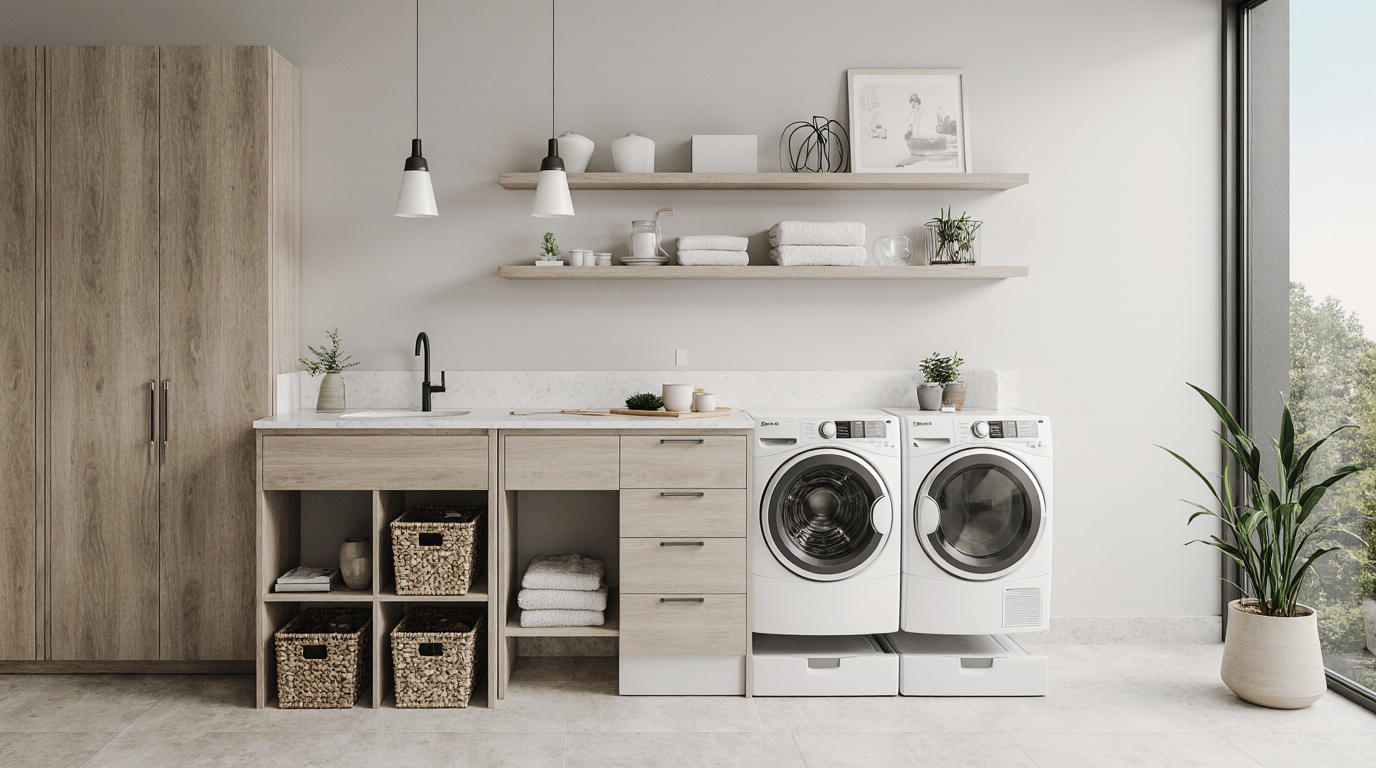
Closet layout significantly impacts both convenience and productivity. For instance, positioning the washer and dryer side by side creates a continuous work surface, ideal for folding clothes immediately after washing. Stacked washers and dryers offer space-saving benefits, opening the possibility for vertical storage or integrated ironing solutions. Experts frequently advise hidden laundry hampers to streamline workflow and minimize visible clutter. Concealed hampers ensure dirty laundry stays out of sight, enhancing both tidiness and visual appeal. Custom cabinetry can be tailored to the exact dimensions of your appliances, ensuring every inch of the closet is utilized effectively without wasted space.
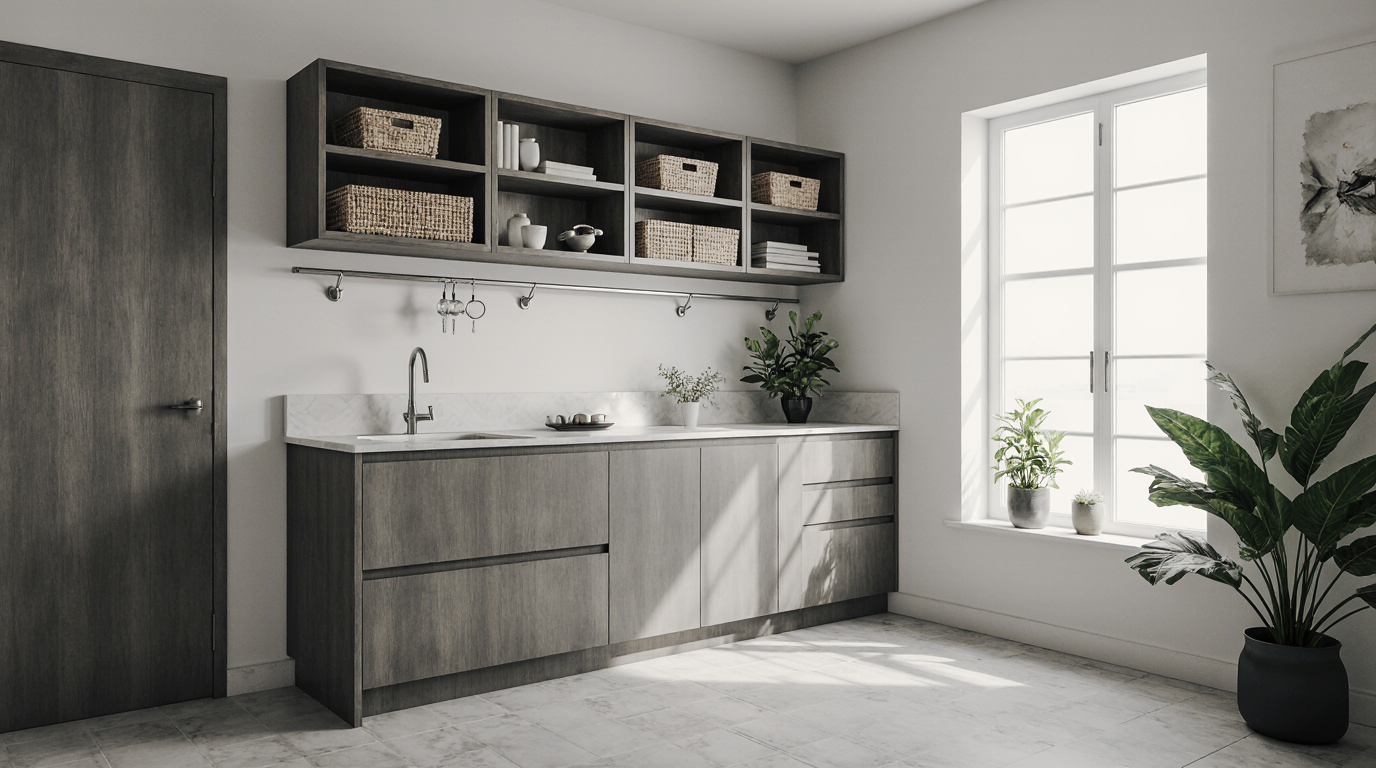
A versatile countertop enhances both utility and style in a laundry closet. A durable surface above the washer and dryer can serve as a folding station, a temporary workspace for treating stains, or even a spot for sorting laundry into categories. Materials like quartz or laminate are particularly recommended for their resistance to moisture and stains, ensuring longevity even in a high-use environment. Incorporating a sink within the counter allows for pre-wash tasks, hand cleaning, or soaking delicate items with ease. Proper lighting is essential in making the closet both functional and inviting. LED strip lighting under shelves or above counters ensures visibility in every corner, reducing errors like missing socks or misplaced detergent, while also highlighting the design elements of the cabinetry.
Storage solutions in a laundry room closet can be both creative and highly effective. Pull-down rods optimize vertical space, allowing delicate clothing to hang straight from appliances. Wire baskets or clear bins offer visibility of contents, making it easy to access cleaning supplies or seasonal linens. Sliding or folding panels hide mess without disrupting the aesthetic flow. Even small spaces can benefit from hidden compartments, magnetic strips for small tools like lint removers or sewing kits, and hooks for hanging mops or brooms. Mixing exposed and concealed storage achieves both functionality and elegance.
Choosing colors and materials strategically enhances both style and practicality. Pale hues expand visual space, while deep shades provide richness and elegance. Many designers recommend moisture-resistant finishes to prevent warping or damage due to high humidity levels common in laundry areas. Textural elements bring warmth and continuity between rooms. Additionally, integrating decorative elements like backsplash tiles or patterned flooring enhances the visual appeal without interfering with the functionality of the closet. Stylish hardware, including handles and knobs, can also make a significant impact, contributing to a cohesive and modern look that elevates the overall design.
Designing for ergonomics enhances usability and comfort. Installing sliding drawers at waist level prevents unnecessary bending, while adjustable shelving ensures items are always within easy reach. Folding stations positioned near the appliances reduce steps and increase productivity, turning laundry tasks into a more manageable routine. Retractable ironing solutions merge functionality with minimalist design. Proper airflow preserves materials, prevents odor, and maintains comfort. Ventilation systems such as fans or louvers promote circulation while remaining unobtrusive.
Smart systems streamline laundry processes while enhancing convenience. Smart laundry units provide control, customization, and convenience via mobile interfaces. Automation in lighting and water control improves efficiency and ease of use. Intelligent storage solutions keep supplies organized, labeled, and accessible. Merging technology with bespoke layout planning produces a cutting-edge, efficient, and personalized laundry closet.
Achieving cohesion with surrounding spaces involves strategic design choices and material selection. Careful alignment of textures, colors, and styles preserves a consistent interior flow. Mixing open and closed storage balances display opportunities with practicality. Many designers also incorporate mirrors or glass panels to create the illusion of additional space and light. Choosing resilient floors ensures longevity, ease of cleaning, and design harmony.
Ultimately, a thoughtfully designed laundry room closet goes beyond mere storage; it transforms a mundane task into an organized, aesthetically pleasing experience. By combining custom cabinetry, smart layout planning, high-quality materials, and innovative storage solutions, homeowners can create a space that is both functional and inviting. Smart utilization of height, multi-use surfaces, concealed storage, and task lighting guarantees function meets aesthetics. Incorporating technology and modern appliances adds convenience and efficiency, while careful attention to color, materials, and finishes elevates the design to a professional standard. Ultimately, this methodology produces an organized, elegant, and user-friendly laundry closet that enhances the daily routine.