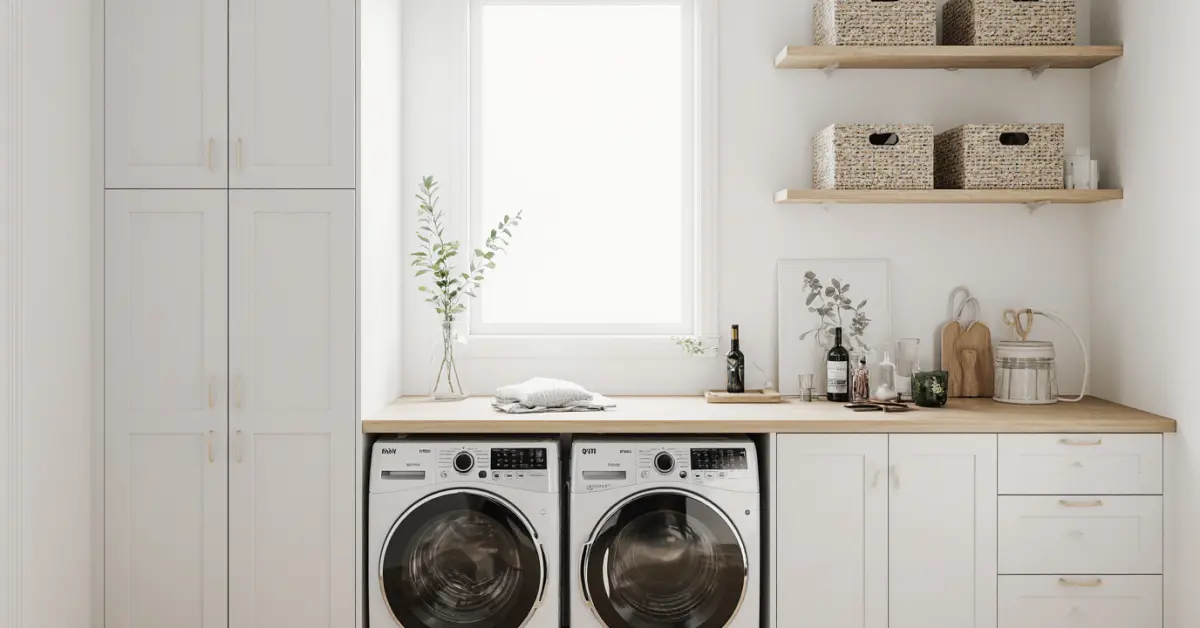
Executive Summary: Laundry Room Design in Sarasota
From years of executing laundry remodels in Sarasota, I can state that the primary failure point is not aesthetics or
From years of executing laundry remodels in Sarasota, I can state that the primary failure point is not aesthetics or layout, but a fundamental misunderstanding of our coastal environment. A laundry room here is a controlled environment that must actively manage heat, extreme humidity, and potential salt air intrusion. Success hinges on creating a sealed, properly ventilated envelope with materials that won't degrade, warp, or foster mold growth. Without this technical foundation, even the most beautiful design is destined for a premature and costly failure.
- Material Specification: Prioritizing marine-grade plywood or solid polymer cabinetry over standard MDF is non-negotiable.
- Ventilation Engineering: A properly sealed, insulated, and short-run dryer vent path is more critical than the appliance itself.
- Waterproofing and Containment: Proper floor slope, a concealed drain, and waterproof membrane behind the washer are essential insurance.
- Code and HOA Compliance: Navigating specific Sarasota County codes for ventilation and the stringent design review boards of communities like Lakewood Ranch is a core project requirement.
The Planning Failures That Compromise Sarasota Laundry Rooms
The most significant mistakes happen before a single tool is picked up. They stem from treating a Sarasota laundry project like one in a dry, northern climate. The assumption that standard building practices are sufficient leads to chronic issues with air quality and material decay.
One common oversight is ignoring the HVAC load. A dryer running in a tight, unconditioned laundry closet on a humid August day creates a pocket of super-heated, moisture-laden air. This air, if not properly exhausted, will find its way into wall cavities and adjacent rooms, creating a perfect environment for mold that goes undetected for years.
The Ventilation Blunder That Costs Thousands
The single most expensive failure I see is improper dryer vent routing. In many condo remodels, especially in older buildings along Gulf Stream Avenue, contractors take the path of least resistance, running long, flexible foil ducts through ceilings with multiple bends. This is a code violation and a fire hazard that also cripples dryer efficiency and pumps moist, lint-filled air into your home's structure. The fix isn't cheap; it often involves opening up finished ceilings and walls, costing upwards of $2,500 to correct a mistake that should have been avoided in the initial design.
How a High-Performance Laundry Remodel Works in Practice
A successful laundry remodel in this climate is a technical execution, not just a decorative one. The process starts with a full assessment of the existing space's environmental weaknesses, including air sealing, insulation, and the current state of ventilation ductwork. We plan the project around performance first.
The first phase involves demolition and what I call “envelope preparation.” This means sealing all air leaks in the drywall, insulating walls shared with hot garages or exterior walls, and installing a waterproof membrane on the floor and up the walls behind the appliances. Only then do we address the mechanicals, ensuring the dryer vent has the shortest, most direct path outside, using rigid metal ducting, and installing a high-CFM, humidity-sensing exhaust fan. All this happens before any cabinetry or finishes are even ordered.
Selection Criteria for a Sarasota Project
- Demonstrated Experience with Coastal Conditions: Ask for project examples on Siesta Key or Lido Key and inquire specifically about how they mitigated salt air and humidity in those builds.
- Understanding of Sarasota County Permitting: The contractor must be familiar with the specific mechanical and plumbing permit requirements for laundry relocations or significant alterations, which are handled by the Sarasota County Building Department.
- In-House or Established Waterproofing Expertise: Verify their method for creating a waterproof “pan” in a second-floor laundry room. Ask them what specific membrane system they use, such as Schluter-KERDI or a similar product.
- HOA and Condo Board Navigation: They need a documented process for submitting design plans and work schedules to demanding associations, common in downtown condos and master-planned communities.
Comparing Cabinetry Options for a Humid Climate
The choice of cabinetry is where many homeowners, guided by aesthetics alone, make a long-term financial mistake. In Sarasota's humidity, the wrong core material will swell, delaminate, and fail, regardless of how beautiful the finish is. The cabinet box construction is far more important than the door style.
| Material | Humidity & Warp Resistance | Cost Index | Typical Lifespan in Coastal FL |
|---|---|---|---|
| Standard MDF/Particleboard | Poor | Base | 3-7 Years |
| Marine-Grade Plywood | Excellent | +30-40% | 20+ Years |
| Solid Polymer (HDPE) | Exceptional (Waterproof) | +50-70% | Lifetime |
When a Full Custom Laundry Remodel Is a Bad Fit
This approach is not the right choice if your primary goal is a quick, cosmetic flip. A high-performance laundry remodel is an investment in the home's infrastructure. If you plan to sell the property in under two years, the significant upfront cost of marine-grade materials and proper ventilation engineering is unlikely to be fully recouped in the sale price. In that scenario, a more modest refresh with moisture-resistant paint and basic, replaceable cabinetry is a more financially sound decision.
Safe Hiring Checklist for Your Laundry Project
Vetting a contractor for this specific job in Sarasota requires looking beyond a standard portfolio. You are hiring for technical expertise in moisture management as much as for craftsmanship.
- Verify their Florida Certified General Contractor license is active and in good standing on the state's DBPR portal.
- Request proof of both General Liability and Workers' Compensation insurance specific to the state of Florida.
- Ask for a project reference in a building or community with a notoriously strict HOA, like those on Longboat Key, to gauge their experience with compliance.
- Review their contract to ensure it explicitly states the use of mold-resistant drywall and specific materials like marine-grade plywood for cabinetry.
- Confirm their process for containing dust and debris, a critical factor in occupied condos and homes.
- Inquire about their dryer vent cleaning and verification process post-installation to ensure it meets code and manufacturer specifications.
- Discuss their warranty specifically as it relates to material failure from humidity or moisture.
The Decisions That Determine the Final Outcome
I've observed that the success of a laundry room project is locked in by two key decisions made at the very beginning. The first is allocating a sufficient portion of the budget to what's behind the walls: insulation, waterproofing, and ventilation. The second is committing to the right materials, even when they cost more.
A client in a Bird Key waterfront home provides a clear example. They were weighing a beautiful but standard semi-custom cabinet line against our recommendation for custom-built, marine-grade plywood boxes. The price difference was about $4,000 on a $25,000 project. They initially hesitated, but after I showed them photos of a failed MDF laundry room from a nearby home, they understood. Their decision to invest in the marine-grade core means their laundry room will look and function perfectly in 15 years, while the alternative would likely have required replacement within seven.
The Exact Moment Most Homeowners Get It Wrong
The critical mistake happens when a homeowner receives quotes and compares them based on the final price without questioning the underlying material specifications. They choose the cheaper quote assuming “custom cabinets” are all the same. They are not. The moment you approve a design that specifies standard particleboard or MDF for a laundry room in this climate, you have locked in a future failure. The right approach is to demand that all quotes break out the cost and explicit specification of the cabinet box material, so you are comparing apples to apples.
Practical Answers About Laundry Projects in Sarasota
Navigating a remodel here involves specific local hurdles. Understanding them upfront prevents delays and budget overruns that are common in our area.
How do HOA Design Reviews Impact the Timeline?
In communities like The Founders Club or in downtown high-rises, the Architectural Review Committee (ARC) or condo board approval is a formal step that can add 30 to 60 days to your project timeline before any work begins. They will review everything from material finishes and paint colors to the contractor's insurance and work hours. Submitting an incomplete package can reset this clock, so a detailed, professional submission is paramount.
What Florida Building Code Sections Apply to Laundry Ventilation?
The Florida Building Code, Mechanical Section 504, specifically governs dryer exhaust systems. It mandates rigid metal ducting, limits the total length (typically to 35 feet, reduced for each 90-degree bend), and requires a specific type of exterior termination hood. Using flexible foil ducting in concealed spaces is a direct violation that a city inspector from the Sarasota Building Department will flag, forcing a costly tear-out and rework.
Are There Special Requirements for Second-Floor Laundry Rooms?
Yes, and they are critical for preventing catastrophic water damage. While not always mandated by code unless it's a new build, best practice and most insurance policies for high-value homes require a waterproof pan with a dedicated drain line for any second-floor laundry installation. We go a step further, applying a full liquid or sheet waterproofing membrane across the entire floor and six inches up the walls, creating a contained “wet room” to protect the structure below.