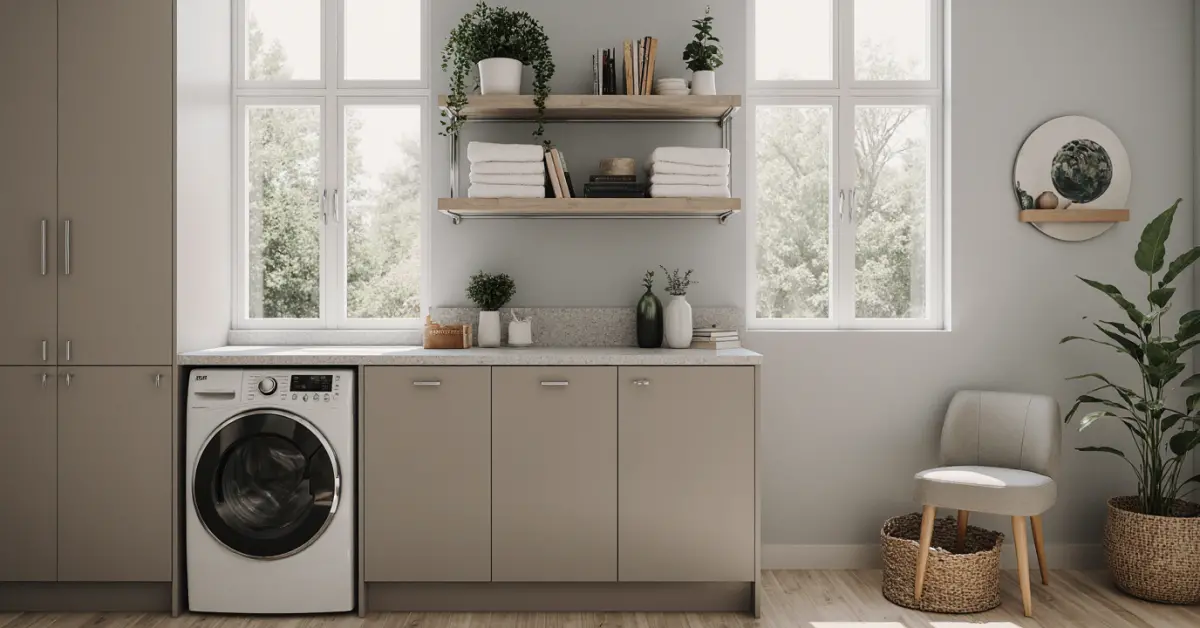
Executive Summary: Laundry Room Design in Sarasota
From my 15 years designing and building spaces in coastal Florida cities, I can tell you that a successful laundry room
From my 15 years designing and building spaces in coastal Florida cities, I can tell you that a successful laundry room in Sarasota hinges on one factor above all others: proactive moisture management integrated into the design from day one. We're not just decorating; we are engineering a small, high-humidity environment to resist mold, mildew, and material degradation. Aesthetics are important, but they are secondary to performance in this climate. Ignoring this leads to warped cabinetry, peeling paint, and musty odors that no amount of decor can hide.
- Ventilation is non-negotiable: Proper, direct-to-exterior dryer venting and an independent exhaust fan are critical to comply with the Florida Building Code and prevent moisture buildup.
- Material selection is key: Marine-grade plywood or high-density polymer materials for cabinetry are superior to standard MDF, which will swell and fail in our humid air.
- HOA pre-approval is a timeline bottleneck: In communities like Lakewood Ranch or on Longboat Key, design review can add 30-60 days to your project before any work begins.
- Space optimization is a priority: Many Sarasota condos feature small laundry closets, making stacked units and smart, built-in storage solutions essential for functionality.
The Planning Failures That Haunt Sarasota Laundry Rooms
The most common missteps I see in Sarasota laundry room projects stem from treating them as an afterthought. Clients focus on tile and paint colors while overlooking the fundamental environmental challenges of our area. This oversight doesn't just compromise the look; it creates ongoing maintenance problems and can even impact indoor air quality.
A frequent error is underestimating the corrosive effect of the salt-laden air, especially in homes west of the Trail or on the keys. Standard metal hardware, light fixtures, and even appliance casings will show rust and pitting far sooner than they would inland. Specifying stainless steel or powder-coated fixtures is not an upgrade here; it's a baseline requirement for longevity.
The Most Expensive Failure: Ignoring Sub-Slab Moisture
The costliest mistake I’ve encountered is failing to address potential moisture intrusion from the concrete slab, particularly in older, ground-floor condos or ranch homes. A client in a historic Gillespie Park home wanted a beautiful, tiled laundry room. The contractor laid the tile directly on the old slab without a moisture barrier. Within 18 months, the grout was discolored, a musty smell was pervasive, and the base of the custom cabinets was showing water damage. The entire room had to be gutted, a proper vapor barrier installed, and the custom millwork rebuilt—doubling the project's original cost and causing immense frustration.
How a High-Performance Laundry Project Unfolds in Practice
A properly executed laundry room renovation in Sarasota is a multi-stage process that balances design, code compliance, and material science. It begins not with a mood board, but with an assessment of the existing conditions: ventilation pathways, plumbing, electrical capacity, and potential moisture issues. This diagnostic phase dictates the entire scope of work.
Once a plan is established, the process involves securing permits if plumbing or electrical is moved, followed by demolition. Then comes the critical waterproofing and ventilation work. Only after this foundation is correctly laid do we move on to installing cabinetry, flooring, countertops, and appliances. The final step is a thorough inspection to ensure all systems are functioning correctly, especially the exhaust systems.
Selection Criteria for a Sarasota Laundry Space
- Cabinetry Material: Insist on seeing samples of marine-grade plywood or solid polymer cabinets. Avoid standard particle board or MDF, which are highly susceptible to swelling in non-air-conditioned spaces.
- Ventilation Plan: The plan must show a dedicated, rigid-duct exhaust for the dryer vented directly outside, not into an attic or garage. An additional humidity-sensing exhaust fan is a wise investment.
- Flooring Choice: Select porcelain tile or luxury vinyl tile (LVT). Both are impervious to water and easy to clean. Avoid porous natural stone or hardwood, which can stain or warp.
- HOA Compliance Documentation: Before signing a contract, ensure your designer or builder has experience preparing submission packages for Sarasota-area HOAs and can show examples.
Comparing Material Approaches for a Sarasota Laundry Room
The choice of core materials for your cabinetry is the single most important decision for ensuring the longevity of your laundry room investment. While standard materials offered by big-box stores may seem cost-effective initially, they often lead to premature failure and replacement in our coastal environment.
The table below compares the three most common options. The long-term performance difference, in my direct observation, is stark. Homeowners who opt for MDF-based cabinets often call for repairs or replacements within 5-7 years, whereas a marine-grade plywood installation can easily last for decades with minimal maintenance.
When a Full Custom Renovation Isn't the Right Choice
A complete custom laundry renovation is not always the best path. If you are in a rental property, planning to sell the home within one to two years, or have a very limited budget, the return on investment may not justify the expense. In these cases, focusing on a laundry makeover with improved ventilation, fresh paint with a mildew-resistant additive, and freestanding storage solutions can provide a significant functional and aesthetic upgrade for a fraction of the cost.
| Indicator | Standard MDF/Particle Board | Plywood (Standard Grade) | Marine-Grade Plywood or Polymer |
|---|---|---|---|
| Humidity Resistance | Poor - Swells and delaminates | Fair - Can warp over time | Excellent - Stable and water-resistant |
| Typical Upfront Cost | Low | Moderate | High |
| Observed Lifespan in Sarasota | 3-7 years | 8-15 years | 20+ years |
| Best Use Case | Quick flips or low-use areas | Budget-conscious inland homes | Waterfront, luxury, or long-term homes |
Safe Hiring Checklist for Your Project
Hiring the right team is critical. A general contractor or designer without specific experience in Florida's coastal conditions can inadvertently specify materials and methods that are doomed to fail. Use this checklist to vet potential partners for your Sarasota laundry project.
- Verify their Florida state license is active and they carry both general liability and worker's compensation insurance.
- Ask for at least two references from recent laundry or bathroom projects located in Sarasota County, preferably near the water.
- Request a detailed breakdown of the materials to be used for cabinet boxes, doors, and hardware. Vague terms like “wood cabinets” are a red flag.
- Confirm their process for handling HOA design review and architectural modification applications, especially in deed-restricted communities.
- Discuss their approach to ventilation and ask how they ensure compliance with the latest Florida Building Code requirements for mechanical exhaust.
- Ensure the contract includes a clear statement on how unforeseen moisture or mold issues discovered during demolition will be handled.
- Ask about their material sourcing. Do they have established relationships with local suppliers who stock marine-grade and corrosion-resistant products?
Decisions That Determine the Final Outcome
Two laundry rooms can start with the same budget and layout but end up with vastly different levels of quality and durability. The difference almost always comes down to a few key decisions made early in the process. The first is prioritizing the budget for what's behind the walls—the ventilation, the waterproofing, the right drywall—over purely cosmetic finishes.
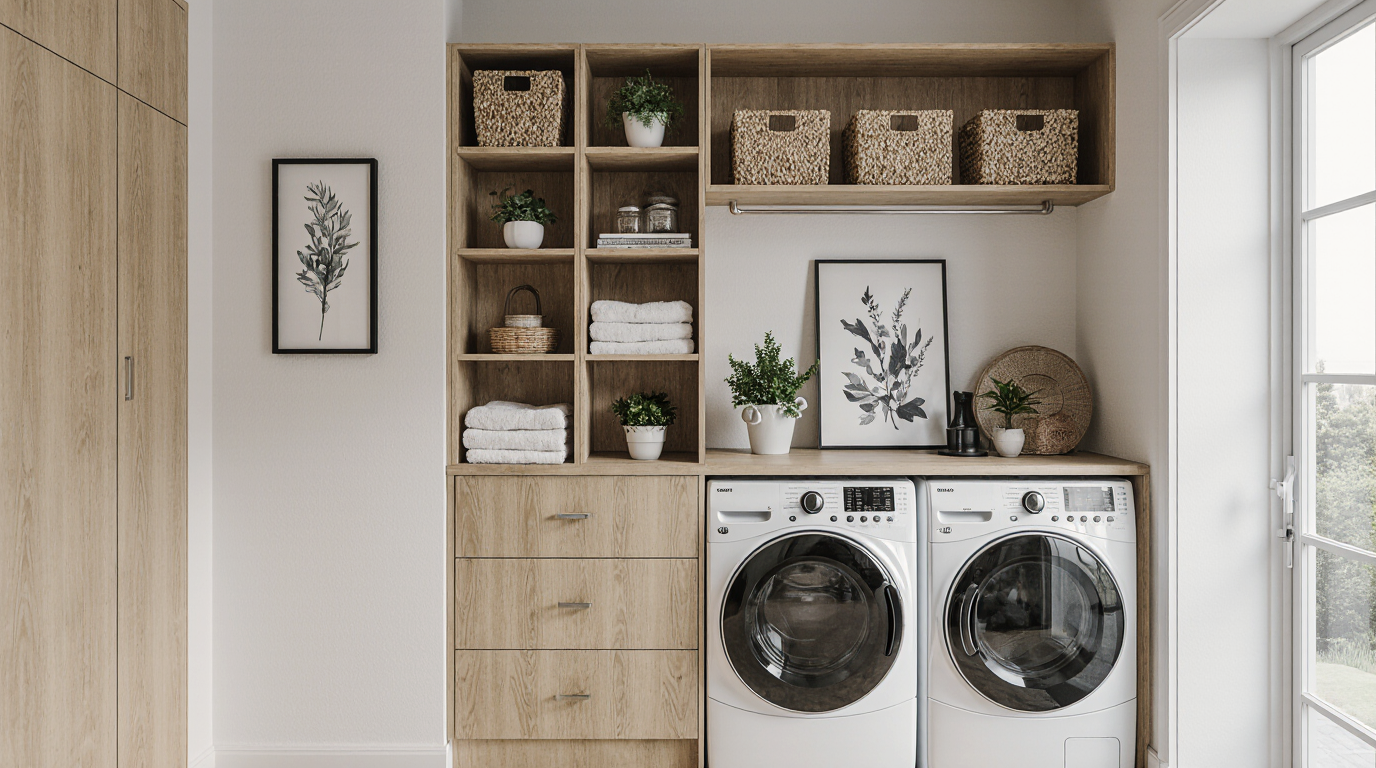
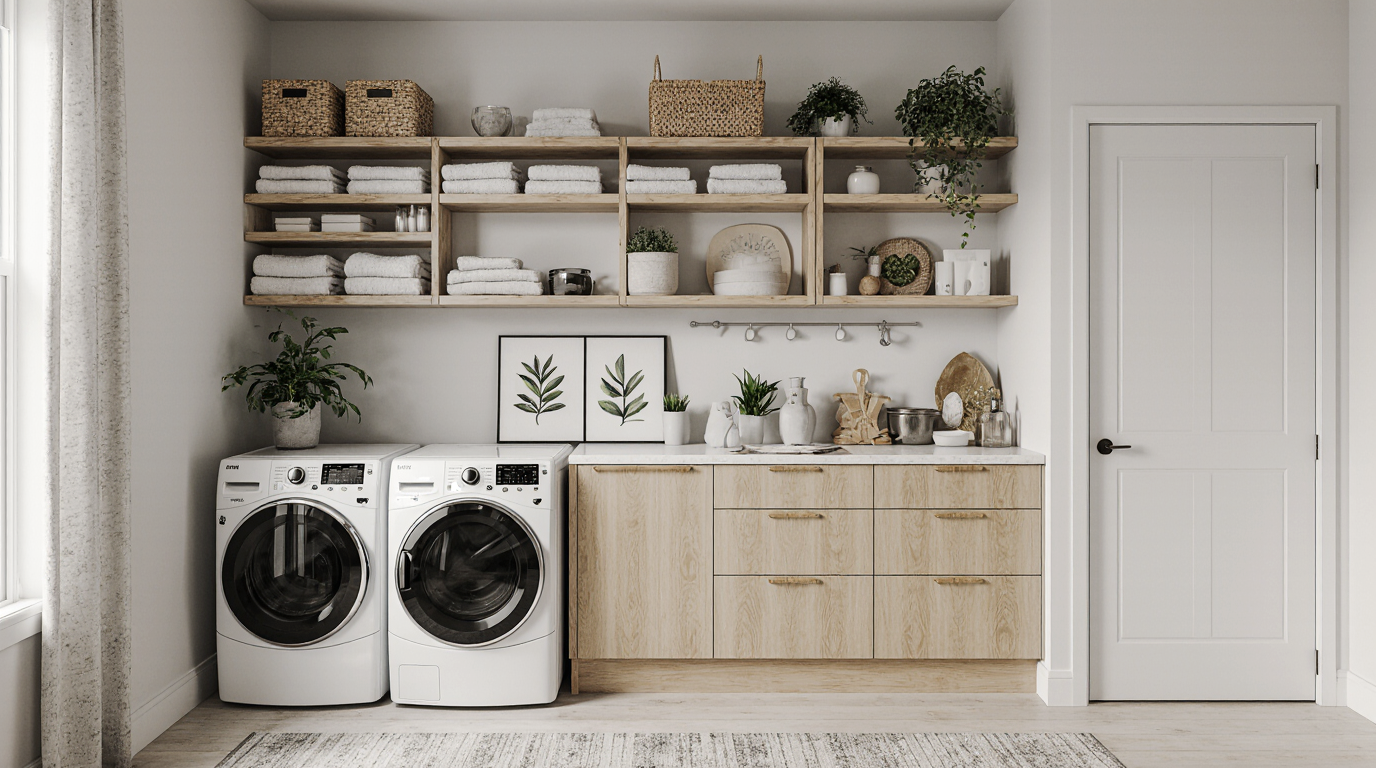
Another critical decision I've seen clients struggle with is the choice between stacked versus side-by-side washer/dryer units. In a tight laundry closet, stacking is often the only option. But if space allows, a side-by-side configuration provides a large, continuous countertop for folding and sorting, which dramatically improves the room's day-to-day utility. This functional trade-off should be weighed carefully against the desire for more cabinet space.
The Exact Moment the Majority Gets It Wrong
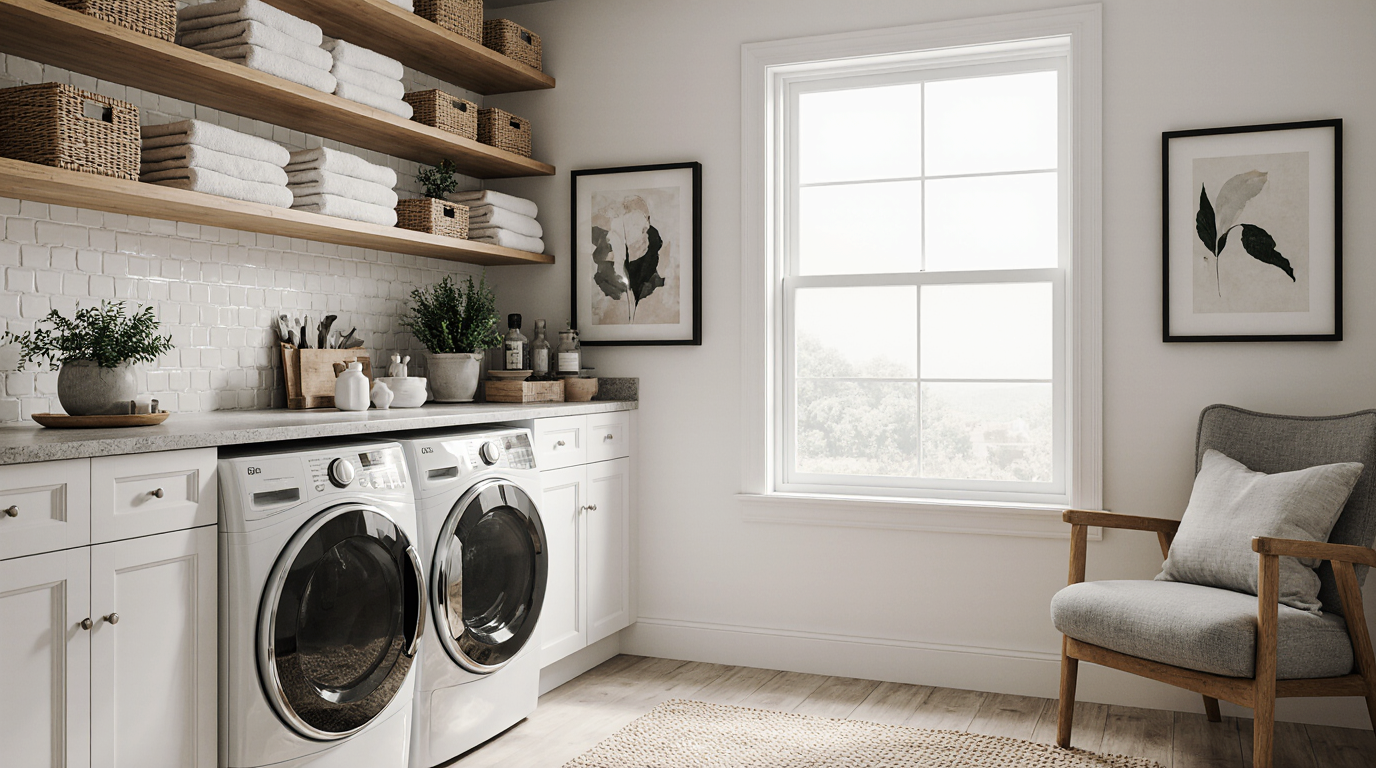
The most common strategic error happens right at the beginning: homeowners fall in love with a design aesthetic online and try to replicate it without adapting it for the Sarasota climate. They bring me a photo of a beautiful laundry room from a dry, northern climate featuring open wood shelving and shiplap walls. The critical mistake is locking onto a visual before understanding the technical constraints. My advice is to reverse the process: start by defining the performance requirements (moisture resistance, ventilation, durability) and then find an aesthetic that works within those non-negotiable parameters. This prevents disappointment and costly changes down the line.
Practical Answers About Operations in Sarasota
Navigating the local requirements is a key part of any successful renovation. These are not just bureaucratic hurdles; they are safeguards designed to ensure the safety and integrity of your home in our unique environment.
Understanding Sarasota County Permitting for Laundry Rooms
A permit from Sarasota County is generally not required for cosmetic updates like painting or replacing a faucet. However, if you are moving walls, altering plumbing supply or drain lines, or changing electrical wiring (like adding a new outlet), a permit is mandatory. The process involves submitting plans for review, which can take several weeks. Working without a required permit can result in fines and problems when you sell your home.
HOA Design Review Boards: The Unseen Gatekeeper
In communities from Palmer Ranch to The Meadows, the Homeowners Association (HOA) design review board has the final say on any exterior-facing modifications, which includes dryer vent placement. Even for interior work, many HOAs have rules about working hours, debris disposal, and material standards. Submitting a detailed plan early is crucial; I’ve seen projects delayed by two months because a simple form was not filed correctly with the management company.
Florida Building Code and Wind-Borne Debris Regions
While most of the focus is on interior moisture, if your laundry room has an exterior window or door and is located in a wind-borne debris region (common in Sarasota, especially on the keys), any replacement must be impact-rated. This adds to the cost but is a requirement of the Florida Building Code. Furthermore, any exterior vents must be properly flashed and sealed to prevent water intrusion during our intense rainstorms.