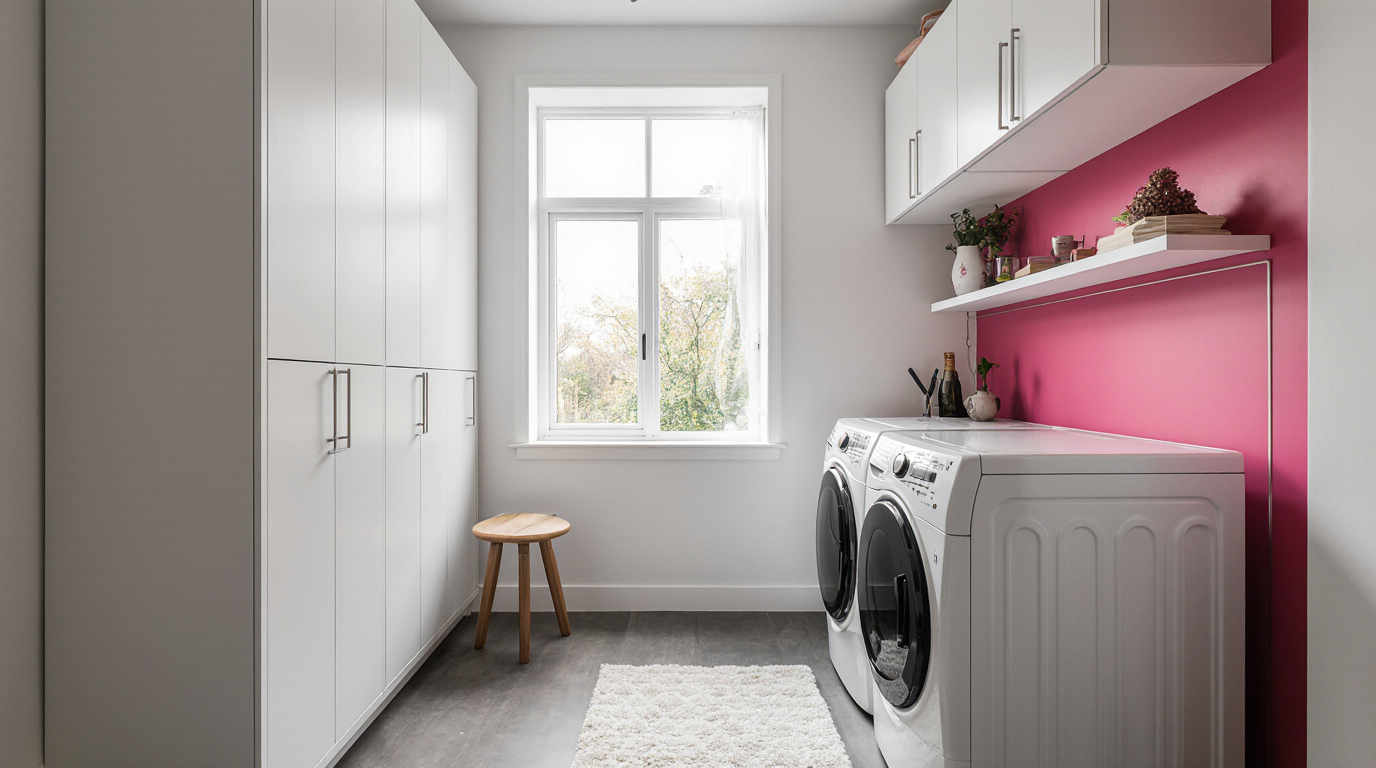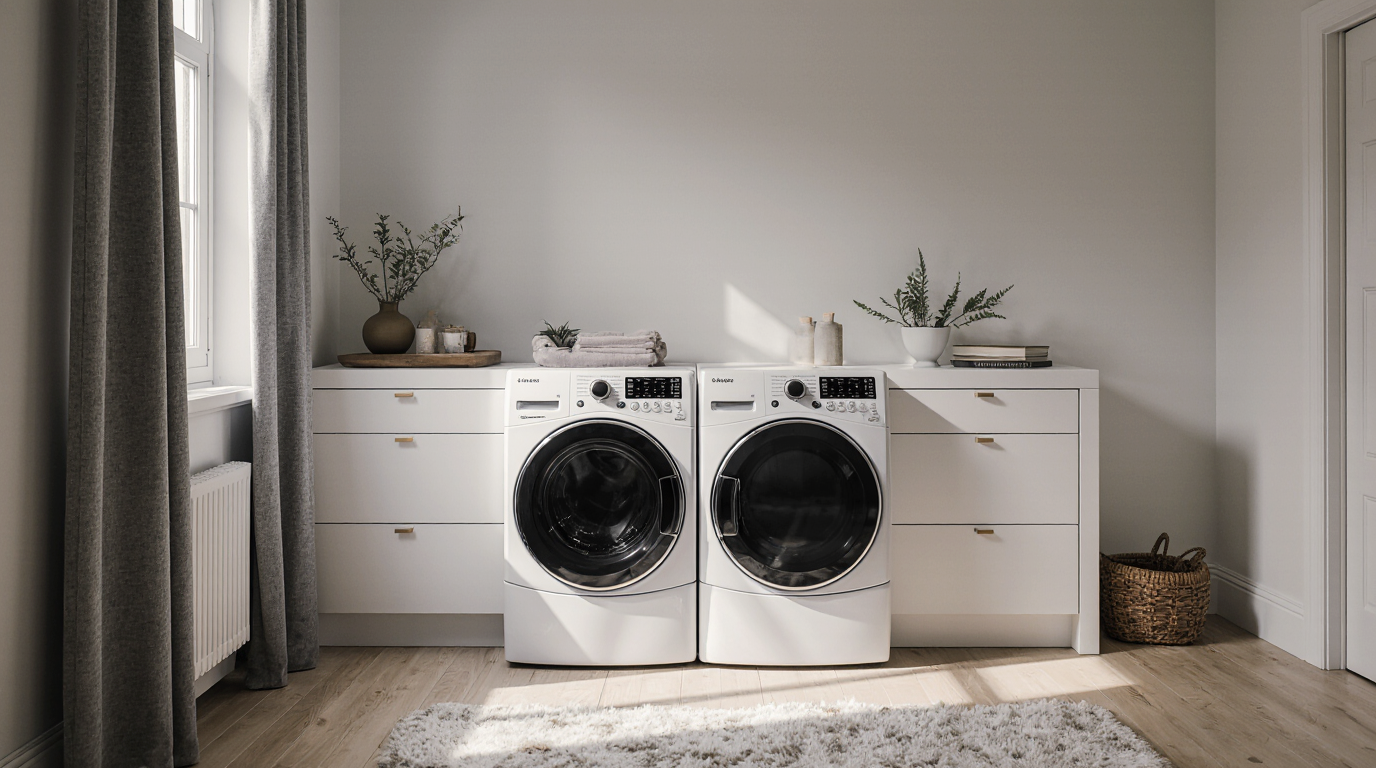
The modern utility space has become much more than a mere chore spot; it is far removed from the basic utility closet housing noisy appliances. Today, it stands as a vital hub of the modern home, a room requiring careful structural consideration and sophisticated interior design. The goal for an upscale laundry area involves fusing ergonomic efficiency with luxurious visual appeal, making a routine chore feel like a genuinely enjoyable activity. This successful redesign depends on precise forethought, starting with the fundamentals of space utilization and the careful selection of premium materials.
A significant element that separates between a functional space and an elegant one is the commitment to custom cabinetry. Forget flimsy, off-the-shelf shelving; an upscale laundry area features floor-to-ceiling units crafted from premium solid woods or resilient, water-safe composite material with refined exterior coatings. Think deep, shaker-style doors, integrated pull-out hampers that conceal dirty linens until wash day, and specialized drawers designed to hold detergents, stain removers, and ironing accessories in an organized, dust-free manner. The hardware itself plays a crucial role in conveying luxury; specifying high-end accents in chrome, pewter, or oil-rubbed bronze adds an immediate layer of sophistication and richness.
The surface material choice represents a further opportunity where practicality intersects with visual appeal. While laminate is cost-effective, true elegance is achieved with solid surfaces such as engineered stone, natural slate, or polished concrete, provided they are correctly protected from inevitable splashes and spills. Such premium materials ensure longevity, are simple to maintain, and provide an expansive, uninterrupted plane for folding clothes—a major factor in a user-friendly layout. A large, recessed wash-up sink, perhaps featuring a high-arc, commercial-style faucet in a harmonizing metallic accent, contributes to a sense of competent design while maintaining a clean, streamlined look.
Lighting design is frequently underestimated but is essential for task performance and mood creation. A sophisticated wash area rejects the outdated idea of one central, bright light. Rather, the design employs a combination of light sources. This commences with primary, neutral-spectrum ambient lighting to ensure true color representation when sorting whites and colors. This is supplemented by under-cabinet LED strip lighting to illuminate the folding surface evenly, eliminating shadows. For a touch of visual drama, think about suspending an elegant mini-chandelier over the utility area, allowing it to serve as a stylish accessory.
The flooring decision shapes the foundational aesthetic of the space. While practical considerations like water resistance are paramount, the visual contribution must be carefully managed. Oversized ceramic planks designed to replicate the texture of quarry stone or dark wood, often in water-resistant engineered forms, offer a clean, continuous flow across the floor. For homeowners seeking a more artisanal touch, patterned cement tiles offer a bold, Mediterranean or Art Deco flair that transforms the space into a visual destination. The seams must be discreetly sized or perfectly tinted to the surface material to maintain visual continuity.
The seamless incorporation of machinery defines contemporary luxury. Rather than having freestanding machines dominate the visual field, ensure they are enclosed by paneling that suggests an integrated cabinet piece. To achieve the highest level of refinement, think about vertically orienting the washer and dryer when floor area is limited, or selecting contemporary, eye-level models installed in a linear formation. The trend toward smart appliances that offer app-controlled cycles and energy monitoring adds significantly more than mere ease of use but also to a highly managed, efficient utility area.
Utilize the upward dimension to boost capacity. Going further than conventional overhead units, incorporate features like a sliding drying rack that drops down from the ceiling when needed and disappears seamlessly when folded away. Dedicated hanging rods beneath upper cabinets allow for immediate hanging of delicate items or shirts straight from the steam cycle, reducing the likelihood of creases and the time spent pressing—a noticeable enhancement to the chore process. For miscellaneous goods, tailored inserts for organizing small accessories and supplies add that final layer of organizational mastery.
The atmosphere of an elegant laundry room should promote a sense of calm, not chaos. This is accomplished by selecting a well-thought-out range of tones. Subtle beiges, gentle taupes, pale greens, or rich navy shades provide a backdrop of understated luxury. Pops of color and texture may come from fabric choices, such as a patterned runner rug made of durable, low-pile material, or through the addition of beautiful storage vessels using bamboo, rope, or woven wood. These elements soften the hard lines of the machinery and cabinetry, infusing the space with material variety and a sense of peaceful escape.
Always pay attention to the finishing elements that make the room unique and celebrate its use without appearing purely industrial. A compact, fold-down pressing board discreetly hidden in a custom drawer or a dedicated, ventilated area for storing an upright garment steamer demonstrates a focus on comprehensive functionality. The inclusion of small, beautiful objects—a framed print, a luxury scented candle, or a delicate arrangement of real or artificial flowers—indicates that the space has been styled with the same care as the main residential zones. This holistic approach, which merges functional engineering with high-level finishing, provides the method for designing a wash area that leaves a lasting impression that acts as a valuable and functional extension of the property.