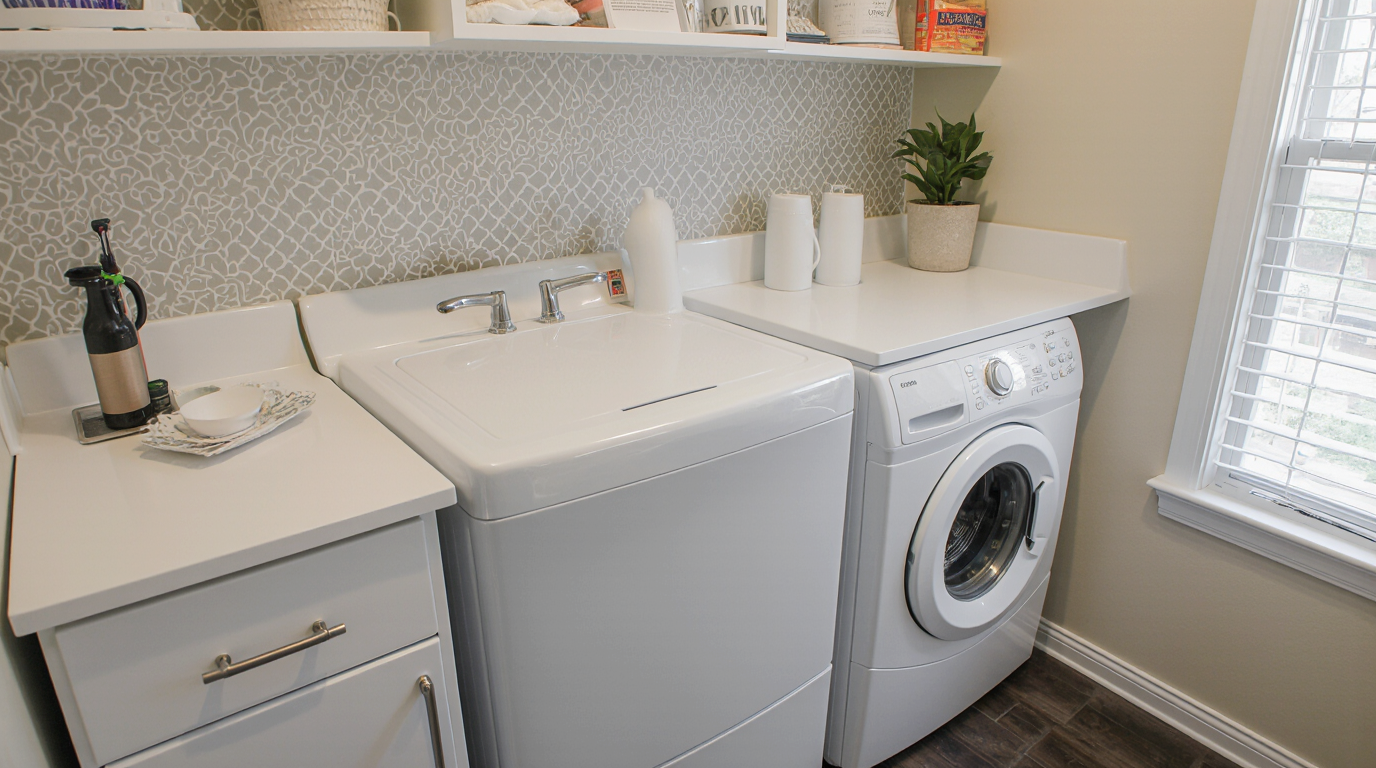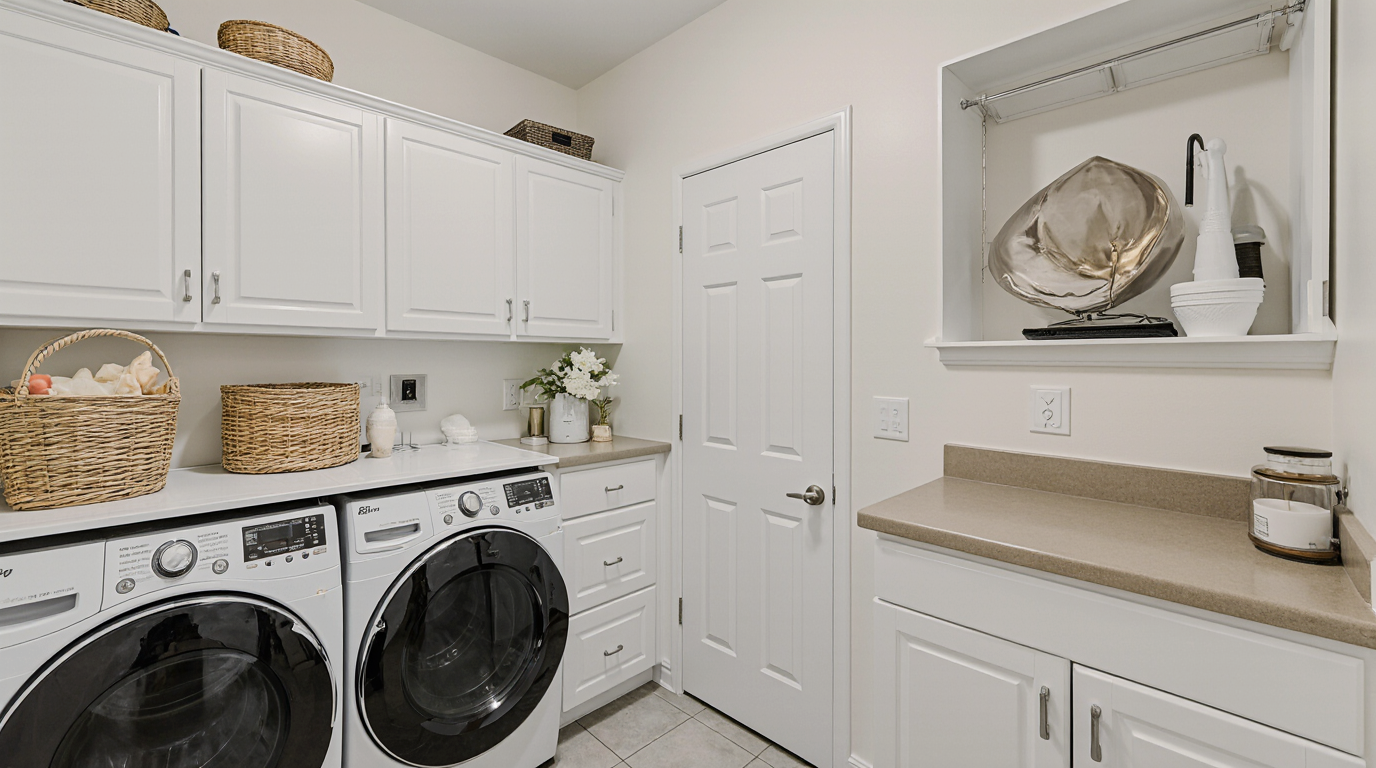
The laundry room, which used to be little more than a service closet, has undergone a major aesthetic upgrade. It is currently seen as a key, highly utilized area, a place where the practicality of washing and folding can be enjoyed in a beautiful setting. Central to this evolution is the laundry room countertop. It is more than just a slab of material; it is the primary work surface, the initial zone for organizational tasks, the impromptu folding station, and, critically, a significant element defining the room’s look and feel. To create a countertop that is both exceptionally useful and visually appealing, careful consideration must be given to both its base material and its adornment.
The foundation of any successful counter design is the chosen substrate. In the demanding environment of a laundry space, materials must demonstrate superior toughness to withstand accidental spills, continuous use, and heavy containers. Quartz has emerged as a top-tier contender for contemporary utility spaces. This durable product mimics the beauty of stone like granite while simplifying the necessary care regime. The material's impermeability offers a clear edge, ensuring it remains unstained by accidental chemical exposure, and it requires no regular sealing maintenance, which is ideal for a frequently utilized surface. The consistent performance and longevity of quartz make it a smart investment, often lauded by design experts for offering luxury aesthetics with minimal upkeep.
For those seeking a warmer, more organic feel, butcher block provides an instantly inviting and softer counter option. Wood countertops, particularly hardwoods like maple or walnut, bring an undeniable warmth that softens the often sterile look of appliances and tile. Once adequately sealed with a protective oil or wax, requiring only simple periodic reapplication, they perform efficiently for daily laundry tasks. The key benefit of choosing butcher block is that it can be easily fixed; minor scratches or water rings can often be sanded out, restoring the surface. This material choice is highly suitable for styles like rustic chic, Shaker, or relaxed modernism, providing an attractive foil to sleek metal hardware or bright, clean cupboards. The careful integration of wood acts as a deliberate design choice, preventing the space from feeling purely institutional.
Other highly effective yet less commonly considered choices are solid surface composites, often made from acrylic resins, which offer a smooth, monolithic appearance thanks to their near-invisible joints, resulting in a flawless surface. For budget-conscious projects that still demand resilience, high-quality laminate has evolved dramatically, providing a surprising selection of textures, including excellent replicas of high-end materials, all while being far more affordable. The primary difference to note is its lower tolerance for direct heat and potential for surface damage versus quartz or granite.
Once the foundational material is selected, the true art of counter decor begins. The goal is to introduce visual interest and organization without sacrificing precious workspace. A smart styling approach is to think vertically. If the countertop spans the top of front-loading machines, that surface needs to stay open to allow for the smooth completion of laundry tasks. Therefore, decorative elements should be carefully chosen to be stable or easily relocated.
Let thoughtful storage solutions guide your decorative scheme. Avoid the visual clutter of commercial packaging by pouring essential liquids into elegant, uniform storage jars. Clear glass canisters filled with items like dryer balls, clothespins, or even colorful laundry pods become miniature sculptural elements. For a touch of higher-end appeal, use stylish pottery or brushed metal jars for those smaller, necessary tools. The colors and textures must complement the existing decor, whether that means using soft pastels for a serene space or deep jewel tones for a dramatic effect. The concept here is intentional display; every visible item must contribute positively to the room’s aesthetic.
Trays and catch-alls are indispensable tools for countertop control. A stylish, flat tray—maybe made of a handsome stone, a warm metal, or salvaged timber—is perfect for grouping essential tools such as lint brushes, collected pocket contents, or small specialty cleaners. This technique provides the necessary grouping that prevents small items from looking like clutter. If you require the full counter space for a big folding job, simply picking up the tray removes all the small objects at once, immediately creating a clear work area. This balance between active use and styled rest is the hallmark of expert design.
The area above the counter, often overlooked, plays a huge role in the perceived decor. The backsplash, if you have one, provides visual interest. A richly veined porcelain tile or a unique geometric pattern acts as a built-in piece of wall art that frames the horizontal surface below. If your setup allows for open shelving just above the counter, this provides a further chance for thoughtful styling. Fill these shelves with items that blend function and beauty—such as an antique weighing machine, soft nature-themed artwork suggesting freshness, or piles of colorful, unused washcloths for layered texture. This layering adds dimension and personality, transforming the area from a simple workstation to a thoughtfully designed service station.
For specialized tasks, consider the flexibility of mobile organizational units. A slim, rolling cart tucked beside the main counter run can hold overflow supplies or serve as a temporary iron rest. For pressing needs, simply wheel it into position to gain a temporary work area, then slide it back out of sight, freeing up your primary counter. This dynamic approach honors the reality of small-space living while ensuring that high-level aesthetic standards are maintained. The countertop is the stage; its decor sets the mood for an otherwise mundane chore, turning laundry day into an exercise in organized, beautiful efficiency. Achieving a perfect laundry room depends heavily on the planning, selection, and styling of this most important work area.