Laundry Room Closet Design: Innovative Ideas for a Functional and Stylish Space
Turning a laundry room closet into a highly functional yet visually appealing area is a meticulous process involving inventive storage ideas and thoughtful design principles. Optimizing a laundry closet enhances workflow while transforming routine chores into a more enjoyable and organized experience. Small or large, every laundry closet benefits from a design approach that merges practicality with a refined aesthetic. Smart utilization of vertical space is a cornerstone strategy in designing efficient and visually pleasing laundry closets. By using tall cabinetry, you can incorporate adjustable shelves, hidden storage, and hanging zones, making it simple to maintain order while storing various items. The use of adjustable shelving adds flexibility, allowing the closet to adapt to changing needs, whether it’s accommodating bulkier items or seasonal linens.
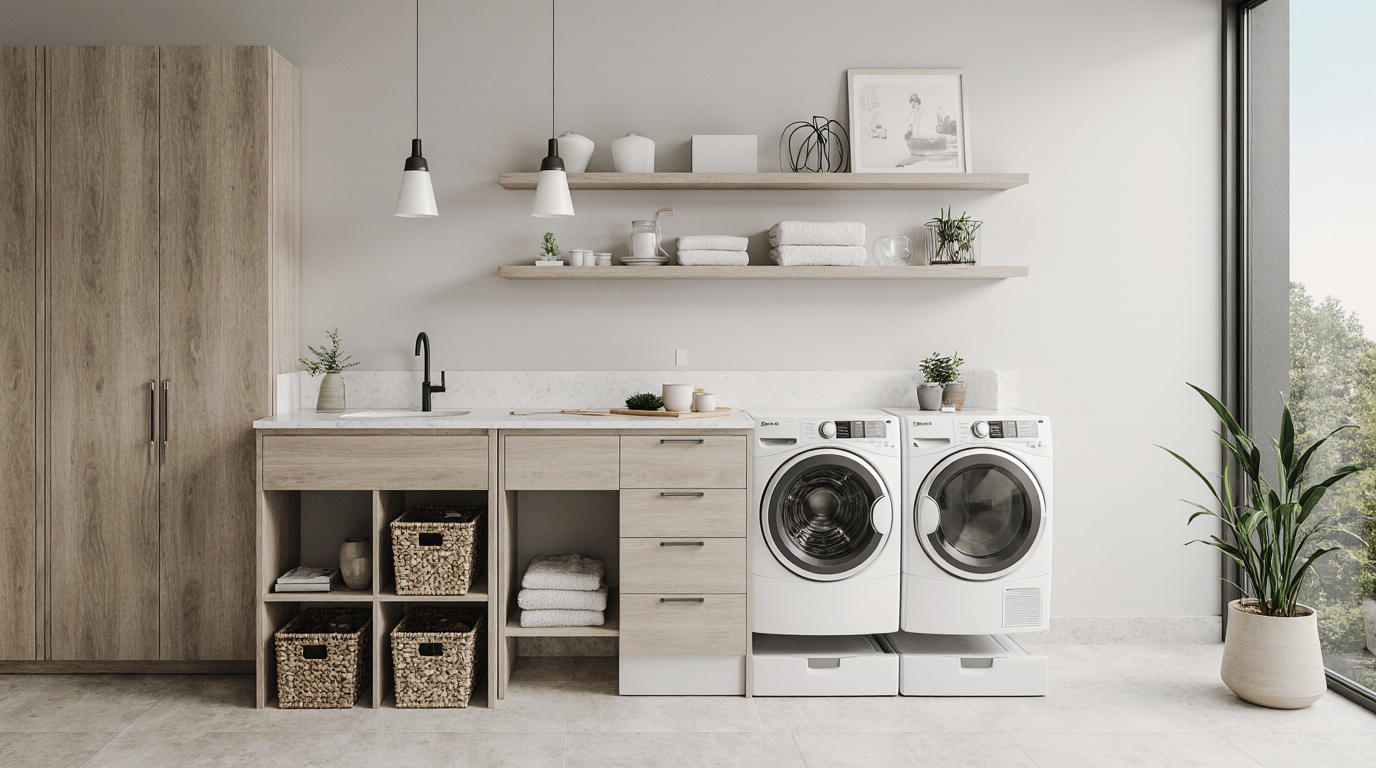
Strategically arranging a laundry closet can dramatically enhance its functionality. For instance, positioning the washer and dryer side by side creates a continuous work surface, ideal for folding clothes immediately after washing. On the other hand, stacking appliances is a smart solution for tight spaces, freeing up room for additional cabinetry or a built-in ironing station. Experts frequently advise hidden laundry hampers to streamline workflow and minimize visible clutter. Incorporating discrete pull-out bins allows for orderly storage while preserving a sleek and polished look. Bespoke cabinetry can perfectly fit your machines, maximizing storage and functionality without compromising design.
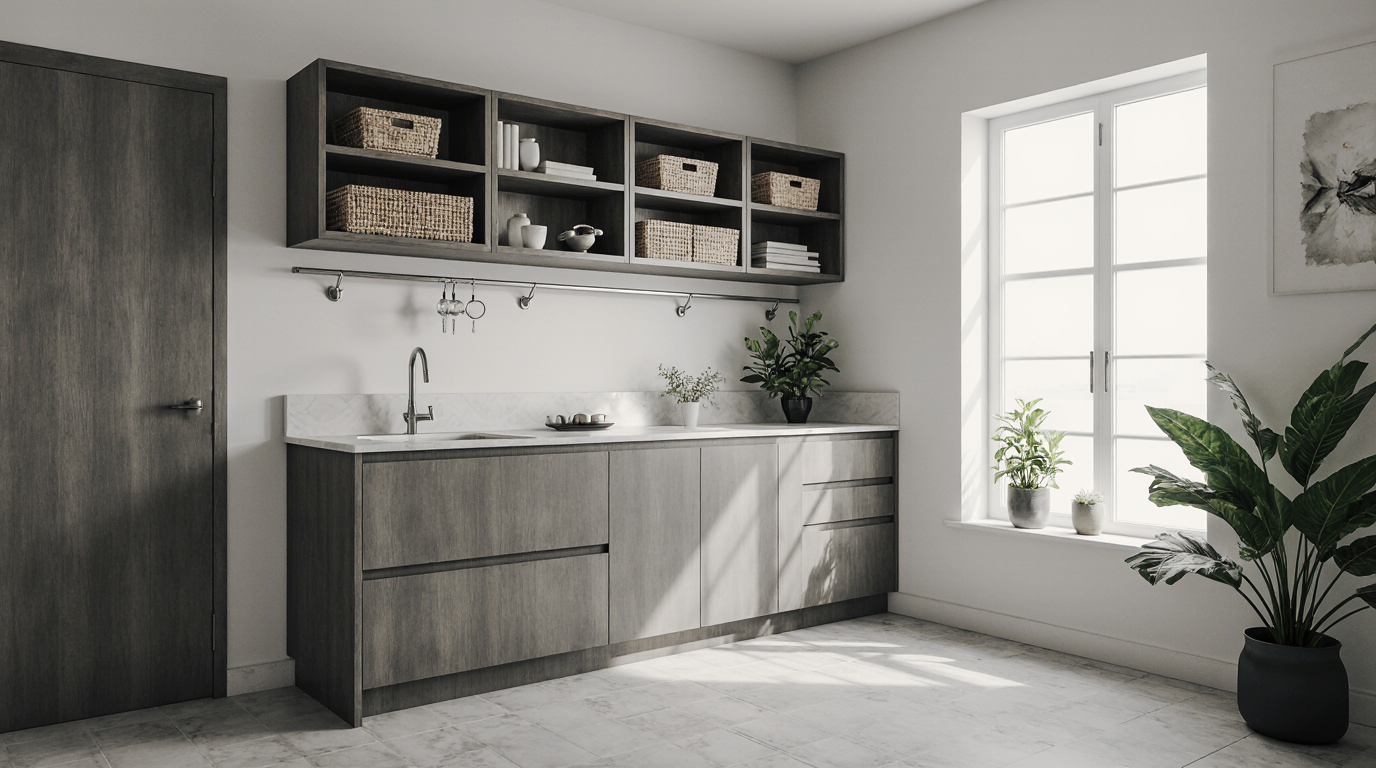
Adding a multi-use surface above appliances provides practical workspace and design cohesion. Such countertops double as folding areas, stain treatment stations, or organizational zones for sorting garments. Choosing moisture-resistant materials guarantees the countertop maintains its function and aesthetics despite heavy daily use. Some designs even integrate sinks into the countertop, allowing for hand washing delicate garments or pre-soaking items, which adds a layer of convenience for households that handle a variety of fabrics. Effective lighting solutions transform the laundry closet, highlighting design elements while improving task efficiency. LED strip lighting under shelves or above counters ensures visibility in every corner, reducing errors like missing socks or misplaced detergent, while also highlighting the design elements of the cabinetry.
Implementing inventive storage strategies enhances usability and elevates design. Adjustable rods facilitate immediate hanging, preserving the shape of delicate fabrics post-wash. Wire baskets or clear bins offer visibility of contents, making it easy to access cleaning supplies or seasonal linens. Some homeowners incorporate sliding doors or bi-fold panels to conceal clutter while keeping the space visually cohesive with the rest of the home. Compact areas gain functionality through concealed storage, magnetic organizers, and versatile hooks. Mixing exposed and concealed storage achieves both functionality and elegance.
Choosing colors and materials strategically enhances both style and practicality. Balancing light and dark tones can simultaneously open up the room and introduce a sophisticated atmosphere. Moisture-proof coatings are essential for maintaining structural integrity and appearance. Textural elements bring warmth and continuity between rooms. Decorative surfaces elevate aesthetic impact while maintaining practicality. Finishing touches like hardware can transform cabinetry from functional to fashionable.
Efficient laundry room closet design also considers the workflow and ergonomics of the space. Drawer and shelf placement improves accessibility and minimizes effort. Folding stations positioned near the appliances reduce steps and increase productivity, turning laundry tasks into a more manageable routine. Retractable ironing solutions merge functionality with minimalist design. Proper airflow preserves materials, prevents odor, and maintains comfort. Ventilation systems such as fans or louvers promote circulation while remaining unobtrusive.
Another element that elevates the functionality of a laundry closet is the integration of smart appliances and technology. Smart laundry units provide control, customization, and convenience via mobile interfaces. Additionally, motion-sensor lighting or automated faucets can reduce energy usage while enhancing convenience. Automated storage technologies enhance organization, reduce clutter, and save time. Merging technology with bespoke layout planning produces a cutting-edge, efficient, and personalized laundry closet.
Harmonizing the closet with home aesthetics demands meticulous planning and thoughtful design. Careful alignment of textures, colors, and styles preserves a consistent interior flow. Open shelving can display neatly folded towels or decorative storage containers, while closed cabinets conceal bulkier or less attractive items. Many designers also incorporate mirrors or glass panels to create the illusion of additional space and light. Flooring selection is equally important; durable, water-resistant surfaces like porcelain tiles or luxury vinyl planks can withstand heavy use while complementing the overall design scheme.
A well-planned closet elevates laundry duties into a streamlined, efficient, and visually appealing routine. By combining custom cabinetry, smart layout planning, high-quality materials, and innovative storage solutions, homeowners can create a space that is both functional and inviting. Smart utilization of height, multi-use surfaces, concealed storage, and task lighting guarantees function meets aesthetics. Incorporating technology and modern appliances adds convenience and efficiency, while careful attention to color, materials, and finishes elevates the design to a professional standard. Ultimately, this methodology produces an organized, elegant, and user-friendly laundry closet that enhances the daily routine.