Laundry Room Closet Design: Innovative Ideas for a Functional and Stylish Space
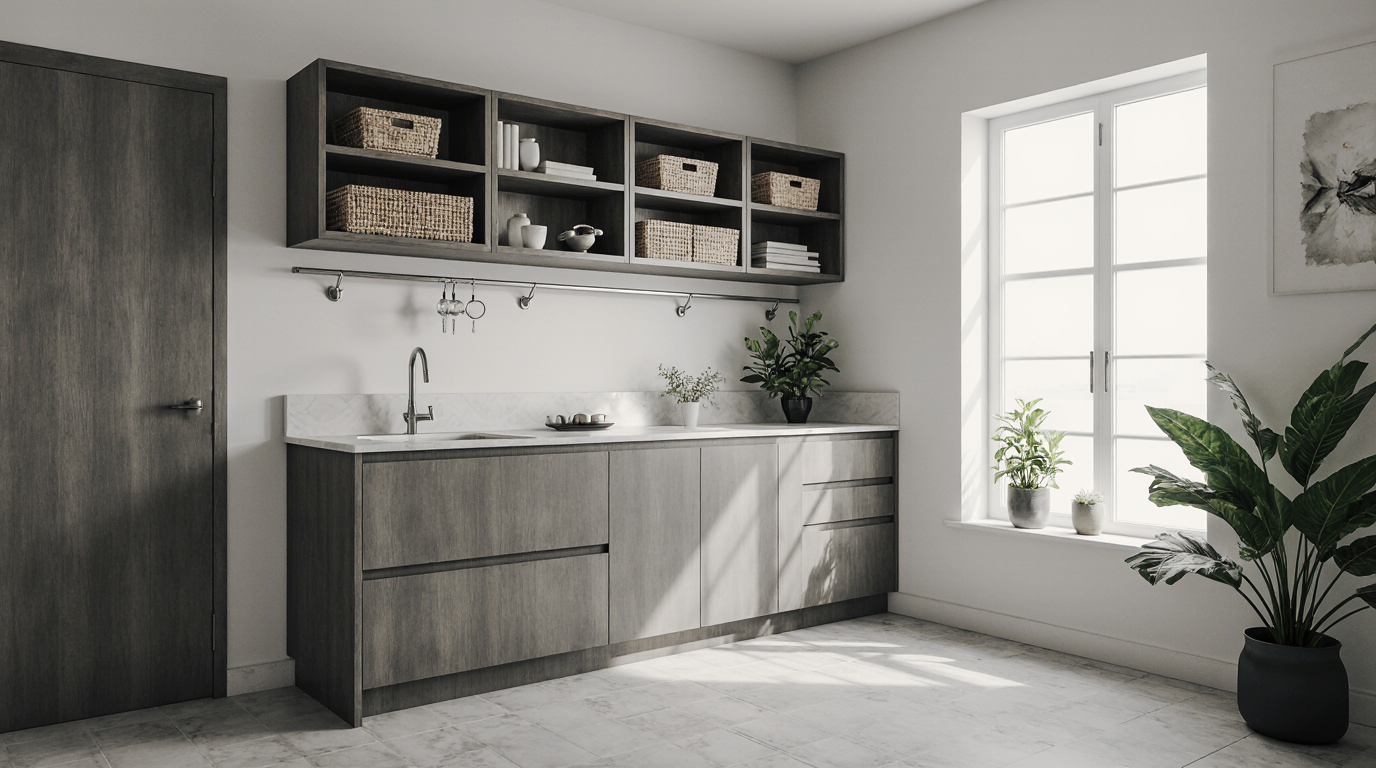
Transforming your laundry room closet into a space that is both practical and aesthetically pleasing is an art that combines functional design with clever storage solutions. A well-designed laundry closet not only maximizes efficiency but also elevates the overall experience of handling everyday chores. Small or large, every laundry closet benefits from a design approach that merges practicality with a refined aesthetic. Smart utilization of vertical space is a cornerstone strategy in designing efficient and visually pleasing laundry closets. Tall cabinets allow for a combination of open shelves, hidden compartments, and hanging areas, enabling homeowners to store detergents, linens, cleaning supplies, and more in a tidy and accessible manner. The use of adjustable shelving adds flexibility, allowing the closet to adapt to changing needs, whether it’s accommodating bulkier items or seasonal linens.
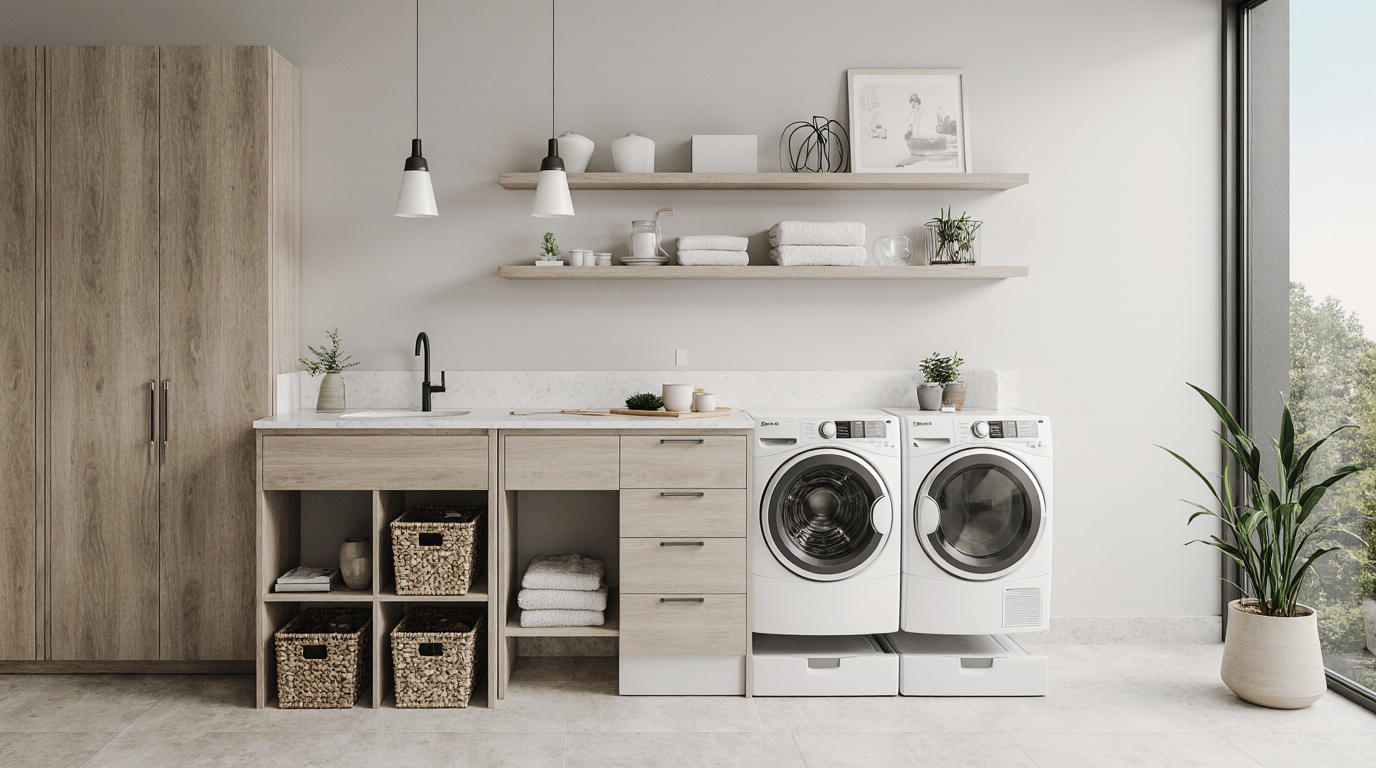
Strategically arranging a laundry closet can dramatically enhance its functionality. Aligning the washer and dryer horizontally allows for an expansive, practical workspace for folding and organizing clothes efficiently. When space is limited, vertically stacking laundry appliances optimizes floor area, creating room for drawers, pull-out hampers, or a compact ironing center. Pull-out hampers and concealed bins are often suggested by professionals to maintain a tidy, efficient closet. These hidden compartments not only keep dirty laundry organized but also maintain a clean, uncluttered appearance. Custom cabinetry can be tailored to the exact dimensions of your appliances, ensuring every inch of the closet is utilized effectively without wasted space.
Incorporating a multi-functional countertop in your laundry closet is another element that adds significant value. High-quality surfaces allow for multiple tasks including folding, pre-treating laundry, and categorizing clothing efficiently. Materials like quartz or laminate are particularly recommended for their resistance to moisture and stains, ensuring longevity even in a high-use environment. Some designs even integrate sinks into the countertop, allowing for hand washing delicate garments or pre-soaking items, which adds a layer of convenience for households that handle a variety of fabrics. Effective lighting solutions transform the laundry closet, highlighting design elements while improving task efficiency. Integrating LED strips beneath shelves or over counters boosts visibility, minimizes mistakes, and showcases cabinetry details elegantly.
Storage solutions in a laundry room closet can be both creative and highly effective. Pull-down rods optimize vertical space, allowing delicate clothing to hang straight from appliances. Wire baskets or clear bins offer visibility of contents, making it easy to access cleaning supplies or seasonal linens. Some homeowners incorporate sliding doors or bi-fold panels to conceal clutter while keeping the space visually cohesive with the rest of the home. Utilizing discreet compartments, magnetic racks, and hanging systems makes the most of limited space. Mixing exposed and concealed storage achieves both functionality and elegance.
Choosing colors and materials strategically enhances both style and practicality. Balancing light and dark tones can simultaneously open up the room and introduce a sophisticated atmosphere. Many designers recommend moisture-resistant finishes to prevent warping or damage due to high humidity levels common in laundry areas. Incorporating natural textures, such as wood veneer or stone accents, can soften the space and create a connection with the adjacent bathroom or hallway. Additionally, integrating decorative elements like backsplash tiles or patterned flooring enhances the visual appeal without interfering with the functionality of the closet. Finishing touches like hardware can transform cabinetry from functional to fashionable.
Designing for ergonomics enhances usability and comfort. Smart placement of drawers and shelves reduces strain and increases convenience. Close-proximity folding areas streamline tasks and workflow. Retractable ironing solutions merge functionality with minimalist design. Ventilation is another critical factor; a properly ventilated closet prevents moisture buildup, protects cabinetry, and reduces odors, keeping the area fresh and hygienic. Ventilation systems such as fans or louvers promote circulation while remaining unobtrusive.
Another element that elevates the functionality of a laundry closet is the integration of smart appliances and technology. Smart laundry units provide control, customization, and convenience via mobile interfaces. Automation in lighting and water control improves efficiency and ease of use. Some homeowners incorporate smart storage solutions, such as labeled bins or automated dispensers for detergent and softeners, ensuring every item has its designated place and simplifying daily routines. Merging technology with bespoke layout planning produces a cutting-edge, efficient, and personalized laundry closet.
Harmonizing the closet with home aesthetics demands meticulous planning and thoughtful design. Careful alignment of textures, colors, and styles preserves a consistent interior flow. Mixing open and closed storage balances display opportunities with practicality. Glass and mirrored elements visually enlarge and illuminate the closet area. Choosing resilient floors ensures longevity, ease of cleaning, and design harmony.
Ultimately, a thoughtfully designed laundry room closet goes beyond mere storage; it transforms a mundane task into an organized, aesthetically pleasing experience. Integrated design elements ensure the closet is efficient, user-friendly, and stylish. Efficient use of vertical space, multi-functional countertops, hidden compartments, proper lighting, and ergonomic features ensures that every element serves a purpose without compromising style. Modern appliances and meticulous design elevate the laundry closet to a polished, professional standard. The end result is a highly efficient, stylish, and harmonious space that simplifies laundry tasks.