Laundry Closet Design
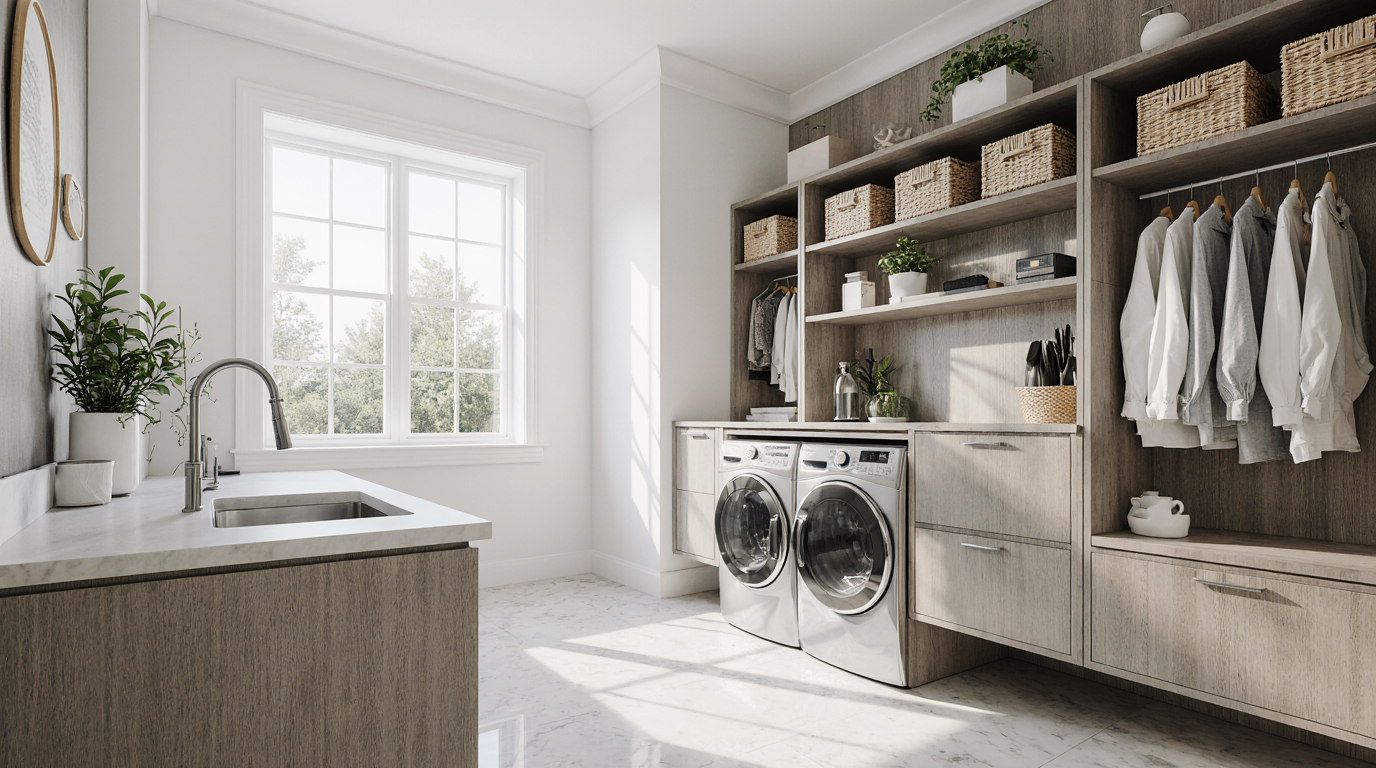
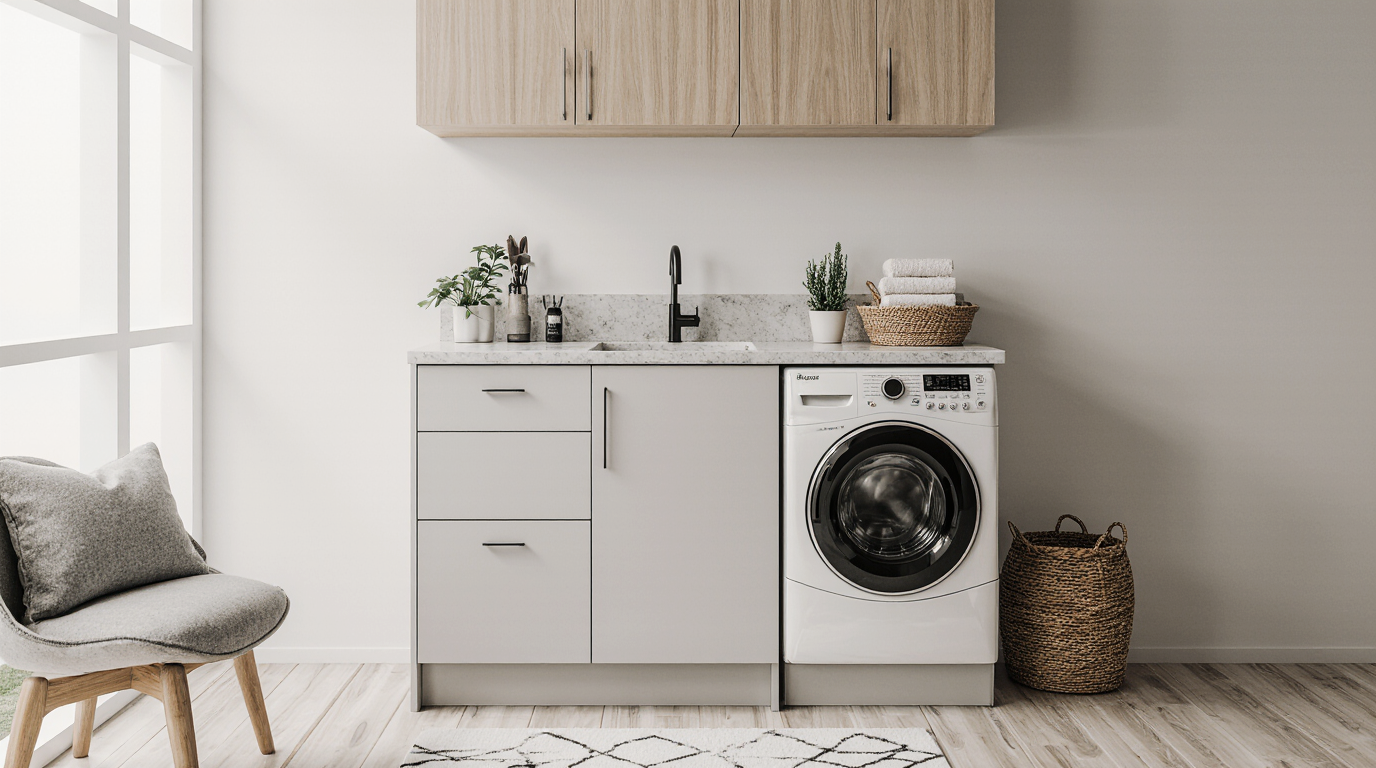
Reimagining a limited space as a chic and practical laundry corner requires creativity, precision, and an understanding of spatial harmony. A well-planned laundry area doesn’t just handle washing and drying—it enhances the overall aesthetic and organization of your home. Current trends blend space-maximizing storage, resilient surfaces, and harmonious visual appeal transforming an ordinary utility corner into a focal point of sophisticated design.
Well-executed laundry areas exploit every corner with bespoke cabinetry, vertical compartments, and concealed shelving. Incorporating pull-out hampers, foldable drying racks, and secret storage elements ensures a seamless workflow and organized environment. Ergonomic planning is essential—keeping all laundry essentials accessible while preserving a streamlined and sophisticated appearance.
Aesthetics play a major role in any laundry room design, especially when it’s part of an open or multi-purpose area. Employing soothing shades—light gray, off-white, or pale blue—instills a refreshing ambiance, and pairing warm wood or polished metal accents contributes richness and visual intrigue. Well-planned lighting—like subtle LED under-cabinet strips or focused overhead fixtures—improves functionality and warmth.
Homeowners aiming for elegance and practicality benefit from sustainable washers and dryers combined with durable, moisture-proof materials to maximize lifespan and eco-friendliness. Enhancing with delicate details—chic baskets, artistic tile designs, or seamless counters—turns utility zones into visually captivating spaces.
A well-executed laundry closet design not only simplifies routine tasks but also elevates your home’s value and comfort, merging practicality with timeless sophistication.
Laundry Room Closet Ideas
Turning an ordinary closet into a highly practical laundry area requires clever use of every inch. The best ideas focus on verticality and efficient storage. Think about floor-to-ceiling cabinets next to the washer/dryer stack for storing supplies, baskets, and linens. Using a sliding or collapsible drying rack enhances functionality for delicate items. Don't forget the back of the door; adding hooks or a slender shelving unit can provide hidden storage for items like an ironing board or cleaning supplies. A bright, well-placed light fixture, such as an LED strip under the first shelf, can make the small space feel more open and usable. Replacing standard doors with bifold or sliding barn doors increases accessibility and preserves adjacent room space.
Custom Laundry Closet
Bespoke laundry closets are engineered to suit each appliance, storage necessity, and lifestyle preference. The tailored method replaces conventional shelving with stylish, durable built-in storage. Picture cabinets custom-sized for detergent bottles, a sliding shelf for washer/dryer ease, or a hamper compartment. Efficient airflow and plumbing solutions are seamlessly integrated behind custom panels to conceal functional elements. Optional features include retractable ironing boards or pull-out counters for flexible folding space. Every element in a custom closet has a specific spot, optimizing workflow and tidiness.
Custom Closets Laundry Room
Embedding a laundry area in a luxury walk-in closet maximizes convenience and style. Clever layout creates a discreet laundry zone harmonized with closet cabinetry. Expert closet designers can match laundry cabinets to wardrobe units for a polished, uniform aesthetic. Key considerations include noise dampening, often achieved with solid-core doors or insulated panels, and robust ventilation to manage moisture and prevent humidity from affecting your clothes. A coordinated folding station with matching materials and segregated hampers organizes whites, darks, and delicate items.
Closet Laundry Room
Closet-based laundry setups maximize space where a full utility room is unavailable. Standard closets can be transformed into compact, fully operational laundry areas. Stacked laundry machines optimize vertical space, allowing room for storage units or shelves. For this setup to be successful, proper planning for plumbing, electrical, and dryer ventilation is essential. Folding or bifold doors hide appliances while saving space and providing convenient access. To make the space feel less like a cramped closet, consider painting the interior a light, bright color and installing good task lighting to illuminate the machines and supplies.
Laundry Closet Remodel
Remodeling a small laundry closet upgrades it from inefficient to fully optimized. Upgrades can encompass both structural and functional enhancements for better workflow. Reorganizing appliances, often into a stackable arrangement, optimizes limited closet space. This remodel is the perfect time to add necessary utilities if they aren't already present, such as running water lines, installing a proper dryer vent, and adding a dedicated electrical outlet. Durable, water-resistant flooring and backsplash materials improve longevity and cleanliness. The result is a durable, safe, and far more practical space.
Laundry Closet Makeover
A laundry closet makeover is an excellent way to refresh and reorganize your space without a full remodel. Prioritize efficient storage and a visually appealing design for a simple but impactful transformation. Apply a new, light-colored paint layer to visually expand the closet. Enhance the back wall with easy-to-apply wallpaper for flair. Replace flimsy wire shelving with sturdy wooden shelves that combine beauty and durability. Matching baskets and bins conceal laundry supplies for a cohesive look. Install under-shelf LED strips or a compact lamp for better lighting. Swap out plain doors for decorative alternatives like sliding doors or curtains.
Laundry Room Closet Design
Effective laundry room closet design emphasizes workflow and functionality in a limited area. Decide on the appliance layout carefully: stackable units work well for narrow spaces, freeing vertical space for additional cabinets. Plan storage solutions that combine accessibility with efficiency, including adjustable shelving. Install a built-in hanging rod below a shelf for air-drying clothes. Ergonomics matter: place appliances at a height that reduces bending. Adequate ventilation is essential to control moisture and lint buildup.
Closet Laundry Room Makeover
Turning a small utility closet into an organized laundry area enhances both aesthetics and usability. Remove all items to begin a fresh redesign process. Install a butcher block or laminate countertop above machines to add functionality. Use the wall above machines for open shelves for frequent items and closed cabinets for less attractive supplies. Add paint or a patterned wallpaper to the back wall to give character. Organize detergents and supplies in labeled, attractive containers. This makeover is about function as well as aesthetics, creating a system that simplifies laundry tasks.
Laundry Room Closet Makeover
Efficient design and thoughtful details make a laundry closet both practical and inviting. Start by identifying your main pain points, like lack of hanging space or messy detergent spills. Use foldable racks for efficient, compact drying. Use glass or plastic jars with labels to manage detergents cleanly. Extend shelving upward to accommodate extra supplies and maximize efficiency. Include smart lighting to illuminate the closet when doors open. Even a compact closet can provide excellent storage and workflow.
Small Laundry Closet Ideas
Optimize limited space with smart ideas for small laundry closets. Use stacking units to create extra space for storage or work surfaces. A slim, mobile cart keeps cleaning supplies organized and accessible. Maximize door space for convenient storage solutions. Install a foldable table on the wall to save floor space. Opt for open shelving rather than bulky cabinets to prevent a cramped feeling. Light walls and a dedicated task light enhance the perception of space.
Washer Dryer Closet Ideas
Creating a dedicated laundry closet requires thoughtful organization of appliances. For a vertical setup, consider constructing a built-in structure for a polished look, which helps to muffle sound. For side-by-side units, the most popular idea is placing a strong surface over the machines. This offers an expansive area for laundry tasks but also prevents items from falling behind the machines. To further improve functionality, add a backsplash to the wall between the counter and any upper shelving. Another clever solution is mounting washers and dryers on platforms, which provides ergonomic height for ease of use.
Closet Washer and Dryer Ideas
A washer-dryer nook can be both functional and stylish. The key is seamless design. One of the best ideas is concealing machines with sliding or folding doors. For a design-focused option, a set of sliding wood doors create visual interest. If the closet is in a utility area, you can use matching panels to blend with the decor, making the laundry area completely invisible when not in use. For space-saving combos, the closet can be more compact, providing only the necessary storage, making it ideal for tight spaces.
Closet Laundry Ideas
Creating an functional washing space is a task in clever design. The best ideas address the entire laundry cycle. First, incorporate custom compartments for color-coded sorting. For the washing process, ensure supplies are conveniently placed for efficiency. For drying, a tension rod installed high in the closet can serve as a simple, effective place to hang delicates. A pull-out or wall-mounted folding surface is a crucial addition that saves you from having to fold clothes on your bed is essential. Finally, include a small "utility" zone with hooks for a dustpan, a slim ironing board, and a compact iron, making chores more manageable.
Laundry Closet Decor Ideas
A laundry closet may be small, but that doesn't mean it can't be stylish. Decor ideas for this tiny space can have a big impact include bold, patterned peel-and-stick wallpaper on the back wall. Since the area is limited, you can try bold colors without overwhelming the space. Use aesthetic dispensers to elevate the visual appeal. Use woven baskets or stylish metal bins on shelves to hide clutter and add texture. Even a small, framed piece of art or a tiny potted plant (a faux one works great in low light) on a shelf can make the space feel more intentional and less like a forgotten utility closet.
Laundry Closet Decorating Ideas
Decorating a laundry nook requires style and practicality. Choose a design concept to unify elements. For a modern farmhouse look, use natural wood shelving, wire baskets, and a neutral color palette, for a more glamorous feel, consider painting the interior a deep, moody color like navy or charcoal, and add brushed gold hardware to any cabinets. Lighting should enhance both visibility and decor. Don't overlook the area rug or runner to boost style and warmth. The goal is to create a space that feels pleasant to be in, which can make the chore of doing laundry just a little more enjoyable.
Laundry Closet Design Ideas
Creative laundry closet design ideas blend practicality with style. A ingenious concept is the pull-out pantry, a slim sliding cabinet with rollers that pulls out from the side of a stacked setup, providing incredible, easy-access storage. Another fantastic idea is to create a raised platform for washers and dryers that brings machines to ergonomic level but also offers space below for baskets and hampers. For a bespoke touch, consider a built-in, vertical drying rack with multiple rungs that slides out from the wall. Integrating a small utility sink is another highly practical option, enabling easy hand-wash and prep, with the caveat of extra plumbing.
Laundry Closet Layout
The layout of a laundry closet is the foundation of its functionality and is largely determined by the choice of appliances. The most space-efficient layout is the tower arrangement, combining washer and dryer in a vertical stack. This opens space for vertical cabinets, shelves, or a utility basin. The second option is the adjacent arrangement, which is perfect for spacious closets. This layout’s main advantage is continuous surface for folding, perfect for folding. Wall-mounted storage is added above. A less common but effective layout involves placing a single all-in-one washer-dryer unit in the closet, opening up room for baskets and supplies.
Laundry in Master Closet Ideas
Placing the laundry appliances within a master closet is a popular trend designed for seamless workflow. This design makes laundry extremely efficient: dirty clothes travel from hamper to washer and back to drawers in minimal steps. Key ideas for this setup include integrating appliances into matching built-in storage. Air circulation is essential; a quality fan prevents humidity damage. Using low-noise appliances with damping pads maintain tranquility in the room.
Laundry Room in Closet Ideas
Converting a typical closet into a mini laundry area is a popular project for homes lacking a dedicated space. The most effective designs solve layout and utility issues. First, pick a closet with convenient water and electric access, such as a closet adjacent to utility walls. Compact, combined washer-dryers are ideal for easy setup. To make the space functional, strip out the existing single rod and shelf and replace them with a more robust system. Install sturdy, deep shelving above the unit to hold all supplies. Use tiled or vinyl floors and a washer pan to secure against spills.
Small Laundry Closet Design
A successful small laundry closet design is a masterclass in efficiency and smart planning. The design must prioritize function over form, starting with the appropriate machines. Slim, stackable machines optimize tight areas. The layout should prioritize upward storage solutions. Instead of using a few deep shelves, try layered shallow shelving for visibility and sorting. A wall-mounted, retractable clothesline or drying rack provides drying space without taking up any permanent footprint. The design should also prioritize well-lit work areas; a dark, shadowy closet feels smaller and is harder to work in. Use light colors for the walls and shelving to reflect light and make the space feel as open as possible.
Laundry Closet Design: Transforming Small Spaces into Functional Elegance
Creating a laundry closet that is both functional and stylish requires careful planning, attention to detail, and a deep understanding of modern bathroom and utility design principles. Homeowners often overlook the hidden value of a laundry closet, but with innovative layouts and design insight, it can serve as a multifunctional, aesthetically pleasing hub. Integrating organized storage, stylish finishes, and functional planning ensures that the laundry closet becomes both practical and visually refined.
One of the first considerations in laundry closet design is maximizing space efficiency. With tight spaces, fitting a fully functional laundry area into a bathroom or hallway can be complex. By integrating custom cabinetry that is specifically tailored to the dimensions of your space, you can achieve a clutter-free environment where every inch serves a purpose. Essential storage features like sliding baskets, integrated hampers, and tiered shelving enhance accessibility and maintain a tidy appearance.
Thoughtful lighting selection is central to optimizing usability and enhancing the visual appeal of the space. Adequate light not only improves task efficiency but also elevates the overall atmosphere. LED strips, recessed ceiling lights, and under-cabinet illumination visually expand the area and add warmth. Focused illumination at sorting and folding stations improves efficiency and reduces errors. Glossy finishes, mirrored panels, and reflective surfaces further enhance brightness and modernity.
Selecting the right appliances is critical for efficiency, convenience, and design cohesion. Compact washers and dryers that are stackable or front-loading are ideal for confined areas. Investing in energy-efficient models not only saves space but also reduces utility bills and environmental impact. Modern appliances often feature advanced technology such as steam cycles, smart connectivity, and multiple wash settings, allowing users to customize the laundry process. Embedding appliances into tailored cabinetry or alcoves preserves visual harmony and maximizes efficiency.
Effective ventilation prevents moisture-related issues and preserves structural integrity. Adequate airflow prevents moisture buildup, mold, and unpleasant odors, which can compromise both the function and longevity of the space. Installing a high-quality exhaust fan or incorporating vented cabinetry ensures that the laundry closet remains fresh and hygienic. In some cases, moisture-resistant finishes on walls and cabinetry, such as laminate or waterproof paint, can further protect the space from humidity-related damage. Professional bathroom designers often recommend combining proper ventilation with strategic layout planning to achieve optimal performance in these compact areas.
Even small closets benefit from a pull-out or foldable work surface for sorting and folding. Collapsible or retractable surfaces enable garment handling without sacrificing space. Including a functional workspace streamlines tasks and organizes daily chores. Small-scale organizational tools, including modular racks and bins, optimize task flow and visual appeal. Applying ergonomic standards allows efficient use of space while minimizing strain.
Storage solutions play a vital role in laundry closet design. Customizable shelving, stackable bins, and pull-out units enhance capacity and accessibility. Open shelving can be used to display attractive containers and organizers, adding a touch of personality while keeping essentials within reach. For homeowners who value aesthetics, cabinetry with concealed handles, soft-close mechanisms, and neutral tones can maintain a minimalist, high-end look while delivering exceptional functionality. Cohesive storage planning ensures that functionality aligns with the surrounding decor, creating an elegant and unified design.
Quality finishes and resilient surfaces define a long-lasting and attractive laundry closet. Materials resistant to humidity, stains, and wear extend the lifespan of the closet. Countertops made from quartz, granite, or solid-surface materials resist stains and scratches while offering a sleek appearance. Cabinet finishes such as laminate, painted wood, or thermally fused veneer provide both visual appeal and longevity. Low-maintenance, resilient finishes sustain the closet’s aesthetic and utility over the years.
Technology integration transforms everyday laundry into a seamless, high-end experience. Automation, sensor-driven features, and connected devices optimize workflow and usability. Some modern closets include built-in ironing boards or steam treatment areas, allowing garments to be refreshed without requiring a separate room. These features not only improve functionality but also create a seamless integration of modern lifestyle needs into the design. Specialists emphasize smart solutions as central to effective, convenient, and attractive design.
Visual appeal is equally important as utility in small laundry spaces. Color palettes, finishes, and textures can transform functional areas into elegant, welcoming spaces. Neutral backdrops with curated accents create a sense of openness and charm. Integrating practical design with appealing finishes creates a cohesive and enjoyable environment.
Finally, flexibility and customization are the hallmarks of a truly exceptional laundry closet design. Individual routines and garment types necessitate adaptable design approaches. Tailoring cabinetry, appliance placement, and storage solutions to meet these specific needs ensures optimal performance and long-term satisfaction. Flexible, modular systems accommodate growth, equipment updates, or workflow changes. Professionals advise customized planning to achieve both operational excellence and style.
Investing in a meticulously planned laundry closet can dramatically improve daily routines while enhancing the overall appeal of a home. Strategic planning, resilient finishes, innovative appliances, and design accents produce a balanced, elegant laundry area. Whether it’s in a small bathroom, hallway, or dedicated nook, a thoughtfully designed laundry closet transcends its utilitarian purpose to become a centerpiece of efficient, stylish living. Expert oversight, meticulous execution, and detailed planning ensure beauty, utility, and harmony.