
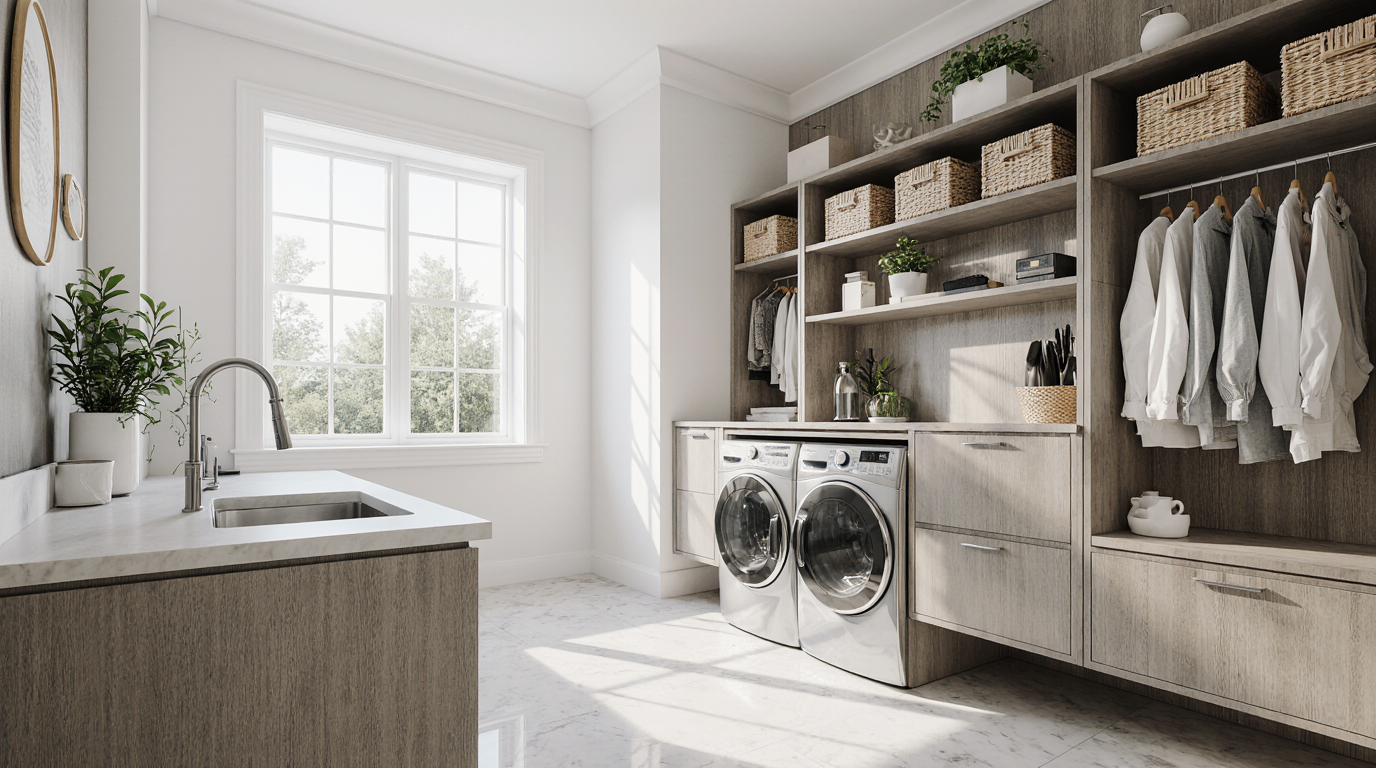
Transforming a laundry closet into a space that is both functional and aesthetically pleasing is a challenge that combines smart design strategies with creativity. Many homeowners overlook the potential of a small laundry area, treating it merely as a utility space. Nevertheless, meticulous organization and design can transform a laundry closet into a cozy, visually compelling extension of your living space. Bathroom design experts often emphasize that even limited spaces can make a strong visual statement when layered with textures, practical storage solutions, and personalized touches. Choosing the right combination of cabinetry, lighting, and organizational tools is key to maximizing the efficiency of a laundry closet without sacrificing style.
An essential starting point for a standout laundry closet is a careful analysis of the room’s size and structure. Precisely measure every aspect—height, width, depth—to plan the perfect fit for appliances, shelving, and storage components. Contemporary design emphasizes maximizing vertical space in laundry areas to optimize storage. Vertical cabinetry and shelving systems create tidy, stylish storage for cleaning products and linens. Custom cabinetry offers flexibility, ensuring that every inch of the closet is utilized effectively. Luxury design experts suggest integrating soft-close cabinets and pull-out hampers for a sophisticated yet practical closet.
Effective lighting is vital to turning a small laundry space into a bright, inviting retreat. While natural light is often limited in such confined spaces, layered artificial lighting can create the illusion of a larger, brighter room. Combining overhead recessed lights, under-shelf LEDs, and targeted task lighting ensures functional brilliance. Selecting soft, warm light tones creates a cozy atmosphere instead of a stark utilitarian one. Strategic light placement can showcase accents like wallpapers, tiles, or color features, turning the closet into a visually curated space. Design experts emphasize that subtle fixtures—pendants, sconces—can make small closets appear luxurious.
The choice of color schemes and textures plays a pivotal role in shaping the mood of the space. Soft, neutral colors visually enlarge the room and foster a sense of lightness and cleanliness. High-end surfaces like quartz, marble, or matte-finished cabinets combine elegance with practical resilience. Mixing tactile surfaces—woven textures, polished wood, or smooth cabinetry—adds dimension. For those aiming to harmonize the laundry closet with the broader bathroom design, coordinating tiles, hardware, and paint colors can create a seamless flow. Top-tier materials improve the visual quality and functional lifespan, embodying high-standard design practice.
Intelligent storage planning is crucial for functionality and tidiness in compact laundry areas. A combination of open and closed storage balances accessibility with visual neatness. Innovative storage, like stackable bins and sliding hampers, maximizes every inch of space. Experts advocate flexible, reconfigurable storage that evolves with household demands, keeping spaces orderly. Integrating retractable rods or compact ironing setups maximizes functionality without cluttering. Effective organization blends practicality with aesthetic intent, allowing each object a proper home.
Accents and decor elevate a laundry closet from purely utilitarian to stylish and appealing. Decorative touches personalize the space without creating visual clutter. Incorporating greenery, such as a small potted plant or trailing vine, introduces a natural element that softens the utilitarian feel. Coordinated storage containers and labeled bins improve organization while elevating style. Combining functional efficiency with aesthetic choices lets compact spaces showcase individuality. Careful layering of materials, tones, and decor elevates small laundry areas to visually captivating spaces.
Choosing the right machines significantly impacts a closet’s usability and workflow. Compact washers and dryers are ideal for tight spaces, but high-performance machines with multiple settings ensure that convenience is never sacrificed. Stackable units are particularly useful in vertical spaces, allowing the addition of shelving or cabinetry above the appliances. Concealing appliances behind cabinets enhances visual flow and avoids a cluttered look. Experts in bathroom and utility space design recommend concealing appliances behind cabinetry or coordinating finishes to blend seamlessly with the surrounding decor.
Attention to minor elements frequently defines the overall success of a laundry design. Handles, knobs, and pulls in coordinating finishes, such as brushed nickel or matte black, contribute to a unified aesthetic. Incorporating foldable or hidden ironing boards, retractable drying racks, and small stools can enhance usability without encroaching on space. Pleasant aromas contribute to a welcoming, well-considered design. Experts note that meticulous detailing distinguishes exceptional closets from ordinary ones. Merging practical features with visual appeal and curated accents transforms the closet into a highlight of the home.
Redesigning a compact laundry area into a chic, practical zone demands strategic planning and inventive thinking. All elements—cabinets, lighting, colors, and accents—work together to optimize both style and usability. Tailored storage, integrated appliances, and thoughtful lighting design achieve an elegant yet efficient laundry area. With the right approach, even a small closet can become a highly functional area that complements the design of the home, reflecting a balance of elegance, comfort, and efficiency. Professional-inspired strategies allow even compact laundry areas to become inviting, practical, and design-forward retreats.



