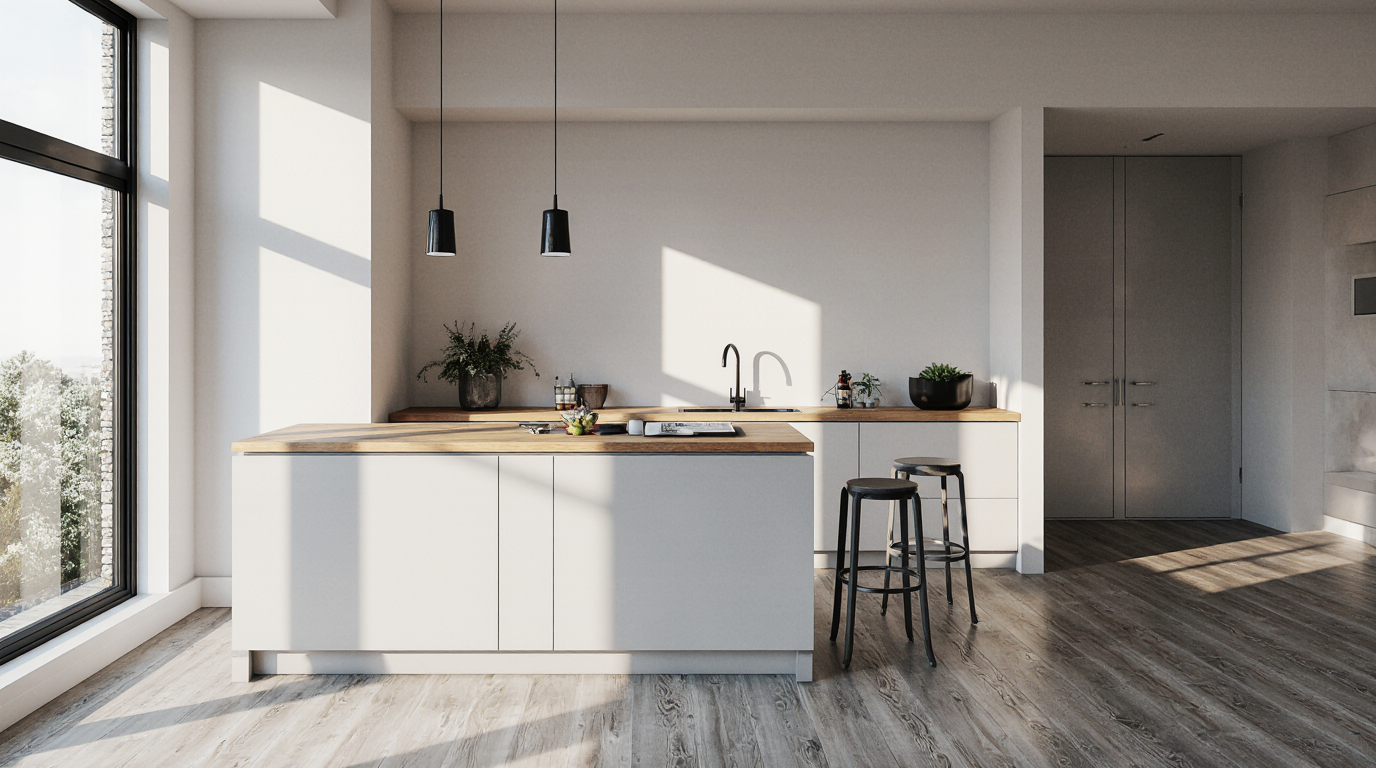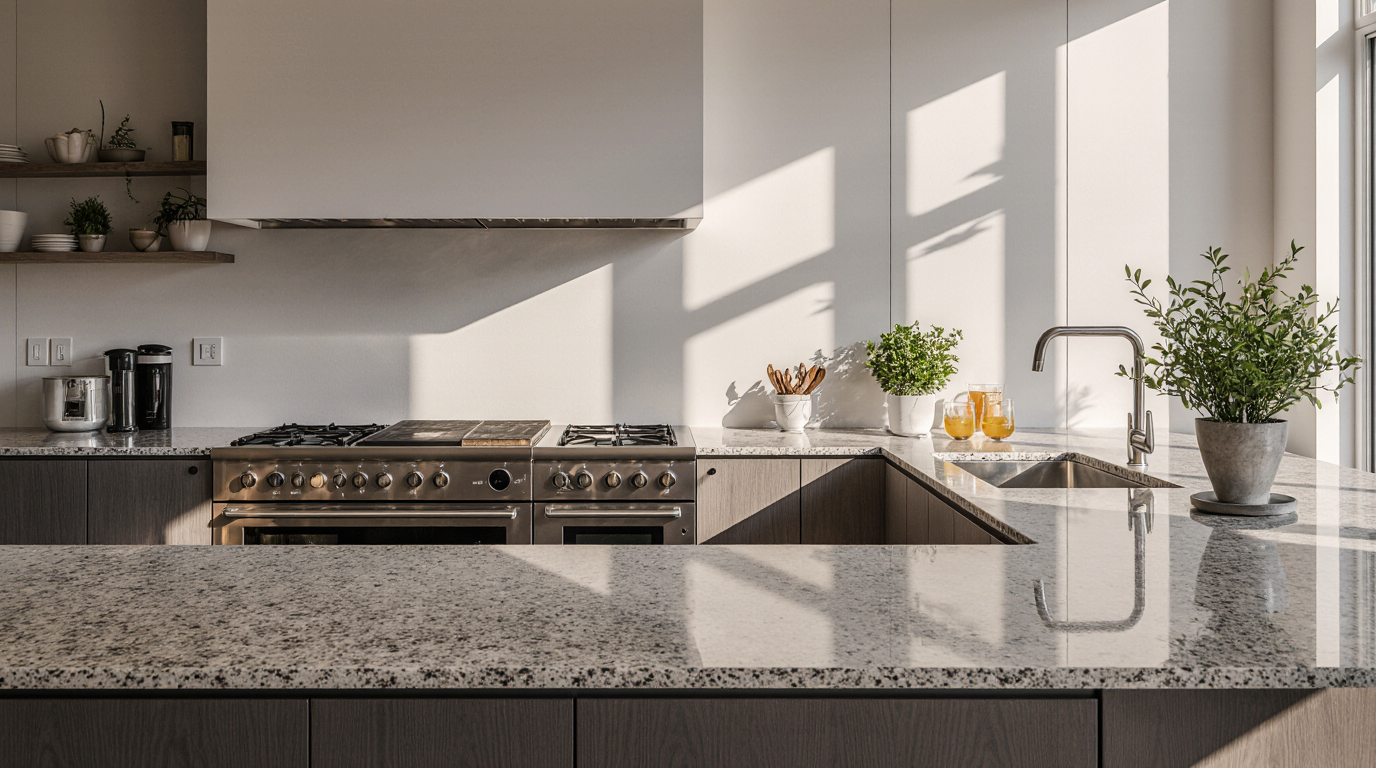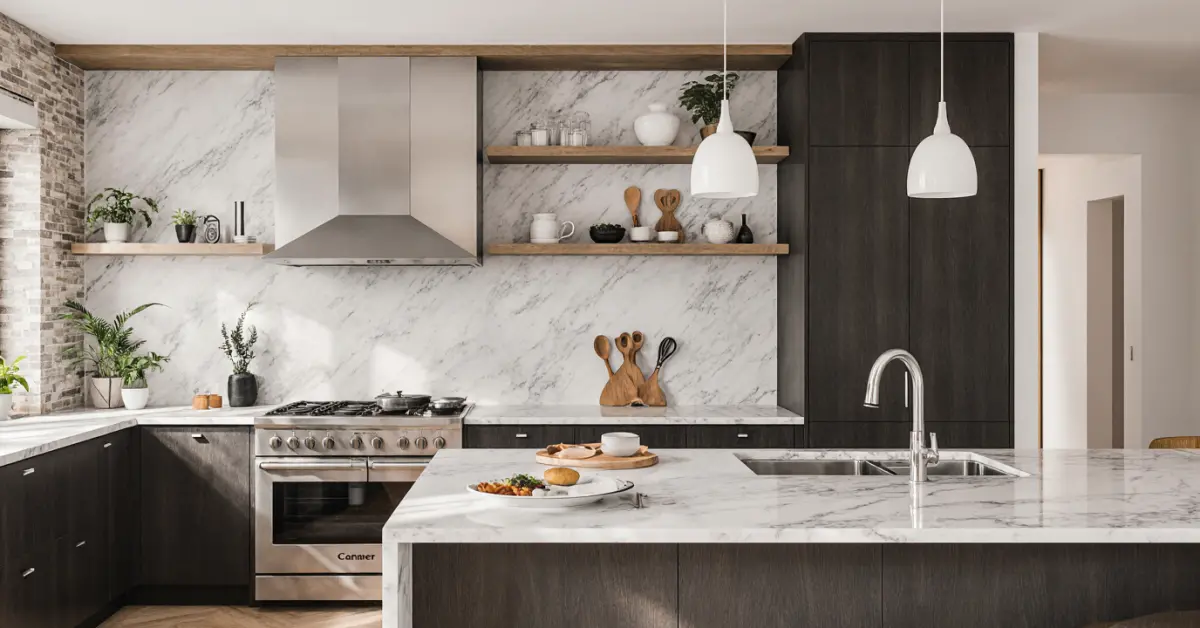
The single most important attribute of a kitchen worktop in Sarasota is not its beauty or its price. It’s the material’s Non-Combustibility Rating and its UV stability. I’ve seen more tear-outs and warranty claims here stemming from sun damage on an indoor island worktop blasted by a western-facing window than from any other cause. The selection process must begin with engineering, not aesthetics.
Executive Summary: Selecting Worktops for Sarasota's Coastal Conditions
From my direct experience installing kitchen and outdoor worktops from Siesta Key to Lakewood Ranch, the primary
From my direct experience installing kitchen and outdoor worktops from Siesta Key to Lakewood Ranch, the primary challenge is not wear and tear from use, but degradation from the environment. The intense UV radiation, high humidity, and salt air dictate a material-first approach. Homeowners here need to think of their worktop, especially for a kitchen island or an outdoor kitchen, as a piece of marine-grade equipment. It's an engineering choice that must hold up for decades, not just a design element.
- UV Exposure is Critical: Direct sunlight, even indoors through large windows, can cause some engineered quartz resins to yellow. Sintered stone or natural granite are often superior choices for sun-drenched areas.
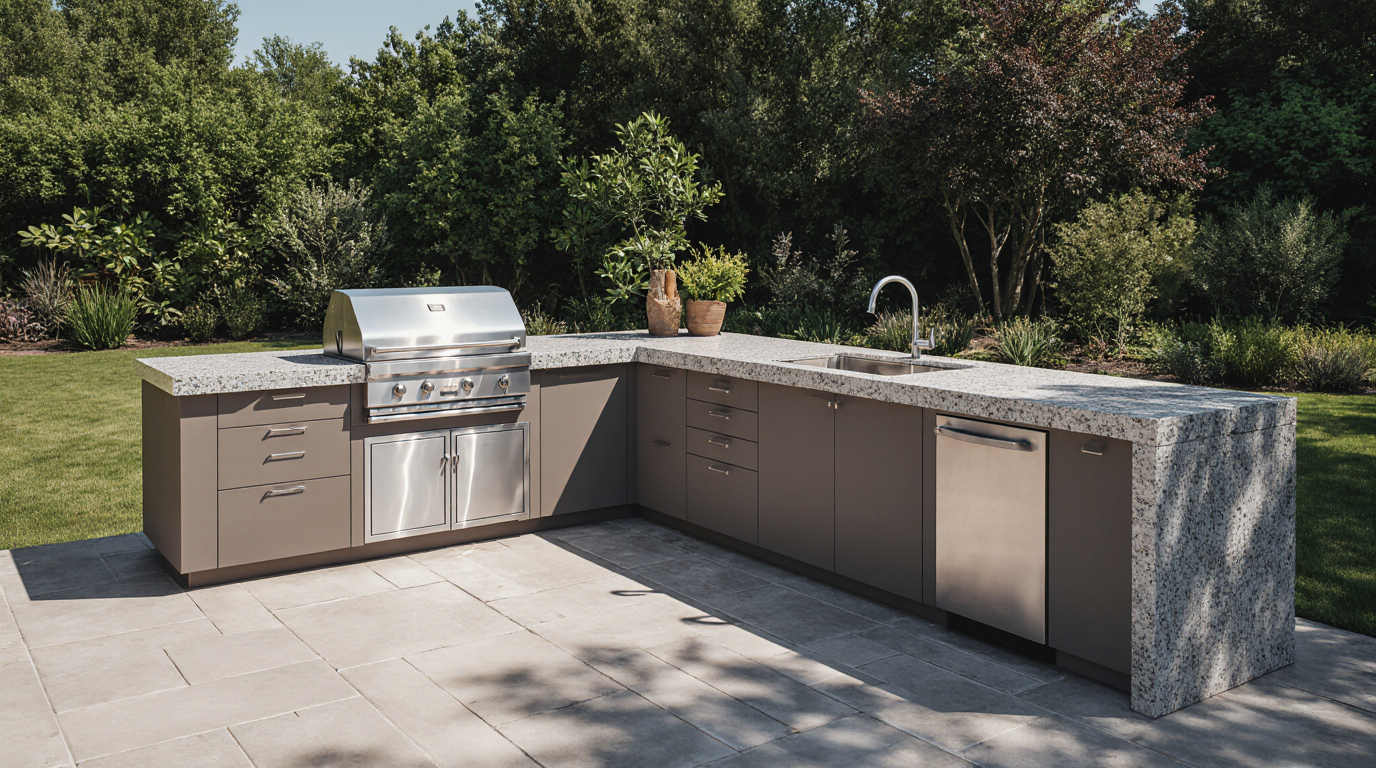
- Outdoor is a Different Standard: An outdoor worktop requires a non-porous surface, UV-stable color, and a substrate like concrete board, not plywood, which will delaminate in the humidity.
- Salt Air Accelerates Corrosion: For fixtures and hardware associated with the worktop, such as sinks and faucets in an outdoor kitchen, 316L marine-grade stainless steel is non-negotiable to prevent pitting and rust.
- Hurricane Codes Impact Installation: In high-velocity hurricane zones (HVHZ), particularly on the barrier islands, countertop installations, especially heavy stone on an island, may require specific anchoring considerations to comply with the Florida Building Code.
The Most Common Planning Failures I See in Sarasota
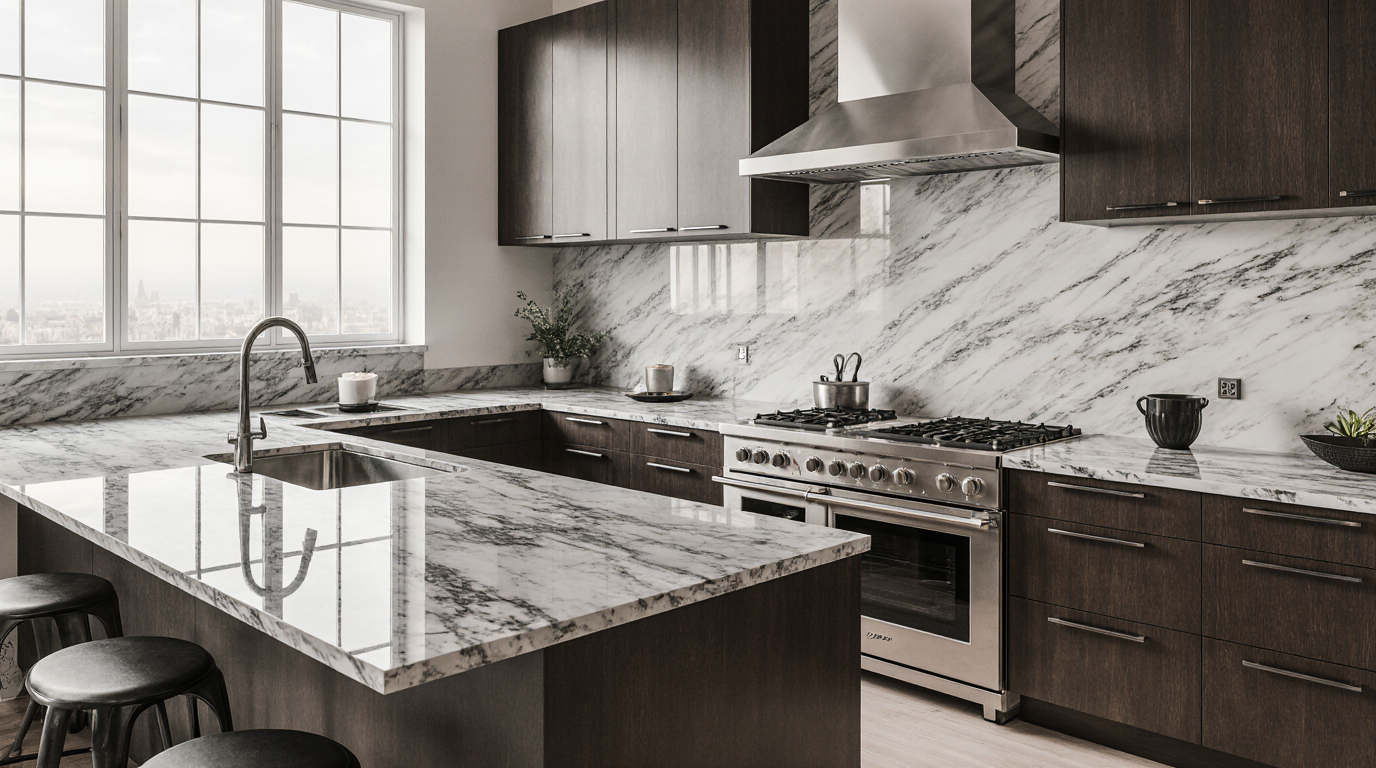
The most frequent misstep is choosing a material based on a sample viewed in a showroom under artificial light. A beautiful, subtly veined quartz or marble can look completely different and perform poorly when exposed to the intense, direct sunlight common in Sarasota homes with large lanais and waterfront views. The second error is underestimating the corrosive power of our salt-laden air on anything outdoors.
The Most Expensive Failure: Ignoring UV Degradation
I was called to a project on Longboat Key where the client had installed a stunning, high-end white quartz worktop on a massive kitchen island just a year prior. The island sat in front of a wall of sliding glass doors facing west. The portion of the worktop that received direct afternoon sun had developed a distinct, irreversible yellow tint compared to the shaded areas. The manufacturer's warranty explicitly excluded UV damage. The only solution was a full replacement, a mistake that cost them well over $15,000 because the initial material choice was driven by aesthetics, not the home's specific environmental exposure.
How Worktop Installation Works in Practice Here
The process is more than just template, fabricate, and install. It starts with a site assessment to evaluate environmental factors like sun exposure and proximity to salt water. Once a material is selected, a precise digital or physical template is made. The slab is then cut and finished using CNC machinery and hand-polishing. The installation itself is often the quickest part, but it’s the planning and material science that ensure longevity in our climate.
Selection Criteria for Sarasota Homeowners
- Confirm UV Stability Warranty: Ask the manufacturer for a written warranty that explicitly covers color stability against UV exposure, especially for quartz or other engineered surfaces.
- Assess Porosity for Outdoor Use: For an outdoor kitchen worktop, select ultra-compact surfaces like Dekton or Lapitec, or dense natural granites. Avoid porous stones like marble and travertine that will harbor moisture and mold.
- Verify Substrate Material for Outdoor Kitchens: Ensure your contractor is using a cementitious backer board or a specialized outdoor cabinet system. Standard plywood or MDF used for interior cabinets will swell and fail within a year or two.
- Check Compliance with Local Wind Load Codes: For substantial installations on barrier islands or in newer communities, your installer should be aware of any specific anchoring requirements mandated by the Florida Building Code to secure heavy stone during high-wind events.
Comparison with Alternative Surfaces
Choosing a premium worktop like natural stone or sintered stone is a significant investment. It's crucial to compare it against other options based on performance in Sarasota’s specific climate, not just on national averages. The table below focuses on criteria that matter most here: UV resistance, porosity, and salt air resilience.
| Material | UV Resistance (Direct Sun) | Porosity & Stain Resistance | Suitability for Outdoor Kitchens |
|---|---|---|---|
| Granite | Excellent | Good (requires sealing) | Excellent (darker colors recommended) |
| Engineered Quartz | Fair to Good (resin can yellow) | Excellent | Not Recommended (unless specified for outdoor use) |
| Sintered Stone (e.g., Dekton) | Excellent | Excellent | Excellent (designed for exteriors) |
| Marble | Good (can etch) | Poor (very porous, stains easily) | Not Recommended (will etch and stain) |
When a Premium Stone Worktop is Not the Right Choice
There are situations where a high-end stone or sintered surface is overkill. For a rental property or a kitchen with no direct sunlight that will see moderate use, a high-quality laminate or solid surface can be a perfectly rational, cost-effective choice. The premium for extreme environmental resistance is unnecessary if the environment isn't extreme. Investing thousands in a UV-proof worktop for a dark, interior kitchen is a misallocation of budget.
A Safe Hiring Checklist for Your Worktop Project
Vetting a worktop fabricator and installer in Florida goes beyond checking their portfolio. Their technical knowledge of our coastal environment is what protects your investment. Before signing a contract, ensure you have clear answers to these points.
- Verify they are licensed and insured specifically for work in Sarasota County. Ask for their certificate of insurance.
- Request addresses of outdoor kitchen projects they completed over three years ago. This allows you to see how their materials and installations hold up over time in our climate.
- Ask what specific substrate materials they use for outdoor worktop installations. If they say “marine-grade plywood,” be cautious; cement board or structural PVC are superior.
- Inquire about their templating process. Digital templating is more precise and can better account for imperfections in walls and cabinets.
- Confirm their seam placement strategy in writing on the layout diagram before they begin fabrication.
- Clarify their warranty in detail, paying close attention to exclusions for UV damage, staining, or pitting from salt air.
- Discuss their plan for protecting your home during installation, including flooring, cabinets, and dust control.
Decisions That Determine the Final Outcome
The success of a worktop installation hinges on decisions made long before the stone arrives. The most crucial factor is aligning the material's technical specifications with the home's unique location and orientation. A worktop for a downtown condo is a different project than one for a Casey Key waterfront estate, even if the budget is identical.
The Exact Moment the Majority Gets It Wrong
The critical mistake happens right at the beginning, in the showroom. Clients fall in love with a sample's appearance under controlled lighting. The right way to start is to take the largest possible sample of your top two or three choices back to your actual kitchen. Leave them on the future island worktop or counter for at least 48 hours. Observe them in the morning light, harsh afternoon sun, and under your artificial lighting at night. The material that performs and looks best in your specific environment is the right choice, regardless of what looked best in the showroom.
Practical Answers About Operations in Sarasota
Navigating the specifics of a worktop project in Sarasota involves more than just design. You need to be aware of local requirements and potential bottlenecks that can affect your timeline and budget.
What Are the Permit Requirements for Just a Worktop?
Generally, replacing a kitchen worktop alone does not require a permit from the Sarasota County Building Department if you are not altering plumbing or electrical layouts. However, if your project is part of a larger remodel that includes moving a sink, adding an outlet to a kitchen island, or changing structural elements, a permit is absolutely required. For outdoor kitchens, which often involve gas and electrical lines, permitting is almost always mandatory.
How Do HOA Design Reviews Impact Selection?
In master-planned communities like Lakewood Ranch or The Founders Club, the Homeowners Association (HOA) design review board often has final say on exterior modifications, including outdoor kitchen worktops. They may have pre-approved color palettes or material lists. Submitting your outdoor worktop material and design plan early is critical; approval can take anywhere from 30 to 60 days, a delay that can halt your entire project if not planned for.
Does the Florida Building Code Affect My Island Worktop?
Yes, indirectly. The Florida Building Code, particularly the High-Velocity Hurricane Zone (HVHZ) provisions that apply to coastal areas, focuses on the building envelope and structural integrity. While it doesn't specify countertop materials, a very large, heavy stone kitchen island worktop could be considered a significant dead load. Your engineer or a highly competent installer may recommend additional support or anchoring for the island itself to ensure it remains stable during a major wind event, preventing it from becoming a hazard.