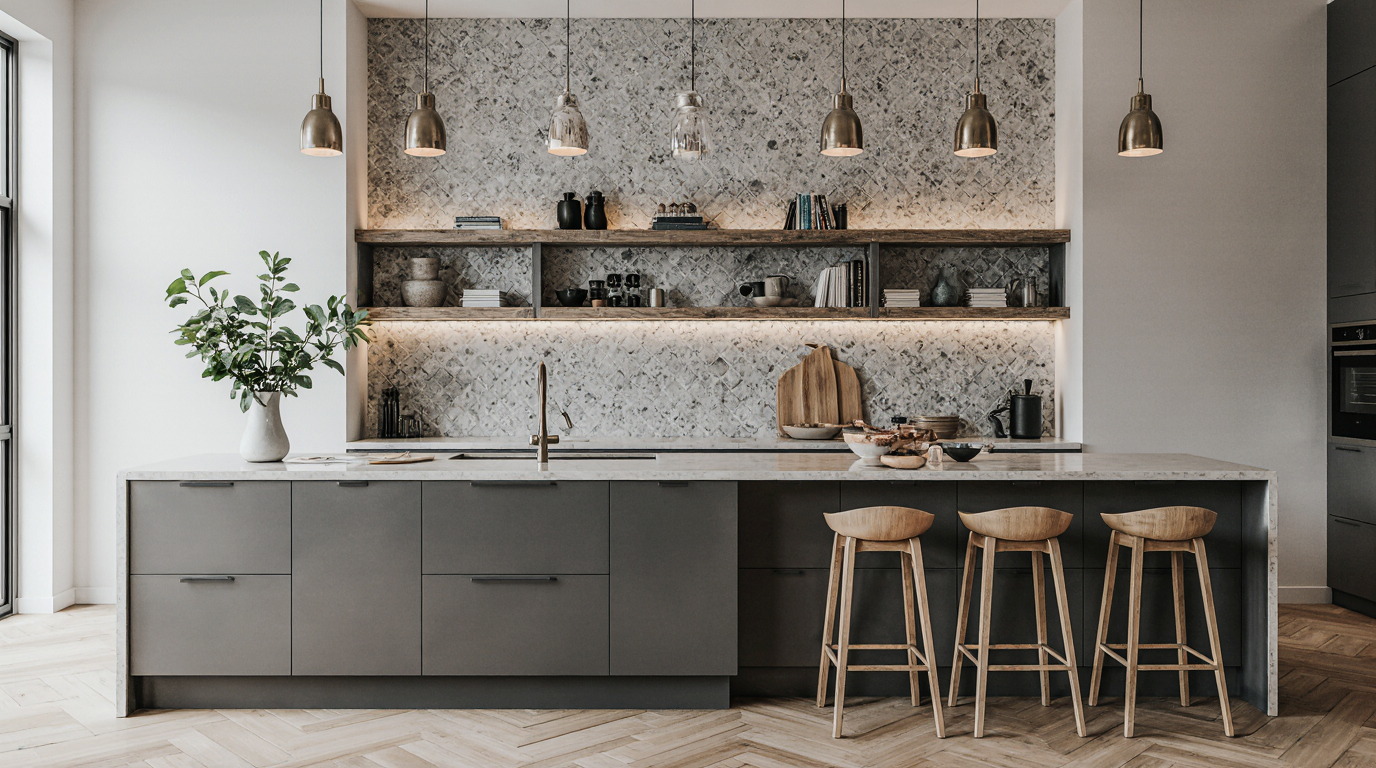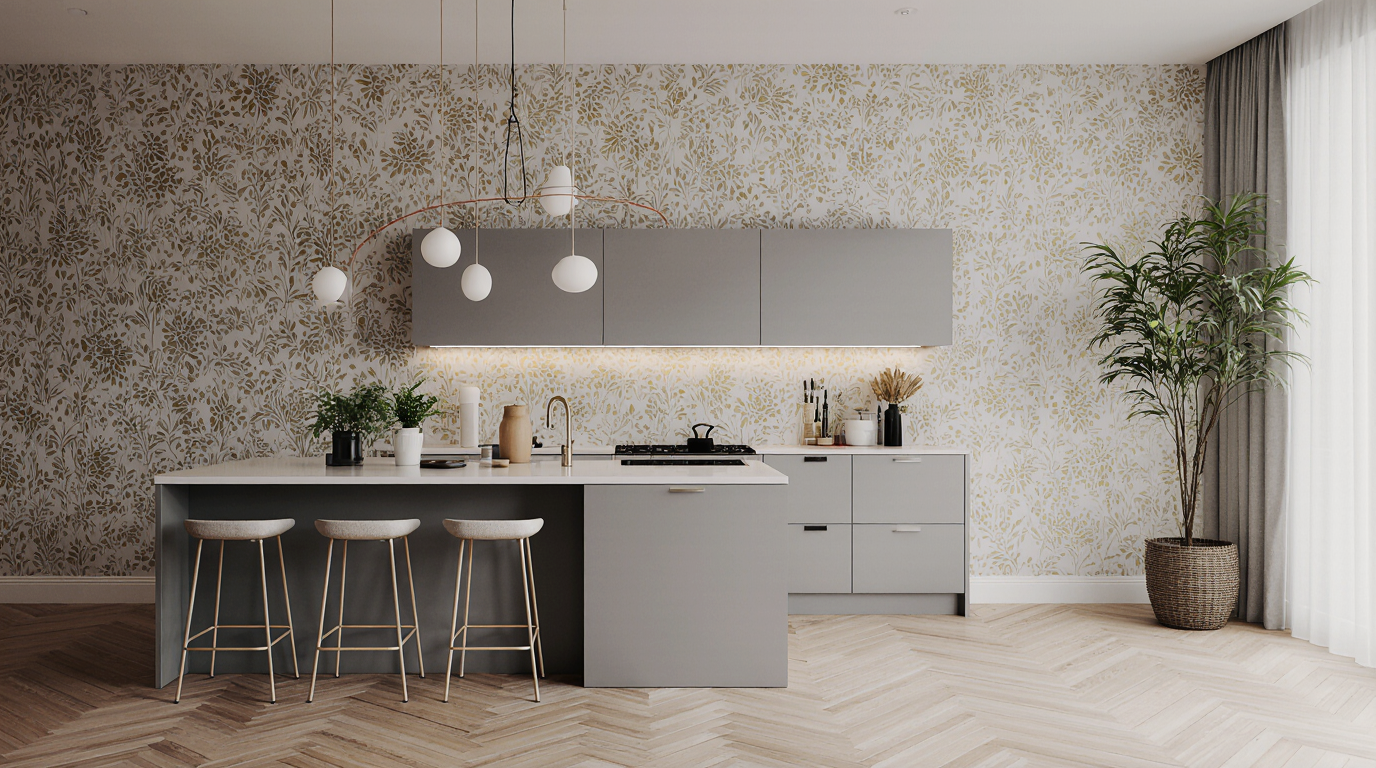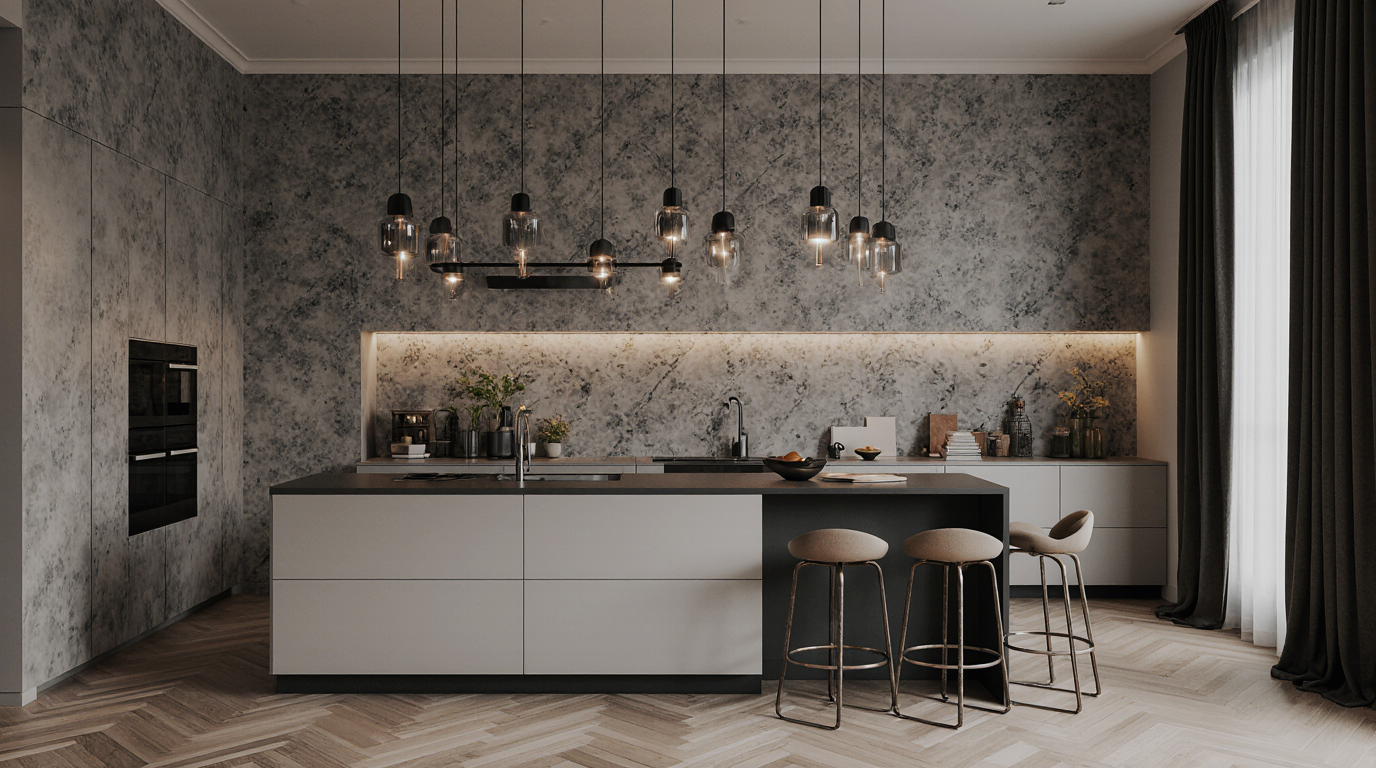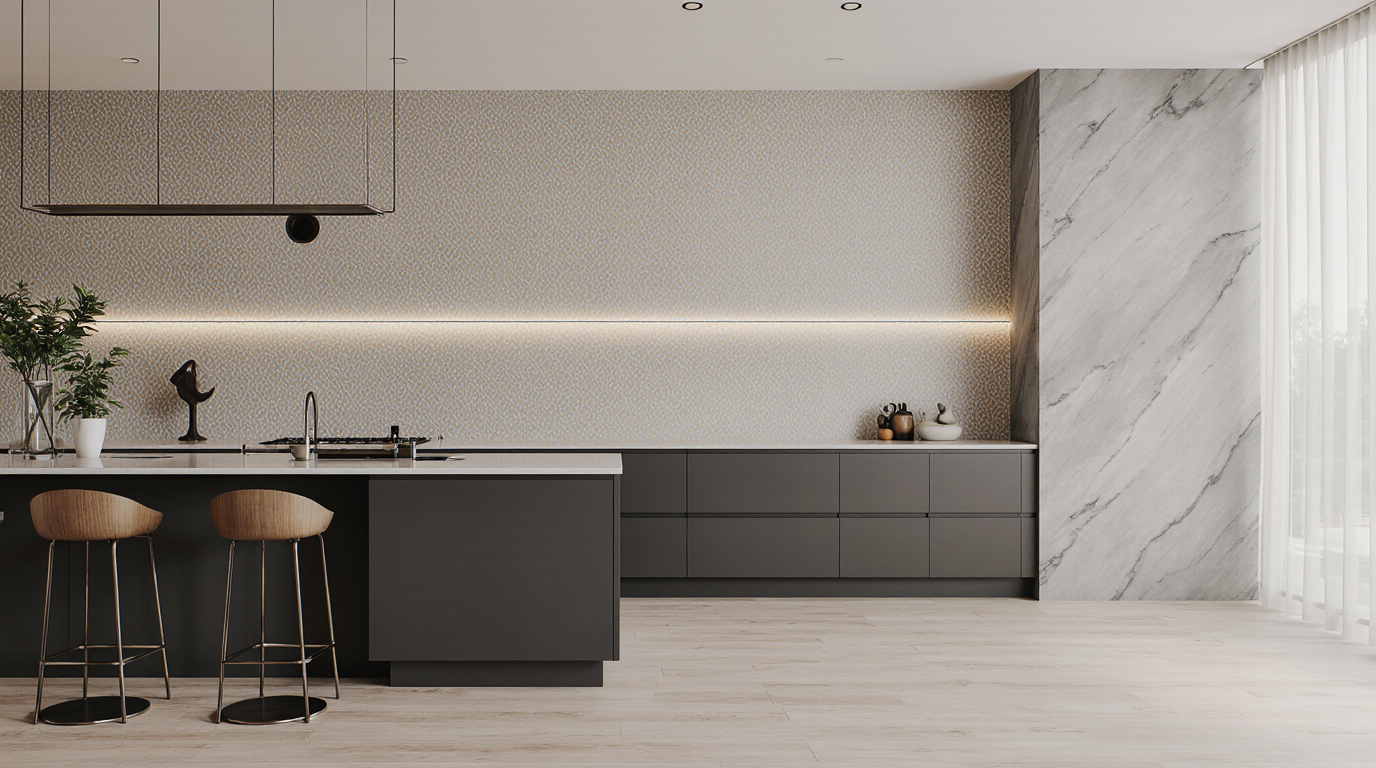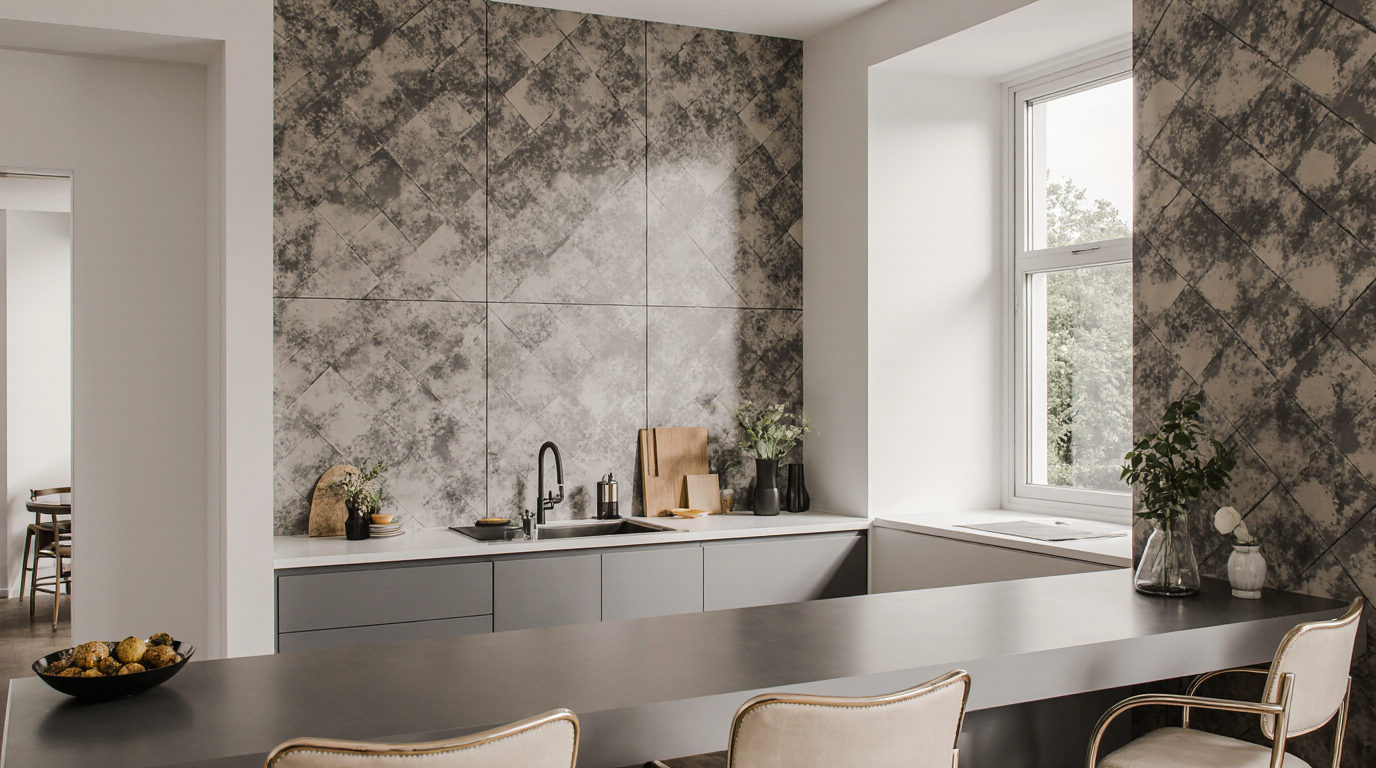
In Sarasota County, the average indoor relative humidity can hover around 60-70% for much of the year, even with diligent air conditioning. For kitchen wallpaper, that isn't just a weather fact; it's a direct threat to the adhesive's integrity and the paper's lifespan. The most common wallpaper failures I see in local projects aren't from poor installation but from selecting a product that was never engineered to handle our specific environmental pressures. This choice dictates whether you have a beautiful feature wall or a peeling, bubbling mess in two years.
Executive Summary: A Specialist's View on Sarasota Kitchen Wallpaper
From my perspective leading projects across Sarasota, successful kitchen wallpaper design is less about the pattern and
From my perspective leading projects across Sarasota, successful kitchen wallpaper design is less about the pattern and more about performance engineering. The coastal environment, with its high humidity and intense UV exposure, demands a technical approach. Homeowners here often prioritize aesthetics seen in national magazines, only to face premature failure because the material specified wasn't suited for our climate. The key is to select a product and installation system that treats moisture and light as primary design constraints, not afterthoughts.
- Material First, Pattern Second: Always prioritize vinyl, non-woven vinyl, or performance-grade Type II wallcoverings over natural fibers or standard paper for kitchen applications in Florida.
- Adhesive is Non-Negotiable: A mold-and-mildew-resistant, high-humidity-rated clay or clear adhesive is required. Standard pre-pasted or all-purpose glues will fail.
- HOA Pre-Approval is Critical: In communities like Lakewood Ranch or The Concession, design review boards have specific aesthetic guidelines that can dictate patterns and color palettes. Submitting samples early is mandatory.
- Ventilation and Surface Prep are Key: The wall must be primed with a moisture-blocking primer (like a shellac-based or oil-based one) and proper kitchen ventilation must be in place to manage cooking-related steam.
The Critical Planning Failures I See in Sarasota Kitchens
The most significant mistakes happen long before the wallpaper is ever unrolled. They are failures of environmental assessment and material specification. Clients fall in love with a delicate, beautiful grasscloth or a trendy unpasted paper they saw online, and the conversation about its suitability for a Sarasota kitchen happens too late, if at all. The allure of a modern kitchen wallpaper design often overshadows the practical realities of our climate.
The Most Expensive Failure: Ignoring Humidity and UV Exposure
The costliest error is underestimating the combined assault of humidity and sunlight. I was called to a beautiful home on Siesta Key where the client had insisted on a high-end, hand-painted paper wallpaper for their kitchen backsplash area. It looked stunning for about six months. Then, the seams began to lift near the stove from cooking steam, and the colors on the wall facing the large lanai window had visibly faded. The adhesive had re-emulsified from the constant humidity, and the organic pigments in the paper were not UV-stable. The cost wasn't just the wallpaper and initial installation; it was the complete removal, wall repair from moisture damage, and reinstallation with an appropriate performance product—effectively paying for the project twice.
How Professional Wallpaper Installation Works in Practice
A professional installation in this climate is a multi-step process focused on creating an impermeable barrier. It begins with a thorough wall inspection for any signs of moisture. We then prepare the surface by cleaning, sanding, and applying a specialized primer designed for humid environments. Only after the wall is perfectly sealed and cured do we begin hanging the wallpaper with a climate-appropriate adhesive. The process is meticulous and cannot be rushed.
Selection Criteria for Sarasota Homeowners
When I consult with clients, I guide them to filter their choices based on performance criteria that are essential for our region.
- Scrubbability Rating: Look for wallpapers rated as “scrubbable” or “extra-scrubbable.” This indicates a durable vinyl surface that can handle cleaning from kitchen splatters without damage.
- Moisture Resistance: The product must be explicitly rated for use in bathrooms or high-humidity areas. This ensures the material itself won't absorb moisture and swell.
- UV-Resistant Inks: Given the abundant natural light in many Sarasota homes, especially those with open floor plans and large windows, verifying the use of UV-resistant inks prevents premature fading.
- HOA Compliance: Before finalizing a bold or luxury kitchen wallpaper, check your community's covenants. Some HOAs in Palmer Ranch, for instance, have surprisingly strict rules on exterior-facing interior finishes if they are visible from the street.
Comparing Wallpaper with Other Kitchen Wall Finishes
Wallpaper offers unparalleled design flexibility, but it's not the only option. It's crucial to weigh its pros and cons against alternatives like tile or paint, especially considering the investment and long-term performance in our coastal environment. A beautiful kitchen wallpaper can be a focal point, but it requires the right selection to be a lasting one.
| Feature | Performance Wallpaper (e.g., Vinyl) | Ceramic/Porcelain Tile | High-Quality Semi-Gloss Paint |
|---|---|---|---|
| Initial Cost (Material & Labor) | Moderate to High | High | Low to Moderate |
| Moisture/Humidity Resistance | Excellent (with proper install) | Excellent | Good (with mildew-resistant formula) |
| Design & Pattern Options | Virtually Unlimited | Limited by tile availability | Limited to solid colors/faux finishes |
| Durability & Maintenance | High (scrubbable) | Very High (grout needs sealing) | Moderate (can chip, needs cleaning) |
When Wallpaper is Not the Right Choice
Wallpaper is a poor choice for a kitchen that lacks effective mechanical ventilation. If your range hood simply recirculates air instead of venting it outside, the concentrated steam and grease will eventually compromise even the best installation. In such cases, a tile backsplash combined with a high-quality, scrubbable paint is a much safer and more durable long-term solution. I've had to advise clients against wallpaper for this very reason, as the outcome would inevitably be a failure.
A Safe Hiring and Selection Checklist
To ensure your wallpaper project is a success, your due diligence must go beyond just looking at an installer's portfolio. The technical questions are what separate a good result from a great one that lasts.
- Verify the installer's experience with high-humidity applications and ask for references from projects in coastal areas.
- Insist on a written specification for the primer and adhesive—it should name a mold/mildew-resistant, high-tack formula.
- Request a full-size sample of the proposed wallpaper and tape it to the kitchen wall for a few days to see how it looks in different light.
- If you live in an HOA, get written approval for your specific wallpaper selection *before* purchasing the material. A typical design review can take 30 to 60 days in many Sarasota communities.
- Confirm the wall preparation process. The installer should explicitly mention skim coating for imperfections and the application of a moisture-blocking primer.
- Ask about seam treatment. For vinyl and performance wallpapers, seams should be virtually invisible and sealed to prevent moisture ingress.
- Discuss the warranty, specifically what it covers regarding seam lifting or bubbling in a kitchen environment.
Decisions That Determine the Final Outcome
The success of a kitchen wallpaper project in this city hinges on two early decisions: choosing a material that is technically appropriate for the humidity and hiring an installer who understands the specific surface preparation required. Many homeowners get this backward, falling for a design and then trying to make it work. The pattern is the last thing you should finalize, not the first.
The Exact Moment the Majority Gets It Wrong
The critical mistake happens at the very beginning of the design process. Most people start by browsing websites for “modern kitchen wallpaper ideas” and find a pattern they love. They bring that selection to a designer or installer, already emotionally invested. The correct approach is to first define the performance requirements of the space (e.g., backsplash area, high-sunlight wall, near a steamy appliance) and ask an expert for a curated list of *material types* that can handle those conditions. Only then should you explore patterns and colors within that technically-sound selection. This reverses the process and prioritizes longevity over initial aesthetics.
Practical Answers About Wallpaper Projects in Sarasota
Navigating a wallpaper project involves more than just design. Here are answers to common operational questions I encounter with clients in the Sarasota area.
How do HOA Design Reviews Impact Wallpaper Choices?
In master-planned communities, the Homeowners Association (HOA) design review board often has final say. For wallpaper, this usually applies to kitchens visible through large windows from the street or common areas. They may have restrictions on overly bold patterns, reflective or metallic finishes, or specific color palettes. You must submit a sample and specification sheet to the board. The approval timeline in Sarasota can be a bottleneck, often taking a minimum of 30 days, which must be factored into your project schedule.
What Wall Preparation is Required by the Florida Building Code?
While the Florida Building Code doesn't specify wallpaper installation techniques, it does have stringent requirements for moisture control in wall assemblies, especially in our wind-borne debris region (all of Sarasota County). An installer's wall preparation—sealing any imperfections, ensuring the drywall is sound, and using a vapor-impermeable primer—indirectly supports these code requirements by preventing moisture from being trapped in the wall cavity, which could lead to mold growth and structural issues. It's about maintaining the integrity of the building envelope.
Can I Use Wallpaper as a Backsplash Behind a Stove?
Yes, but with very specific conditions. You must use a Type II vinyl wallcovering with a high scrubbability rating. Additionally, I strongly recommend installing a clear panel of tempered glass or plexiglass over the wallpaper in the area directly behind the cooktop. This protects the wallpaper from direct heat, grease splatters, and intense cleaning, ensuring its longevity. Without this protective barrier, even the most durable wallpaper will eventually fail in that high-stress zone.