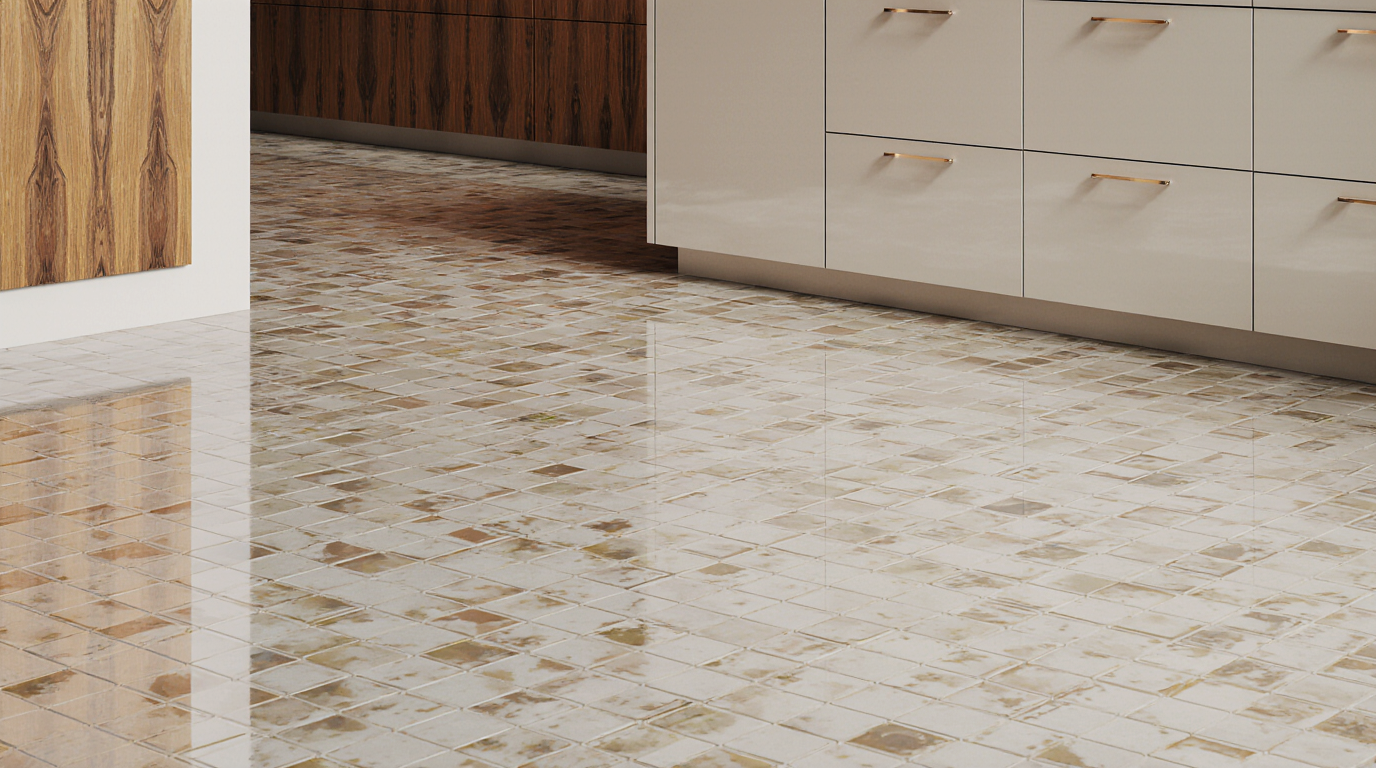
Executive Summary: A Sarasota-Centric Approach to Kitchen Tile Selection
From my 15 years designing and overseeing kitchen renovations in Sarasota, the key to a lasting and beautiful tile
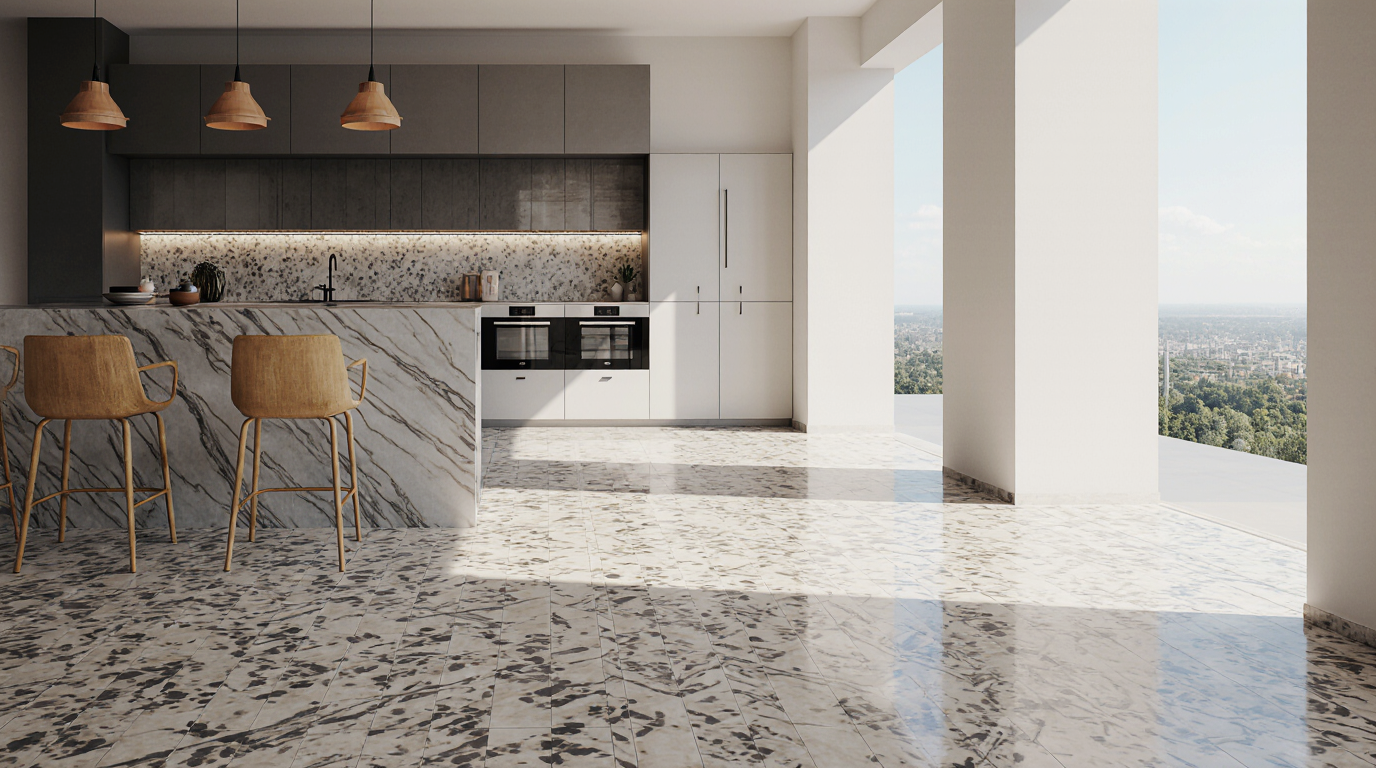
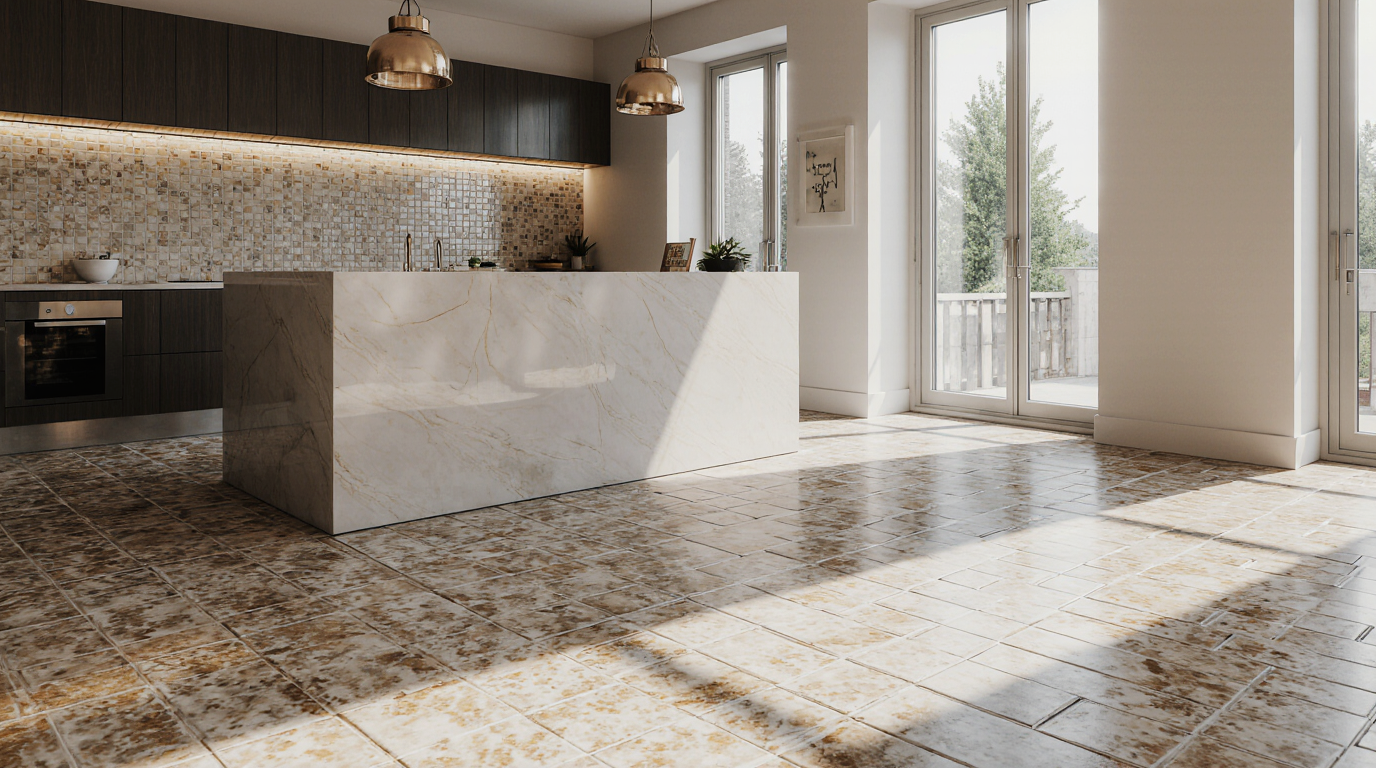
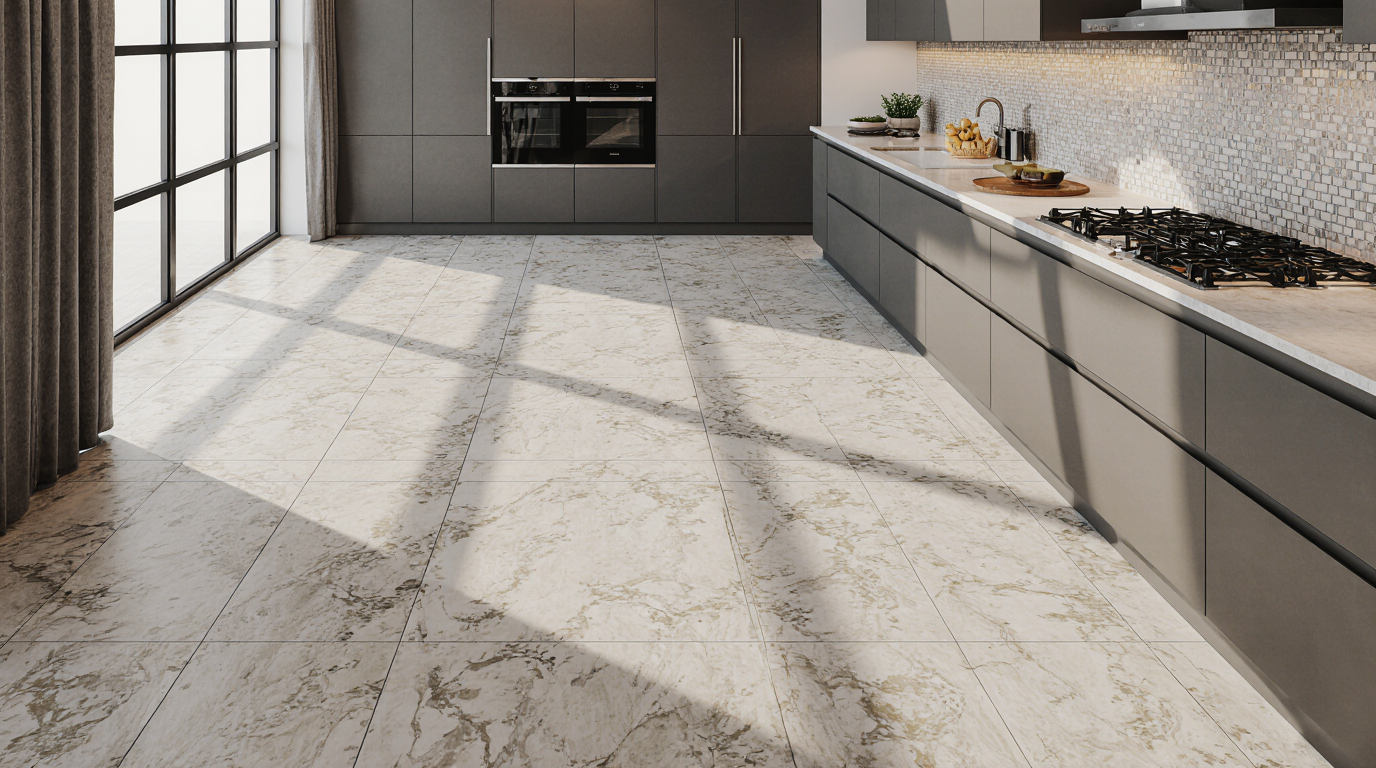
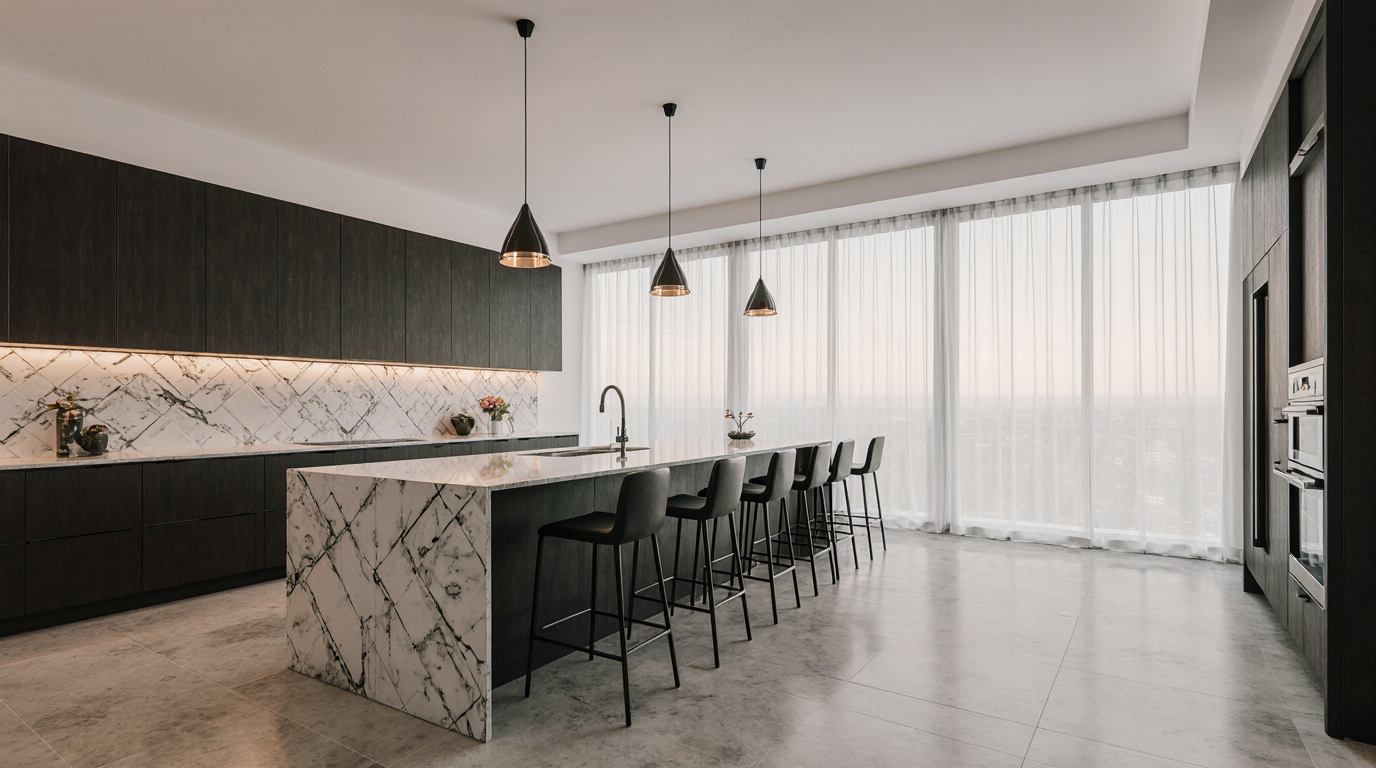
From my 15 years designing and overseeing kitchen renovations in Sarasota, the key to a lasting and beautiful tile installation is shifting the focus from pure aesthetics to climate-resilient performance. The tropical humidity, intense UV exposure, and salt in the air are not minor details; they are the primary factors that should dictate your material choices. A successful project here balances the desire for a modern, coastal aesthetic with the non-negotiable need for durability and safety.
- Humidity and Slip Resistance: Prioritize porcelain tiles with a DCOF rating of 0.42 or higher, especially for kitchen floors, to mitigate slip-and-fall risks during our humid summers.
- Salt Air Corrosion: Avoid porous, unsealed natural stones like certain travertines or limestones for backsplashes in homes on the barrier islands (Lido Key, Siesta Key), as they can degrade or discolor over time.
- HOA Design Review: For communities like Lakewood Ranch, have your tile specifications (material, color, finish) pre-approved to avoid costly delays; their review can add 30-45 days to your project timeline.
- Indoor-Outdoor Flow: If extending flooring to a lanai, ensure the tile is rated for exterior use, is UV-stable to prevent fading, and has a high slip resistance when wet.
The Planning Failures That Compromise Sarasota Kitchens
The most significant errors in tile selection happen long before the first tile is laid. They are decisions rooted in overlooking our local environment. Homeowners fall in love with a look they saw online or in a magazine from a different climate, and the practical implications for a Sarasota home are missed until it's too late.
The Most Expensive Failure: Ignoring the Subfloor and Grout System
The costliest mistake I consistently see is focusing 100% of the budget and attention on the tile itself while ignoring the system beneath it. In Sarasota, ground moisture and humidity can compromise a standard installation. A client in a historic home near Gillespie Park insisted on a budget-friendly installation for a beautiful, expensive marble floor. They saved about 15% upfront by skipping a moisture barrier membrane. Within two years, efflorescence—a white, chalky residue—began pushing through the grout lines, and several tiles developed hairline cracks due to moisture-related substrate shifts. The entire floor had to be torn out and redone, costing nearly double the original installation price.
How Tile Installation Works in Practice Here
A professional tile project in Sarasota is a multi-stage process that must account for local conditions and regulations from the start. It begins not with a trip to the tile store, but with a thorough assessment of the existing kitchen structure, subfloor, and ventilation to understand the specific environmental pressures the materials will face.
Key Selection Criteria for a Sarasota Home
- Coefficient of Friction (COF/DCOF): Non-negotiable for floor tiles. Given the moisture we track in from lanais and pools, a DCOF rating above 0.42 is a baseline for safety.
- Porcelain Enamel Institute (PEI) Rating: For high-traffic kitchen floors, look for a PEI rating of III or IV, indicating the tile's glaze can withstand significant foot traffic without showing wear.
- Material's Salt Air Resistance: If your home is on Bird Key or any waterfront area, prioritize glass, glazed ceramic, or high-density porcelain. These are virtually impervious to salt degradation.
- Grout and Sealant Specification: Always specify an epoxy or high-performance cementitious grout with additives for mold and mildew resistance. Standard grouts will discolor quickly in our humidity.
Comparing Tile Against Common Flooring Alternatives
Tile is a fantastic choice for Sarasota kitchens, but it's not the only one. Understanding its performance against alternatives like Luxury Vinyl Plank (LVP) or engineered hardwood is crucial for making an informed decision that aligns with your lifestyle and budget.
| Feature | Porcelain Tile | Luxury Vinyl Plank (LVP) | Engineered Hardwood |
|---|---|---|---|
| Moisture/Humidity Resistance | Excellent (impervious) | Excellent (waterproof core) | Fair to Poor (can swell/warp) |
| Scratch & Dent Resistance | Excellent | Good | Poor to Fair |
| Resale Value Impact | High (perceived as premium) | Moderate | Moderate to High (location dependent) |
| Feel Underfoot | Hard, cool | Softer, warmer | Warm, natural |
When Tile Might Not Be the Right Choice
Despite its durability, tile is not always the best fit. If you have joint issues or stand for long periods while cooking, the hardness of a tile floor can be unforgiving and uncomfortable. In such cases, a high-quality LVP with a built-in cork underlayment might provide a better balance of durability and ergonomic comfort, even if it doesn't carry the same premium weight in the resale market.
Safe Hiring and Installation Checklist
Hiring a tile contractor in Florida requires more than just looking at a portfolio. Verification is key to ensuring your investment is protected and the work complies with our state's specific building codes, which are some of the most stringent in the country due to hurricane risks.
- Verify the contractor holds a current, state-issued license (e.g., Certified Specialty Contractor) and carries both general liability and worker's compensation insurance.
- Ask for specific examples of projects completed in coastal or waterfront areas of Sarasota County and speak to those references.
- Ensure the contract explicitly details the subfloor preparation method, including the specific type of waterproofing or crack-isolation membrane to be used.
- Confirm the grout specified is mold/mildew resistant and appropriate for the tile type (e.g., sanded vs. unsanded for glass tiles).
- For any wall or backsplash work in homes within the wind-borne debris region, ensure the installation method complies with Florida Building Code requirements for adhesion and substrate stability.
- Request a written warranty that covers not just the tile itself but the labor and installation system against defects.
Decisions That Determine the Final Outcome
Two clients can start with the same budget and the same modern kitchen vision, but end up with vastly different results. The determining factor is almost always the order and priority of their decisions. The most successful projects prioritize the technical specifications first and the aesthetic details second.
The Exact Moment Most Homeowners Get It Wrong
The critical error happens at the very beginning: homeowners select their tile from a small sample in a showroom without ever seeing it in their own home's light. The lighting in a retail space is completely different from the natural light in a west-facing kitchen in The Landings. The single most important action is to pay for a full-size box of your top 2-3 tile choices and lay them out in your kitchen. Observe them for at least 48 hours to see how the color and finish change with the morning sun, afternoon glare, and your evening artificial lighting. This small investment prevents the massive regret of installing 500 square feet of tile that looks perfect in the store but feels completely wrong in your home.
Practical Answers About Tile Projects in Sarasota
Navigating a tile renovation involves more than design; it involves dealing with local regulations and practicalities. Understanding these bottlenecks is key to a smooth project timeline.
What Are the HOA Requirements in Planned Communities?
In communities like Palmer Ranch or Lakewood Ranch, you can't just start demolition. Your tile choice, especially if it impacts flooring that is visible from the outside (like in a ground-floor condo) or involves significant construction, must be submitted to an Architectural Review Board. This process typically requires submitting samples, contractor details, and a work schedule. Expect a review period of 30 to 45 days before you can get approval to begin work. Starting without it can result in fines and a stop-work order.
How Does the Florida Building Code Impact My Backsplash?
While a simple backsplash replacement may not require a permit, the code still applies. The Florida Building Code has specific requirements for substrate preparation, especially on exterior walls. The substrate must be plumb, stable, and properly sealed against moisture intrusion. Using standard drywall behind a sink without proper waterproofing is a common shortcut that violates the spirit of the code and can lead to serious mold issues down the line.
Do I Need a Permit for Retiling My Kitchen Floor?
Generally, retiling a floor with a similar material in Sarasota County does not require a permit if you are not altering the subfloor structure. However, the moment the project involves altering plumbing (for an island sink), electrical (for floor outlets), or structural elements (removing a non-load-bearing wall to extend the tile), a permit from the Sarasota County Building Department is absolutely required. Failure to pull one can create significant problems when you eventually sell your home.